

Are you thinking about bringing a dog into your life but worried about safety? Knowing which dog breeds bite the most can help you make smarter choices for your family and home.
You want a pet that’s friendly, loyal, and safe around everyone. But how do you figure out which breeds have a higher risk of biting? This article breaks down the facts clearly, so you can protect yourself and those you love while enjoying the companionship of your furry friend.
Keep reading to discover what you need to know before choosing your next dog.

Credit: www.publicsource.org
Common Dog Breeds With High Bite Incidents
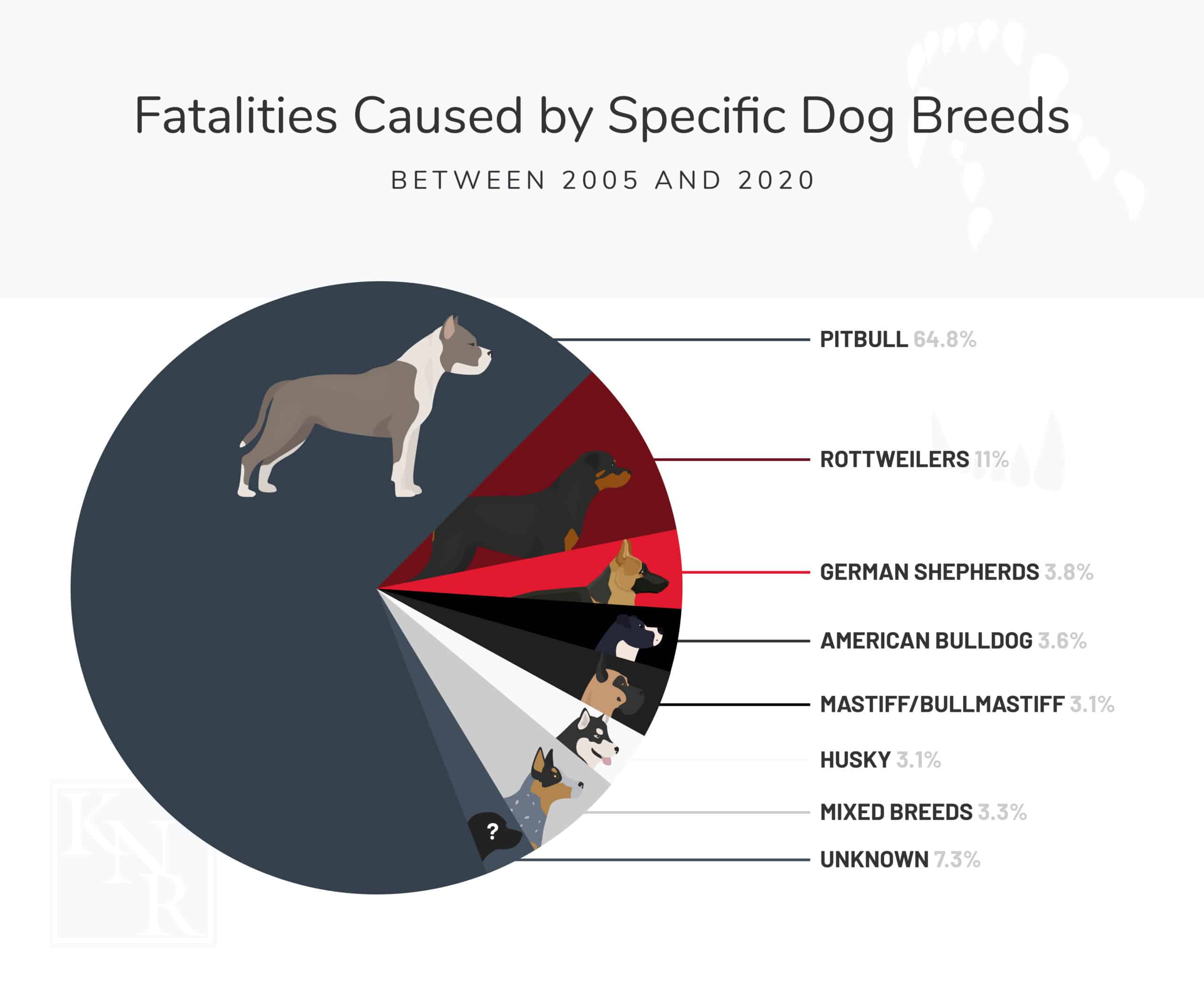
Some dog breeds report higher bite incidents than others. Understanding these breeds helps owners handle dogs safely. Bite stats depend on many factors like training, environment, and socialization. Here are some breeds often linked to bite records.
Pit Bulls And Their Reputation
Pit Bulls often appear in bite statistics. Their strong jaws and muscular bodies can cause serious injuries. Many bites happen due to fear or poor training. Proper care and socialization reduce bite risks significantly.
German Shepherds’ Aggression Stats
German Shepherds rank high in bite reports. They are protective and loyal dogs. Sometimes, their guarding instincts lead to aggressive behavior. Training and early socialization help control their temper.
Rottweilers In Bite Records
Rottweilers also show up in bite data. Their size and strength make their bites dangerous. Often, bites occur when they feel threatened or scared. Good leadership and consistent training prevent many incidents.
Chihuahuas: Small But Feisty
Chihuahuas may surprise many with frequent bite reports. Despite their small size, they can be very defensive. Their bites often happen out of fear or stress. Gentle handling and proper socialization calm these tiny dogs.
Credit: www.knrlegal.com
Factors Influencing Dog Bites
Dog bites depend on many factors, not just the breed. Understanding these factors helps reduce bite risks. Training, owner behavior, environment, and temperament all play key roles. Each dog is unique, and so is the risk it may bite.
Role Of Training And Socialization
Training teaches dogs how to behave around people and other animals. Socialization helps dogs get used to new places and faces. Dogs with good training and socialization bite less often. Without proper training, dogs can feel scared or aggressive.
Impact Of Owner Behavior
Owners influence their dogs’ actions every day. Calm and consistent owners help dogs stay calm too. Rough or careless handling can make dogs nervous or scared. A dog’s safety depends a lot on how its owner acts.
Environmental Triggers
Some places or situations make dogs feel unsafe or upset. Loud noises, strange people, or crowded areas can cause stress. Stressed dogs may bite to protect themselves. Knowing these triggers helps prevent bite incidents.
Breed Vs Individual Temperament
Breed gives some clues about a dog’s nature. Still, each dog has its own personality. Some dogs from “dangerous” breeds are gentle and friendly. Others from small breeds can bite too. Focus on the individual dog, not just the breed.
Myths About Dangerous Breeds
Many people believe some dog breeds are more dangerous than others. These ideas come from myths, not facts. It is important to understand these myths to see the real picture about dog bites. Knowing the truth helps keep dogs and people safe.
Media Influence On Breed Perception
The media often shows certain breeds in a bad light. News stories focus on attacks by specific dogs. This makes people think those breeds are always aggressive. The truth is, the media rarely reports on attacks by other breeds. This creates a false image of danger linked to certain breeds.
Breed-specific Legislation Effects
Many places have laws against specific dog breeds. These laws aim to reduce dog attacks. But they punish dogs based on breed, not behavior. Good dogs suffer because of these rules. Bad behavior can come from any breed, not just banned ones. These laws may give a false sense of safety.
Common Misconceptions Debunked
People often think large dogs bite more than small ones. Studies show bite rates depend on training and care. Another myth is that mixed breeds are safer than purebreds. Any dog can bite if scared or hurt. Proper training and socialization are key to safe dogs.
Preventing Dog Bites
Preventing dog bites is important for everyone’s safety. Dogs can bite out of fear, pain, or confusion. Understanding how to avoid bites keeps both dogs and people safe. Simple actions can reduce bite risks. Learning about safe behavior with dogs helps prevent accidents.
Safe Interaction Tips
Always ask the owner before petting a dog. Let the dog sniff your hand first. Avoid sudden moves or loud noises near dogs. Do not disturb dogs while they eat or sleep. Teach children to be calm and gentle with dogs. Stay away from dogs that show signs of stress.
Importance Of Early Training
Training a dog from a young age builds good habits. Teach basic commands like “sit,” “stay,” and “leave it.” Socialize dogs with people and other animals early. Early training reduces fear and aggression. Consistent training helps dogs understand what is okay. Well-trained dogs are less likely to bite.
Recognizing Warning Signs
Dogs show signs before biting. Watch for growling, barking, or snapping. Raised fur and stiff body language warn of stress. Avoid dogs that show teeth or stare fixedly. Recognizing these signs helps prevent bites. Back away slowly if a dog seems upset.
Community Education Programs
Communities can teach dog safety to everyone. Programs help people understand dog behavior. Schools and parks can host safety workshops. Education reduces misunderstandings between dogs and people. More knowledge leads to fewer dog bite incidents. Everyone benefits from learning how to be safe around dogs.
Statistics And Studies On Dog Bites
Understanding dog bite statistics helps us know which breeds bite more often. It also shows patterns in behavior and risk factors. These studies guide owners and communities to improve safety. Data comes from hospitals, animal control, and insurance reports. Clear numbers help separate facts from myths.
Recent Bite Incident Data
Recent studies show dog bites remain a common injury. Thousands of people visit emergency rooms yearly for dog bites. Most bites happen at home with familiar dogs. The number of bites varies by region and season. Some breeds appear more often in bite reports.
Comparing Breeds By Bite Frequency
Certain breeds report higher bite frequencies. Larger dogs tend to cause more severe injuries. Pit Bulls, German Shepherds, and Rottweilers often appear in bite statistics. Smaller breeds bite less but can still cause harm. Breed alone does not predict all bites.
Age And Gender Factors In Bites
Children face higher risks for dog bites. Boys bite victims are more common than girls. Adult men also report more bites than women. Dogs may bite more during certain age stages. Training and supervision reduce bite risks for all ages.

Credit: www.forbes.com
Frequently Asked Questions
Which Dog Breeds Have The Highest Bite Rates?
Breeds like Pit Bulls, Rottweilers, and German Shepherds report higher bite incidents. These breeds are often strong and protective, requiring proper training and socialization to reduce aggression.
Why Do Some Dog Breeds Bite More Often?
Genetics, training, socialization, and environment influence biting behavior. Some breeds have strong protective instincts, but lack of training and neglect increase bite risks across all breeds.
How Can Owners Prevent Dog Bites Effectively?
Proper training, socialization, and responsible ownership prevent bites. Early exposure to various people and environments helps dogs behave calmly and reduces aggressive tendencies.
Are Certain Dog Breeds More Aggressive By Nature?
Some breeds have natural guarding instincts, but aggression is mainly shaped by upbringing. Responsible care, training, and environment are key factors in a dog’s behavior, regardless of breed.
Conclusion
Dog bites depend on many factors, not just breed. Training and socialization shape a dog’s behavior. Responsible owners keep their dogs calm and safe. Understanding risks helps prevent injuries and accidents. Always watch dogs closely, especially around children. Choose a dog that fits your lifestyle well.
Safety and care create a happy home for all.


