

Are you passionate about dogs and dreaming of turning that love into a rewarding career? Becoming a dog breeder might be the perfect path for you.
But how do you start? What skills and knowledge do you need to succeed? In this guide, you’ll discover clear, simple steps to help you become a responsible and successful dog breeder. Whether you want to breed for companionship, show, or working dogs, understanding the right way to begin can save you time, money, and frustration.
Ready to find out what it takes to breed happy, healthy puppies? Keep reading—you’re about to learn everything you need to know.
Choosing The Right Breed
Choosing the right breed is a key step in becoming a dog breeder. The breed you select affects your daily work and success. Each breed has unique traits, needs, and care requirements. Understanding these details helps you provide better care and meet buyers’ expectations.
Take time to learn about different breeds before deciding. This helps you find a breed that fits your goals and lifestyle. It also helps you build a good reputation as a breeder.
Researching Breed Traits
Start by studying breed traits like size, temperament, and health issues. Some breeds need more exercise, while others prefer calm environments. Knowing these details ensures you can meet the breed’s needs well.
Look for information from breed clubs, books, and trusted websites. Talk to experienced breeders for real-life insights. This research reduces surprises and helps you prepare.
Assessing Market Demand
Check which breeds are popular in your area. Popular breeds often sell faster and bring steady income. Avoid breeds with low demand to reduce the risk of unsold puppies.
Use online platforms and local pet stores to spot trends. Attend dog shows or breeder meetings to hear about buyer preferences. This knowledge helps you choose a breed that sells well.
Matching Breed To Lifestyle
Consider your daily routine and living space. Some breeds need lots of time for training and exercise. Others are easier to care for in small homes or busy schedules.
Choose a breed that fits your energy and commitment level. This match keeps you motivated and ensures your dogs get proper care. Happy dogs and happy breeders create better results.
Gaining Knowledge And Skills
Becoming a responsible dog breeder starts with gaining the right knowledge and skills. Breeding dogs is not just about pairing dogs and having puppies. It requires understanding genetics, health, and care. Learning these areas helps you raise strong, healthy puppies. It also protects the breed’s quality and reputation.
Learning Canine Genetics
Understanding canine genetics is key to breeding healthy dogs. Genes pass traits from parents to puppies. Some traits are good, like coat color or size. Others can cause health problems. Knowing how genes work helps avoid breeding dogs with harmful traits. Study basic genetics terms like dominant and recessive genes. This knowledge guides you in choosing compatible parents.
Understanding Health Testing
Health testing protects both parent dogs and puppies. Certain breeds have specific health risks. Tests check for conditions like hip dysplasia, heart disease, or eye problems. Only breed dogs that pass health tests. This lowers the chance of passing diseases to puppies. Work with a vet to understand which tests are important. Regular health checks keep your breeding program safe and ethical.
Attending Breeding Workshops
Workshops offer practical experience and expert advice. They teach breeding basics, puppy care, and record keeping. You meet other breeders and learn from their stories. Hands-on training boosts your confidence and skills. Find workshops through local clubs or kennel associations. Keep learning to improve your breeding practices over time.
Setting Up Your Breeding Space
Setting up your breeding space is the first big step in becoming a dog breeder. This space must be clean, safe, and comfortable for the dogs. It sets the tone for healthy puppies and happy dogs. Proper planning helps avoid problems and keeps everything organized.
Creating A Safe Environment
Safety is the top priority in your breeding space. Choose a quiet area away from loud noises. Use non-toxic cleaning products to keep the area clean. Floors should be easy to clean and not slippery. Provide soft bedding for comfort and warmth. Make sure the area has good air flow but no drafts. Keep harmful objects and chemicals out of reach. Check the space daily for hazards.
Meeting Legal Requirements
Every place has rules for dog breeding. Check local laws and get the needed permits. Register your business if required. Follow rules about the number of dogs you can keep. Keep records of vaccinations and health checks. Meet animal welfare standards to avoid fines. Know your state’s rules on breeding licenses. Legal compliance protects you and your dogs.
Planning For Puppy Care
Prepare a special area for newborn puppies. This space should be warm and quiet. Have supplies ready: clean towels, puppy food, and heating pads. Plan for regular health checks and vaccinations. Schedule time for socializing puppies early. Keep a detailed log of each puppy’s health and growth. Good care from the start builds strong, healthy dogs.

Credit: www.walmart.com
Finding And Selecting Breeding Dogs
Finding and selecting the right breeding dogs is a key step in becoming a responsible dog breeder. This process shapes the quality and health of future puppies. Focus on dogs that show strong traits and good health. Choose dogs that fit breed standards and have good temperaments. Building good connections with other breeders helps in finding quality dogs and learning best practices.
Evaluating Temperament And Health
Temperament affects how puppies behave and adapt to homes. Select dogs that are calm, friendly, and confident. Avoid dogs with aggressive or overly shy behavior. Health is crucial for breeding success. Check for genetic diseases common in the breed. Ask for health clearances and veterinary records. Observe the dog’s physical condition and energy levels.
Choosing Quality Bloodlines
Bloodlines show a dog’s ancestry and traits. Good bloodlines increase the chance of strong, healthy puppies. Study pedigrees to understand family history. Focus on dogs with awards or titles in shows or trials. Avoid breeding dogs from close relatives to reduce health risks. Quality bloodlines contribute to consistent breed characteristics.
Building Relationships With Other Breeders
Other breeders can offer guidance and support. They help find dogs with desirable traits. Join breed clubs or local breeder groups. Attend dog shows to meet experienced breeders. Share knowledge about health and breeding practices. Strong relationships open doors to better breeding opportunities.
Managing The Breeding Process
Managing the breeding process is a key step in becoming a responsible dog breeder. It involves careful planning and attention to detail. Each stage requires knowledge and patience to ensure the health of both the mother and puppies. Proper care during breeding affects the puppies’ quality and well-being.
Timing And Mating Techniques
Timing is crucial for successful breeding. The female dog’s heat cycle lasts about three weeks. The best time to mate is during the fertile period, usually between days 9 and 14 of the cycle. Monitor signs like swelling and discharge to identify this window.
Mating techniques vary depending on the dogs’ breeds and temperaments. Natural mating is common but supervised. Some breeders use artificial insemination to control genetics or help shy dogs. Always ensure both dogs are healthy and stress-free during mating.
Pregnancy And Whelping Care
After mating, confirm pregnancy with a vet visit around 25-30 days. Pregnant dogs need a balanced diet rich in nutrients. Regular, gentle exercise keeps them healthy but avoid overexertion.
Prepare a quiet, warm whelping area before the due date. This space should be clean and comfortable. Watch for signs of labor, such as restlessness or nesting. Help the mother as needed but avoid too much interference.
Monitoring Puppy Development
Puppies grow quickly in the first weeks. Check their weight daily to ensure steady growth. Keep the whelping area clean to prevent infections. Socialize puppies gently to build confidence and good behavior.
Watch for health issues like difficulty nursing or breathing problems. Consult a vet immediately if any concerns arise. Early care shapes strong, healthy puppies ready for loving homes.

Credit: littleangelsservicedogs.org
Promoting Your Breeding Business
Promoting your dog breeding business helps you reach more potential buyers. It builds trust and shows your professionalism. Good promotion brings steady interest and sales.
Use clear, honest messages about your dogs and services. Show your care and knowledge. This creates a good reputation and loyal clients.
Creating A Professional Website
A website acts as your business’s online home. It should look clean and easy to navigate. Include photos of your dogs, their health records, and your contact details.
Write simple descriptions about your breeding practices. Add a section for testimonials from happy customers. Make sure the site works well on phones and tablets.
Using Social Media Effectively
Social media helps you connect with dog lovers. Post pictures and videos of your dogs regularly. Share updates on puppies and your breeding process.
Respond quickly to questions and comments. Use clear, friendly language. Avoid too much technical jargon to keep your audience interested.
Networking With Local Communities
Join local dog clubs and pet events. Meet other breeders and dog owners in your area. This builds trust and spreads word of mouth about your business.
Offer to give talks or help with dog care workshops. This shows your expertise and passion. Strong local ties bring more customers and support.
Ensuring Ethical Breeding Practices
Ethical breeding is the backbone of responsible dog breeding. It ensures dogs live healthy, happy lives. Ethical breeders care deeply about the animals’ well-being and future. They focus on quality, not quantity. This section highlights key ways to keep breeding ethical and responsible.
Prioritizing Animal Welfare
Animal welfare means putting dogs’ health first. Provide clean, safe living spaces. Feed nutritious food and offer fresh water daily. Schedule regular vet visits for checkups and vaccinations. Avoid breeding dogs with health problems or poor temperaments. Allow puppies to socialize and grow in a caring environment.
Maintaining Transparency With Buyers
Honest communication builds trust with buyers. Share full details about the puppy’s health history. Explain the breed’s needs and traits clearly. Provide documentation of vaccinations and health checks. Be available to answer questions after the sale. Transparency creates happy owners and better homes for puppies.
Continuing Education And Improvement
Learn about breeding best practices regularly. Attend workshops, read books, and join breeder groups. Stay updated on health tests and breed standards. Use this knowledge to improve your breeding program. Ethical breeders always seek to do better for their dogs.
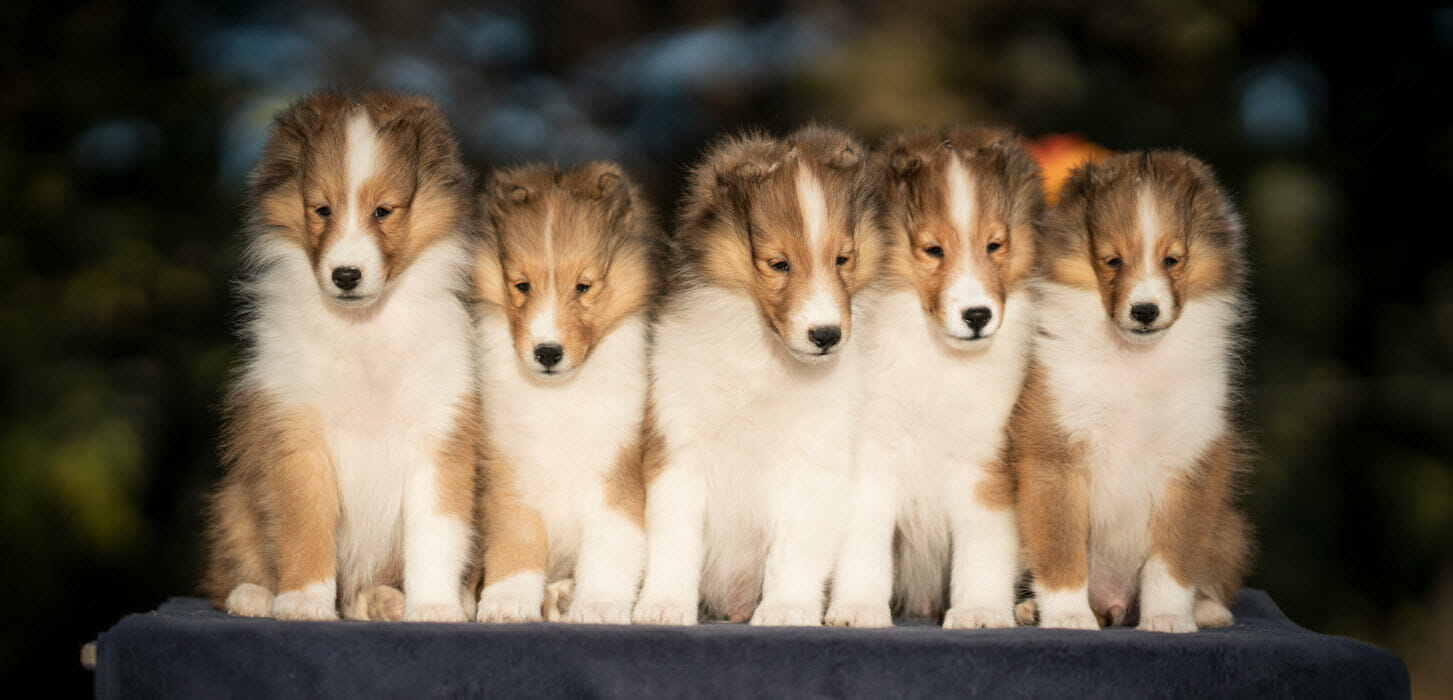
Credit: betterbreeder.org
Frequently Asked Questions
What Qualifications Do I Need To Become A Dog Breeder?
You need knowledge of dog genetics, health, and breed standards. Experience with dogs and a passion for breeding are essential. Formal training or certification can boost credibility and skills.
How Do I Start A Dog Breeding Business Legally?
Register your business and obtain necessary licenses. Follow local regulations for animal care and breeding. Keep detailed records and ensure ethical breeding practices.
What Are The Costs Involved In Dog Breeding?
Costs include purchasing breeding dogs, vet care, food, and supplies. You also need to budget for registration and marketing expenses. Unexpected health costs can arise, so plan accordingly.
How Can I Ensure The Health Of My Breeding Dogs?
Regular vet check-ups and genetic testing are crucial. Provide a balanced diet and proper exercise. Avoid breeding dogs with hereditary diseases to maintain healthy litters.
Conclusion
Becoming a dog breeder takes time and effort. You must learn about dogs’ health and care. Choosing the right breed matters a lot. Always follow rules and care for puppies well. Good breeders keep dogs safe and happy. This work needs patience and kindness every day.
Start small, keep learning, and grow slowly. Breeding dogs can bring joy and pride. Care and respect for animals come first. Your journey as a breeder begins with love and knowledge.


