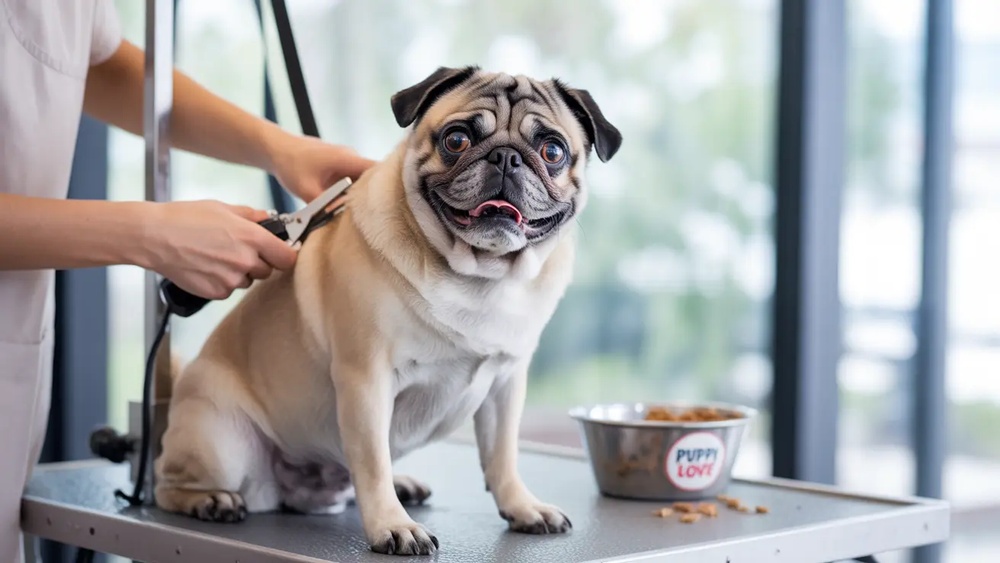
You love your dog and want the best for them. But how often should your dog get groomed?
It’s a question that many pet owners wonder about. Grooming isn’t just about keeping your dog looking good—it’s essential for their health and happiness. If you’re unsure when to schedule the next grooming session, this article will clear up the confusion.
Keep reading to discover the perfect grooming routine for your furry friend and ensure they stay comfortable, clean, and healthy every day.
Credit: www.summitdogandcat.com
Factors Influencing Grooming Frequency
Several factors affect how often your dog needs grooming. Each dog is unique. Their grooming needs depend on many things. Knowing these factors helps you keep your dog healthy and happy.
Breed And Coat Type
Different breeds have different coat types. Some dogs have short hair that needs less care. Others have long or curly hair that mats easily. Thick double coats may require regular brushing. Hair that sheds a lot may need frequent grooming. Coat type affects how often grooming is necessary.
Age And Health
Young dogs often need less grooming than older dogs. Older dogs may have skin issues or slower healing. Sick dogs may not groom themselves well. Regular grooming helps spot health problems early. Dogs with special health needs might require extra care.
Lifestyle And Activity Level
Active dogs get dirty faster than calm ones. Dogs that spend time outside may need more baths. Pets that swim or play in mud need regular cleaning. Indoor dogs usually need less frequent grooming. Your dog’s daily activities influence grooming frequency.

Credit: purrfectgrooming.pet
Signs Your Dog Needs Grooming
Knowing the signs your dog needs grooming helps keep them healthy and happy. Grooming is not just about looks. It also prevents skin problems and discomfort. Watch your dog closely for changes that show grooming is overdue.
Matted Fur And Tangles
Matted fur forms when hair gets twisted and stuck together. It feels hard and tight against the skin. Tangles pull on your dog’s skin and cause pain. They trap dirt and moisture, leading to infections. Grooming breaks up mats and keeps fur soft.
Unpleasant Odor
A bad smell from your dog can mean dirt or oils build up. It may also show skin infections or ear problems. Regular baths and cleanings remove odors. Smell is a clear sign your dog needs grooming soon.
Excessive Shedding
All dogs shed, but too much fur means grooming is needed. Loose hair covers furniture and floors. Brushing removes dead hair and stops mats. It also helps skin breathe and stay healthy. Frequent shedding calls for more grooming sessions.
Recommended Grooming Schedule
Keeping your dog clean and healthy needs a good grooming schedule. Grooming helps your dog feel comfortable and prevents skin problems. Different dogs need grooming at different times. This depends on their coat type and health.
Short-haired Breeds
Short-haired dogs need grooming less often. Brushing once a week usually works well. Bathing once every two months keeps their skin healthy. Nail trimming should happen every three to four weeks. Check ears and teeth regularly to avoid problems.
Long-haired Breeds
Long-haired dogs need more care. Daily brushing stops mats and tangles. Bathing every four to six weeks keeps their coat clean. Haircuts every six to eight weeks help manage length. Nails and ears need regular attention too.
Special Needs Dogs
Some dogs have special grooming needs. Dogs with skin allergies may need gentle shampoos. Older dogs or those with arthritis might need shorter grooming sessions. Talk to your vet about the best routine. Regular grooming helps keep these dogs comfortable.
Essential Grooming Tasks
Grooming keeps your dog healthy and happy. It is more than just making them look good. Regular care helps prevent health problems. Some tasks need to be done often. Others only once in a while. Understanding each task helps you keep your dog in top shape.
Here are the key grooming tasks you should know about. Each one plays an important role in your dog’s wellbeing.
Bathing And Brushing
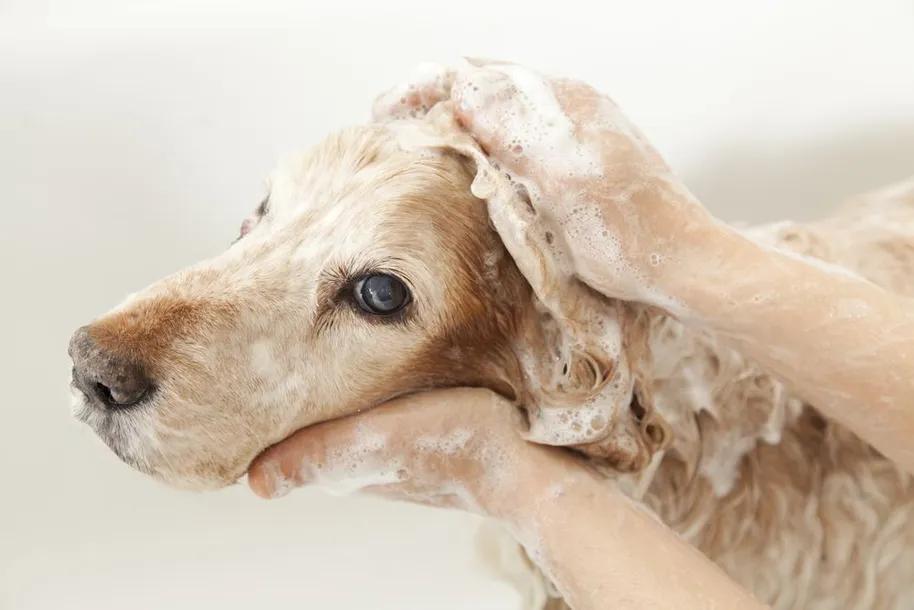
Bathing cleans your dog’s skin and coat. It removes dirt and loose hair. Most dogs need a bath every 4 to 6 weeks. Dogs with oily skin or bad odor may need baths more often. Brushing is even more important. It helps stop mats and tangles. Brush your dog several times a week. Long-haired dogs need daily brushing. Short-haired dogs need brushing once or twice a week.
Nail Trimming
Dogs need their nails trimmed regularly. Long nails cause pain and walking problems. Trim nails every 3 to 4 weeks. Check nails often. Some dogs wear down nails naturally. Others need frequent trims. Use proper nail clippers. Be careful not to cut the quick. If unsure, ask a groomer or vet for help.
Ear Cleaning
Clean ears help prevent infections. Look inside ears for dirt and wax. Clean ears once a month or as needed. Use a vet-approved ear cleaner. Avoid inserting anything deep into the ear canal. Wipe gently with a cotton ball. Dogs with floppy ears may need more frequent cleaning.
Teeth Brushing
Healthy teeth stop bad breath and gum disease. Brush your dog’s teeth at least 2 to 3 times a week. Use a dog toothbrush and toothpaste. Never use human toothpaste. Start slowly to get your dog used to brushing. Regular dental care improves your dog’s overall health.
Diy Grooming Tips
Grooming your dog at home can save money and build a strong bond. It helps keep your dog clean and healthy. Regular care prevents mats, skin problems, and bad odors. Simple tools and safe methods make the process easy and stress-free for both of you.
Tools You Need
Start with basic grooming tools. A slicker brush works well for most coats. Use a comb to check for tangles and debris. Nail clippers keep paws healthy. Dog-friendly shampoo cleans without drying skin. A towel and hairdryer help dry your dog after baths. Keep all tools clean and ready.
Safe Techniques
Brush gently to avoid hurting your dog. Use slow, calm movements during bathing. Check water temperature; it should be warm, not hot. Trim nails carefully; avoid cutting the quick. Clean ears with a soft cloth. Always reward your dog with treats and praise. Stop if your dog shows signs of stress or pain.
When To Seek Professional Help
Complex haircuts need professional skill. Severe mats or skin problems require expert care. If your dog is aggressive or scared, choose a groomer. Professionals can safely trim nails or clean ears. Regular vet visits also help spot grooming issues early. Use experts to keep your dog safe and happy.
Benefits Of Regular Grooming
Regular grooming is important for every dog. It keeps dogs healthy and happy. Grooming helps catch problems early. It also makes dogs feel good. Here are some key benefits of regular grooming.
Health And Hygiene
Grooming removes dirt and dead hair. It stops skin infections and parasites. Regular checks find ticks and fleas early. Nails trimmed often prevent pain and injury. Clean ears reduce the chance of infections.
Comfort And Appearance
Brushing stops mats and tangles. Mats can hurt your dog’s skin. Grooming keeps the coat shiny and smooth. Dogs feel cooler and lighter after grooming. A neat dog looks well cared for and happy.
Strengthening Bond With Your Dog
Grooming time builds trust and love. Gentle brushing feels good to dogs. It creates calm moments together. Dogs learn to enjoy touch and care. This strengthens your bond every time.

Credit: www.reddit.com
Frequently Asked Questions
How Often Should I Groom My Dog?
Most dogs benefit from grooming every 4 to 8 weeks. Frequency depends on breed, coat type, and lifestyle. Regular grooming keeps fur healthy and reduces shedding.
Does Dog Breed Affect Grooming Frequency?
Yes, breeds with long or thick coats need more frequent grooming than short-haired breeds. Some may require weekly care to prevent mats and tangles.
What Are Signs My Dog Needs Grooming?
Look for matted fur, excessive shedding, dirty ears, and overgrown nails. If your dog smells bad or scratches often, it’s time for grooming.
Can Grooming Improve My Dog’s Health?
Absolutely. Grooming helps detect skin issues early, prevents infections, and promotes better coat condition. It also supports overall hygiene and comfort for your dog.
Conclusion
Regular grooming keeps your dog healthy and happy. Different breeds need grooming at different times. Pay attention to your dog’s coat and skin. Clean ears and trimmed nails prevent problems. A clean dog feels comfortable and looks great. Set a grooming schedule that fits your dog’s needs.
Consistency helps avoid mats and tangles. Grooming also allows you to check for health issues. Keep your dog calm and positive during grooming. Healthy pets need regular care and attention.