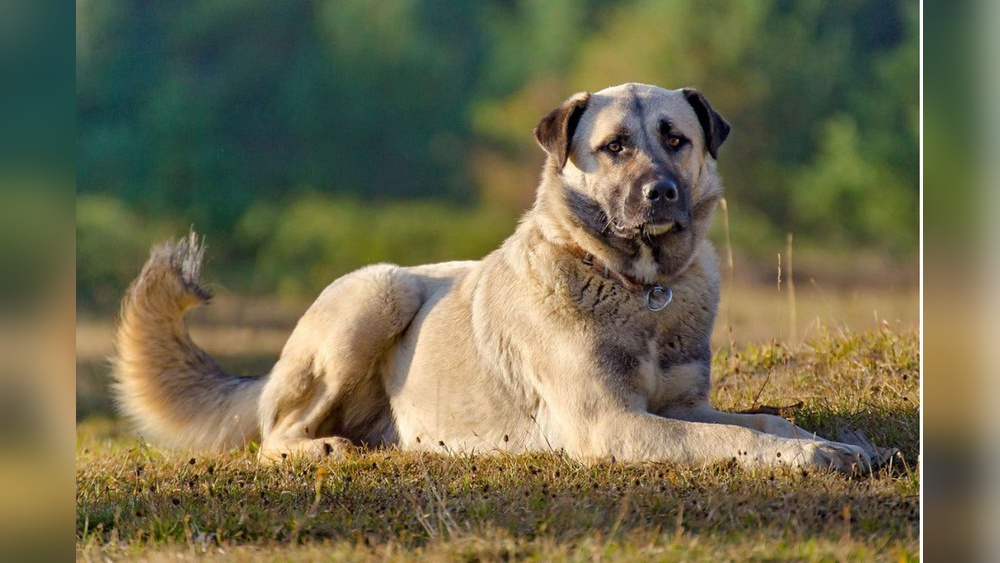
Are you thinking about starting to breed dogs but don’t know where to begin? Breeding dogs is more than just pairing two pets—it’s about careful planning, knowledge, and responsibility.
If you want to do it right and create healthy, happy puppies, you need to understand the key steps before you start. This guide will walk you through everything you need to know, from choosing the right dogs to caring for the puppies.
Keep reading, and you’ll discover how to build a successful and rewarding dog breeding experience.
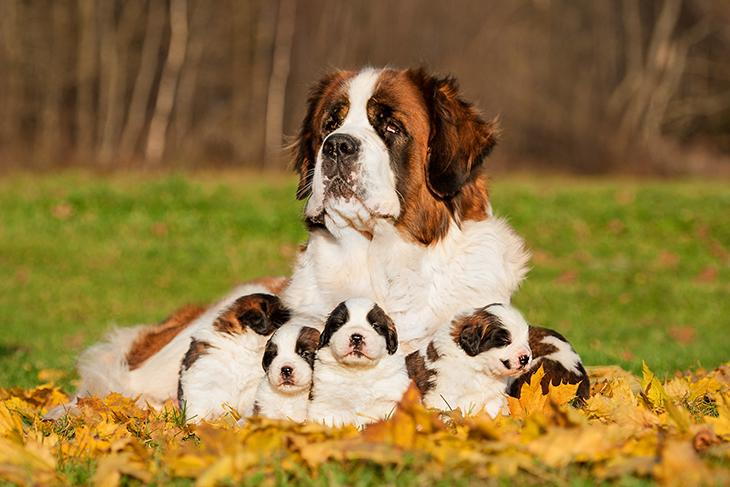
Credit: www.denison-vet.com
Choosing The Right Breed
Choosing the right breed is the first step in dog breeding. This decision shapes your experience and success. Each breed has unique features. Knowing these features helps in making a good choice. Take time to learn about different breeds. Consider what fits your goals and lifestyle.
Breeding dogs is not just about looks. It involves understanding traits, health, and behavior. Picking the right breed means thinking about all these parts.
Assessing Breed Characteristics
Start by studying breed size and appearance. Some dogs are small and easy to handle. Others are large and need more space. Look at coat type too. Long hair needs more grooming. Think about activity levels. Some breeds need lots of exercise. Others prefer quiet time. Choose a breed with traits you can manage.
Considering Health And Temperament
Check common health issues in each breed. Some breeds have genetic problems. These can affect puppies later. Good breeders avoid unhealthy dogs. Temperament matters as well. Some dogs are calm and friendly. Others are more protective or shy. Pick a breed with a personality that suits your needs.
Matching Breed To Lifestyle
Think about your daily routine. Some breeds need lots of time and attention. Others are more independent. Space at home matters too. Big dogs need room to move. Small dogs fit well in apartments. Make sure the breed fits your living situation. This match keeps dogs happy and healthy.

Credit: www.amazon.com
Preparing For Breeding
Preparing for breeding is a critical step to ensure healthy puppies and happy dogs. It requires careful planning and knowledge. Breeding dogs is more than just pairing a male and female. You must focus on the health, genetics, and quality of the dogs involved.
Health Checks And Vaccinations
Start with a full health check for both dogs. A vet should examine their heart, lungs, and joints. Vaccinations must be up to date to prevent diseases. Parasite control is also essential. Healthy parents reduce risks during pregnancy and birth. Regular health checks help spot any problems early.
Selecting Quality Breeding Dogs
Choose dogs that show good temperament and strong physical traits. Look for breed standards to guide your selection. Avoid dogs with bad behavior or health issues. Good breeding dogs pass positive traits to their puppies. Both parents should be mature and healthy before breeding.
Understanding Genetic Testing
Genetic testing helps identify inherited diseases. It prevents passing harmful genes to puppies. Many breeds have specific tests to follow. Use test results to choose the best breeding pair. Genetic knowledge improves the overall health of future litters.
Setting Up A Breeding Environment
Setting up the right environment is key to successful dog breeding. A proper space helps dogs feel safe and calm. It also supports healthy births and puppy growth. Focus on comfort, safety, and cleanliness from the start. These factors create a smooth breeding process for both dogs and breeders.
Creating A Safe Space
Choose a quiet room with little foot traffic. Avoid loud noises and sudden movements. The area should protect dogs from harsh weather. Use barriers or pens to keep dogs secure. Make sure the space is free of harmful objects. A calm and safe zone reduces stress for breeding dogs.
Essential Supplies And Equipment
Gather all necessary items before breeding begins. This includes whelping boxes, heating pads, and clean towels. Have food and fresh water easily accessible. Keep medical supplies like thermometers and gloves nearby. Proper tools help manage births and puppy care smoothly.
Maintaining Cleanliness And Comfort
Clean the breeding space daily to prevent illness. Remove waste and replace bedding regularly. Use gentle, pet-safe cleaning products only. Keep the room at a steady, warm temperature. A clean and cozy environment supports healthy puppies and moms.

Credit: www.walmart.com
Managing The Breeding Process
Managing the breeding process requires careful attention and planning. This phase is crucial for healthy puppies and happy dogs. Understanding the female dog’s reproductive cycle helps you prepare for each step. Monitoring her health and behavior will guide you through mating and pregnancy. Proper care during this time ensures the best outcomes for both mother and puppies.
Tracking Heat Cycles
Heat cycles show when a female dog is ready to mate. These cycles happen every six months for most dogs. Watch for signs like swelling, bleeding, and changes in behavior. Keep a calendar to note the start and end dates. This record helps predict the best mating days. Accurate tracking reduces stress and increases chances of successful breeding.
Timing The Mating
Mating should happen during the female’s fertile period. This usually occurs 9 to 14 days after heat starts. Observe her closely for signs of readiness, such as standing still and seeking the male. Mating may need to happen more than once to increase pregnancy chances. A calm environment helps both dogs feel comfortable. Avoid forcing the dogs to mate, as stress can affect results.
Handling Pregnancy And Whelping
Pregnancy lasts about 63 days in dogs. Regular vet visits confirm pregnancy and track health. Provide balanced food and a quiet space for the mother. Prepare a whelping area with soft bedding and warmth. Watch for signs of labor, like restlessness and nesting. Be ready to assist, but avoid unnecessary interference. Keep emergency contacts handy for any complications.
Caring For Puppies
Caring for puppies is a key step in dog breeding. Puppies need love, attention, and proper care to grow strong. Their early days shape their future health and behavior. Every breeder must know how to feed, train, and monitor puppies well.
Feeding And Nutrition
Puppies need a special diet for growth and energy. Choose food made for puppies, rich in protein and vitamins. Feed small amounts several times a day. Fresh water must always be available. Avoid giving adult dog food or human snacks.
Socialization And Early Training
Start socializing puppies early to make them friendly. Let them meet new people and gentle pets. Handle puppies daily to get them used to touch. Teach simple commands like sit and stay. Early training helps puppies grow into well-behaved dogs.
Health Monitoring And Vet Visits
Check puppies for signs of illness every day. Look for changes in eating, energy, or bathroom habits. Schedule regular vet visits for vaccines and checkups. Keep a record of each puppy’s health and treatments. Early care prevents many health problems.
Finding Good Homes
Finding good homes for your puppies is a key part of dog breeding. It ensures your dogs live happy, safe lives. Good homes help maintain the breed’s quality and reputation. You want families who will care for your dogs well.
Choosing the right owners takes time and care. You must check their lifestyle and readiness. This section explains how to find the best homes for your puppies.
Screening Potential Owners
Ask questions about their experience with dogs. Find out if they have space and time for a pet. Check if they understand the breed’s needs. Look for owners who can provide a loving home. Avoid those who seem unsure or unprepared. This step protects your puppies from bad homes.
Legal Considerations And Contracts
Use a clear contract to protect you and the new owner. Include health guarantees and spay/neuter agreements. State the buyer’s responsibilities for the dog’s care. Add clauses about returning the dog if needed. Legal papers help avoid future problems. They make expectations clear for both sides.
Supporting New Owners
Offer advice on training and health care after the sale. Be available for questions or emergencies. Provide a starter kit with food and care tips. Stay in touch to track the dog’s progress. Support builds trust and shows you care. It helps puppies settle well in their new homes.
Ethical Breeding Practices
Ethical breeding practices are the heart of responsible dog breeding. They protect dogs’ health and well-being. These practices help create strong, happy puppies and support good breed standards. Every breeder must follow clear rules to ensure dogs live healthy lives.
Avoiding Overbreeding
Overbreeding harms dogs physically and mentally. It causes stress and health problems. Limiting the number of litters per female dog is vital. Giving dogs enough rest between pregnancies helps their recovery. Overbreeding also lowers the quality of puppies. Responsible breeders focus on quality, not quantity.
Promoting Genetic Diversity
Genetic diversity keeps dog breeds healthy. It reduces inherited diseases and improves immunity. Breeders choose mates carefully to avoid close relatives mating. Testing for genetic disorders is essential before breeding. Diverse genes create strong puppies with fewer health risks. This practice supports the long-term health of the breed.
Commitment To Animal Welfare
Animal welfare means caring for dogs’ physical and emotional needs. Breeders provide clean, safe homes with enough space. Proper nutrition and regular vet visits are required. Puppies must be socialized and handled gently. Ethical breeders never ignore signs of pain or illness. Respecting dogs as living beings is the breeder’s top duty.
Frequently Asked Questions
What Are The First Steps To Start Breeding Dogs?
Begin with thorough research on dog breeding ethics and health. Choose a healthy, purebred dog with good traits. Consult a vet for health clearances and genetic testing before breeding.
How Do I Choose The Right Dogs For Breeding?
Select dogs with excellent health, temperament, and breed standards. Review their lineage, genetic history, and avoid hereditary diseases. Proper matches improve the chances of healthy puppies.
What Legal Requirements Must I Follow For Dog Breeding?
Check local laws for breeding permits and regulations. Register with kennel clubs if necessary. Maintain proper documentation for health records and sales to comply legally.
How Can I Ensure The Health Of Breeding Dogs?
Regular vet check-ups and vaccinations are vital. Maintain a balanced diet and clean environment. Screen for genetic diseases before breeding to prevent passing issues to puppies.
Conclusion
Starting dog breeding takes patience, care, and learning. Choose healthy dogs with good traits. Keep their health and safety as top priorities. Understand the breed’s needs and habits well. Prepare for time, effort, and costs involved. Breeding dogs means responsibility for puppies’ well-being.
Stay committed and always seek advice from experts. Success comes with careful planning and love for dogs. Breeding can be rewarding when done right and kindly. Take one step at a time and enjoy the journey.