

Have you ever wondered how dog breeding really works? Whether you’re thinking about getting a purebred puppy or just curious about the process, understanding dog breeding can help you make smarter choices for your furry friend.
This isn’t just about pairing two dogs and hoping for the best. There’s science, care, and careful planning behind every healthy litter. Keep reading, and you’ll discover what goes into breeding dogs the right way—and how it affects your future companion’s health and happiness.
Basics Of Dog Breeding
Dog breeding is the careful process of selecting dogs to produce puppies. It takes knowledge and patience. Breeders aim to keep good traits and reduce health problems. Understanding the basics helps ensure healthy, happy puppies. Here are key steps in dog breeding.
Selecting Breeding Dogs
Choosing the right dogs is the first step. Breeders look for strong, healthy dogs with good behavior. They also consider breed standards like size, color, and shape. The goal is to mate dogs that complement each other’s qualities. This increases chances of producing quality puppies.
Genetics And Traits
Genetics play a big role in dog breeding. Traits like coat color, size, and personality pass from parents to puppies. Some traits are dominant, others recessive. Breeders study genetics to predict puppy traits. This helps avoid passing on unwanted features or diseases.
Health Screening
Health checks are vital before breeding. Tests screen for inherited diseases and overall fitness. Breeders check hips, eyes, heart, and other areas. Only healthy dogs should breed to reduce risks. This protects the puppies and keeps the breed strong.
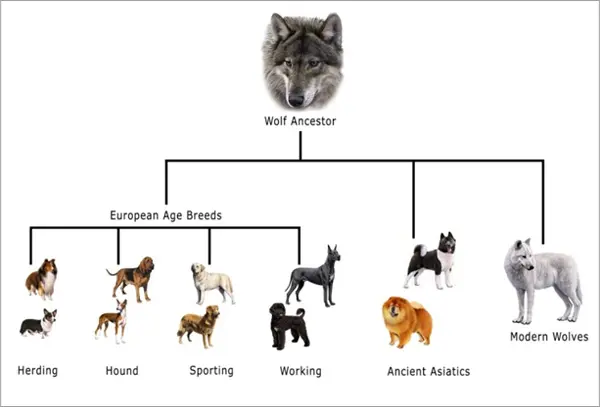
Credit: www.offleashk9training.com
Preparing For Breeding
Preparing for dog breeding requires careful thought and planning. It affects the health and well-being of both the mother and the puppies. Proper preparation increases the chance of a healthy litter. It also helps avoid common problems during pregnancy and birth.
Timing And Heat Cycles
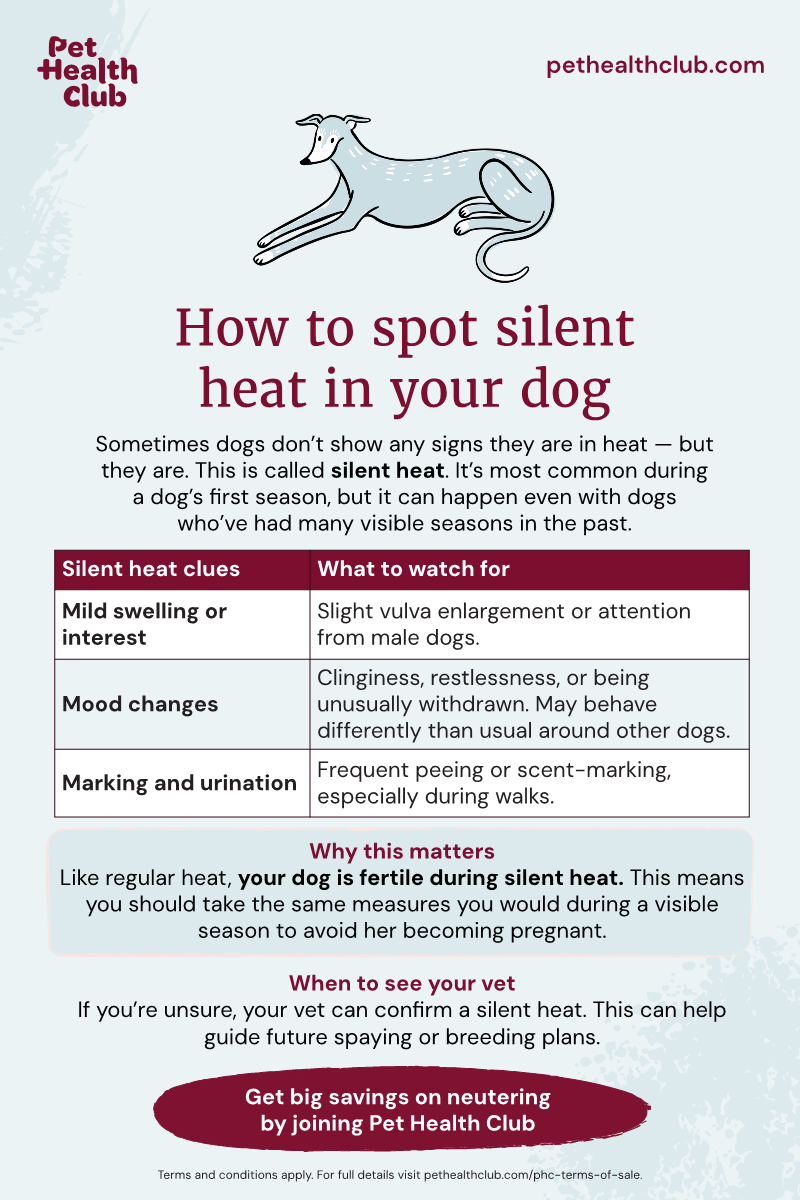
Female dogs have heat cycles about twice a year. Each cycle lasts about three weeks. The best time for breeding is during the estrus phase. This phase is when the female is fertile and ready to mate. Signs include swelling of the vulva and a change in behavior. Tracking heat cycles helps choose the right breeding time.
Nutrition And Care
Good nutrition is vital before breeding. Feed a balanced diet rich in vitamins and minerals. Healthy food supports fertility and overall health. Regular vet check-ups ensure the dog is fit to breed. Vaccinations and parasite control must be up to date. Stress reduction and gentle exercise also improve readiness.
Choosing A Mate
Selecting the right mate is important. Look for dogs with good health, temperament, and traits. Avoid breeding dogs with genetic problems. The goal is to produce strong and healthy puppies. Compatibility of size and breed helps prevent complications. Consult a vet or breeder for advice on mate selection.
Breeding Process
The breeding process is a careful and natural way to create new puppies. It involves selecting healthy dogs, understanding their cycles, and ensuring safe mating. Breeders watch their dogs closely to know the right time for breeding. The process needs patience and attention to detail to succeed.
Mating Techniques
Breeders use different mating techniques to help dogs mate successfully. The most natural way is to let dogs meet and mate on their own. Sometimes, breeders assist by guiding the dogs during mating. Timing is very important to increase chances of pregnancy. Observing the female’s heat cycle helps decide the best time for mating.
Signs Of Pregnancy
After mating, breeders look for signs showing the female is pregnant. Common signs include a bigger belly and changes in appetite. Some dogs become more tired or show nesting behavior. These signs appear a few weeks after successful mating. Regular vet visits confirm the pregnancy for better care.
Gestation Period
The gestation period is the time the female carries the puppies. It usually lasts around 58 to 68 days. During this time, the female needs good food and a quiet place to rest. Monitoring her health is important for the puppies’ growth. Preparing a safe whelping area helps the mother when the puppies arrive.

Credit: www.reddit.com
Whelping And Puppy Care
Whelping and puppy care are critical parts of dog breeding. This stage involves the birth of puppies and their first few weeks of life. Proper care at this time helps ensure healthy puppies and a safe environment for the mother.
Preparing The Whelping Area
Create a quiet, warm space for the mother to give birth. Use a clean box or pen with soft bedding. Keep the area free from drafts and distractions. Prepare towels, heating pads, and clean water nearby. This helps the mother feel safe and comfortable.
Labor And Delivery
Labor usually lasts several hours. Watch for signs like restlessness and nesting behavior. Puppies are born one by one, usually every 30 to 60 minutes. Help only if there are problems, such as long delays. Keep the environment calm and quiet during delivery.
Newborn Puppy Care
Check each puppy for breathing and warmth immediately after birth. Clean their airways if needed and dry them gently. Make sure puppies nurse from the mother soon after birth. Keep the whelping area warm, around 85°F (29°C). Monitor puppies daily for weight gain and health.
Raising Healthy Puppies
Raising healthy puppies is a key part of dog breeding. It ensures puppies grow strong and happy. Good care in early life helps dogs stay healthy for years. This section covers important steps to raise healthy puppies.
Socialization And Training
Socialization helps puppies learn to trust people and other dogs. Early exposure to sounds, sights, and gentle handling builds confidence. Training starts with simple commands like “sit” and “stay.” Positive reinforcement works best. Puppies that are well socialized become friendly, calm adults.
Vaccinations And Vet Visits
Vaccinations protect puppies from serious diseases. A vet will make a vaccination schedule. Regular vet visits check growth and health. Puppies need deworming and flea treatments too. Early health care prevents many common problems in dogs.
Weaning And Nutrition
Weaning is the process of moving puppies from mother’s milk to solid food. It starts around three to four weeks old. Feeding high-quality puppy food helps support growth. Puppies need balanced nutrition for strong bones and a healthy immune system. Fresh water must always be available.
Common Challenges
Dog breeding is a careful process. Breeders face many challenges that affect the dogs and their puppies. Understanding these challenges helps breeders make better choices. It also protects the health and well-being of the dogs.
Health Issues
Health problems are common in dog breeding. Some breeds have inherited diseases. These can include hip dysplasia, heart problems, and eye conditions. Breeders must test dogs for these issues. They should avoid breeding dogs with known genetic problems. This reduces the chance of passing illnesses to puppies.
Behavioral Concerns
Behavior problems can also arise in breeding. Some dogs may have poor temperaments or aggressive traits. These traits can be passed to puppies. Breeders need to choose dogs with good behavior. Socialization and training are important for puppies. This helps them grow into well-behaved pets.
Ethical Breeding Practices
Ethical breeding means putting dogs’ welfare first. Breeders should provide proper care and shelter. Overbreeding and poor living conditions harm dogs. Responsible breeders follow strict health and safety rules. They avoid breeding for profit alone. Respect for the dogs’ life and health is key in ethical breeding.
Expert Tips For Success
Success in dog breeding needs more than just love for dogs. It requires careful planning, learning, and smart habits. Following expert tips can make the breeding process easier and better. These tips help you keep track of your dogs, connect with others, and grow your knowledge over time.
Record Keeping
Good record keeping is key to successful dog breeding. Write down health details, breeding dates, and puppy information. Keep notes about each dog’s traits and behavior. This helps spot patterns and make better choices for future litters. Organized records save time and avoid mistakes.
Networking With Breeders
Building connections with other breeders brings many benefits. Share experiences and learn from their successes and challenges. Networking can help find good mates for your dogs. It also opens doors to advice and support. Join local clubs or online groups to meet breeders.
Continued Learning
Dog breeding rules and knowledge change often. Keep learning about genetics, dog care, and health tests. Attend workshops, read books, and follow trusted sources. Staying informed helps improve your breeding program. It also ensures better care for your dogs and puppies.
Credit: www.pethealthclub.com
Frequently Asked Questions
What Is The Basic Process Of Dog Breeding?
Dog breeding involves selecting two dogs with desired traits to mate. Breeders ensure health, temperament, and pedigree match. The goal is to produce healthy puppies with specific qualities or traits. Proper care and monitoring during pregnancy are essential for successful breeding.
How Do Breeders Choose Suitable Dogs For Mating?
Breeders select dogs based on health, temperament, and lineage. They avoid genetic diseases by reviewing health clearances. Compatibility in size and behavior is considered. This ensures puppies inherit positive traits and reduces risks of health problems.
What Health Tests Are Important Before Dog Breeding?
Health tests include screenings for genetic disorders and contagious diseases. Common tests cover hips, elbows, eyes, and heart. These tests prevent passing hereditary conditions to puppies. Responsible breeders prioritize health checks to promote long-term wellbeing.
How Long Is A Dog’s Gestation Period?
A dog’s gestation period lasts about 58 to 68 days. It varies slightly by breed and individual. During this time, the mother requires proper nutrition and veterinary care. Monitoring pregnancy helps ensure healthy puppies and mother.
Conclusion
Dog breeding involves careful planning and responsibility. Breeders choose pairs to keep healthy traits. They watch the dogs’ health and behavior closely. Good care helps puppies grow strong and happy. Breeding takes time, patience, and knowledge. It is important to respect the animals’ needs.
Responsible breeding helps maintain dog breeds well. Understanding this process helps people appreciate breeders’ work. Every step matters for healthy puppies and happy dogs.


