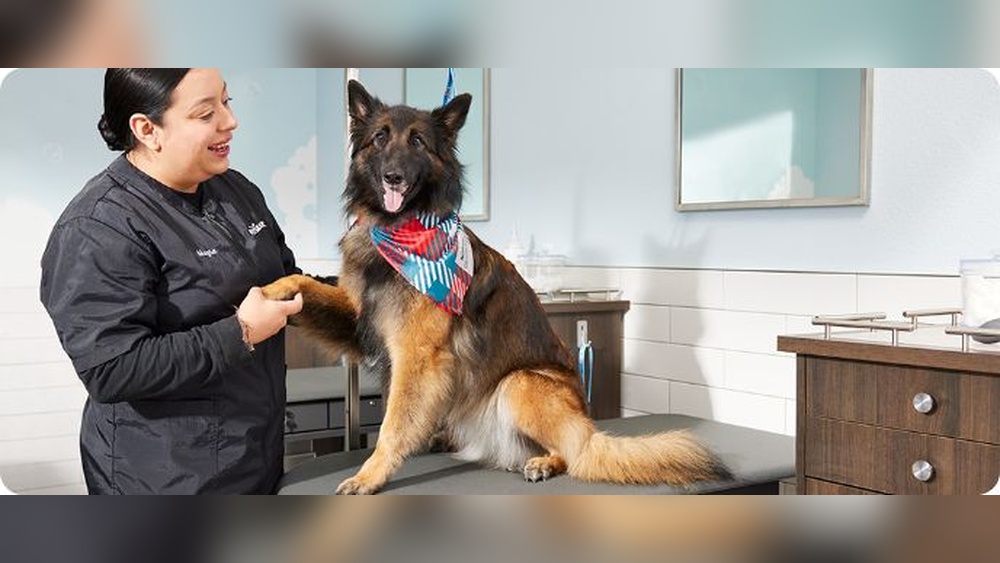
Have you ever wondered how to turn your love for dogs into a rewarding career? Becoming a dog groomer might be the perfect path for you.
Imagine spending your days pampering furry friends, making them look and feel their best while doing something you truly enjoy. But where do you start? What skills do you need, and how can you build a successful career in this growing field?
Keep reading, and you’ll discover simple, clear steps to become a confident and skilled dog groomer. Your journey to working with dogs in a fun and fulfilling way begins here.
Credit: x.com
Career Pathways
Choosing a career in dog grooming opens many paths. Each path offers unique chances to grow skills and work with animals. Understanding these options helps plan the best route for success.
Job Roles In Dog Grooming
Dog groomers work in various settings. Some find jobs at pet salons or vet clinics. Others may start mobile grooming businesses. Some groomers focus on show dogs or specific breeds. Each role requires special skills and care approaches.
Skills Needed
Patience is key when working with animals. Groomers need good hand-eye coordination for precise cutting. Communication skills help explain care to pet owners. Basic knowledge of dog behavior ensures safety. Physical stamina is important for long grooming sessions.
Daily Responsibilities
Groomers bathe and brush dogs to keep coats clean. They trim nails and clean ears carefully. Checking for skin problems is part of the job. Groomers style fur to match breed standards or owner wishes. Keeping tools and the workspace clean is essential.
Training Options
Choosing the right training option is important to start a career in dog grooming. Different paths offer different experiences and skills. You can learn through formal programs, hands-on apprenticeships, or flexible online courses. Each method helps build your knowledge and confidence.
Formal Education Programs
Formal education programs provide structured learning. These programs often take place at vocational schools or community colleges. Students learn grooming techniques, animal anatomy, and safety rules. Many programs include practical sessions with real dogs. Completing a formal program may improve job prospects and credibility.
Apprenticeships And Mentorships
Apprenticeships offer hands-on experience under an expert groomer. You work directly with a mentor to learn daily tasks. This path helps develop practical skills and problem-solving abilities. Apprenticeships usually last several months to a year. They provide real-world knowledge and build professional relationships.
Online Courses And Workshops
Online courses offer flexible learning from home. These courses cover grooming basics, tools, and techniques. Workshops may include video lessons and live demonstrations. Some programs provide certificates after completion. Online learning suits those with busy schedules or limited access to schools.
Certification And Licensing
Certification and licensing are important steps to become a professional dog groomer. They show your skill and knowledge to clients and employers. These credentials help you work legally and build trust with pet owners. Understanding the different certifications and local rules can guide your career path.
Industry Certifications
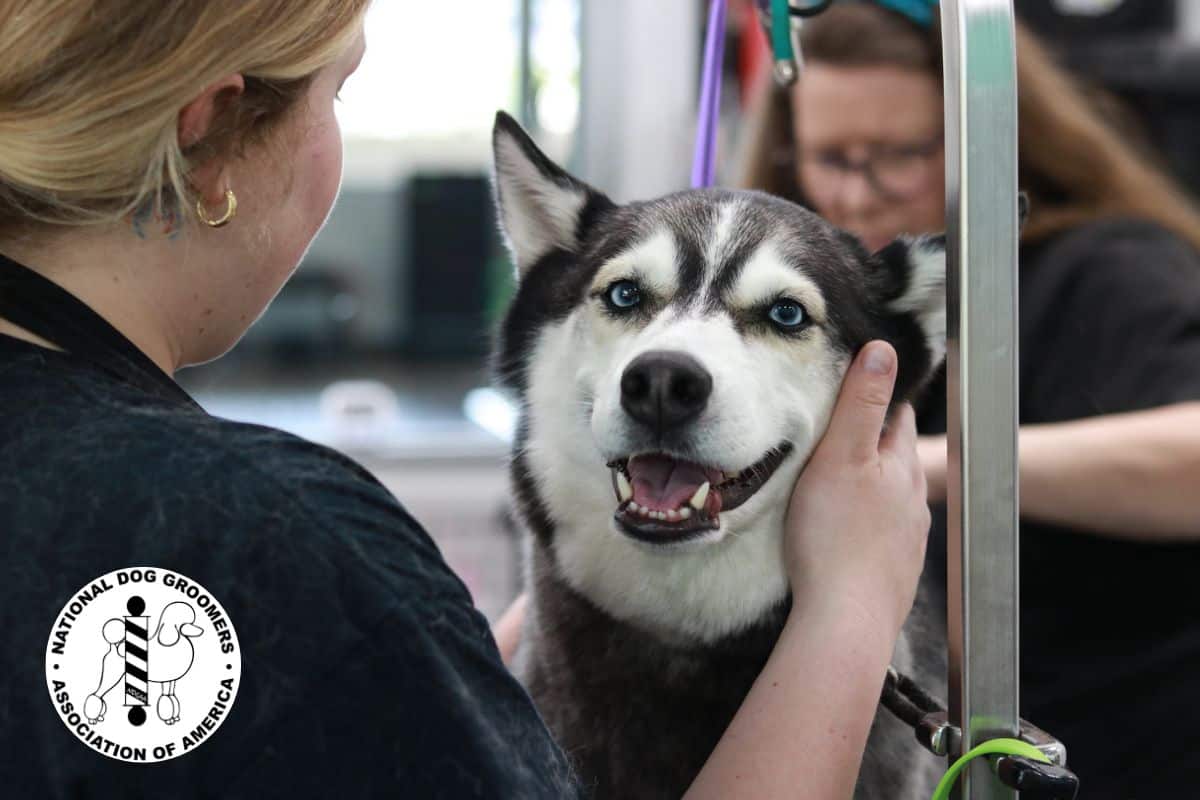
Industry certifications prove your grooming skills. Many organizations offer tests and courses. The National Dog Groomers Association of America (NDGAA) is popular. They provide a Certified Professional Groomer (CPG) certificate. This shows you meet high grooming standards.
Other groups also offer certificates. Choose the one that matches your career goals. Certification can increase your job chances and pay.
State And Local Requirements
Each state or city may have its own rules. Some require a special license to groom dogs. Others only ask for general business permits. Check your local government website for details.
Following these rules avoids fines and legal problems. It also ensures safety for pets and groomers.
Maintaining Credentials
Keeping your certification or license is important. Some require renewal every year or two. This may involve taking classes or passing tests again. Stay updated with the latest grooming techniques and safety rules.
Regular training keeps your skills sharp. It also shows your commitment to quality care.
Essential Tools
Starting a career as a dog groomer requires the right tools. These tools help you work safely and give dogs the best care. Knowing what to use is important for every groomer.
Tools come in different types. Some are for cutting and brushing. Others protect you and the dog. Choosing good tools makes your job easier and faster.
Grooming Equipment
Basic grooming tools include clippers, scissors, and brushes. Clippers help trim fur quickly and evenly. Scissors are for detailed cuts around paws and face.
Brushes remove loose hair and dirt. Different brushes suit different fur types. A slicker brush works well for thick coats. A pin brush is good for long hair.
Nail clippers keep the dog’s nails short and safe. A comb helps find tangles and mats. Choose tools that feel comfortable in your hand.
Safety Gear
Safety gear protects you and the dog during grooming. Use gloves to avoid cuts and scratches. A grooming table with a no-slip surface keeps dogs steady.
Wear an apron to keep your clothes clean. Ear covers or cotton balls protect dogs from loud noises. A muzzle may be needed for nervous dogs.
Keep first aid supplies nearby. Quick action helps if an accident happens. Safety gear reduces risks and makes grooming smooth.
Product Recommendations
Use gentle shampoos made for dogs’ skin. Avoid human shampoos as they can cause irritation. Choose conditioners that soften and detangle fur.
Have sprays that protect from fleas and ticks. Use deodorizing sprays to keep dogs fresh. Quality products improve the dog’s comfort and your results.
Invest in brands known for safety and effectiveness. Read labels to check for harmful chemicals. Select products suited for different dog breeds and skin types.
Building Experience
Building experience is essential to become a skilled dog groomer. It helps you learn practical skills and understand dog behavior better. Hands-on experience also boosts your confidence and prepares you for real work situations. There are several ways to gain this experience, including internships, working in salons, and creating a portfolio.
Internships And Volunteering
Internships offer a chance to work under expert groomers. You get to observe techniques and assist in grooming tasks. Volunteering at animal shelters lets you practice basic grooming and care. Both options provide valuable experience without a high cost. They help you build skills and show your commitment to this career.
Working In Salons
Working in a grooming salon lets you learn faster. You handle different dog breeds and grooming styles. Salons also teach you customer service and business skills. Start with entry-level jobs like cleaning or assisting. Gradually, take on more grooming responsibilities as you improve.
Creating A Portfolio
A portfolio shows your best grooming work. Take clear photos of dogs before and after grooming. Include different styles and breed-specific cuts. This portfolio helps you get clients or job offers. Keep updating it as you gain more experience and skills.

Credit: m.youtube.com
Starting Your Own Business
Starting your own dog grooming business is an exciting step. It gives you control over your work and the chance to build a loyal client base. Success depends on careful planning, smart marketing, and good client care. Each part plays a key role in growing your business and keeping customers happy.
Business Planning
Begin with a clear plan. Decide what services you will offer. Set prices that cover costs and bring profit. Find a good location or consider mobile grooming. Plan your budget for equipment, supplies, and rent. Think about permits and licenses required in your area. Write down your goals and timelines. A solid plan guides your daily actions and decisions.
Marketing Strategies
Spread the word about your business. Use social media to show before-and-after photos. Ask happy clients to leave reviews. Create flyers and post them in local pet shops or vet clinics. Offer discounts for first-time customers. Network with other pet professionals for referrals. Consistent marketing helps attract new clients and builds your reputation.
Client Management
Build strong relationships with your clients. Keep clear records of each pet’s grooming history. Communicate well about appointments and special needs. Be friendly and professional at all times. Listen to client feedback and improve your services. Happy clients return and tell others about your business. Great client management creates trust and loyalty.
Challenges And Solutions
Becoming a dog groomer comes with its own set of challenges. Knowing these challenges helps you find good solutions. This way, you can work better and enjoy your job more.
Every dog groomer faces some obstacles. Learning how to handle them is key to success. Below are common challenges and ways to manage them well.
Common Obstacles
One common obstacle is dealing with nervous or scared dogs. They can be hard to calm down. Some dogs resist grooming or try to run away. Groomers also face physical strain from standing and bending for hours. Tools can break or get dull quickly. Scheduling many appointments in a day can cause stress too.
Handling Difficult Dogs
Patience works best with difficult dogs. Speak softly and move slowly. Use treats to encourage good behavior. Taking breaks helps dogs relax. Learn dog body language to understand fear or pain signs. Use safe restraint techniques to keep dogs calm and safe. Training in animal behavior improves handling skills greatly.
Time Management Tips
Plan your day carefully to avoid rushing. Set realistic time limits for each appointment. Keep your tools and supplies ready before each session. Use a calendar or app to track bookings clearly. Take short breaks to rest and stay focused. Prioritize tasks and avoid distractions. Good time management leads to better service and less stress.
Career Growth
Career growth in dog grooming offers many paths. The field is broad and allows skill building. With experience, groomers can earn more and gain respect. Developing new skills helps stay competitive. The industry values those who keep learning and improving.
Many groomers start with basic skills but later choose to specialize. Others expand their knowledge through classes and workshops. Networking with other professionals opens doors. Growing as a groomer means more than just cutting hair.
Advanced Specializations
Specializing in a niche can increase job opportunities. Some groomers focus on show dogs or specific breeds. Others learn to handle pets with special needs. Grooming for competitions requires detailed skills and patience. These specializations often lead to higher pay.
Continuing Education
Taking courses keeps skills fresh and updated. New grooming techniques and tools appear often. Learning about pet health and safety is vital. Many groomers attend workshops or online classes regularly. This education improves service quality and client trust.
Networking Opportunities
Meeting other groomers helps share tips and advice. Joining professional groups or clubs builds connections. Events and seminars are great for meeting experts. Networking can lead to job offers or partnerships. It helps groomers stay informed about industry trends.
Credit: www.theacademyofpetcareers.com
Frequently Asked Questions
What Skills Are Needed To Become A Dog Groomer?
Dog groomers need patience, attention to detail, and good communication skills. They must handle dogs gently and safely while grooming.
How Long Does It Take To Become A Dog Groomer?
Training typically takes 3 to 6 months through courses or apprenticeships. Experience improves skills over time with hands-on practice.
Do Dog Groomers Need Certification Or Licenses?
Certification requirements vary by location. Many groomers obtain certification to boost credibility and improve job prospects.
What Tools Are Essential For Professional Dog Grooming?
Basic tools include clippers, scissors, brushes, combs, and nail trimmers. Quality tools ensure safe and effective grooming.
Conclusion
Becoming a dog groomer takes patience and practice. Start by learning basic grooming skills and caring for pets. Training courses can help build confidence and knowledge. Working with experienced groomers offers valuable hands-on experience. Keep improving your skills to serve dogs better.
This career allows you to work with animals daily. It offers both fun and challenges. Follow these steps, and you can enjoy a rewarding job as a dog groomer. Stay dedicated and love what you do. Success will come with time and effort.