

Have you ever wondered how K9 dogs become the incredible partners they are? These dogs don’t just start off knowing how to track scents or protect their handlers—they go through special training that sharpens their natural skills.
If you want to understand what makes these dogs so reliable and smart, you’re in the right place. By the end of this article, you’ll see exactly how K9 dogs are trained to perform amazing tasks, and you’ll appreciate the hard work and dedication behind every well-trained K9.
Ready to discover the secrets behind their training? Let’s dive in.

Credit: www.bestlife4pets.com
Selection Of K9 Candidates
Selecting the right dog is the first step in training a successful K9. Not every dog can become a good working partner. Trainers must choose dogs with the best traits for the job. This careful selection sets the foundation for effective training and strong teamwork.
Choosing the right candidate helps ensure the dog can handle the physical and mental demands. Trainers look at many factors before deciding which dog will move forward in the training program.
Traits Of Ideal K9s
Ideal K9s have high energy and strong focus. They need to stay alert for long hours. Intelligence is key for quick learning and problem-solving. Courage and confidence help the dog face new challenges. Loyalty and a strong bond with the handler improve teamwork. Good K9s also show strong drive to work and please their handler.
Breed Considerations
Certain breeds excel as K9s due to their natural abilities. German Shepherds and Belgian Malinois are popular choices. These breeds have strong work ethics and physical strength. Labrador Retrievers often work in detection roles because of their keen sense of smell. Breeds must match the job’s physical and mental demands. The right breed helps trainers achieve the best results.
Health And Temperament Checks
Health is critical for K9 candidates. Dogs must have strong bones, good eyesight, and sharp hearing. Temperament tests check how dogs react to people and new environments. Calm but alert dogs perform best. Temperament also shows how well a dog handles stress. Only healthy dogs with stable temperaments move forward in training.
Credit: k9department.com
Basic Obedience Training
Basic obedience training lays the foundation for all K9 dogs. It teaches them essential commands and good behavior. This training helps dogs understand what handlers expect. It builds a strong start for more complex skills later.
Commands And Responses
K9 dogs learn simple commands like sit, stay, and come. Each command has a clear meaning. Dogs must respond quickly and correctly. Trainers use short, firm words to avoid confusion. Consistent practice helps dogs remember commands. Clear signals guide the dog’s actions every time.
Positive Reinforcement Methods
Positive reinforcement rewards good behavior. Treats, praise, and petting encourage dogs to obey. This method makes training fun and effective. Dogs want to repeat actions that bring rewards. Harsh punishments are avoided to keep trust. Trainers reward small steps toward the goal.
Building Trust And Bonding
Trust is key in K9 training. Dogs must feel safe and respected. Trainers spend time playing and caring for dogs. This builds a strong bond between them. A dog that trusts its handler listens better. The bond helps in difficult training moments. It makes the dog loyal and focused.
Specialized Skill Development
K9 dogs receive special training to develop unique skills. These skills help them perform important jobs. Trainers focus on building abilities suited for different tasks. The dogs learn through practice and clear commands. This section explores three key skills K9 dogs develop.
Tracking And Scent Detection
K9 dogs have a powerful sense of smell. Trainers teach them to follow scent trails. This skill helps find missing people or suspects. Dogs learn to focus on one scent among many. They practice with different smells and environments. Success depends on patience and consistent training.
Protection And Apprehension
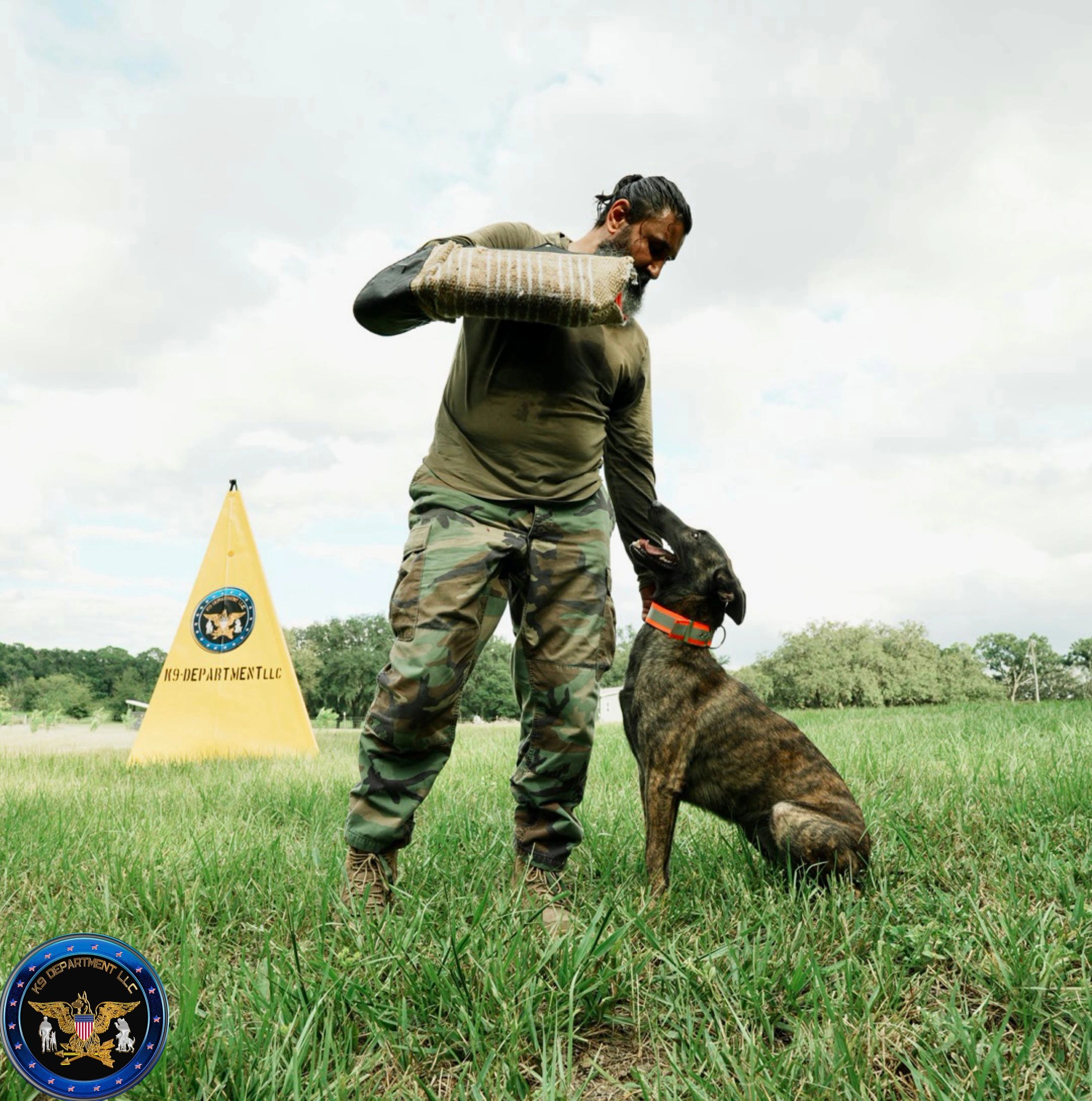
Protection training prepares dogs to guard and defend. Trainers teach controlled biting and holding techniques. Dogs learn to respond only to commands. This training keeps both the dog and handler safe. It also helps to stop threats quickly. Regular drills build confidence and control.
Search And Rescue Techniques
Search and rescue dogs find people in disaster areas. They learn to work in tough conditions. Training includes locating people under rubble or in forests. Dogs use their senses and follow cues from handlers. Teamwork is essential for successful rescues. Practice scenarios simulate real emergencies for readiness.
Training Tools And Equipment
Training K9 dogs needs special tools and equipment. These tools help trainers teach commands clearly and keep dogs safe. Using the right gear makes training easier and more effective. Each piece has a purpose in the dog’s learning process.
Harnesses And Leashes
Harnesses give better control than collars. They fit around the dog’s chest and shoulders. This reduces strain on the neck during training. Leashes connect the dog to the trainer. They come in different lengths for various exercises. Long leashes help with recall training. Short leashes keep the dog close in crowded places.
Training Aids
Training aids include clickers, treat pouches, and target sticks. Clickers make a sharp sound to mark good behavior. Treat pouches hold rewards for quick access. Target sticks help dogs focus on specific spots. These aids speed up learning and keep dogs motivated.
Safety Gear
Safety gear protects both the dog and trainer. Muzzle guards prevent biting during aggressive training. Protective gloves shield trainers’ hands from scratches. Boots can protect dogs’ paws on rough surfaces. Safety gear ensures training is safe and stress-free.
Role Of Handlers In Training
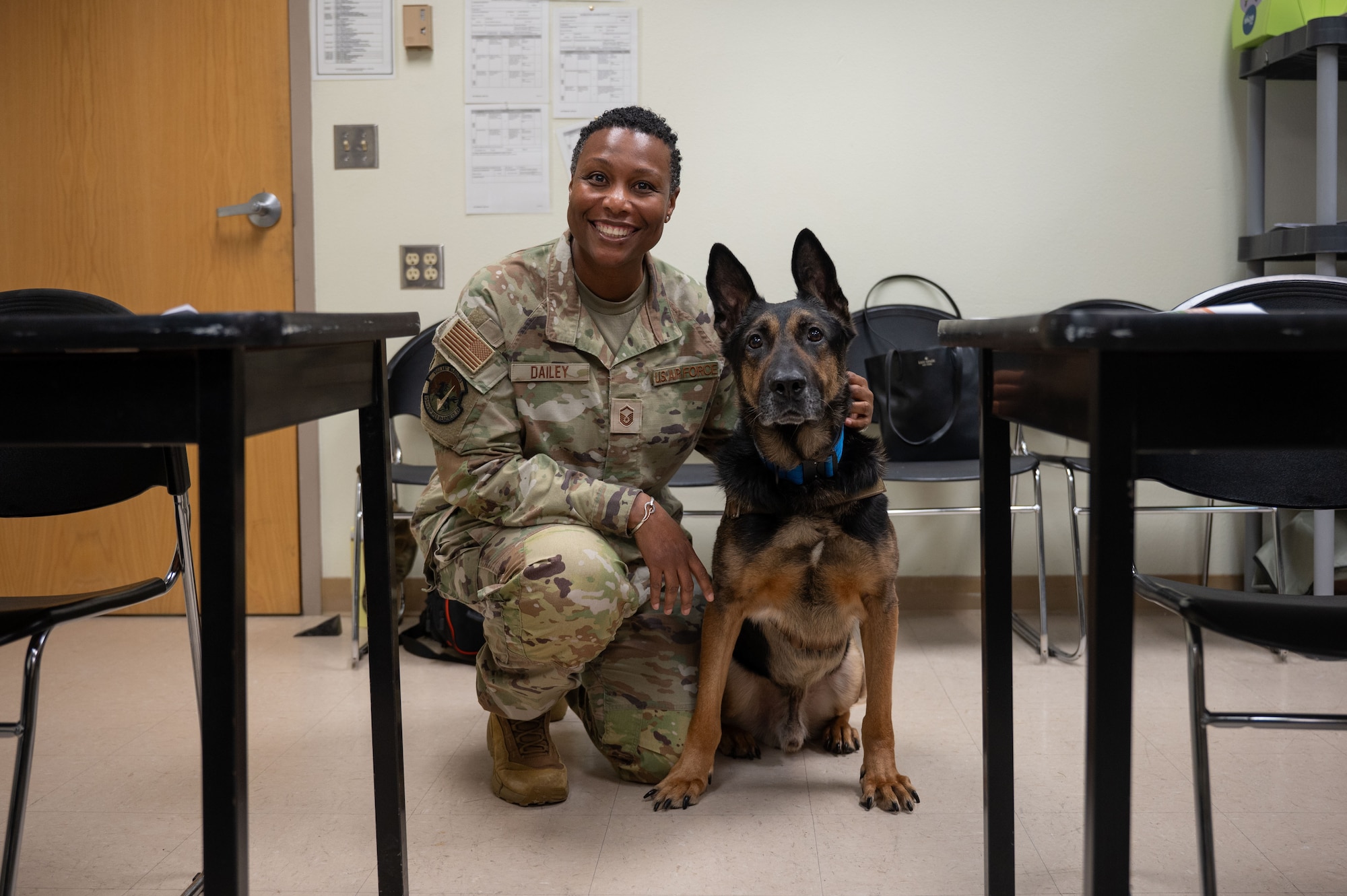
The handler plays a key role in training K9 dogs. They guide the dog through every step. Their actions shape how the dog learns and reacts.
Handlers build trust and respect with their dogs. This connection is the base for all training. Without it, the dog may not respond well.
Handler-k9 Communication
Clear communication between handler and dog is vital. Handlers use voice commands, body language, and signals. Dogs learn to understand these cues quickly.
Consistent signals help dogs know what is expected. Handlers must be patient and precise. This ensures the dog stays focused and confident.
Consistent Training Routines
Regular training sessions help dogs learn faster. Handlers keep routines steady and predictable. Dogs thrive on repetition and clear structure.
Consistency reduces confusion and builds strong habits. Handlers repeat commands and rewards in the same way. This strengthens the dog’s skills over time.
Handling Challenges
Training K9 dogs is not always easy. Handlers face distractions, stress, and resistance. They must stay calm and adapt quickly.
Problem-solving is part of the handler’s job. They find new ways to motivate and teach the dog. Patience and persistence lead to success.
Credit: www.jber.jb.mil
Maintaining Skills And Ongoing Training
K9 dogs must keep their skills sharp for effective work. Training does not stop after basic lessons. Ongoing practice helps dogs stay ready for all tasks. Handlers work closely with dogs to maintain high performance. Consistent training builds confidence and trust between dog and handler.
Regular Drills
Regular drills keep dogs alert and focused. These drills include obedience commands and task-specific exercises. Routine practice prevents skill loss over time. Drills mimic real-life situations dogs may face. This keeps training fresh and practical.
Performance Evaluations
Handlers assess dogs regularly to check their abilities. Evaluations identify strengths and areas needing improvement. Trainers use tests to measure skill levels. Honest feedback guides future training sessions. This process ensures dogs perform well under pressure.
Adapting To New Tasks
K9 dogs must learn new skills as needs change. Training adapts to new threats or environments. Dogs may learn to detect different scents or follow new commands. Flexibility in training keeps dogs useful in many roles. This helps teams respond to evolving challenges.
Frequently Asked Questions
How Long Does K9 Dog Training Take?
K9 dog training usually takes 12 to 16 weeks. The time depends on the dog’s breed, age, and the training type. Consistent practice and positive reinforcement speed up learning. Specialized skills may require extra training time.
What Techniques Are Used In K9 Dog Training?
Trainers use positive reinforcement, repetition, and reward-based methods. Commands are taught with treats and praise. Socialization and obedience exercises are key. Advanced training includes scent detection and agility drills.
At What Age Are K9 Dogs Trained?
Training often begins at 8 weeks old. Early training helps build good habits and social skills. Puppies learn basic commands quickly. Adult dogs can also be trained but may need more patience.
What Skills Do K9 Dogs Learn?
K9 dogs learn obedience, agility, scent detection, and protection. They also master tracking, search and rescue, and suspect apprehension. Training focuses on discipline, control, and teamwork with handlers.
Conclusion
Training K9 dogs takes patience and clear steps. Trainers use rewards to teach good behavior. Dogs learn tasks through repeated practice every day. They build trust with their handlers to work well. This training helps dogs protect and assist people safely.
Watching K9 dogs in action shows their strong skills. These dogs play a key role in law enforcement. Their training makes them ready for many tough jobs. Understanding this process shows how special and smart K9 dogs are.

