

Have you ever wondered what makes your dog’s food truly healthy? Understanding how dogs’ nutritional needs are determined can help you choose the best diet for your furry friend.
It’s not just about picking any bag of dog food off the shelf—there’s a science behind what your dog really requires to stay happy and strong. Keep reading, and you’ll discover the key factors that shape your dog’s diet, so you can make smarter, healthier choices every time.
Credit: www.supremesourcepet.com
Factors Influencing Dog Nutrition
Dogs need different nutrients in different amounts. Their nutrition depends on many factors. These factors help decide the right food type and portion. Understanding these can keep dogs healthy and happy.
Breed And Size
Small breeds need less food but more calories per pound. Large breeds require more food but fewer calories per pound. Some breeds have special needs. For example, active breeds need more protein and energy.
Age And Life Stage
Puppies need more nutrients for growth and energy. Adult dogs require balanced nutrition for maintenance. Older dogs need fewer calories but more vitamins and minerals. Life stage guides the type of food given.
Activity Level
Active dogs burn more calories daily. They need higher energy and protein levels. Less active dogs require fewer calories to avoid weight gain. Exercise routines affect nutrition needs greatly.
Health Conditions
Health problems change nutrition needs. Dogs with allergies may need special diets. Dogs with kidney issues need lower protein. Always consider health when planning a dog’s diet.
Key Nutrients For Dogs
Dogs need many different nutrients to stay healthy and active. These key nutrients support their growth, energy, and overall well-being. Understanding these helps you provide the best diet for your dog.
Proteins And Amino Acids
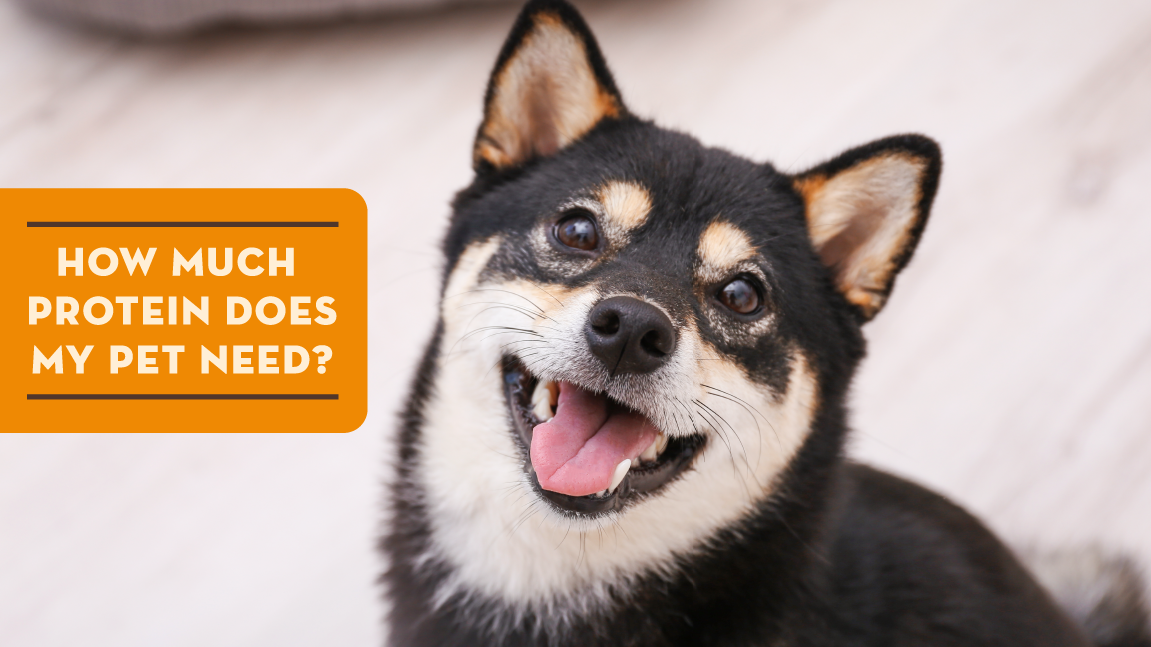
Proteins build and repair tissues in a dog’s body. They also create important enzymes and hormones. Amino acids are the building blocks of protein. Dogs need essential amino acids from their food. Good protein sources include meat, fish, and eggs.
Fats And Fatty Acids
Fats supply energy and help absorb vitamins. They also keep a dog’s skin and coat healthy. Essential fatty acids like omega-3 and omega-6 support brain and heart health. Sources include fish oil, chicken fat, and flaxseed.
Carbohydrates
Carbohydrates provide a quick source of energy. They also help with digestion by adding fiber. Whole grains, vegetables, and fruits are common carb sources for dogs. Carbs should be balanced to avoid weight gain.
Vitamins And Minerals
Vitamins and minerals support many body functions. They help with bone growth, immune health, and blood clotting. Dogs need vitamins like A, D, E, and minerals like calcium and iron. These come from a variety of foods or supplements.
Water Requirements
Water is essential for all living creatures, including dogs. It aids digestion, regulates body temperature, and removes waste. Dogs need fresh water daily to stay hydrated. The amount varies based on size, diet, and activity level.
Methods To Assess Nutritional Needs
Determining a dog’s nutritional needs requires careful assessment. Experts use several methods to understand what each dog requires to stay healthy. These methods help tailor diets to suit age, size, and activity level. Knowing the right approach ensures dogs get the nutrients they need without excess or deficiency.
Body Condition Scoring
Body condition scoring (BCS) is a simple way to check a dog’s weight and fat. It uses a scale, usually from 1 to 9, to rate the dog’s body shape. Scores around 4 or 5 mean ideal weight. Scores below suggest underweight, above suggest overweight. This method helps adjust food amounts and types.
Metabolic Rate Analysis
Metabolic rate analysis measures how fast a dog burns energy. Dogs with high rates need more calories. Those with slower rates need fewer calories. This method involves calculating resting energy needs. It helps set the right portion sizes for meals.
Laboratory Testing
Laboratory tests check blood, urine, and other samples. These tests reveal nutrient levels and possible deficiencies. Vets use results to recommend specific vitamins or minerals. Testing can catch problems before symptoms show.
Dietary Trials
Dietary trials involve feeding dogs specific diets for weeks or months. Observations track health, weight, and activity changes. This method shows which foods work best for each dog. It helps find diets that improve well-being and energy.
Role Of Veterinary Nutritionists
Veterinary nutritionists play a key role in determining a dog’s nutritional needs. They use science to create diets that keep dogs healthy. Their work supports pet owners and vets by giving clear, safe nutrition advice.
Formulating Diet Plans
Nutritionists design diet plans based on a dog’s age, size, and health. They balance proteins, fats, and carbohydrates to meet energy needs. These experts also add vitamins and minerals for overall health. Each plan fits the specific lifestyle and activity level of the dog.
Monitoring Nutritional Status
Regular check-ups help nutritionists track a dog’s health and nutrition. They look for signs of deficiencies or excesses. Blood tests and body condition scores guide adjustments in diet. This monitoring prevents health problems and supports long-term wellness.
Addressing Special Dietary Needs
Some dogs need special diets due to illness or allergies. Nutritionists create customized food plans for these conditions. They focus on safe ingredients and proper nutrient balance. Special diets improve quality of life and support recovery.
Commercial Vs. Homemade Diets
Choosing the right diet for dogs is essential to meet their nutritional needs. Commercial and homemade diets are two common options. Each has unique benefits and challenges that affect a dog’s health. Understanding these differences helps in making the best choice for your pet.
Nutritional Completeness
Commercial diets are made to be complete. They contain all nutrients dogs need in correct amounts. Labels often show guaranteed analysis. This helps ensure balanced nutrition. Homemade diets may lack some vitamins or minerals. Without expert guidance, important nutrients can be missed. Supplements might be needed to fill gaps.
Safety And Quality Control
Commercial foods must follow strict safety rules. They undergo testing to avoid contamination. Ingredients are sourced and checked for quality. Homemade diets rely on the owner to keep food safe. Proper cooking and storage are critical. Mistakes can lead to harmful bacteria or spoiled food. This affects the dog’s health.
Customization Possibilities
Homemade diets allow for more control over ingredients. Special needs, allergies, or preferences can be addressed. Owners can choose fresh, natural foods. Commercial diets offer limited flavors and formulas. Some brands provide options for specific health issues. But homemade meals offer more flexibility and variety.

Credit: www.gallant.com
Common Nutritional Challenges
Dogs need the right balance of nutrients to stay healthy. Many face common nutritional challenges that affect their well-being. These issues can cause health problems if not managed properly. Understanding these challenges helps in providing the best care for your dog.
Obesity And Weight Management
Obesity is a common problem in dogs. It happens when dogs eat more calories than they burn. Excess weight strains their heart and joints. It can cause diabetes and other diseases. Proper portion control and regular exercise help keep dogs fit. Choosing the right food with balanced calories is important.
Food Allergies And Sensitivities
Some dogs react to certain foods. Allergies cause itching, swelling, or stomach upset. Common triggers include beef, dairy, and grains. Sensitivities can lead to long-term health issues. Identifying problem foods is key. Special diets or hypoallergenic food may be needed.
Nutrient Deficiencies And Excesses
Dogs need vitamins, minerals, proteins, and fats in the right amounts. Deficiencies weaken their immune system and growth. Too much of some nutrients can harm organs. A balanced diet prevents these problems. Consult a vet to adjust your dog’s diet correctly.
Emerging Trends In Canine Nutrition
Canine nutrition is evolving with new ideas and research. Experts now focus on diets that fit each dog’s unique needs. This change helps dogs stay healthier and happier. Nutrition is no longer one-size-fits-all.
Pet owners and vets explore fresh ways to improve dog diets. These trends include personalizing meals, adding supplements, and choosing sustainable foods. Each trend aims to support dogs better.
Personalized Nutrition
Every dog has different needs based on age, breed, and health. Personalized nutrition creates meals tailored to these factors. This approach improves digestion and energy levels. It also helps prevent diseases by feeding dogs what they truly need.
Use Of Supplements
Supplements add vitamins and minerals that may be missing in food. Omega-3 fatty acids, probiotics, and antioxidants are common choices. These help support joints, skin, and immune health. Supplements make diets more complete and balanced.
Sustainability And Ethical Choices
Pet owners care about how dog food affects the planet. Sustainable ingredients use fewer resources and create less waste. Ethical choices include using human-grade proteins and eco-friendly packaging. This trend helps protect the environment while feeding dogs well.
Credit: europeanpetfood.org
Frequently Asked Questions
How Do Vets Determine A Dog’s Nutritional Needs?
Vets assess a dog’s age, weight, breed, and health status. They consider activity level and any medical conditions. This helps create a balanced diet tailored to the dog’s unique requirements.
What Role Does A Dog’s Age Play In Nutrition?
Age affects metabolism and nutrient requirements. Puppies need more protein and calories for growth. Senior dogs require fewer calories but more fiber and joint support nutrients.
How Does Breed Influence Dog Nutrition?
Different breeds have unique metabolic rates and health risks. Large breeds need joint-supporting nutrients. Small breeds require calorie-dense food due to higher metabolism.
Why Is Activity Level Important In Diet Planning?
Active dogs burn more calories and need extra energy. Sedentary dogs need fewer calories to prevent obesity. Adjusting food intake ensures healthy weight maintenance.
Conclusion
Determining a dog’s nutritional needs depends on many factors. Age, size, and activity level all matter. Dogs need the right balance of proteins, fats, and vitamins. Experts study these needs to keep dogs healthy. Feeding dogs properly helps them live longer and feel better.
Always pay attention to your dog’s unique needs. Good nutrition supports strong bones, shiny coats, and bright eyes. A healthy diet keeps dogs happy and active every day. Understanding these basics helps you care for your furry friend well.


