

Do you ever wonder what makes your dog truly happy? Understanding happy dog behavior is the key to a stronger bond and a joyful life together.
When you recognize the signs of a content pup, you can give your furry friend exactly what they need. You’ll discover simple, clear ways to spot happiness in your dog and learn how to keep that wagging tail going every day.
Ready to unlock the secrets of your dog’s joy? Let’s dive in!
Body Language Clues
Dogs share their feelings mostly through body language. Understanding these clues helps you see when your dog is happy. A few simple signs show a happy dog clearly. Watch your dog’s body to know how it feels.
Relaxed Posture
A happy dog holds a loose, relaxed body. Its muscles are soft, not tight or stiff. The dog may lie down or stand calmly. It does not seem tense or ready to run. This relaxed posture shows comfort and trust.
Wagging Tail
The tail often tells a dog’s mood. A happy dog wags its tail gently and evenly. The wag is not too fast or too slow. The tail usually stays at mid-level or slightly higher. This kind of wag means the dog feels safe and joyful.
Soft Eyes
Happy dogs have soft, relaxed eyes. Their eyelids may be slightly closed or half-open. The eyes look calm and gentle, not wide or staring. This softness means the dog is content and peaceful.

Credit: www.amazon.com
Vocal Expressions
Dogs use sounds to share their feelings. Their voices tell us when they are happy or want to play. Understanding these sounds helps us connect with our pets better. These vocal expressions are a key part of happy dog behavior.
Happy Barking
Happy barking is short and sharp. It sounds bright and excited. Dogs use it to greet people or other dogs. This bark is not loud or harsh. It shows joy and eagerness to interact.
Playful Whining
Playful whining is soft and high-pitched. Dogs make this sound during playtime. It signals fun and excitement. Sometimes, it asks for attention or a toy. This whining is never loud or angry.
Contented Sighs
Contented sighs are deep and relaxed. Dogs sigh when they feel safe and calm. It often happens after resting or cuddling. This sound means the dog is happy and at peace. A contented sigh is a sign of trust.
Playful Actions
Playful actions are a clear sign of a happy dog. Dogs show joy and comfort through their play. Watching these actions helps owners understand their pets better. Play is not just fun; it builds trust and bonds between dogs and humans. It also keeps dogs healthy and active. Observe your dog’s playful behavior to connect deeply.
Engaging In Play
Happy dogs love to play with toys or other dogs. They run, jump, and chase eagerly. Play helps dogs use their energy in a good way. It reduces stress and boredom in dogs. Playful dogs often invite others to join their fun. Their body language is loose and relaxed. This shows they feel safe and joyful.
Fetching And Chewing
Fetching is a favorite game for many dogs. They enjoy chasing balls or sticks and bringing them back. Chewing is another playful act that makes dogs happy. It helps clean their teeth and relieve stress. Chewing on toys is better than chewing on furniture. Both fetching and chewing keep dogs busy and content. These actions show a dog’s playful spirit.
Inviting Interaction
Dogs invite interaction in many ways. They may nudge you with their nose or paw. Some dogs bring toys to you as a play invitation. Tail wagging and bright eyes also signal happiness. These actions say, “Let’s play together.” Interaction strengthens the bond between you and your dog. Responding to these signs keeps your dog happy.
Eating And Sleeping Habits
Eating and sleeping habits reveal a lot about a dog’s happiness. Dogs with good habits show comfort and trust in their home. These habits keep them healthy and full of energy. Watching how your dog eats and sleeps helps you understand their mood and well-being.
Healthy Appetite
A happy dog enjoys their meals and eats with interest. They finish their food without hesitation or fuss. A steady appetite means they feel safe and well. Sudden changes in eating can signal stress or illness. Dogs that eat regularly have better digestion and energy.
Relaxed Sleep Patterns
Calm sleep is a strong sign of a happy dog. They find a cozy spot and rest deeply for hours. Dogs wake up refreshed and ready to play or walk. Restless or broken sleep shows worry or discomfort. Good sleep supports a dog’s mood and health.
Social Behavior
Dogs show their happiness in many ways. One key way is through their social behavior. Happy dogs enjoy being around others. They share feelings through actions and sounds. Understanding these social signs helps build a strong bond with your pet.
Seeking Affection
Happy dogs look for love and attention. They nudge you with their nose or paw. Sometimes, they rest their head on your lap. This shows trust and a need for closeness. They feel safe and calm near you.
Friendly With Other Pets
Happy dogs get along well with other animals. They play, sniff, and share space easily. Friendly dogs avoid fights and show gentle behavior. This helps keep peace in multi-pet homes. They enjoy having friends around.
Comfort Around People
Happy dogs feel relaxed with people. They wag their tails and keep eye contact. They do not hide or act scared. Comfort means they trust and like their humans. This makes training and care easier.

Credit: www.hillspet.com
Signs Of Stress To Watch
Dogs show stress in many ways. Recognizing these signs helps keep your dog happy and safe. Stress can cause health problems if ignored. Watch your dog closely for these common signs.
Avoidance
Avoidance means your dog tries to stay away from things. It may hide or turn its head. Your dog might refuse to make eye contact. This behavior shows discomfort or fear.
Excessive Panting
Dogs pant to cool down. But heavy panting without exercise signals stress. It often happens in noisy or crowded places. Watch for rapid breathing and a tense body.
Restlessness
Restlessness means your dog cannot sit still. It may pace or shift weight often. This shows anxiety or nervousness. Restless dogs need calm and comfort quickly.
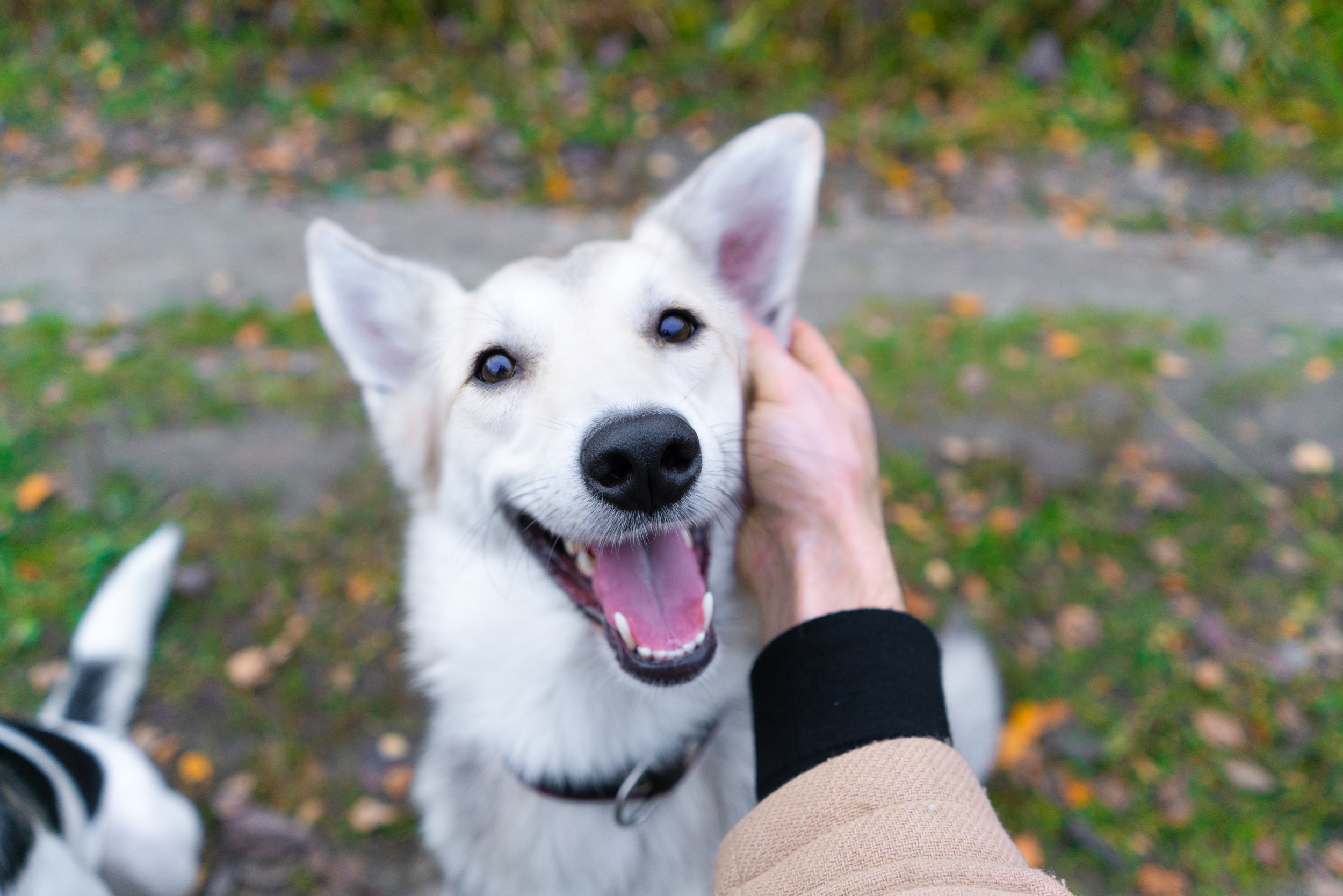
Credit: www.newsweek.com
Frequently Asked Questions
What Are Common Signs Of Happy Dog Behavior?
Happy dogs often wag their tails, have relaxed bodies, and show playful energy. They may also lick their owners and maintain eye contact, signaling comfort and joy.
How Can I Tell If My Dog Feels Safe And Happy?
A happy dog feels safe when they relax around you, sleep well, and eagerly greet you. Calm behavior and a wagging tail are clear happiness indicators.
Why Does My Dog Wag Its Tail When Happy?
Tail wagging is a dog’s natural way to express happiness and friendliness. The speed and position of the wag can show different emotions.
Can Happy Dog Behavior Improve With Regular Exercise?
Yes, regular exercise boosts a dog’s mood, reduces stress, and encourages positive behavior. Happy dogs are often more active and engaged.
Conclusion
Happy dogs show joy through their actions and moods. Understanding their behavior helps build strong bonds. Play, love, and care keep dogs happy and healthy. Watch for signs like wagging tails and relaxed bodies. A happy dog makes life brighter and more fun.
Keep learning about your dog’s needs every day. Small efforts bring big smiles to your furry friend. Enjoy the journey of sharing happiness with your dog.

