

Getting a Goldendoodle puppy is exciting, but training them can feel overwhelming. You want your furry friend to grow up happy, well-behaved, and easy to handle.
The good news? With the right tips, training your Goldendoodle can be a smooth and rewarding experience. This guide is packed with simple, effective advice that you can start using today. Keep reading to discover how to build a strong bond with your puppy and set them up for a lifetime of good behavior.
Choosing The Right Training Approach
Choosing the right training approach for your Goldendoodle puppy shapes their learning and behavior. Each puppy is unique and responds differently to training methods. Picking a method that fits your puppy’s personality and your lifestyle helps build a strong bond. A good training style makes learning fun and effective.
Training a Goldendoodle takes time and effort. Using the right approach avoids frustration and keeps your puppy eager to learn. Focus on clear communication and positive experiences. This helps your puppy grow into a happy, well-behaved dog.
Positive Reinforcement Techniques
Positive reinforcement means rewarding good behavior. Use treats, praise, or playtime to encourage your puppy. This method teaches your puppy what you want them to do. It builds trust and makes training enjoyable. Avoid punishment or harsh words. They can cause fear and confusion. Keep rewards timely and consistent. This helps your puppy connect actions with rewards quickly.
Consistency And Patience
Consistency is key in puppy training. Use the same commands and rules every day. This helps your puppy understand expectations. Patience is just as important. Puppies learn at different speeds. Stay calm and keep training sessions short. Regular practice strengthens habits. Avoid getting upset if progress is slow. Gentle repetition leads to success over time.
Setting Realistic Goals
Set small, clear goals for each training step. Break down complex tasks into easy parts. Celebrate each achievement to keep motivation high. Unrealistic goals cause stress for you and your puppy. Focus on progress, not perfection. Adjust goals as your puppy grows and learns. This approach creates a positive training experience for both of you.

Credit: goldilocksgoldendoodles.com
Housebreaking Essentials
Housebreaking a Goldendoodle puppy is a key step to a happy home. It teaches your puppy where to go and builds good habits. Consistency and patience make the process smoother. Focus on three main parts: creating a schedule, recognizing signs, and managing accidents. These basics help your puppy learn fast and reduce stress for everyone.
Creating A Schedule
Set specific times for bathroom breaks. Take your puppy out first thing in the morning. Offer chances after meals and playtime. Nighttime trips help prevent accidents while sleeping. A regular schedule trains your puppy’s bladder. It also builds a routine that they can trust. Use the same spot outside to help your puppy learn.
Recognizing Signs
Watch your puppy for signals like sniffing or circling. Restlessness or whining may mean they need to go. Learn your puppy’s unique ways of asking. Acting fast helps avoid indoor accidents. Praise your puppy immediately after they go outside. This positive feedback makes them want to repeat good behavior.
Accident Management
Stay calm if your puppy has an accident indoors. Clean the area thoroughly to remove smells. Avoid punishment; it can confuse and scare your puppy. Instead, gently guide them back outside. Use accidents as learning moments, not setbacks. Patience and kindness keep training on track.
Basic Commands To Teach Early
Teaching basic commands early helps your Goldendoodle puppy learn good behavior. These commands build a strong bond and make training easier. Start with simple words and repeat them often. Be patient and use treats for rewards. Consistency is key for your puppy to understand.
Sit, Stay, And Come
Begin with the “Sit” command. Hold a treat above your puppy’s nose and move it back slowly. When your puppy sits, say “Sit” and give the treat. Repeat this several times daily.
Next, teach “Stay.” Ask your puppy to sit, then hold your hand out like a stop sign. Say “Stay” and step back slowly. If your puppy stays, give praise and a treat. Gradually increase distance and time.
“Come” is important for safety. Use a happy voice and say “Come.” Show a treat and gently pull the leash if needed. Reward your puppy when it comes to you quickly.
Leash Walking Basics
Start leash training in a quiet place. Let your puppy wear the collar and leash indoors first. Hold the leash gently and encourage your puppy to walk beside you. Use treats to reward walking close without pulling. Stop and wait if your puppy pulls. This teaches patience and control.
Crate Training Benefits
Crate training gives your puppy a safe space. It helps with house training and reduces anxiety. Make the crate comfortable with a soft bed and toys. Encourage your puppy to enter the crate with treats. Close the door for short times at first. This builds trust and helps your puppy relax.

Credit: www.wisconsindesignerdoodles.com
Socializing Your Goldendoodle
Socializing your Goldendoodle puppy helps them grow into a happy, confident dog. Early socialization reduces fear and anxiety. It teaches your puppy how to behave around people, pets, and different places. Start socializing your Goldendoodle as soon as they get their vaccinations. Small, positive experiences build their trust and comfort. Socialization is a key part of training your puppy well.
Introducing To New People
Let your Goldendoodle meet many people gently. Use calm voices and soft petting. Encourage visitors to offer treats. This creates good memories of new faces. Avoid crowding your puppy with too many people. Short, friendly meetings work best. Your puppy will learn to enjoy company.
Meeting Other Pets
Introduce your Goldendoodle to other pets slowly. Choose calm, friendly animals for first meetings. Keep your puppy on a leash at first. Watch their body language closely. Praise your puppy for polite behavior. Playdates with vaccinated dogs help build social skills. This teaches your puppy to share space nicely.
Handling Noisy Environments
Expose your Goldendoodle to sounds like traffic and crowds. Start with quiet places and increase noise levels. Bring treats to reward calmness. Avoid scary or overwhelming situations. Regular exposure helps your puppy stay relaxed. They learn that noises are normal and not threats.
Managing Common Behavioral Issues
Training a Goldendoodle puppy involves handling some common behavior problems early. These issues can affect your bond and the puppy’s happiness. Knowing simple ways to manage these problems helps your puppy grow into a well-behaved dog. Patience and consistency are key to success.
Biting And Nipping
Goldendoodle puppies explore the world with their mouths. Biting and nipping are normal but must be controlled. Redirect their biting to chew toys. Say “no” firmly when they bite skin or clothes. Praise the puppy when they chew toys. This teaches what is okay to bite.
Separation Anxiety
Puppies feel scared when left alone. They may cry, bark, or destroy things. Start leaving your puppy alone for short times. Give a favorite toy to keep them busy. Avoid big goodbyes to reduce stress. Create a safe space with their bed and toys.
Excessive Barking
Goldendoodles bark to communicate or alert. Too much barking can be a problem. Find what triggers the barking. Teach “quiet” command using treats and calm praise. Keep your puppy active to reduce boredom barking. A tired puppy barks less and rests more.
Feeding And Exercise Tips For Training
Feeding and exercise are key parts of training a Goldendoodle puppy. Proper nutrition and physical activity help your puppy learn faster. They also keep your puppy healthy and happy. Good habits start early with the right balance of food and play.
Using Treats Effectively
Treats motivate your Goldendoodle during training sessions. Use small, soft treats that are easy to chew. Give treats immediately after your puppy follows a command. This helps your puppy connect good behavior with rewards. Avoid giving too many treats to keep your puppy’s diet balanced. Treats should be special, not a daily snack.
Daily Exercise Needs
Goldendoodles need regular exercise to stay calm and focused. Aim for 30 to 60 minutes of activity daily. Walks, playtime, and running help burn energy. Exercise reduces boredom, which can cause bad behavior. Adjust the time based on your puppy’s age and energy levels. Consistent exercise improves your puppy’s mood and training results.
Mental Stimulation Activities
Training is not just physical but mental too. Use puzzle toys and simple games to challenge your Goldendoodle. Teaching new commands and tricks keeps their mind sharp. Mental activities prevent boredom and destructive habits. Spend time each day on brain exercises to complement physical workouts. A tired mind learns better and behaves well.
Tools And Resources For Success
Training a Goldendoodle puppy requires the right tools and resources. These help make learning easier and more fun for both you and your puppy. Using proper equipment and guides can build good habits faster. Knowing when to ask for expert advice also improves training results.
Recommended Training Equipment
Start with a comfortable collar or harness. A leash about six feet long works best for control. Treat pouches keep rewards handy. Clickers help mark good behavior clearly. Puppy pads and toys support house training and playtime. Crates provide a safe space for rest and training.
Useful Apps And Books
Apps like Pupford and Dogo offer step-by-step training lessons. They track progress and give reminders. Books such as “The Art of Raising a Puppy” and “Puppy Training for Kids” provide clear instructions. These resources suit different learning styles and schedules.
When To Seek Professional Help
Training can be challenging at times. If your puppy shows signs of stress or aggression, contact a trainer. Professionals help with behavior issues and advanced commands. Early guidance prevents problems from growing. Look for trainers with positive reinforcement experience.
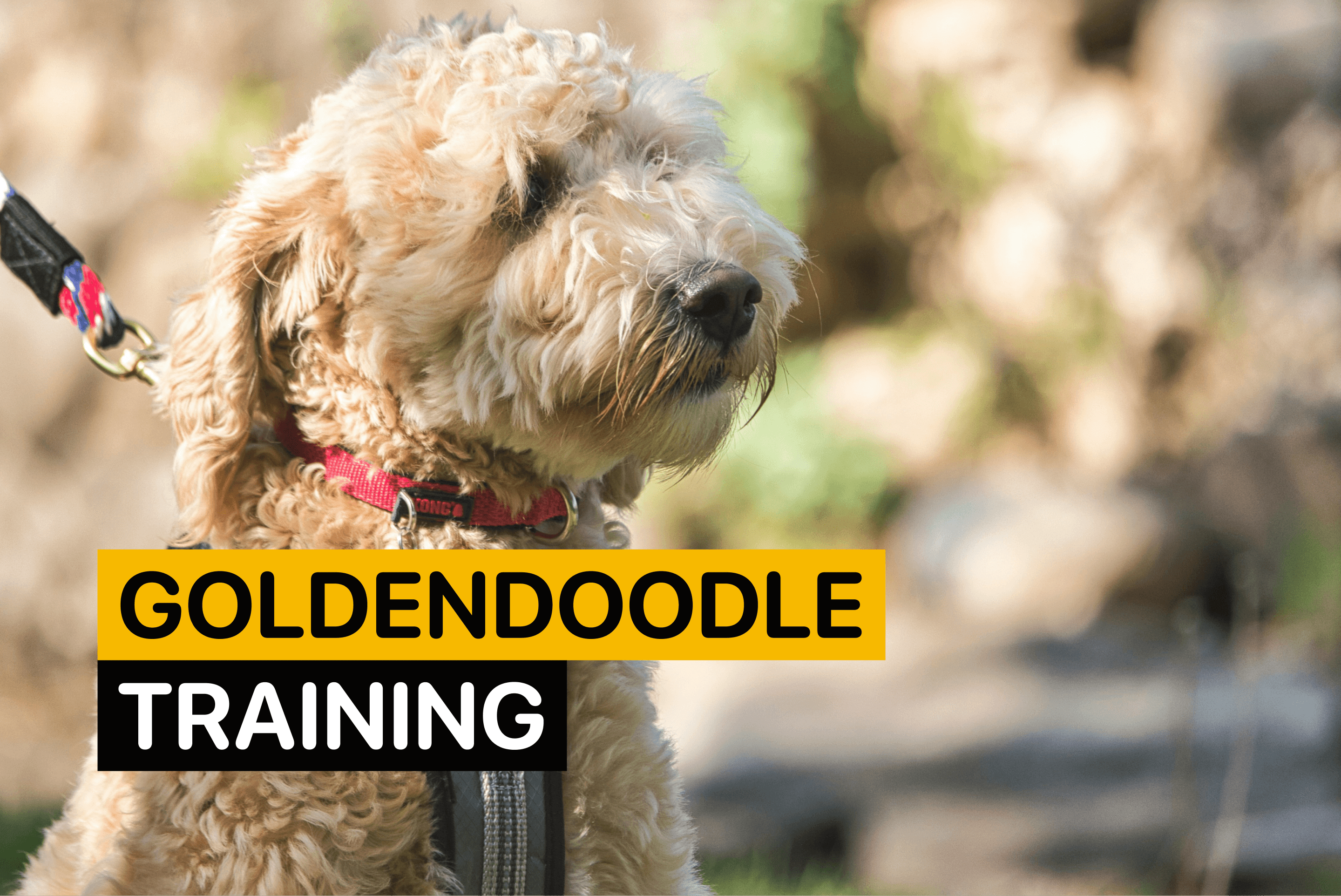
Credit: www.woofz.com
Frequently Asked Questions
How Do I Start Training A Goldendoodle Puppy?
Begin training early with simple commands like sit and stay. Use positive reinforcement such as treats and praise. Consistency and patience are key for effective training.
What Is The Best Age To Train A Goldendoodle Puppy?
Start training your Goldendoodle as early as 8 weeks old. Early training helps establish good behavior and social skills. Puppies learn quickly when training begins young.
How Can I House-train My Goldendoodle Puppy Effectively?
Create a regular bathroom schedule and take your puppy outside frequently. Reward them immediately after they eliminate outdoors. Consistency and supervision prevent accidents inside the house.
What Are Common Goldendoodle Puppy Training Challenges?
Common challenges include chewing, barking, and leash pulling. Address these with consistent commands and redirection. Patience and positive reinforcement help overcome these issues.
Conclusion
Training a Goldendoodle puppy takes time and patience. Consistency helps your puppy learn faster. Use positive rewards to encourage good behavior. Keep training sessions short and fun. Remember, every puppy learns at its own pace. Stay calm and kind throughout the process.
A well-trained Goldendoodle becomes a happy family member. Enjoy the journey of growing together. Your effort will build a strong, loving bond. Training today shapes a confident dog tomorrow.


