

Bringing a Golden Retriever puppy into your home is an exciting experience, but training your new furry friend can feel overwhelming. You want your puppy to grow into a well-behaved, happy companion, but where do you start?
The good news is, with the right tips and simple techniques, you can shape your puppy’s behavior from the very beginning. You’ll discover easy and effective Golden Retriever puppy training tips that make learning fun for both you and your pup.
Keep reading to unlock the secrets to a strong bond and a well-trained dog you’ll love spending time with every day.
Choosing The Right Training Approach
Choosing the right training approach is key to raising a happy Golden Retriever puppy. Each puppy learns in a unique way. Finding the best method helps build trust and good behavior. Training should be clear and kind. It sets a strong foundation for your puppy’s future.
Positive Reinforcement Techniques
Positive reinforcement means rewarding good behavior. Treats, praise, or playtime work well. This encourages your puppy to repeat the right actions. Avoid punishment or harsh words. They can cause fear and confusion. Celebrate small successes to keep training fun and effective.
Setting Realistic Goals
Set simple and clear goals for training sessions. Puppies have short attention spans. Focus on one skill at a time. For example, teach “sit” before “stay.” Keep sessions short and frequent. This helps your puppy learn without feeling tired or bored.
Consistency In Training
Consistency is important for quick learning. Use the same commands and rewards every time. Make sure everyone in the family follows the rules. This avoids mixed signals and confusion. Regular practice helps your puppy remember lessons better.
Basic Commands To Teach Early
Teaching your Golden Retriever puppy basic commands early helps build good habits. These commands make daily life easier and safer. Start training in short sessions to keep your puppy’s attention. Use positive rewards like treats and praise. Consistency is key for fast learning and strong understanding.
Sit And Stay
“Sit” is one of the first commands to teach. It helps your puppy learn control. Hold a treat above their nose and move it back. When they sit, say “sit” and give the treat. Practice this several times a day.
“Stay” teaches your puppy to wait patiently. Ask your puppy to sit. Show your open palm and say “stay.” Step back slowly. If your puppy stays, reward them. Increase distance and time slowly.
Come And Heel
“Come” keeps your puppy safe. Call your puppy’s name and say “come” in a happy voice. When they run to you, reward with praise or treat. Repeat often in different places.
“Heel” teaches your puppy to walk beside you. Hold a treat at your side. Say “heel” and start walking. If your puppy stays close, reward them. Stop if they pull, then try again.
Leave It And Drop It
“Leave it” stops your puppy from picking up bad things. Show a treat but do not give it. Say “leave it.” Wait until your puppy looks away. Then reward with a different treat.
“Drop it” helps when your puppy has something dangerous. Offer a treat and say “drop it.” When they release the item, give the treat. Practice with toys and safe objects.
House Training Essentials
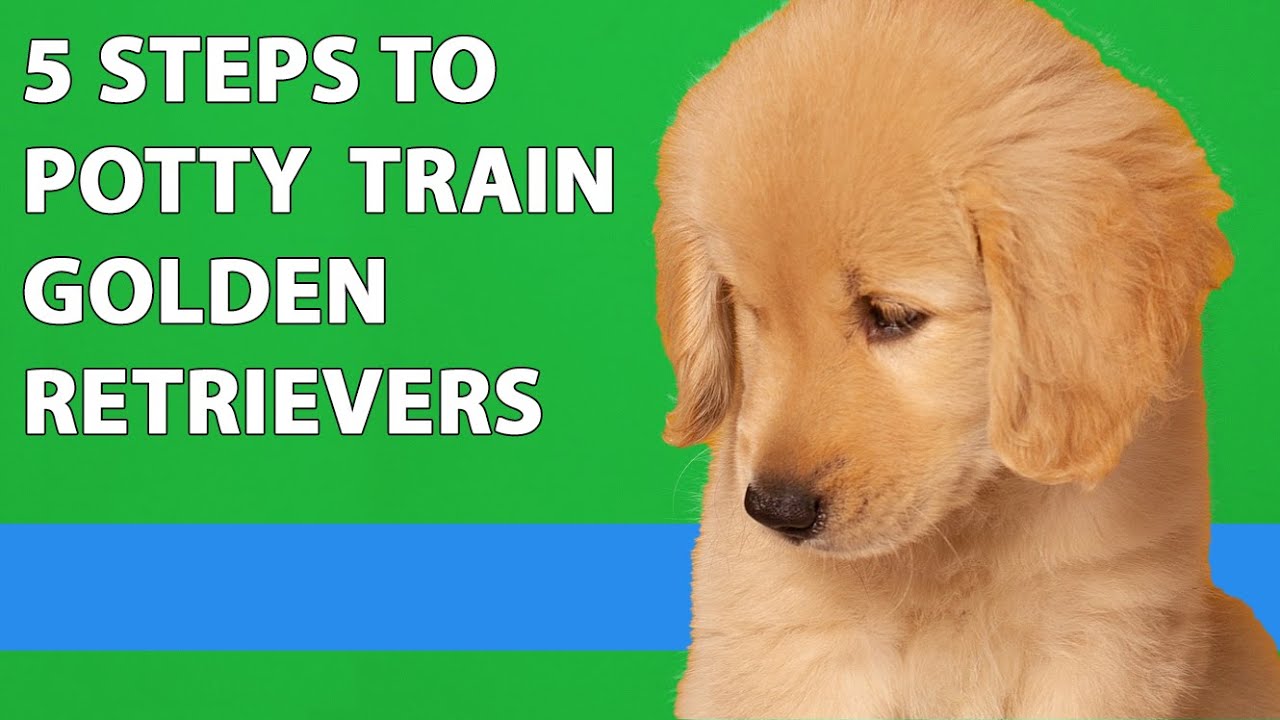
House training a Golden Retriever puppy is a key step for a happy home. It teaches your puppy where to go and builds good habits. Patience and consistency are very important. You must be calm and clear with your puppy. This helps your dog learn faster. Here are some essential tips for house training your new puppy.
Creating A Potty Schedule
Set regular times for potty breaks every day. Take your puppy outside first thing in the morning. Take them out after eating, playing, and naps. Puppies need to go often, usually every two hours. A schedule helps your puppy learn when it is time to go. Stick to the same spot outside. Your puppy will smell and know this is the right place.
Crate Training Benefits
A crate can be a safe space for your puppy. Dogs do not like to dirty their sleeping area. This helps your puppy hold their bladder longer. Use the crate for short periods at first. Never use the crate as punishment. Make it comfortable with a soft bed and toys. Crate training supports your potty schedule and keeps your puppy safe.
Handling Accidents Calmly
Accidents are normal during house training. Never yell or punish your puppy. This scares them and slows learning. Clean accidents with an enzyme cleaner to remove smells. Watch your puppy for signs they need to go. Take them outside quickly if they show these signs. Praise your puppy when they go outside. Calm and patience help your puppy learn well.

Credit: www.bestmatedogtraining.co.nz
Socialization Strategies
Socialization is a key part of training your Golden Retriever puppy. It helps your dog become friendly and confident. Starting socialization early sets a strong foundation for good behavior. This section covers simple ways to introduce your puppy to new people, pets, and places.
Introducing New People And Pets
Let your puppy meet many kinds of people. Different ages, sizes, and appearances help your puppy learn. Keep meetings calm and gentle. Watch your puppy’s reactions. Use treats and praise to create positive feelings. Introduce other pets slowly. Make sure all animals are friendly and healthy.
Exposure To Different Environments
Take your puppy to many places. Parks, streets, and pet-friendly stores work well. New sights, sounds, and smells teach your puppy to stay calm. Short visits are best at first. Carry your puppy if needed. Let your puppy explore safely. This builds confidence and reduces anxiety later.
Preventing Fear And Aggression
Watch your puppy for signs of fear. Growling, hiding, or barking means your puppy feels scared. Stop the situation and try again later. Use gentle encouragement and treats. Never force your puppy into scary situations. Calm, positive experiences help your puppy stay friendly. This prevents problems like aggression or shyness.
Managing Chewing And Biting
Golden Retriever puppies explore the world with their mouths. Chewing and biting are natural behaviors. These actions help them learn and relieve teething pain. Managing these behaviors early is key to a happy home. Training your puppy to chew and bite properly prevents damage and frustration. It also teaches your puppy good manners.
Providing Appropriate Chew Toys
Offer your puppy a variety of chew toys. Choose toys made for teething puppies. Soft rubber and nylon toys work well. Replace toys often to keep your puppy interested. Chew toys distract your puppy from biting furniture or hands. Always supervise your puppy with new toys. This keeps them safe and helps you learn their preferences.
Redirecting Unwanted Behavior
Notice when your puppy starts biting or chewing wrong items. Calmly take away the item they should not chew. Give them a chew toy instead. Praise your puppy when they chew the right toy. Use a firm “no” if they bite your skin. Avoid yelling or harsh punishment. This can scare your puppy and make biting worse.
Teaching Bite Inhibition
Teach your puppy to control their bite strength early. If your puppy bites too hard, say “ouch” softly. Stop playing for a moment to show biting ends fun. Repeat this every time they bite hard. Your puppy learns to be gentle with their mouth. This skill is important for safe play with people and other dogs.
Exercise And Mental Stimulation
Golden Retriever puppies are full of energy and curiosity. Exercise and mental stimulation keep them happy and healthy. Both physical activity and brain challenges help puppies grow well. They also prevent bad behavior caused by boredom or restlessness.
Daily Physical Activities
Golden Retriever puppies need daily exercise to burn off energy. Short walks and playtime in the yard work well. Running and fetching balls or toys help build muscles. Exercise also improves their mood and sleep. Keep activities short and fun to avoid tiredness.
Interactive Games And Puzzles
Interactive games teach puppies to think and solve problems. Toys that hide treats or puzzles challenge their minds. These games keep puppies busy and reduce stress. Rotate toys often to keep interest high. Mental games work best after physical play.
Training Sessions As Mental Workouts
Training sessions stimulate a puppy’s brain and focus. Teach simple commands like sit, stay, and come. Use treats and praise to encourage learning. Short sessions of 5 to 10 minutes prevent boredom. Training builds good habits and strengthens your bond.
Troubleshooting Common Challenges
Training a Golden Retriever puppy can come with some challenges. These issues can slow progress and cause frustration. Knowing how to handle common problems helps keep training on track. Clear steps make it easier to teach your puppy good habits. Stay patient and consistent. Your puppy learns best in a calm and positive environment.
Dealing With Separation Anxiety
Golden Retriever puppies love being with their owners. They may cry or act restless when left alone. Start by leaving your puppy alone for short times. Gradually increase the time you are away. Give a favorite toy to keep them busy. Avoid long goodbyes to reduce stress. Creating a safe space helps your puppy feel calm.
Addressing Excessive Barking
Some puppies bark a lot to get attention or warn of strangers. Teach your puppy the “quiet” command. Reward silence with treats or praise. Do not shout or punish, as this can make barking worse. Provide enough exercise and playtime to reduce boredom. A tired puppy barks less and listens better.
Handling Stubbornness
Golden Retrievers can be stubborn at times. Use short training sessions to keep focus. Be patient and repeat commands calmly. Use rewards like treats and praise to motivate your puppy. Avoid forcing or punishing your dog. Consistency and kindness work best for steady progress.
Credit: www.youtube.com
Credit: www.dogseechew.in
Frequently Asked Questions
How Early Should I Start Training My Golden Retriever Puppy?
Start training as soon as you bring your puppy home, ideally at 8 weeks old. Early training helps build good habits and socialization skills.
What Are The Best Methods For Golden Retriever Puppy Training?
Use positive reinforcement like treats, praise, and play. Consistency and patience are key to successful training with this intelligent breed.
How Long Should Each Puppy Training Session Last?
Keep sessions short, around 5 to 10 minutes. Puppies have short attention spans, so brief, frequent sessions work best.
How Do I House Train My Golden Retriever Puppy Effectively?
Establish a routine, take your puppy outside frequently, and reward them for going outdoors. Consistency is crucial for quick house training success.
Conclusion
Training your Golden Retriever puppy takes patience and love. Consistent practice helps build good habits. Keep sessions short and fun to hold their attention. Praise and rewards encourage them to learn more. Start early to shape their behavior well. Remember, each puppy learns at its own pace.
Enjoy the process and build a strong bond. A well-trained puppy grows into a happy dog. Stay calm, be kind, and keep training daily. Success comes with time and steady effort.

