
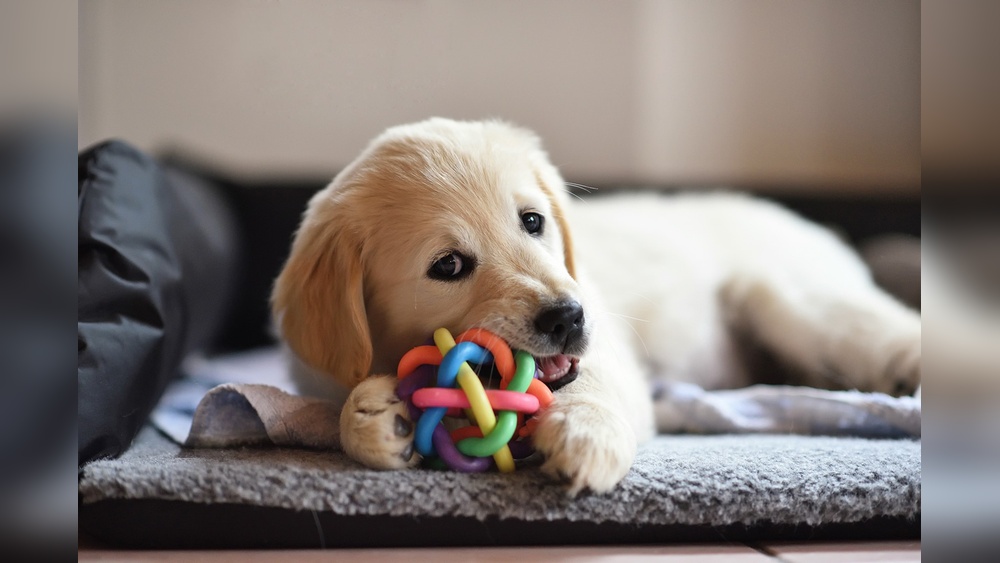
Bringing a new puppy into your home is exciting—but it can also feel overwhelming. You want to give your furry friend the best start possible, but where do you begin?
This guide is packed with the best puppy tips to help you build a strong bond, keep your pup healthy, and make training easier. Whether you’re a first-time dog owner or looking to improve your skills, these simple, practical tips will set you and your puppy up for success.
Keep reading, and discover how small changes can make a big difference in your puppy’s happiness and behavior.
Choosing The Right Puppy
Choosing the right puppy is an important step. The right puppy fits your lifestyle and brings joy to your home. Making a careful choice helps avoid future problems. Focus on breed, health, and where you get the puppy.
Selecting The Perfect Breed
Every breed has unique needs and traits. Some dogs need lots of exercise. Others enjoy calm, quiet homes. Size matters too. Large dogs need more space. Small dogs fit well in apartments. Think about your daily routine. Choose a breed that matches your energy level. Research breed behavior and care needs. This helps you find a good match.
Assessing Puppy Health
Healthy puppies are active and alert. Their eyes should be clear and bright. Check their coat for softness and shine. Avoid puppies with runny noses or coughing. Watch how they move and play. Healthy puppies have clean ears and pink gums. Ask about vaccinations and vet checks. Healthy puppies grow into strong adults.
Finding Reputable Breeders And Shelters
Trustworthy breeders and shelters care for their puppies. They provide health records and answer questions honestly. Visit the place to see the puppy’s living conditions. Avoid sellers who hide information or rush sales. Shelters often have many puppies waiting for homes. Adopting from shelters saves lives. Choose a source that treats animals well.
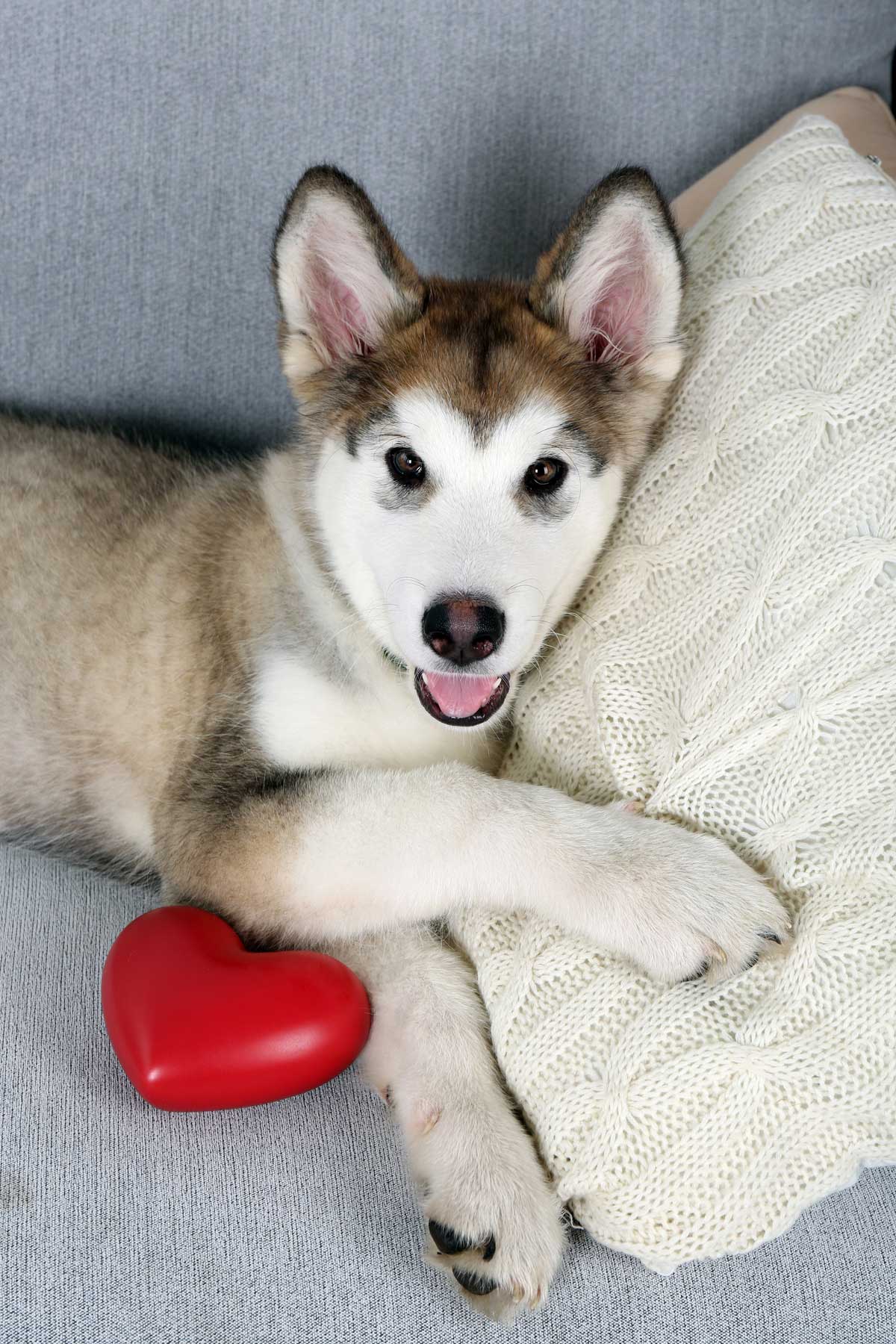
Credit: www.companionanimalpsychology.com
Preparing Your Home
Preparing your home for a new puppy is an important step. It helps your puppy feel safe and comfortable. A well-prepared home makes training easier. It also keeps your puppy healthy and happy.
Creating A Safe Space
Set up a quiet area just for your puppy. Use a crate or a small pen. This space should have a soft bed and toys. It gives your puppy a cozy place to rest. It also helps your puppy learn boundaries.
Essential Supplies To Have
Gather all the necessary items before your puppy arrives. Food and water bowls are a must. Choose bowls that are easy to clean. Pick puppy food suited to your puppy’s age and size. Have a collar, leash, and ID tag ready. Don’t forget grooming tools like brushes and nail clippers. Toys help keep your puppy busy and happy.
Puppy-proofing Tips
Remove anything dangerous or valuable from low places. Keep electrical cords out of reach. Store cleaning products and medicines in locked cabinets. Block off stairs and small spaces where your puppy could get stuck. Check plants for toxicity; some can harm puppies. Cover trash cans or put them in a cupboard. These steps protect your puppy and your belongings.
Nutrition And Feeding
Puppy nutrition shapes their growth and health. Feeding the right food supports strong bones, shiny coats, and good energy. Balanced meals help puppies learn and play happily.
Good feeding habits also prevent future health problems. Start with proper nutrition to give your puppy a strong start in life.
Choosing The Best Puppy Food
Pick food made for puppies, not adult dogs. Puppy food has more nutrients for their fast growth. Look for brands with protein from meat or fish as the first ingredient. Avoid foods with fillers like corn or soy. Check for vitamins and minerals such as calcium and DHA. These support bones and brain development.
Feeding Schedules
Puppies need small, frequent meals. Feed them three to four times daily until six months old. After that, two meals a day work well. Keep feeding times consistent. It helps puppies feel secure and learn good behavior. Always provide fresh water alongside meals.
Avoiding Harmful Foods
Certain foods can harm puppies. Never give chocolate, onions, grapes, or raisins. These can cause sickness or worse. Avoid bones that can splinter and cause choking. Also, stay away from salty or sugary snacks. Keep human food out of reach to protect your puppy’s health.

Credit: www.companionanimalpsychology.com
Training Basics
Training a puppy sets the foundation for good behavior and a happy life together. It helps your dog learn rules and feel secure. Start early with simple steps that build trust and understanding.
Short sessions work best. Puppies have short attention spans. Keep training fun and clear. Consistency is key to success.
Housebreaking Techniques
Choose a specific spot for your puppy to go potty. Take your puppy there often, especially after eating or waking up. Praise them when they go in the right place. Clean accidents quickly to remove smells. Use a crate to teach control and routine. Be patient and stick to a schedule.
Basic Commands To Teach
Start with simple words like “sit,” “stay,” and “come.” Use the same words every time. Show what you want with hand signals. Keep training sessions short and positive. Repeat commands gently but firmly. Reward your puppy as soon as they obey.
Positive Reinforcement Methods
Reward good behavior with treats, praise, or play. Ignore bad behavior instead of punishment. Use a happy voice and smiles. Give rewards immediately after the correct action. This helps your puppy connect the reward to the behavior. Positive methods build trust and eagerness to learn.
Socialization Strategies
Socialization is key for a happy and confident puppy. It helps puppies learn how to behave around people, animals, and new places. Early socialization shapes their personality and prevents fear or aggression later in life.
Start socialization early but keep experiences positive. Gentle exposure to different sights, sounds, and smells builds trust. Patience is important. Each puppy adjusts at its own pace.
Introducing To New People And Pets
Introduce your puppy to many different people. Include adults, children, and seniors. Let your puppy sniff and greet at their own speed. Use calm voices and gentle petting.
Meeting other dogs is important too. Choose calm and friendly dogs for first meetings. Keep sessions short and supervised. This helps your puppy learn good play skills and manners.
Handling Different Environments
Take your puppy to various places. Parks, streets, pet stores, and friends’ homes work well. Let them explore new surfaces like grass, pavement, and stairs.
New sounds like traffic or vacuum cleaners may scare puppies. Stay close and offer treats to create positive feelings. Exposure to many environments helps puppies stay calm and confident.
Preventing Behavioral Issues
Proper socialization reduces fear and aggression. Puppies that meet many people and animals often grow into friendly dogs. It also lowers the chance of barking, biting, or hiding.
Watch your puppy’s body language. Interrupt rough play or fear reactions early. Use praise to reward calm and friendly behavior. A well-socialized puppy is easier to train and happier to be around.
Health Care Essentials
Caring for a puppy’s health is very important. Healthy puppies grow into happy adult dogs. You need to keep your puppy safe from sickness and injuries. This means regular care and attention every day.
Good health care starts with vaccines, visits to the vet, and knowing common health problems. These steps help your puppy stay strong and live a long life. Let’s explore the basics of puppy health care.
Vaccination Schedule
Vaccines protect puppies from many dangerous diseases. Start vaccinations early, usually at six to eight weeks old. Follow the vet’s advice on timing for each shot. Vaccines include protection against parvovirus, distemper, and rabies. Keep a record of each vaccine your puppy gets. This helps you track what is done and what is next.
Regular Vet Visits
Take your puppy to the vet for check-ups often. The vet checks your puppy’s growth and health. Early visits find problems before they get worse. Your vet can give advice on food, exercise, and care. Regular vet visits build a strong bond and trust. This helps your puppy feel safe and comfortable.
Common Puppy Health Problems
Puppies can face health issues like worms, fleas, and skin problems. Watch for signs like scratching, vomiting, or diarrhea. Puppies may also get ear infections or eye problems. Early treatment stops these problems from getting serious. Learn the signs so you can act fast. Healthy puppies need clean homes and proper care.
Exercise And Play
Exercise and play are key for a puppy’s health and happiness. Puppies have lots of energy. They need regular activity to stay fit and calm. Play also helps puppies learn and bond with owners. Keeping playtime safe and fun is important. It builds trust and good habits.
Daily Activity Recommendations
Puppies need short, frequent exercise sessions. Start with 5 to 10 minutes, two to three times a day. Watch your puppy’s energy and rest needs. Avoid long walks or hard play for young puppies. Gentle play and light walks work best. Adjust activity as your puppy grows.
Safe Toys For Puppies
Choose toys that are soft but durable. Avoid small parts that can break off or choke hazards. Rubber chew toys are great for teething puppies. Plush toys can comfort but watch for loose stuffing. Rotate toys to keep your puppy interested. Clean toys regularly to prevent germs.
Benefits Of Playtime
Playtime helps puppies burn energy and reduce stress. It improves their physical strength and coordination. Playing also teaches social skills and good behavior. It builds a strong bond between puppy and owner. Happy puppies grow into well-adjusted dogs.

Credit: www.jpsnaturalpetsupplements.com
Grooming Tips
Grooming is key to keeping your puppy healthy and happy. It helps prevent problems like skin issues and bad breath. Regular grooming also builds trust between you and your puppy. Start early to make grooming a positive habit.
Bathing And Brushing
Bath your puppy with warm water and gentle shampoo. Avoid too many baths to protect natural oils. Brush your puppy’s coat daily to remove dirt and loose hair. Brushing also helps spread natural oils for a shiny coat. Use a brush suited for your puppy’s fur type.
Nail Care
Trim your puppy’s nails regularly to avoid pain and injury. Use a nail clipper made for dogs. Cut small bits at a time to prevent cutting the quick. If unsure, ask a vet or groomer for help. Keep nails short but not too close to the skin.
Dental Hygiene
Clean your puppy’s teeth often to stop bad breath and gum disease. Use a soft toothbrush and dog-safe toothpaste. Start brushing gently to get your puppy used to it. Offer dental chews and toys to help keep teeth clean between brushes.
Handling Common Challenges
Raising a puppy comes with many challenges. These can test your patience and skills. Handling these issues early helps build a happy, well-behaved dog. This section covers common problems and how to manage them effectively.
Managing Chewing And Biting
Puppies explore the world with their mouths. Chewing and biting are natural but need control. Provide safe chew toys to redirect their energy. Offer praise when they chew the right items. Teach gentle play by stopping when biting hurts. Consistency and patience reduce unwanted chewing habits.
Dealing With Separation Anxiety
Many puppies feel scared when left alone. Signs include barking, whining, or destructive behavior. Start with short absences, then slowly increase time apart. Create a safe, comfortable space for your puppy. Use toys or treats to keep them busy. Calm departures and arrivals help lower stress.
Addressing Excessive Barking
Barking is a way puppies communicate. Too much barking can annoy family and neighbors. Identify what triggers your puppy to bark. Teach a “quiet” command with rewards for silence. Avoid yelling, as it may increase barking. Regular exercise and mental stimulation reduce boredom barking.
Frequently Asked Questions
How Do I Potty Train My New Puppy Effectively?
Potty training requires consistency and patience. Take your puppy outside frequently, especially after meals. Reward them immediately when they eliminate outdoors to reinforce good behavior. Avoid punishment for accidents to prevent fear. Establish a regular bathroom schedule for best results.
What Is The Best Diet For A Growing Puppy?
A balanced diet rich in protein, fats, and essential nutrients supports puppy growth. Choose high-quality puppy food formulated for their breed size. Fresh water should be available at all times. Avoid human foods that can be toxic, like chocolate or onions.
How Can I Socialize My Puppy Safely?
Introduce your puppy to new people, animals, and environments gradually. Use positive reinforcement to create good associations. Avoid overwhelming situations to prevent fear or aggression. Early socialization helps puppies develop confidence and reduces future behavioral problems.
When Should I Start Training My Puppy?
Start training as soon as you bring your puppy home. Early training helps establish boundaries and good habits. Use short, fun sessions with positive reinforcement. Consistency and patience are key to successful puppy training.
Conclusion
Caring for a puppy takes time and patience. Small steps help build good habits. Consistent training makes your puppy happy and well-behaved. Give lots of love and attention every day. Healthy food and regular vet visits keep puppies strong. Play and exercise help them grow and stay active.
Enjoy each moment with your new furry friend. These simple tips make puppy care easier and fun. Your puppy will thank you with loyalty and joy. Keep learning and adapting as your puppy grows. Happy puppy, happy home!


