

Are you wondering if spaying your dog will change how she acts? It’s a common question for many dog owners.
You want the best for your furry friend, and understanding what spaying means for her behavior can help you make the right choice. Whether you’re curious about changes in energy, mood, or habits, this article will give you clear answers.
Keep reading to discover what to expect and how spaying might affect your dog’s personality.
Effects Of Spaying On Dog Behavior
Spaying is a common surgery for female dogs that removes their reproductive organs. This procedure not only prevents pregnancy but can also affect how dogs behave. Understanding these changes helps pet owners care better for their dogs after surgery.
Behavior changes after spaying vary by dog. Some dogs show clear differences, while others act much the same. These changes mainly come from shifts in hormones and energy.
Behavioral Changes After Spaying
Many dogs become calmer after spaying. They may lose some interest in roaming or seeking mates. This can reduce behaviors like marking territory or howling. Some dogs show less anxiety or nervousness.
Spaying can also affect playfulness. Some dogs play less, but others stay active and happy. Each dog reacts in its own way.
Hormonal Impact On Activity Levels
Spaying lowers hormone levels, especially estrogen. This change often leads to less energy. Dogs might sleep more and move less than before. The drop in hormones slows down some natural drives.
Lower activity is common but not always permanent. Dogs can regain energy with good diet and exercise. Keeping dogs active after spaying is important for health.
Aggression And Temperament Shifts
Spaying usually reduces aggressive behavior in female dogs. Hormone-driven aggression often drops after surgery. Dogs may become more gentle and less reactive.
Temperament changes depend on the dog’s personality. Some dogs grow more affectionate. Others remain independent. Spaying helps many dogs feel more balanced.
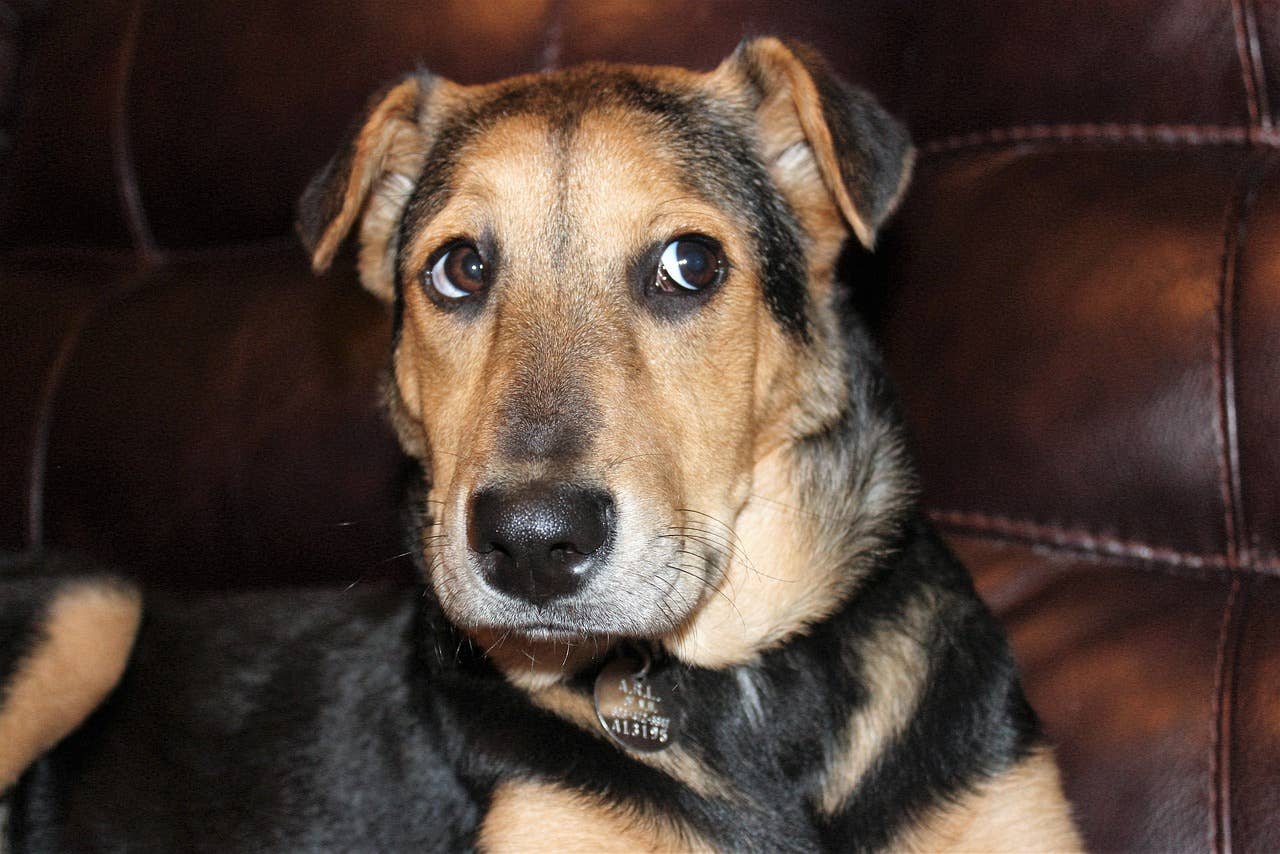
Credit: pethelpful.com
Common Myths About Spaying
Many people believe spaying changes a dog’s behavior in negative ways. These ideas come from myths, not facts. It is important to know the truth about spaying. This helps dog owners make smart choices for their pets.
Weight Gain Misconceptions
Some think spaying causes dogs to gain too much weight. Spaying lowers some hormones, which can slow metabolism a bit. Dogs may eat more if owners do not adjust food amounts. Proper diet and exercise keep dogs fit after spaying. Weight gain is not automatic or caused only by spaying.
Loss Of Playfulness Beliefs
People say spayed dogs become less playful or lazy. Playfulness is mostly about the dog’s personality and health. Spaying does not stop dogs from wanting to play or run. Many spayed dogs stay active and happy throughout life. Exercise and mental stimulation keep dogs lively.
Changes In Affection Levels
Some believe spaying makes dogs less loving or distant. Affection depends on how owners treat their dogs. Spayed dogs usually stay just as loving and loyal. Spaying can reduce some hormone-driven behaviors, but not affection. Dogs often become calmer but still enjoy being close.
Health Benefits Linked To Spaying
Spaying offers several health benefits for dogs. It helps protect them from serious illnesses. These benefits improve their quality of life. Many pet owners notice positive changes after spaying.
Understanding the health benefits can help you make informed choices. Spaying is more than just preventing puppies. It plays a key role in keeping your dog healthy.
Reduced Risk Of Certain Diseases
Spaying lowers the chance of uterine infections. Pyometra, a dangerous infection, becomes rare after spaying. The risk of breast cancer also drops significantly. This is especially true if spaying happens early. Spayed dogs avoid many reproductive system problems. These health issues can be painful and costly to treat.
Impact On Lifespan And Wellness
Spayed dogs tend to live longer than intact dogs. Removing reproductive organs reduces hormone-related health risks. It also stops heat cycles, which lowers stress and injury risks. Dogs feel calmer and more comfortable. Overall wellness improves, creating a happier pet. These factors contribute to a longer, healthier life.
Factors Influencing Post-spay Behavior
Spaying can affect a dog’s behavior in many ways. Changes depend on several important factors. Understanding these helps set the right expectations. Each dog reacts differently after surgery. Some behave calmly, while others show little change. The main influences include the dog’s age, breed, and environment.
Age At Time Of Surgery
The age when a dog is spayed plays a big role. Puppies might show more energy changes than adult dogs. Younger dogs are still growing and developing habits. Surgery at a very young age may affect hormone levels more. Older dogs usually have more stable behavior after spaying. Their personalities are mostly set before surgery.
Breed And Individual Personality
Breed affects how a dog reacts after spaying. Some breeds are naturally calmer or more active. Personality matters too. A shy dog may become more confident. A very active dog might slow down slightly. Each dog is unique. Their natural traits shape their behavior changes.
Environment And Training
The dog’s home environment influences post-spay behavior. Calm, loving homes help dogs adjust faster. Stressful or noisy places may delay recovery. Training also plays a key role. Well-trained dogs handle changes better. Consistent routines support good behavior after surgery.
Tips For Managing Behavior After Spaying
Spaying can change a dog’s behavior in small ways. Some dogs may feel less active or gain weight. Managing your dog’s behavior after spaying helps keep them happy and healthy. Simple steps can make a big difference in how your dog acts and feels every day.
Focus on exercise, diet, and training to support your dog’s new needs. These tips help maintain good behavior and prevent problems like boredom or weight gain.
Exercise And Mental Stimulation
Exercise helps your dog stay fit and burn energy. Regular walks, playtime, and running keep muscles strong. Mental games like puzzle toys or training sessions challenge your dog’s mind. This reduces restlessness and unwanted behaviors. Change activities often to keep your dog interested and happy.
Diet And Weight Control
Spayed dogs may eat less but gain weight more easily. Feed measured portions to avoid overeating. Choose high-quality food with the right nutrients. Avoid feeding too many treats or table scraps. Keep a close eye on your dog’s weight and adjust food amounts as needed.
Positive Reinforcement Techniques
Reward good behavior with praise, treats, or petting. Ignore bad behavior to reduce attention-seeking actions. Use clear commands and be consistent with rules. Positive training builds trust and helps your dog learn faster. Stay patient and gentle during the training process.

Credit: www.reddit.com

Credit: www.reddit.com
Frequently Asked Questions
Does Spaying Calm A Dog’s Behavior?
Spaying can reduce aggression and restlessness caused by hormones. It often results in a calmer, more stable temperament in female dogs. However, individual behavior changes vary depending on the dog’s personality and environment.
How Soon Does Behavior Change After Spaying?
Behavior changes can start within weeks after spaying. Hormonal shifts reduce mating instincts and related behaviors quickly. Full behavioral stabilization may take a few months as the dog adjusts hormonally.
Can Spaying Prevent Marking And Roaming?
Yes, spaying usually decreases marking and roaming behaviors. These are driven by reproductive hormones, which spaying eliminates. However, some dogs may still mark due to habit or stress.
Does Spaying Affect A Dog’s Energy Level?
Spaying may slightly reduce energy levels by lowering hormone-driven activity. Most dogs maintain normal playfulness and activity post-surgery. Proper exercise and mental stimulation remain important.
Conclusion
Spaying can change some dog behaviors, but not all. Dogs often become calmer and less aggressive. They may also stop some unwanted habits like roaming. Yet, each dog reacts differently after spaying. Training and love still shape your dog’s personality most.
Understanding these changes helps you care better for your pet. Spaying supports health and prevents many problems. It is a responsible choice for dog owners. Remember, behavior changes take time and patience. Keep giving your dog attention and support throughout.
Your dog’s happiness matters the most.


