

How often do you groom your dog? It’s a question every pet owner should ask.
Grooming isn’t just about keeping your furry friend looking good—it’s about their health and happiness too. But how do you know when it’s time for the next bath, brush, or trim? If you want to keep your dog comfortable, clean, and free from skin problems, understanding the right grooming schedule is key.
Keep reading, and you’ll discover simple tips to make grooming easy and stress-free for both you and your dog.
Factors Influencing Grooming Frequency
Grooming your dog is not the same for every pet. Several factors decide how often you need to groom your dog. Understanding these can help keep your dog clean and healthy without overdoing it.
Each dog has unique needs. Paying attention to these factors helps you find the right grooming schedule.
Breed And Coat Type
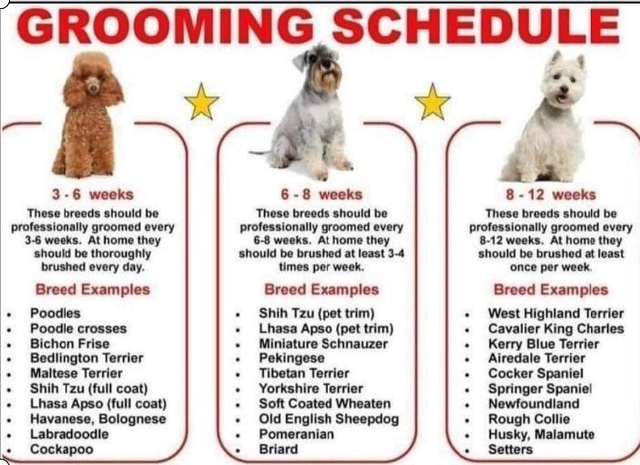
Different breeds have different coats. Some dogs have short hair that needs less brushing. Others have long or thick fur that mats easily. Breeds like Poodles and Shih Tzus require frequent grooming. Dogs with double coats shed a lot and need regular care.
Age And Health
Young puppies need gentle grooming to get used to it. Older dogs may have health issues that affect their grooming needs. Dogs with skin problems or arthritis may need special care. Regular checks during grooming can spot health problems early.
Activity Level
Active dogs get dirtier faster. Dogs that play outside or swim often need more baths and brushing. Less active dogs may stay cleaner longer. Grooming also removes loose hair and prevents mats from forming.
Seasonal Changes
Seasons affect how often dogs need grooming. In spring and fall, many dogs shed their coats. They need more brushing to remove dead hair. Summer might require more baths to keep dogs cool and clean. Winter grooming keeps skin healthy despite dry air.

Credit: www.reddit.com
Daily Grooming Tasks
Daily grooming helps keep your dog healthy and comfortable. It also builds a strong bond between you and your pet. Small tasks every day make a big difference in your dog’s well-being.
Brushing And Detangling
Brushing removes dirt, loose hair, and prevents mats. It keeps the coat shiny and healthy. Use a brush suited to your dog’s fur type. Be gentle to avoid hurting the skin. Regular brushing reduces shedding inside your home.
Cleaning Eyes And Ears
Check your dog’s eyes for redness or discharge. Wipe away any dirt with a clean, damp cloth. Look inside the ears for wax or bad smell. Clean ears carefully using a vet-approved solution. This helps prevent infections and discomfort.
Checking For Parasites
Look over your dog’s skin for fleas, ticks, or bumps. Parasites can cause itching and sickness. Use your fingers to feel under the fur. Remove any parasites you find carefully. Early detection saves your dog from harm.
Weekly Grooming Routines
Weekly grooming routines keep your dog clean and healthy. Regular care stops problems before they start. Simple steps done often help your dog feel good. Grooming builds trust and strengthens your bond. It also keeps your dog’s skin, coat, nails, and teeth in top shape.
Bathing Guidelines
Bath your dog once a week or as needed. Use warm water and dog-friendly shampoo only. Rinse well to remove all soap. Avoid water in the ears to stop infections. Dry your dog with a towel or low heat dryer. Check the coat for dirt or fleas after bath.
Nail Trimming Tips
Trim your dog’s nails weekly to stop overgrowth. Use sharp, dog nail clippers for best results. Cut small bits to avoid hurting the quick. If unsure, trim just the white tip. Smooth rough edges with a nail file. Watch your dog’s reaction to keep them calm.
Teeth Cleaning
Brush your dog’s teeth every week to fight bad breath. Use dog toothpaste and a soft brush or finger brush. Clean all teeth gently, front and back. Reward your dog with praise or a small treat. Healthy teeth help avoid pain and costly vet visits.
Monthly Grooming Practices
Monthly grooming is key to keeping your dog healthy and happy. Regular care stops dirt and mats from building up. It also helps spot skin problems early. Each month, focus on deep cleaning and professional check-ups. This keeps your dog’s coat shiny and skin clean.
Deep Coat Care
Dogs with thick or long hair need monthly deep coat care. Use a detangling brush to remove knots gently. Bath your dog with mild shampoo to clean dirt and oils. Dry the coat well to stop skin issues. This care keeps the fur soft and healthy.
Ear Deep Cleaning
Monthly ear cleaning prevents infections and wax build-up. Use a vet-approved ear cleaner and cotton balls. Gently wipe the inside of the ears without pushing deep. Check for redness, bad smell, or discharge. Clean ears help your dog hear clearly and feel comfortable.
Professional Grooming Visits
Schedule professional grooming every month or as needed. Groomers trim nails, clean ears, and cut hair properly. They spot skin or coat problems you might miss. Regular visits keep your dog neat and reduce health risks. Trust experts to care for your dog’s specific needs.
Signs Your Dog Needs Extra Grooming
Dogs need regular grooming to stay healthy and happy. Sometimes, signs show your dog needs extra grooming. Spotting these signs early helps prevent discomfort and skin problems. Watch for changes in your dog’s coat and skin. These signals mean it’s time to groom more often.
Matting And Tangles
Matting happens when fur gets tangled and clumps together. It pulls on your dog’s skin and causes pain. Mats can trap dirt and moisture, leading to infections. Check your dog’s coat for knots, especially behind ears and under legs. Long-haired dogs need extra attention to avoid mats. Regular brushing stops tangles before they form.
Skin Irritation
Look for red, dry, or flaky skin. Irritation may cause your dog to scratch or bite itself. This can lead to sores or hair loss. Skin problems often result from dirt or allergens trapped in the coat. Extra grooming cleans and soothes the skin. Use gentle brushes and mild shampoos to protect your dog’s skin.
Unpleasant Odors
A bad smell can mean your dog needs grooming right away. Odors come from dirt, oils, or bacteria build-up. Smelly ears or paws also need attention. Regular baths and cleaning help keep your dog smelling fresh. Pay close attention to areas that get dirty quickly.
Credit: www.thelakesidegroomroom.com
Tools For Effective Dog Grooming
Grooming a dog needs the right tools. These tools keep your dog clean, healthy, and happy. Good grooming tools make the process easier and faster. They help remove dirt, loose hair, and tangles. Knowing which tools to use is important for effective grooming.
Brushes And Combs
Brushes and combs are basic tools for dog grooming. They remove loose fur and prevent mats. Different coat types need different brushes. For example, a slicker brush works well on long hair. A fine-toothed comb helps untangle knots gently. Use a brush that suits your dog’s coat.
Shampoos And Conditioners
Shampoos clean the dog’s skin and coat. Choose a shampoo made for dogs, not humans. Dog shampoos keep their skin healthy and soft. Conditioners help smooth the fur and reduce tangles. They also add shine and moisture. Always rinse well to avoid skin irritation.
Nail Clippers And Files
Nail clippers keep your dog’s nails short and safe. Long nails can cause pain or injury. Use clippers designed for dogs to avoid splitting nails. After clipping, use a nail file to smooth rough edges. Regular nail care helps your dog walk comfortably and stay healthy.
Benefits Of Regular Grooming
Regular grooming gives many benefits to your dog. It keeps your pet healthy and happy. Grooming is not just about looks. It helps your dog feel good every day.
Here are some key benefits of grooming your dog often.
Improved Skin And Coat Health
Brushing removes dirt and dead hair from the coat. It spreads natural oils that keep the fur shiny. Clean skin and fur reduce itching and dryness. Regular grooming helps prevent skin problems early.
Early Detection Of Health Issues
Grooming lets you check your dog’s body closely. You can spot lumps, bumps, or skin changes fast. Early discovery means quicker treatment. This can stop minor issues from becoming serious.
Enhanced Comfort And Hygiene
Clean ears and trimmed nails improve your dog’s comfort. Grooming removes mats that cause pain and irritation. Bathing keeps your dog fresh and free from odors. Good hygiene lowers the risk of infections.

Credit: www.safarivet.com
Frequently Asked Questions
How Often Should You Groom A Dog At Home?
You should groom your dog at home every 1 to 2 weeks. Regular brushing removes dirt and prevents matting. It also helps check for skin issues and keeps your dog’s coat healthy.
How Frequently Do Professional Dog Grooming Sessions Occur?
Professional grooming is typically recommended every 4 to 8 weeks. This depends on your dog’s breed, coat type, and lifestyle. Regular visits maintain cleanliness, trim nails, and ensure overall hygiene.
Does Grooming Frequency Depend On Dog Breed?
Yes, grooming frequency varies by breed. Long-haired breeds need grooming every 4 to 6 weeks. Short-haired breeds may only require grooming every 8 to 12 weeks. Tailor grooming based on your dog’s coat and skin needs.
Can Over-grooming Harm My Dog?
Over-grooming can irritate your dog’s skin and strip natural oils. It may cause dryness, redness, or discomfort. Stick to a grooming schedule suited to your dog’s breed and coat type to avoid problems.
Conclusion
Regular grooming keeps your dog healthy and happy. Different breeds need different grooming schedules. Short-haired dogs require less frequent grooming than long-haired ones. Check your dog’s coat and skin often for dirt and mats. Brushing helps reduce shedding and prevents tangles.
Bath your dog every few weeks or when dirty. Nail trimming is important to avoid pain and injury. Clean ears regularly to prevent infections. Watch your dog’s comfort during grooming sessions. Consistent care builds trust and strengthens your bond. Make grooming a positive experience for your pet.
Your dog will thank you with a shiny coat and wagging tail.


