

Are you wondering if it’s okay to give your puppy adult dog food? It’s a common question that many dog owners face.
Feeding your puppy the right food is crucial for their growth and health. But what happens if you only have adult dog food on hand, or if you’re thinking about switching early? The answer might surprise you. Keep reading to learn what’s best for your puppy’s diet and how to keep them happy and healthy as they grow.
Differences Between Puppy And Adult Dog Food
Puppy food and adult dog food serve different purposes. Puppies grow fast. They need food that supports their development. Adult dogs need food that maintains their health and energy. Feeding the right food keeps dogs healthy. It also prevents health problems later.
Understanding the differences helps you choose the best food. It keeps your dog strong and happy at every stage.
Nutritional Needs Of Puppies
Puppies need more protein than adult dogs. Protein helps build muscles and tissues. They also require more calories for energy. Growth needs vitamins and minerals like calcium. These support strong bones and teeth. Puppies benefit from food rich in DHA. It helps brain and eye development.
Adult Dog Dietary Requirements
Adult dogs need fewer calories than puppies. Too much energy can cause weight gain. Their food focuses on maintaining muscle and organ health. Balanced fats support skin and coat health. Fiber aids digestion and keeps the gut healthy. Adults need controlled calcium to avoid joint issues.
Ingredient Variations
Puppy food has higher protein and fat levels. Ingredients support fast growth and high energy use. Adult dog food contains moderate protein and fat. It often includes joint-supporting ingredients like glucosamine. Some adult foods have fewer calories and more fiber. This helps keep weight in check and digestion smooth.
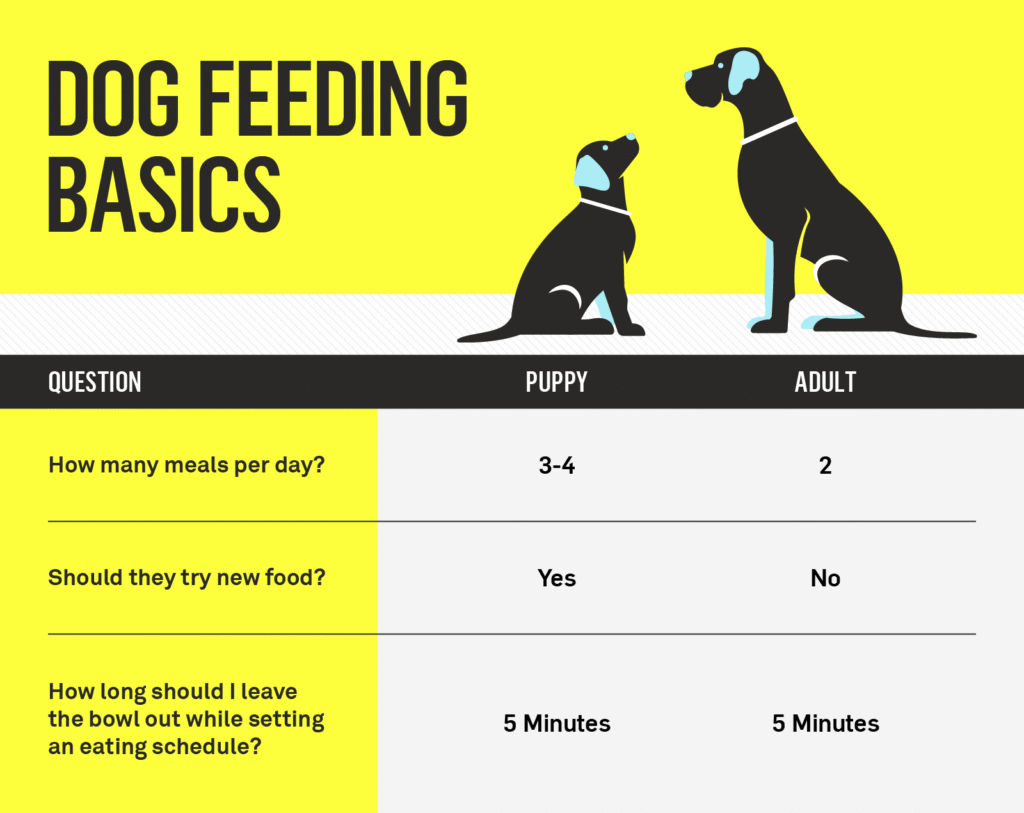
Credit: www.gallant.com
Potential Risks Of Feeding Puppies Adult Dog Food
Feeding puppies adult dog food can cause several health problems. Puppies have special dietary needs for healthy growth. Adult dog food does not meet these needs. This can lead to serious issues affecting their health and development.
Nutrient Deficiencies
Puppies need extra protein, fat, and vitamins. Adult dog food has fewer nutrients. This lack can slow down muscle and bone growth. Missing nutrients can weaken their immune system. Puppies may get sick more often and heal slower.
Growth And Development Issues
Proper growth needs balanced nutrition. Adult dog food lacks the right minerals. Puppies may develop weak bones and joints. This can cause long-term health problems. Growth delays affect their overall strength and energy.
Digestive Problems
Puppies have sensitive stomachs. Adult food is harder for them to digest. This can cause diarrhea and upset stomach. Poor digestion means less nutrient absorption. It can lead to poor weight gain and discomfort.
When Adult Dogs Eat Puppy Food
Adult dogs sometimes eat puppy food by mistake or on purpose. Puppy food has more calories and nutrients to help young dogs grow. Adult dogs do not need as many calories as puppies. Eating puppy food often can cause problems for adult dogs.
It is important to understand what happens when adult dogs eat puppy food. This helps dog owners make good choices for their pets.
Calorie Surplus Concerns
Puppy food has extra calories for growth and energy. Adult dogs need fewer calories to stay healthy. Eating puppy food can give adult dogs too many calories. This extra energy can cause weight gain. Over time, too many calories can harm your dog’s health.
Weight Gain And Obesity
Adult dogs eating puppy food may gain weight fast. Puppy food is rich and calorie-dense. Too much weight can lead to obesity. Obesity causes joint pain and heart problems. It also reduces your dog’s life quality. Keeping your dog at a healthy weight is very important.
Long-term Health Effects
Feeding puppy food to adult dogs can cause health issues. The extra nutrients may stress organs like kidneys. Adult dogs may develop digestive problems. Long-term use can lead to imbalances in vitamins and minerals. Feeding the right food supports a long, healthy life.
Expert Recommendations On Puppy Feeding
Feeding a puppy the right food is very important for its growth and health. Experts suggest following clear guidelines to meet a puppy’s nutritional needs. Choosing the right food supports strong bones, healthy skin, and good energy levels. Understanding expert advice helps pet owners make better feeding decisions.
Ideal Feeding Timelines
Puppies need food designed just for their age. Typically, they should eat puppy food until about one year old. Large breeds might need puppy food for a bit longer. After this, adult dog food is better for maintenance. Feeding adult food too early can miss vital nutrients puppies need.
Transitioning Between Foods
Switching from puppy to adult food should be slow. Mix small amounts of adult food with puppy food. Gradually increase adult food over 7 to 10 days. This helps avoid stomach upset or refusal to eat. A smooth change keeps puppies comfortable and healthy.
Consulting A Veterinarian
Veterinarians are the best source for feeding advice. They can recommend the right food type and amount. They also consider breed, size, and health issues. Regular check-ups help adjust feeding as your puppy grows. Expert guidance ensures your puppy’s diet is always balanced and safe.
Tips For Selecting The Right Dog Food
Selecting the right dog food is key for your puppy’s health. Different foods suit different needs. The right choice supports growth, energy, and overall well-being. Use these tips to guide your selection.
Reading Labels Carefully
Check the ingredients list on the package. Look for real meat as the first ingredient. Avoid foods with too many fillers like corn or wheat. See if the food meets AAFCO standards. This shows the food is balanced and complete.
Considering Breed And Size
Small breeds need different nutrients than large breeds. Large breed puppies require food with controlled calcium levels. Small breeds may need more calories per pound. Choose food made for your puppy’s size and breed for best results.
Monitoring Your Dog’s Health
Watch for signs of good health after feeding. Bright eyes, shiny coat, and steady weight are good indicators. Check for allergies or stomach upset. Change food if your puppy seems uncomfortable or loses energy.
Credit: www.acanapetfoods.co.uk

Credit: royalpetqa.com
Frequently Asked Questions
Can Puppies Eat Adult Dog Food Safely?
Puppies should not eat adult dog food regularly. Adult food lacks essential nutrients required for puppy growth and development. Feeding it occasionally is okay but avoid long-term use to prevent nutritional deficiencies and health issues in puppies.
When Should I Switch Puppy To Adult Dog Food?
Switch from puppy to adult dog food around 12 months for most breeds. Larger breeds may need more time. Consult your vet to determine the best time based on your puppy’s size and health needs.
What Are The Risks Of Feeding Adult Food To Puppies?
Feeding adult food to puppies can cause poor growth and nutrient deficiencies. Adult formulas lack adequate protein, vitamins, and minerals needed for healthy puppy development, which can lead to weakened immunity and bone problems.
Can Adult Dog Food Meet A Puppy’s Energy Needs?
Adult dog food usually has fewer calories and nutrients than puppy food. Puppies need higher energy for growth and play. Adult food may not provide sufficient fuel, resulting in low energy and slower growth.
Conclusion
Feeding a puppy adult dog food can cause health issues. Puppies need special nutrients for growth and energy. Adult food lacks these essential elements for young dogs. Always choose food made specifically for puppies. This helps them grow strong and stay healthy.
Consult your vet for the best feeding plan. Proper nutrition builds a happy, active dog. Taking care now prevents problems later. Your puppy deserves the right food at every stage. Simple steps ensure a healthy, joyful life for your pet.


