Have you ever wondered if your dog really needs to be restrained in the car? You might think your furry friend is safe just sitting next to you or roaming freely in the backseat.
But the truth is, unrestrained pets can be a serious danger—not just to themselves, but to you and everyone else on the road. Imagine how a sudden stop or accident could turn your beloved companion into a flying projectile. You’ll discover why restraining your dog isn’t just about safety laws—it’s about protecting your dog, yourself, and your peace of mind every time you hit the road.
Keep reading to find out the best ways to keep your dog secure and comfortable during car rides.
Risks Of Unrestrained Dogs
Traveling with an unrestrained dog in the car is risky. Dogs can move freely and cause many problems. They may distract the driver or get hurt during sudden stops. These risks make it clear that restraining your dog is important for safety.
Distraction To The Driver
An unrestrained dog can move around the car. This movement can catch the driver’s attention. The driver might look away from the road. Even a short distraction can cause accidents. Dogs can also bark or try to jump onto the driver. This behavior increases the chance of losing control of the car.
Injury Risks During Accidents
In a crash, an unrestrained dog can get seriously injured. The dog can be thrown inside the car or out of it. This can cause broken bones or worse. The dog may also hurt passengers during a sudden stop. Using a seatbelt or crate keeps your dog safe and secure.
Legal Consequences
Many places have laws about restraining pets in cars. You may get fined if your dog is not secured. Some laws also hold drivers responsible if an unrestrained dog causes an accident. Following these rules helps avoid legal trouble and keeps everyone safe.

Credit: www.nytimes.com
Types Of Dog Restraints
Keeping your dog safe during car rides is very important. Using the right dog restraint protects your pet and everyone else in the car. Different types of restraints suit different dogs and car setups. Choosing the right one helps make travel safer and more comfortable for your dog.
Harnesses And Seat Belts
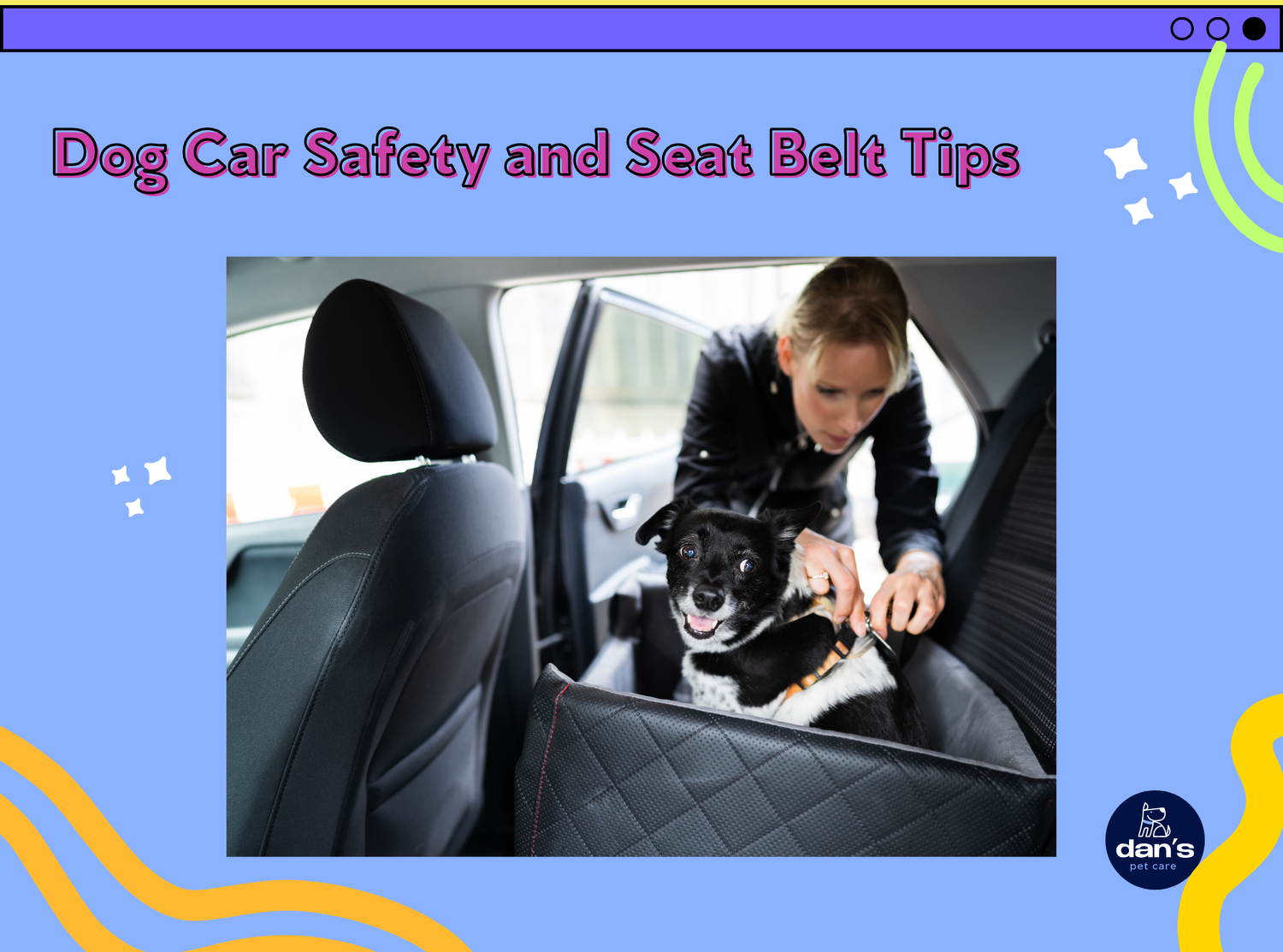
Harnesses attach to your dog’s body and connect to the car seat belt. They stop dogs from moving around too much. These restraints reduce injury during sudden stops. Most harnesses fit different dog sizes. They are easy to use and allow dogs to sit or lie down.
Crates And Carriers
Crates keep dogs in a small, enclosed space. They stop dogs from roaming inside the car. Hard-sided crates offer strong protection in crashes. Soft carriers are lighter but less protective. Crates help dogs feel safe and reduce motion sickness. Secure the crate firmly to prevent sliding.
Barriers And Gates
Barriers block dogs from the front seats. They keep dogs in the back area of the car. These restraints give dogs more room to move around. Barriers reduce distractions for the driver. Gates are easy to install and remove. They work well for larger dogs that don’t fit in crates.
Choosing The Right Restraint
Choosing the right restraint for your dog in the car is important for safety and comfort. A proper restraint keeps your dog secure and reduces distractions while driving. It also protects your pet in case of sudden stops or accidents. Selecting the right type depends on your dog’s size, behavior, and the type of vehicle you have.
Size And Comfort Considerations
Choose a restraint that fits your dog’s size. It should allow your dog to sit, lie down, and turn around easily. Avoid restraints that are too tight or too loose. Soft materials help prevent skin irritation. Comfort keeps your dog calm during the ride.
Durability And Safety Ratings
Check the restraint’s durability before buying. Strong materials resist wear and tear. Look for safety ratings from trusted organizations. Ratings show the product passed crash tests or meets safety standards. A durable restraint protects your dog better in accidents.
Ease Of Use
Pick a restraint that is easy to install and remove. Simple designs save time and reduce frustration. Adjustable straps help fit the restraint securely. Easy cleaning features keep the restraint fresh. A user-friendly restraint encourages regular use.

Credit: www.roadandtrack.com
Training Your Dog For Car Rides
Training your dog for car rides helps ensure safety and comfort. It makes travel easier for both of you. Dogs that learn to stay calm and restrained reduce distractions. This training also protects your dog during sudden stops or accidents. Start with small steps and patience. Each dog learns at its own pace.
Gradual Introduction To Restraints
Begin by letting your dog see and sniff the car restraint. Use a harness or seatbelt designed for dogs. Put it on your dog without fastening it first. Praise your dog for calm behavior. Next, fasten the restraint for short periods inside the car. Increase the time slowly over several rides. Avoid forcing your dog. Make each step positive and stress-free.
Positive Reinforcement Techniques
Reward your dog with treats and praise during training. Give a treat when your dog stays calm with the restraint on. Use a calm voice and gentle petting. Bring your dog’s favorite toy for comfort. Keep training sessions short but frequent. Celebrate small successes to build your dog’s confidence. Positive reinforcement creates a strong, happy habit.
Handling Anxiety And Motion Sickness
Watch for signs of anxiety like whining or shaking. Stop the car and let your dog rest if needed. Try calming aids such as a blanket or a favorite toy. Take breaks during long trips for fresh air. Motion sickness may cause drooling or vomiting. Feed your dog a light meal before travel. Consult a vet if sickness continues. A calm dog enjoys the ride more.
Additional Safety Tips
Keeping your dog safe in the car is more than just using a restraint. There are other important steps to take. These extra tips help your dog stay comfortable and protected during the ride. Follow these simple rules for a safer trip.
Proper Ventilation And Temperature Control
Fresh air is important for your dog in the car. Keep windows slightly open to allow airflow. Avoid direct sunlight on your dog. Use the car’s air conditioner or heater to keep a steady temperature. Dogs can overheat or get too cold quickly. Never leave your dog alone in a parked car. The temperature can change fast and harm your pet.
Regular Breaks On Long Trips
Stop often on long drives. Let your dog stretch and walk around. Give water and a chance to relieve itself. Breaks reduce stress and prevent accidents. Your dog will feel happier and less restless. Plan stops every two hours for best results.
Avoiding Front Seat Travel
Keep your dog in the back seat. Airbags can injure pets in the front. The back seat is safer during sudden stops. Use a seatbelt harness or crate in the back. This protects your dog and the driver. A calm dog means a safer driver.
Credit: danspetcare.com
Frequently Asked Questions
Why Should I Restrain My Dog In The Car?
Restraining your dog ensures their safety and prevents distractions while driving. It also protects passengers during sudden stops or accidents. Proper restraint reduces injury risk and keeps your pet secure, making car travel safer for everyone.
What Are The Best Dog Restraints For Cars?
The best dog restraints include harness seat belts, crates, and pet barriers. Harness seat belts secure your dog to the car seat. Crates provide full protection and comfort. Pet barriers keep dogs in the back seat, reducing driver distraction.
Can Unrestrained Dogs Cause Car Accidents?
Yes, unrestrained dogs can distract drivers or block controls. Sudden movements may startle drivers, increasing accident risk. Keeping your dog restrained helps maintain focus on the road and improves overall vehicle safety.
Are There Legal Requirements For Dog Restraints In Cars?
Many regions have laws requiring dog restraints in vehicles. These laws aim to protect pets and passengers. Always check local regulations to ensure compliance and avoid fines. Restraining your dog is both a legal and safety responsibility.
Conclusion
Keeping your dog safe in the car matters a lot. A proper restraint stops distractions and protects everyone inside. Dogs can get hurt in crashes without protection. Restraining also helps your dog stay calm during trips. It is a simple step that brings peace of mind.
Remember, safety is a small effort with big rewards. Drive carefully and keep your furry friend secure every time. Safe travels start with smart choices for your dog’s car ride.