

Does your dog get sick every time you take a car ride? Watching your furry friend suffer from car sickness can be heartbreaking—and it can make trips stressful for both of you.
But what if you could help your dog feel calm and comfortable in the car? You’ll discover simple, effective ways to ease your dog’s car sickness. Keep reading to learn how you can turn those dreaded car rides into a happier experience for your best friend.

Credit: www.amazon.com
Causes Of Car Sickness In Dogs
Car sickness in dogs happens for several reasons. Understanding these causes helps in managing and reducing discomfort. Dogs feel sick in cars due to physical and emotional factors. Each dog reacts differently to car rides. Knowing what triggers sickness makes it easier to help your pet.
Motion Sensitivity
Dogs sense movement differently than humans. Their inner ears help with balance. When the car moves, signals from the ears can confuse the brain. This mismatch causes nausea and dizziness. Puppies and young dogs often feel this more. Some dogs are simply more sensitive to motion.
Anxiety And Stress
Car rides can make dogs anxious. Strange sounds, sights, and smells cause stress. Nervous dogs may pant, whine, or drool. Stress can worsen feelings of nausea. Dogs remember these feelings and may dread future trips. A calm dog is less likely to get sick.
Previous Negative Experiences
Bad car trips leave a mark on dogs. Vomiting or fear during rides creates a negative link. This fear can cause sickness to return. Dogs may resist getting into the car. Breaking this cycle is key to helping them feel better. Positive experiences help change their feelings.

Credit: www.amazon.com
Signs Of Car Sickness
Recognizing the signs of car sickness in dogs helps manage their discomfort. Dogs cannot tell us when they feel sick. Watching their behavior closely is important during car rides.
Signs may appear before a trip or during the drive. Early detection can make the trip easier for your pet. Common symptoms include drooling, vomiting, restlessness, whining, lethargy, and panting.
Drooling And Vomiting
Excess drooling is a common sign of car sickness. It happens because the dog’s stomach feels upset. Vomiting may follow if the motion sickness worsens. These signs indicate serious discomfort. Stop the car and check your dog if vomiting occurs.
Restlessness And Whining
Restlessness shows the dog is uneasy. They may move around or shift position often. Whining or whimpering signals stress or nausea. These sounds mean the dog needs comfort. Watch for these behaviors early in the ride.
Lethargy And Excessive Panting
Lethargy means the dog acts tired or weak. They may sit or lie down and not respond much. Panting more than usual is a stress sign. It shows the dog feels anxious or unwell. These symptoms need attention and care immediately.
Preparing Your Dog For Travel
Preparing your dog for travel can reduce car sickness and make trips smoother. Dogs need time to get used to the car. Practice and comfort help them feel safe. Small steps build their confidence and reduce stress. Focus on making the car a positive place for your dog.
Short Practice Trips
Start with very short trips around the block. Keep these trips fun and calm. Let your dog explore the car while it is parked. Gradually increase the trip length over days. This helps your dog get used to motion without stress. Praise and treats create a positive connection.
Comfortable Restraint Options
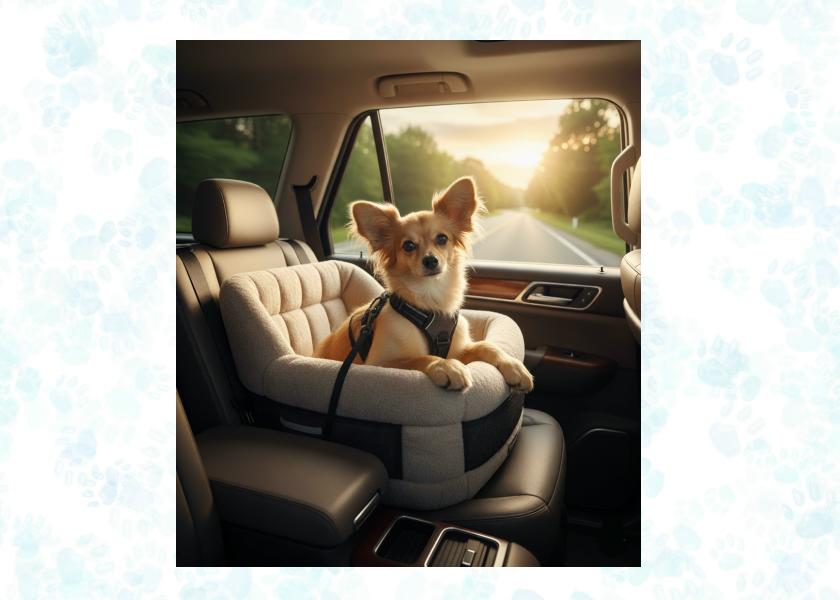
Use a safe restraint to keep your dog secure. Options include harnesses, seat belts, or crates. Choose what fits your dog best and feels comfortable. Proper restraint prevents sudden movement and injury. A calm dog is less likely to feel sick. Test different options to find the right one.
Proper Ventilation And Temperature
Keep the car cool and well-ventilated. Open windows slightly to allow fresh air. Avoid strong smells that can upset your dog’s nose. Use air conditioning on hot days. A cool, fresh environment reduces nausea and discomfort. Check often to ensure your dog stays comfortable.
Diet And Feeding Tips
Diet and feeding play a big role in helping dogs with car sickness. What and when your dog eats can affect their stomach during travel. Small changes can make a big difference in comfort and mood.
Choosing the right feeding routine helps reduce nausea and keeps your dog calm. Here are some easy tips to follow for better travel experiences.
Avoid Feeding Before Travel
Do not feed your dog right before a trip. A full stomach can cause upset and vomiting. Try to feed your dog at least two to three hours before leaving.
Light snacks are okay if the trip is long. Avoid heavy or rich foods that are hard to digest. This helps reduce the chance of car sickness.
Hydration Strategies
Keep your dog hydrated but avoid too much water before travel. Small sips of water are best to prevent nausea. Offer water regularly during stops on long trips.
Avoid sugary drinks or milk. Plain water is the safest and easiest on the stomach. Proper hydration helps your dog feel better and stay calm.
Use Of Digestive Aids
Digestive aids can help calm your dog’s stomach. Probiotics and natural supplements often improve digestion and reduce nausea. Ask your vet for safe options.
Ginger is a common natural remedy for upset stomachs. Some dog treats have added ginger for car sickness. Always check with your vet before giving supplements.
Behavioral Techniques
Behavioral techniques help dogs feel safer and calmer during car rides. These methods change how dogs react to travel. Consistent practice builds positive associations with the car. Small steps reduce stress and discomfort. Patience and gentle training bring the best results.
Positive Reinforcement
Reward your dog for calm behavior in the car. Use treats, praise, or toys as rewards. Give rewards right after good behavior. This teaches your dog that calmness brings rewards. Avoid punishment, which can increase anxiety. Positive reinforcement helps your dog enjoy car rides more.
Desensitization Training
Start by exposing your dog to the car slowly. Begin with just sitting inside the parked car. Gradually increase time spent inside without driving. Next, take short trips around the block. Slowly extend trip length over several days. This gradual exposure reduces fear and sickness. Keep sessions short and positive.
Calming Exercises
Teach your dog simple calming exercises before trips. Gentle petting and slow, deep breathing can soothe nerves. Practice these exercises in a quiet place first. Use them during car rides to ease anxiety. Calm dogs are less likely to feel sick. Regular practice strengthens relaxation skills.
Natural Remedies And Supplements
Natural remedies and supplements can help dogs with car sickness. These options often have fewer side effects than medicines. They support your dog’s comfort during travel. Try gentle, safe products to ease nausea and anxiety.
Ginger And Herbal Options
Ginger is a popular natural remedy for nausea in dogs. It calms the stomach and reduces vomiting. You can give ginger as a small chew or powder mixed in food. Herbs like chamomile and peppermint also soothe upset stomachs. Use herbal teas or supplements made for pets. Always check the right dose with your vet first.
Cbd Oil Use
CBD oil may help reduce anxiety and nausea in dogs. It comes from hemp plants and is safe in small amounts. Many pet owners report calmer dogs during car rides. Start with a low dose and watch how your dog reacts. Choose high-quality, pet-specific CBD products. Consult your vet before starting CBD oil.
Aromatherapy Benefits
Aromatherapy uses scents to calm dogs and ease motion sickness. Lavender and chamomile oils are gentle and relaxing. Use a diffuser in the car or apply diluted oils on a bandana. Avoid direct contact with your dog’s skin. Aromatherapy helps reduce stress and nausea naturally. Always use pet-safe essential oils and avoid strong smells.
Medications For Severe Cases
Some dogs experience severe car sickness that simple remedies cannot fix. In such cases, medications may help reduce nausea and vomiting. These drugs should only be used under professional guidance to ensure safety and effectiveness. Understanding the options and proper use of these medicines is important for your dog’s health.
Consulting A Veterinarian
Always talk to a veterinarian before giving your dog any medicine. The vet will check your dog’s health and recommend the best treatment. Self-medicating can be dangerous and may worsen symptoms. A professional opinion ensures the right drug and dose for your pet.
Common Anti-nausea Drugs
Several medicines help control car sickness in dogs. Some popular options include Cerenia, Dramamine, and diphenhydramine. These drugs work by blocking signals that cause nausea. Your vet will choose one based on your dog’s needs and health.
Safe Dosage Guidelines
Follow your vet’s instructions carefully on how much medicine to give. Dosage depends on your dog’s weight, age, and health condition. Never exceed the recommended amount. Watch your dog for any side effects and report them to the vet immediately.
During The Journey
Helping your dog during a car ride can reduce car sickness. The journey itself is a key time to keep your dog calm and comfortable. Small actions can make a big difference in how your dog feels while traveling. Focus on quiet, breaks, and watching your dog closely.
Keeping The Car Calm And Quiet
Keep the car environment peaceful. Avoid loud music or sudden noises. Speak softly to your dog in a calm voice. Lower the window a little for fresh air. Avoid strong smells that may upset your dog’s stomach. A steady temperature helps your dog feel better.
Regular Breaks And Exercise
Stop every hour or two for a short break. Let your dog stretch and walk. Exercise helps reduce nausea and stress. Offer water and a light snack if your dog wants. Keep breaks calm and quiet to avoid over-excitement. This routine helps your dog reset during the trip.
Monitoring Your Dog’s Condition
Watch your dog for signs of discomfort or sickness. Look for drooling, whining, or restlessness. If your dog seems very upset, pause the journey if possible. Keep a towel or wipes handy for any messes. Being alert helps you act quickly and keep your dog safe.
Post-travel Care
After a trip, your dog needs special care. Car sickness can make them feel tired and uneasy. Post-travel care helps your dog heal and feel better quickly. It also prepares them for future rides.
Cleaning And Comfort
Start by cleaning your dog gently. Use a damp cloth to wipe their face and paws. Remove any dirt or mess from the car seat. Provide a soft blanket or towel for your dog to rest on. A clean and cozy space helps calm your dog.
Rest And Recovery
Give your dog quiet time to rest. Avoid loud noises and busy areas. Let them lie down in a familiar place. Offer fresh water to keep them hydrated. Rest helps their body recover from car sickness.
Planning Future Trips
Think about shorter trips first. Gradually increase travel time as your dog adjusts. Pack familiar items like toys or blankets. Plan breaks for your dog to stretch and relax. Preparing well reduces car sickness in the future.
Credit: petsmartify.com
Frequently Asked Questions
What Causes Car Sickness In Dogs?
Car sickness in dogs is caused by motion, anxiety, and inner ear imbalance. The brain receives mixed signals from the eyes and inner ear, leading to nausea and discomfort during travel.
How Can I Prevent Dog Car Sickness?
Prevent dog car sickness by feeding light meals before trips, using calming aids, and ensuring proper ventilation. Gradually acclimate your dog to car rides to reduce anxiety and discomfort.
Are There Medications For Dog Car Sickness?
Yes, veterinarians can prescribe medications like antihistamines or anti-nausea drugs. Always consult your vet before giving any medication to ensure safety and proper dosage.
How Long Does Car Sickness Last In Dogs?
Car sickness symptoms usually stop within a few hours after the trip. With training and preventive measures, many dogs outgrow car sickness over time.
Conclusion
Helping a dog with car sickness takes patience and care. Start with short trips to build comfort. Keep the car cool and quiet to ease nerves. Offer treats and praise to create positive feelings. Try different seating spots to find the best place.
Watch your dog closely for signs of stress. Small steps lead to big improvements over time. Your dog will enjoy rides more with your support. Keep trying and stay calm for the best results. Safe and happy travels are possible with these tips.


