

Does your dog start shaking, whining, or panting the moment you step into the car? Watching your furry friend struggle with anxiety during car rides can be heartbreaking—and stressful for you too.
But what if you could help your dog feel calm and safe every time you hit the road? You’ll discover simple, effective ways to ease your dog’s car anxiety. Keep reading to learn how you can turn those tense trips into smooth, happy rides for both you and your pet.
Causes Of Car Anxiety In Dogs
Many dogs feel nervous or scared in cars. This anxiety can stop them from enjoying rides. Understanding why dogs feel this way helps to ease their fears. Causes of car anxiety vary from dog to dog. Some dogs react to certain things in the car. Others remember bad experiences from past trips. Recognizing these causes is the first step to help your dog.
Common Triggers
Many triggers cause anxiety in dogs during car rides. Loud noises from traffic or the car engine can scare them. The motion of the car can make some dogs feel sick. Strange smells inside the vehicle may confuse or upset your dog. A dog might also fear the car because of a past accident. New or busy places seen through the windows can be overwhelming. Even being confined in a small space can stress some dogs.
Symptoms To Watch
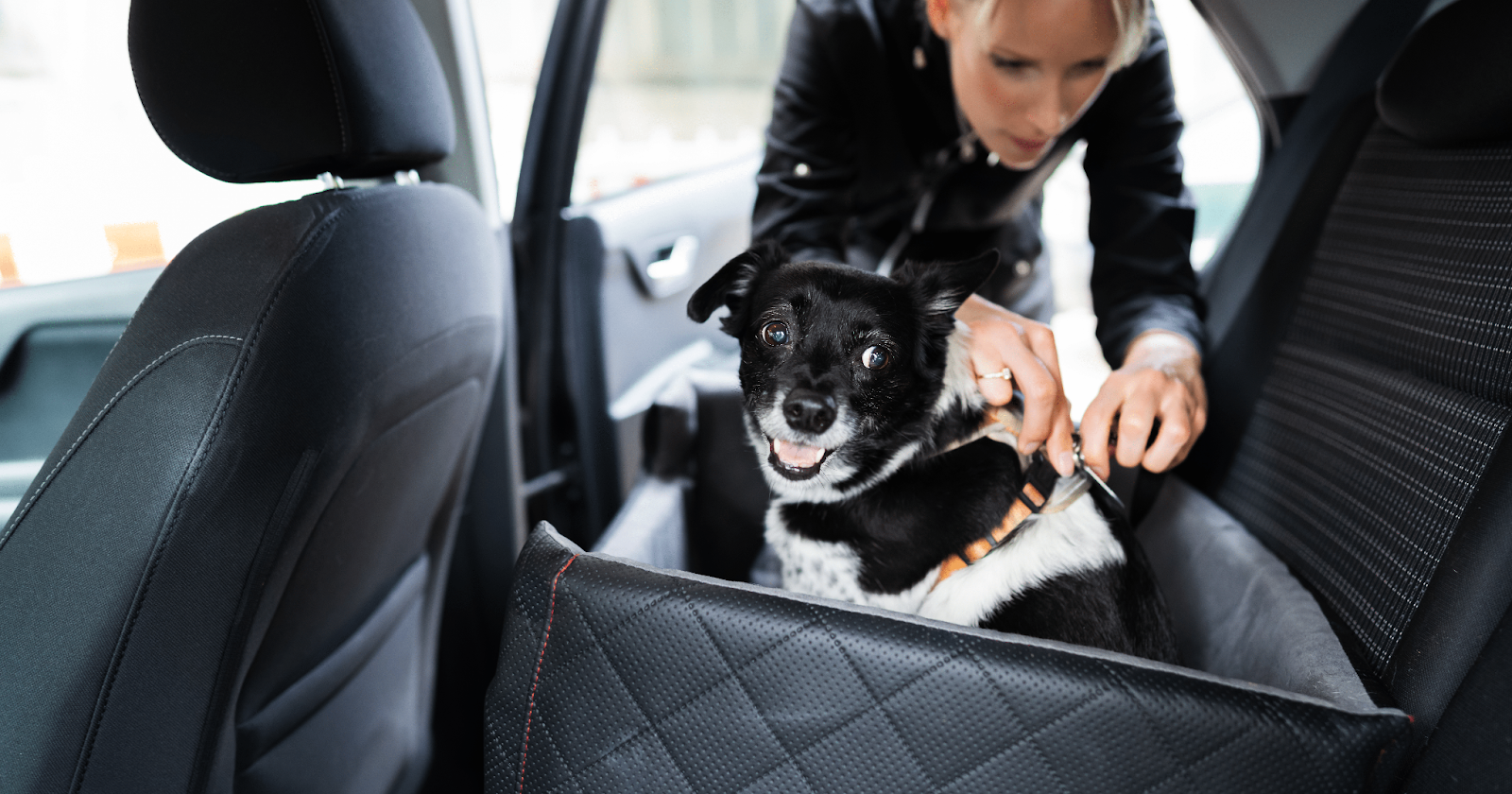
Dogs show anxiety in many ways during car trips. Panting and drooling more than usual are common signs. Some dogs whine, bark, or howl to express fear. Shaking or trembling can show they feel nervous. A dog might try to hide or crawl away inside the car. Loss of appetite or refusing to enter the car are red flags. Watch for pacing or restlessness as well. These symptoms signal your dog needs help to feel safe.
Credit: www.adaptil.co.uk
Preparing Your Dog For Car Rides
Preparing your dog for car rides is key to reducing anxiety. Dogs need time to get used to new experiences. A calm dog makes every trip easier and more fun.
Start by making the car a safe and familiar place. Gradual exposure helps your dog feel less scared and more comfortable. Practice and patience create positive memories for your dog.
Familiarizing The Car Environment
Let your dog explore the parked car first. Open the doors and let them sniff inside. Sit with your dog in the car without driving. Give treats and praise to create good feelings.
Place your dog’s favorite blanket or toy inside. This adds comfort and a sense of security. Avoid rushing the process. Spend several short sessions in the car.
Short Practice Trips
Begin with very short drives around the block. Keep trips brief to avoid stress. Use a calm, steady voice during the ride. Reward your dog after every trip with treats or playtime.
Slowly increase the drive length as your dog adapts. Watch for signs of anxiety and pause if needed. Regular practice helps your dog accept car rides as normal. This step builds confidence and reduces fear.
Calming Techniques During Travel
Travel can be stressful for dogs. Anxiety in the car is common. Using calming techniques helps your dog feel safe. These methods make trips more peaceful. Your dog can relax and enjoy the ride.
Try simple steps that bring comfort. Small changes create a big difference. Focus on what soothes your dog during travel.
Using Comfort Items
Bring your dog’s favorite blanket or toy. Familiar smells make them feel secure. Place these items close by in the car. They act like a cozy friend. Comfort items reduce stress and fear. Keep these things clean and always available.
Soothing Sounds And Music
Play soft music or white noise in the car. Gentle sounds calm your dog’s nerves. Avoid loud or sudden noises. Music with slow rhythms works best. This helps drown out road noise. Your dog listens and feels more relaxed. Use a playlist made for dogs if possible.
Natural Remedies And Supplements
Natural remedies and supplements can help ease dog anxiety during car rides. These options work gently and support your dog’s calmness without strong chemicals. They often have fewer side effects and can be combined with training and comfort techniques.
Many dog owners find that natural solutions improve their pet’s mood and reduce stress. Using herbs and supplements can create a more relaxing car experience for your furry friend. These choices focus on promoting balance and peace in the dog’s body and mind.
Herbal Options
Herbs like chamomile, valerian root, and lavender help calm dogs naturally. Chamomile soothes nerves and reduces restlessness. Valerian root acts as a mild sedative to ease tension. Lavender’s scent promotes relaxation and lowers anxiety levels.
These herbs come as teas, oils, or treats. Use them carefully and follow dosage instructions. Always check with your vet before starting herbal remedies. Some herbs may not suit all dogs or could interact with other medicines.
Recommended Supplements
Supplements like CBD oil, L-theanine, and melatonin can help reduce car anxiety. CBD oil supports the nervous system and lowers stress. L-theanine boosts calming brain chemicals and helps focus. Melatonin regulates sleep and soothes restless dogs.
Give supplements in the right amounts for your dog’s size. Watch your pet closely for any side effects. Consult your vet before adding supplements to your dog’s routine. Proper use enhances comfort and makes car rides less stressful.
Training Strategies To Reduce Anxiety
Training helps reduce your dog’s car anxiety effectively. It builds confidence and creates positive associations with car rides. Start training in small steps. Be patient. Consistency matters most. Two key methods work well: positive reinforcement and desensitization. These strategies make travel calmer for your pet.
Positive Reinforcement
Positive reinforcement rewards good behavior. Give treats or praise when your dog stays calm in the car. Use a calm voice and gentle petting. This teaches your dog that car rides bring good things. Avoid punishment, which can increase anxiety. Repeat this often. Your dog will connect the car with happy moments.
Desensitization Methods
Desensitization means slowly getting your dog used to the car. Start by sitting in the car without driving. Let your dog explore and relax inside. Gradually add short drives. Increase time little by little. Stop if your dog gets stressed. Practice often to build comfort. This method reduces fear step by step.

Credit: www.reddit.com
When To Consult A Veterinarian
Knowing when to seek help from a veterinarian is important for your dog’s car anxiety. Some signs show anxiety is severe and needs professional care. Early action can prevent stress from getting worse.
Recognizing Severe Anxiety
Severe anxiety includes trembling, drooling, or refusing to enter the car. Excessive barking or howling during trips also signals distress. Some dogs may try to escape or injure themselves.
If your dog shows these signs often or strongly, consult a veterinarian. Mild nervousness differs from constant panic that affects health.
Medical Treatment Options
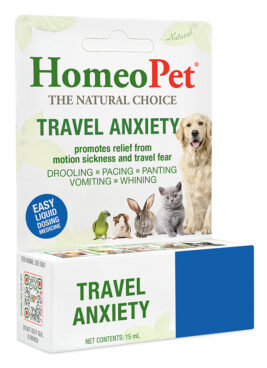
Veterinarians may suggest calming medications for car anxiety. These help reduce stress and make trips safer.
Sometimes, vets recommend natural supplements or behavior therapy. A tailored plan improves comfort during travel.
Professional advice ensures treatments suit your dog’s needs. Never give medicine without guidance.
Credit: www.homeopet.com
Frequently Asked Questions
How Can I Calm My Dog’s Car Anxiety Quickly?
Use calming aids like pheromone sprays or anxiety wraps. Play soft music and ensure good ventilation. Keep car trips short initially to build comfort gradually.
What Are The Main Causes Of Dog Car Anxiety?
Loud noises, motion sickness, and unfamiliar environments often trigger anxiety. Past negative experiences can also make dogs fearful during car rides.
Are There Specific Training Tips To Reduce Car Anxiety?
Yes, gradual desensitization helps. Start with short, positive car trips. Reward calm behavior and avoid forcing your dog into the car suddenly.
Can Natural Remedies Help With My Dog’s Car Anxiety?
Natural remedies like chamomile or CBD oil may ease anxiety. Always consult a vet before using any supplements to ensure safety and effectiveness.
Conclusion
Helping your dog feel calm in the car takes time and patience. Small steps, like short trips and treats, build trust. Stay calm yourself, as dogs sense your mood. Use comfort items, like a favorite blanket or toy. Practice often, and celebrate progress, no matter how small.
Soon, your dog will enjoy car rides more. Safe, happy trips are possible with care and effort. Keep trying—you both will benefit from the journey.

