

Have you ever noticed your dog lowering its head, avoiding eye contact, or rolling onto its back when you’re nearby? These actions aren’t just random—they’re part of something called appeasement behavior.
Understanding these subtle signals can change the way you connect with your furry friend. You’ll discover why your dog uses these behaviors, what they really mean, and how recognizing them can improve your bond. Keep reading to unlock the secrets behind your dog’s calming gestures and make your relationship stronger than ever.
Signs Of Appeasement
Signs of appeasement in dogs show how they try to calm others. These signs help avoid fights and keep peace. Dogs use different ways to show they mean no harm. Understanding these signs helps owners know what their dog feels.
Body Language Cues
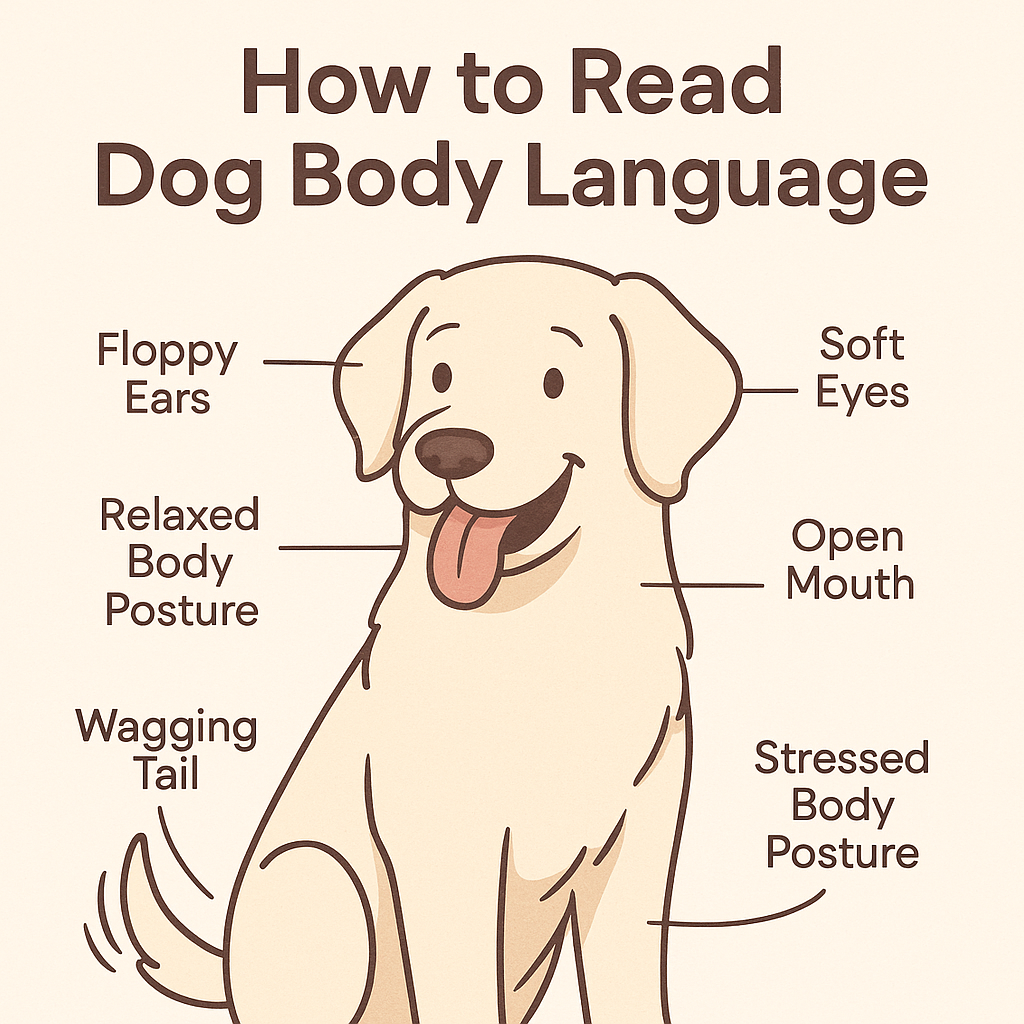
Dogs use their bodies to show appeasement. They lower their heads or turn them away. Avoiding eye contact is common. Some dogs tuck their tails between their legs. Slow blinking or softening their eyes also means peace. These signals tell others the dog is not a threat.
Vocal Signals
Dogs make soft sounds to show they want calm. Whining or quiet whimpering can signal appeasement. Gentle growls or low barks may also happen. These sounds are less intense than normal warnings. They help dogs communicate without starting fights.
Common Appeasement Behaviors
Some dogs lick lips or yawn to show they are calm. Rolling over and showing their belly is a big sign. This shows trust and submission. Sniffing the ground or moving slowly also helps ease tension. These actions help dogs keep peace with others around them.

Credit: www.auntiem-petcare.com
Causes Behind Appeasement
Appeasement behavior in dogs shows how they handle stress and social situations. This behavior helps dogs avoid conflict and keep peace. Understanding the causes behind appeasement reveals why dogs act this way.
Social Dynamics
Dogs live in groups with clear social rules. Appeasement helps them fit in and avoid fights. A dog may lower its body or avoid eye contact to show respect. This keeps the group calm and safe.
Fear And Anxiety
Fear often triggers appeasement behavior. A dog may feel scared of people, other dogs, or new places. Showing calm signals helps the dog feel less threatened. It is a way to prevent harm and stress.
Previous Experiences
Past events shape a dog’s behavior. Dogs that faced punishment or bullying might use appeasement more. They learn to act gently to avoid trouble. Good or bad, experiences teach dogs how to react.
Impact On Dog Behavior
Appeasement behavior in dogs affects their overall actions and feelings. This behavior shows how dogs try to avoid conflict and keep peace. It can shape how they act around people and other dogs. Understanding this impact helps improve training and care.
Stress Levels
Dogs use appeasement signals to reduce stress. These actions include lowering their body, licking lips, or avoiding eye contact. Such behaviors show the dog feels uneasy or scared. Constant appeasement can mean the dog is often stressed. High stress harms a dog’s health and mood.
Relationship With Owners
Appeasement behavior affects trust between dogs and owners. Dogs may show submission to avoid punishment. This can create a one-sided relationship. Owners might miss signs of fear or discomfort. Understanding appeasement helps build stronger, kinder bonds.
Interaction With Other Dogs
Dogs use appeasement to keep peace with other dogs. These signals stop fights before they start. A dog that shows appeasement is less likely to face aggression. It helps dogs live together calmly. Ignoring these signs can lead to misunderstandings and fights.
Credit: funnyfuzzy.co.uk
Training Approaches
Training a dog with appeasement behavior requires patience and understanding. These dogs often show signs of submission to avoid conflict. Training should focus on gentle methods that build trust and encourage positive interactions. Approaches that respect the dog’s feelings help reduce fear and anxiety. Here are effective training methods to support dogs with appeasement behavior.
Positive Reinforcement
Positive reinforcement rewards good behavior with treats, praise, or play. This method encourages dogs to repeat desired actions. It helps dogs feel safe and valued. Avoid punishment or harsh corrections. They can increase fear and worsen appeasement signals. Use treats or kind words when your dog stays calm or shows confidence.
Building Confidence
Confidence-building exercises help shy dogs feel stronger. Simple commands like sit, stay, or come boost self-esteem. Practice these commands in quiet places first. Gradually introduce new people and environments. Celebrate small victories to encourage progress. Confident dogs show less appeasement and more balanced behavior.
Correcting Misinterpretations
Dogs often misread human signals, causing stress. Learn to recognize your dog’s signs of fear or submission. Avoid sudden movements or loud voices. Teach family members to approach calmly and gently. Clear communication prevents misunderstandings. Correct misinterpretations by calmly redirecting your dog’s focus. This helps them feel more secure and relaxed.
Creating A Supportive Environment
Creating a supportive environment helps dogs feel safe and calm. Dogs show appeasement behavior to avoid conflict and stress. A peaceful space reduces their need to act nervous or scared. Setting up a good environment builds trust and comfort for your dog.
Small changes make a big difference. Each dog needs clear signals and calm surroundings. This helps them stay relaxed and happy. Below are key steps to create a supportive place for your dog.
Consistent Routine
Dogs thrive with regular schedules. Feeding, walking, and playing at set times reduce anxiety. A routine shows what to expect next. This lowers stress and appeasement acts. Keep the same order daily for calm behavior.
Safe Spaces
Provide a quiet spot just for your dog. A cozy bed or crate works well. This space lets your dog escape noise or crowds. Feeling safe here helps reduce nervousness. Respect their need to rest alone sometimes.
Socialization Techniques
Introduce new people and dogs slowly. Use gentle, positive experiences only. Watch your dog’s body language closely. Praise calm and friendly actions. Good social skills lessen fear and appeasement signs. Practice short, calm meetings often.
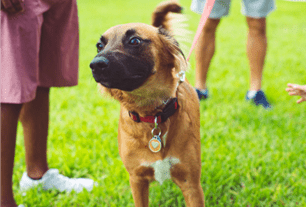
Credit: vcahospitals.com
When To Seek Professional Help
Dogs show appeasement behavior to avoid conflict and stay safe. Sometimes, this behavior grows too strong or causes problems. Knowing when to seek professional help is important. It can improve your dog’s life and your bond. Professionals offer guidance and support for tough cases.
Behavioral Therapy Options
Behavioral therapy helps dogs learn new ways to cope. Trainers use reward-based methods to reduce fear and stress. Therapy may include desensitization and counter-conditioning. These techniques change how dogs react to triggers. Therapy is gentle and respects the dog’s pace. It helps build confidence and calmness over time.
Choosing A Trainer
Pick a trainer with experience in dog behavior issues. Look for certified professionals who use positive training. Avoid trainers who rely on punishment or fear. A good trainer listens to your concerns and explains steps clearly. Trust and communication between you, your dog, and trainer matter most.
Signs Of Severe Anxiety
Severe anxiety shows in repeated, intense signs. Dogs may shake, hide, or refuse food. Excessive barking, chewing, or self-harm also signal distress. These signs need quick attention from a professional. Early help prevents worsening and eases your dog’s discomfort.
Frequently Asked Questions
What Is Appeasement Behavior In Dogs?
Appeasement behavior is a dog’s way to show submission and avoid conflict. It includes gestures like lip licking, yawning, and turning away. These actions help calm situations and communicate peaceful intentions to other dogs or humans.
Why Do Dogs Show Appeasement Behavior?
Dogs use appeasement to signal respect and reduce tension. It helps maintain social harmony and prevent aggression. This behavior often appears during stressful or unfamiliar interactions, showing the dog’s intent to stay friendly and non-threatening.
How Can I Recognize Appeasement Signals In My Dog?
Look for signs like avoiding eye contact, lowering the body, licking lips, yawning, or rolling over. These subtle cues indicate your dog is trying to calm the environment or show submission. Understanding these helps improve your bond and communication.
Does Appeasement Behavior Mean A Dog Is Scared?
Not always, but it often indicates the dog feels uncertain or stressed. Appeasement can be a strategy to avoid conflict rather than pure fear. Recognizing this helps owners respond calmly and supportively to their dog’s emotions.
Conclusion
Dogs use appeasement behavior to show peace and avoid fights. These signals help keep friendships strong. Watching your dog’s body language teaches you their feelings. Understanding these signs builds trust between you and your pet. It also helps prevent stress and fear in dogs.
Remember, patience and kindness bring out the best in your dog. Every dog speaks in its own way. Pay attention. Respond with care. Your bond will grow stronger every day.


