

Bringing a Dalmatian puppy into your home is an exciting adventure, but training them can feel overwhelming. You want your playful pup to grow into a well-behaved companion, yet sometimes it’s hard to know where to start.
What if you had simple, effective tips that make training easier and even enjoyable? This guide will help you understand your Dalmatian’s unique needs and show you how to build a strong bond while teaching good habits. Keep reading, and discover how to turn your energetic puppy into the perfect family member.
Preparing For Your Dalmatian Puppy
Bringing a Dalmatian puppy home is exciting and needs careful planning. These active dogs need a safe and loving environment to grow well. Preparing your home before the puppy arrives helps reduce stress for both of you. It sets the stage for good habits and happy days together.
Setting Up A Safe Space
Create a small, quiet area for your puppy. Use baby gates or a playpen to keep them secure. Make sure the space is free from wires, sharp objects, and toxic plants. Soft bedding and toys should be inside. This spot becomes their safe place to rest and feel calm.
Essential Supplies
Gather all supplies before your puppy comes home. You need a collar, leash, food and water bowls, and puppy food. Choose toys that are safe and durable. Don’t forget cleaning supplies for accidents. Having everything ready helps your puppy settle quickly.
Scheduling Vet Visits
Book a vet appointment soon after bringing your puppy home. The vet checks your puppy’s health and gives vaccinations. Discuss flea and worm prevention too. Regular vet visits keep your Dalmatian healthy and happy. Early care prevents many health problems later.
Basic Training Commands
Teaching basic commands helps your Dalmatian puppy behave well. It builds trust between you and your dog. Simple commands make daily life easier. Start training early for best results. Keep sessions short and fun. Use treats and praise to encourage good behavior.
Teaching Sit And Stay
Begin with the “Sit” command. Hold a treat above your puppy’s nose. Move it back slowly over the head. Your puppy will naturally sit. Say “Sit” clearly as the puppy moves. Give the treat and praise immediately. Repeat this several times a day.
Next, teach “Stay.” Ask your puppy to sit first. Show your palm and say “Stay.” Take a small step back. If your puppy stays, give a treat and praise. Increase distance slowly. Practice in quiet places to avoid distractions.
Introducing Come And Heel
Use “Come” to call your puppy to you. Start indoors with no distractions. Say “Come” in a happy voice. Show a treat or toy to attract attention. Reward your puppy when it reaches you. Practice often to build reliability.
“Heel” means walking close to your side. Hold a treat near your leg. Say “Heel” and start walking slowly. Encourage your puppy to stay by your side. Reward with treats and praise. Stop if your puppy pulls. Repeat regularly during walks.
Mastering Leave It And Drop
“Leave It” stops your puppy from grabbing things. Show a treat in a closed fist. Say “Leave It” firmly. Wait until the puppy stops trying. Give a different treat from the other hand. Practice with toys and objects on the ground.
“Drop” helps your puppy release items from the mouth. Offer a treat and say “Drop.” Wait for your puppy to open its mouth. Take the item gently and give the treat. Use this command during playtime. Be patient and consistent.
Housebreaking Techniques
Housebreaking a Dalmatian puppy needs patience and clear steps. This process helps your puppy learn where to go potty. Consistency is the key to success. Training should start as soon as you bring your puppy home. Small pups have tiny bladders and need frequent bathroom breaks. Use positive methods to encourage good habits. Avoid punishment to keep your puppy confident and happy.
Establishing A Routine
Set regular times for bathroom breaks. Take your puppy out early in the morning, after meals, and before bedtime. A schedule helps your puppy understand when and where to go. Watch for signs like sniffing or circling. Take your pup outside quickly when you see these signs. Praise your puppy loudly and gently when it goes outside.
Crate Training Benefits
Use a crate to help your puppy learn control. Dogs do not like to soil their sleeping area. A crate gives your puppy a safe place to rest. It also helps prevent accidents inside the house. Make the crate cozy with soft bedding and toys. Never use the crate as punishment. Gradually increase the time your puppy stays inside.
Handling Accidents Calmly
Accidents will happen. Stay calm and do not yell. Clean the area thoroughly to remove smells. This prevents repeat accidents in the same spot. Gently guide your puppy outside after an accident. Use kind words to teach better habits. Patience and calmness build trust and encourage learning.
Credit: www.reddit.com
Socializing Your Dalmatian
Socializing your Dalmatian puppy is key to raising a happy, confident dog. Early social experiences help your puppy learn how to behave around others. This training shapes their personality and reduces fear or aggression. Start socializing soon after bringing your puppy home. Make these moments positive and gentle.
Introducing To Other Dogs
Introduce your Dalmatian to friendly dogs in safe places. Watch their body language closely. Let them sniff and explore without rushing. Short, calm meetings work best. Avoid crowded dog parks at first. Gradually increase the time they spend with new dogs. This helps your puppy feel more comfortable.
Meeting New People
Expose your Dalmatian to different people regularly. Include children, adults, and elderly individuals. Encourage gentle petting and calm voices. Keep interactions short and positive. Praise your puppy for calm behavior. This builds trust and reduces shyness or fear.
Exposure To Different Environments
Take your Dalmatian to various places. Try parks, streets, and pet-friendly stores. Let your puppy see new sights, sounds, and smells. Keep the experiences fun and stress-free. This helps them adapt to change easily. A well-exposed Dalmatian stays relaxed in new situations.
Dealing With Common Behavior Issues
Training a Dalmatian puppy can be exciting and challenging. Common behavior issues like biting, chewing, excess energy, and barking often arise. Addressing these early helps create a happy, well-behaved dog. Understanding why your puppy acts this way is key. Consistent training and patience work best to solve these problems.
Biting And Chewing Solutions
Puppies explore the world with their mouths. Biting and chewing are natural but must be controlled. Provide plenty of chew toys to distract your Dalmatian. Praise gentle play and stop play if biting gets hard. Teach bite inhibition by yelping softly when bitten. Replace your hand with a toy to guide chewing. Consistency helps your puppy learn acceptable behavior.
Managing Excess Energy
Dalmatians have lots of energy. Without enough exercise, they become restless and misbehave. Daily walks and playtime reduce hyperactivity. Use games like fetch to tire your puppy. Mental stimulation also matters; puzzle toys work well. A tired puppy is a calm puppy. Set a routine to keep energy balanced.
Addressing Barking Problems
Barking is normal but can be a problem if constant. Identify why your puppy barks: boredom, fear, or attention-seeking. Ignore attention-seeking barks to discourage them. Teach a quiet command and reward silence. Provide toys and activities to prevent boredom. Calm environments help reduce nervous barking. Patience and clear commands guide your Dalmatian to better behavior.
Advanced Training Tips
Advanced training for your Dalmatian puppy builds on basic skills. It helps your dog learn new behaviors and stay sharp. Training becomes more fun and rewarding for both you and your puppy. These tips focus on positive methods to keep training enjoyable and effective.
Using Positive Reinforcement
Positive reinforcement means rewarding good behavior. Use treats, praise, or play as rewards. This encourages your Dalmatian to repeat good actions. Avoid punishment, which can cause fear or confusion. Timing is key—give rewards right after the desired behavior.
Incorporating Clicker Training
Clicker training uses a small device to mark good behavior. The click sound tells your puppy it did well. Pair the click with a treat to build a strong connection. This method helps your Dalmatian learn commands faster. It also makes training clear and fun.
Teaching Fun Tricks
Tricks keep your Dalmatian mentally active and happy. Start with simple tricks like “shake” or “spin.” Use treats and clicks to guide your puppy step by step. Practice short sessions to keep your puppy interested. Fun tricks improve your bond and boost confidence.
Maintaining Consistency And Patience
Training a Dalmatian puppy requires steady effort and calm patience. Puppies learn best when routines stay the same every day. Consistency helps your puppy understand what is expected. Patience allows your puppy to grow and learn at its own pace. This balance builds trust and good behavior.
Start with small, clear steps. Celebrate progress, no matter how small. Avoid frustration to keep training fun and positive.
Setting Realistic Goals
Set simple goals for your puppy’s training. Focus on one skill at a time. For example, teach “sit” before moving to “stay.” Realistic goals prevent stress for both you and your puppy. Keep goals clear and easy to reach.
Tracking Progress
Write down your puppy’s achievements daily. Note good behaviors and areas needing work. Tracking helps you see improvement over time. It keeps training focused and organized. Small wins encourage you to keep going.
Avoiding Common Mistakes
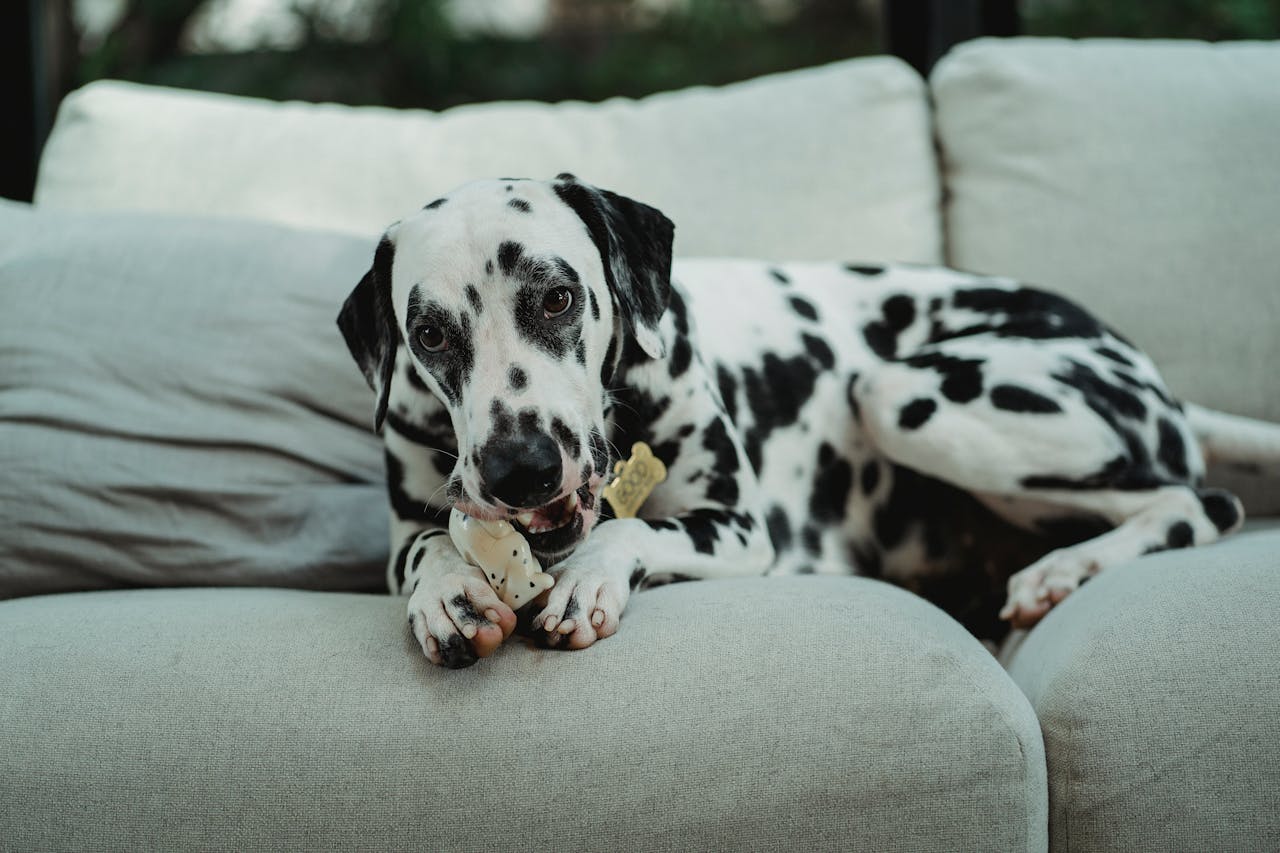
Do not change rules often. Mixed signals confuse your puppy. Avoid yelling or punishment as it scares your dog. Stay calm and use gentle commands. Never rush training sessions. Short, regular practice works best.
Credit: www.petlandkansascity.com

Credit: www.amazon.com
Frequently Asked Questions
How To Start Training A Dalmatian Puppy?
Begin with basic commands like sit, stay, and come. Use positive reinforcement and short sessions. Consistency is key to effective training.
What Is The Best Age To Train A Dalmatian Puppy?
Start training as early as 8 weeks old. Early training helps build good habits and social skills. Puppies learn faster at a young age.
How To Handle Dalmatian Puppy’s Energy During Training?
Incorporate regular exercise before training sessions. Use interactive play to keep your puppy focused. Break training into short, engaging activities.
Are Dalmatian Puppies Easy To House Train?
Dalmatian puppies can be house trained with patience. Establish a routine, take them outside frequently, and reward success. Consistency speeds up house training.
Conclusion
Training a Dalmatian puppy takes time and patience. Consistency helps your puppy learn good habits faster. Use positive rewards to encourage good behavior every day. Short training sessions keep your puppy focused and happy. Remember, each puppy learns at its own pace.
Stay calm and enjoy the process together. A well-trained Dalmatian becomes a loyal and happy friend. Keep practicing and building a strong bond with your puppy. Training is a journey worth every moment.


