

Bringing a Dachshund puppy into your life is an exciting adventure, but it can also feel a bit overwhelming. You want to give your new furry friend the best start, but where do you begin?
From training tricks to health tips, every step you take now shapes your puppy’s future. Keep reading, because these Dachshund puppy tips will help you build a strong bond, avoid common mistakes, and make sure your little buddy grows up happy and healthy.
Your journey to becoming the best pet parent starts here.
Choosing The Right Dachshund Puppy
Choosing the right Dachshund puppy is an important step. This decision shapes your life and your new pet’s future. Dachshunds are lively and loving dogs. They need care and attention from the start. Picking a puppy that fits your home and lifestyle matters. Understanding where to get your puppy and what to check helps a lot.
Breeder Vs. Adoption
Breeders offer puppies with known backgrounds. They often provide health and pedigree information. Adoption shelters have Dachshunds that need new homes. These dogs might be older or mixed breeds. Both choices have benefits. Breeders help with specific traits and health guarantees. Adoption saves lives and can be less costly. Choose based on your needs and readiness to care.
Recognizing Healthy Puppies
Healthy puppies have bright eyes and clean ears. Their coats should be shiny and smooth. Check if the puppy moves easily and plays actively. Avoid puppies with runny noses or coughing sounds. Healthy puppies eat well and sleep soundly. Watch for signs of illness like swelling or bad smells. A vet check is always a smart step before bringing one home.
Temperament Traits To Look For
Dachshunds can be bold and curious. Look for a puppy that shows confidence but is not too shy. Puppies that play gently and respond to you quickly are good choices. Calm and friendly puppies usually adjust well to families. Avoid overly aggressive or very fearful puppies. Temperament affects how your dog grows and fits into your home. Spend time with the puppy to understand its personality.
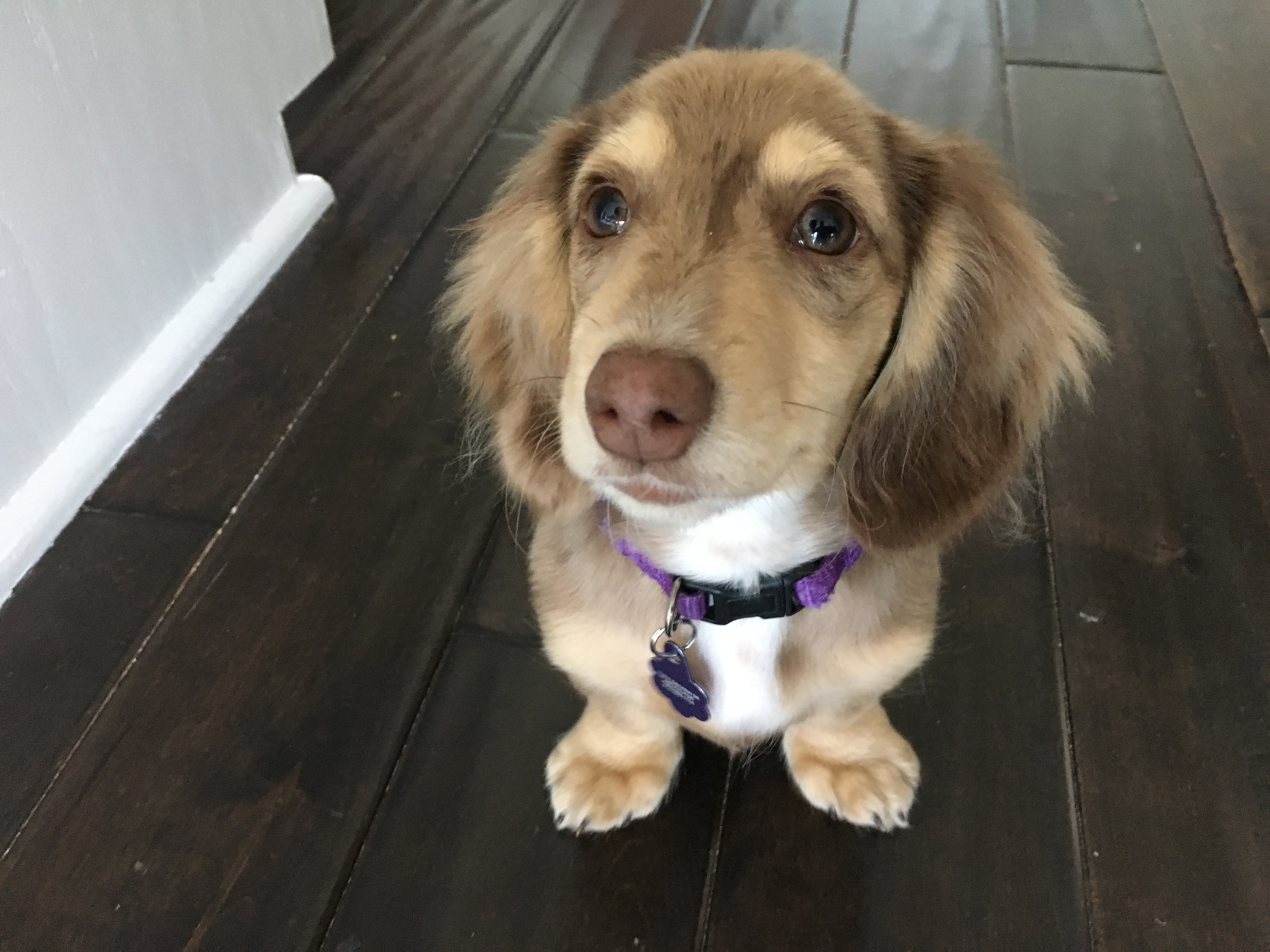
Credit: www.doggoneproblems.com
Preparing Your Home
Getting your home ready for a Dachshund puppy helps your new pet feel safe and happy. Puppies need a calm place to explore and rest. A prepared home keeps them away from danger and makes training easier.
Safe Spaces And Puppy-proofing
Create areas where your puppy can stay safe. Use baby gates to block off stairs or rooms. Hide electrical cords and small items your puppy might chew or swallow. Remove toxic plants and chemicals from reach. Check for sharp edges or loose objects that can hurt your puppy.
Essential Supplies
Buy basic supplies before your puppy arrives. Food and water bowls, puppy food, and treats are must-haves. Get chew toys and safe bones to keep your puppy busy. A collar, leash, and ID tag help with walks and safety. Clean-up bags and puppy pads make house training easier.
Setting Up A Cozy Bed
Choose a soft bed that fits your Dachshund’s size. Place it in a quiet corner where the puppy can rest. Add a small blanket or toy for comfort. Keep the bed clean and dry. A cozy bed helps your puppy feel secure and sleep well.
Feeding Your Dachshund
Feeding your Dachshund puppy is very important for healthy growth. They need the right food to build strong bones and muscles. Good nutrition also helps keep their energy up and supports a shiny coat.
Choosing the right diet and feeding habits can prevent health problems. It also helps your puppy stay happy and active. Let’s explore how to feed your Dachshund properly.
Best Diet For Growth
Choose a high-quality puppy food made for small breeds. It should have protein, fats, and vitamins. Protein helps build muscles. Fats give energy and support brain growth. Vitamins and minerals keep bones strong.
Feed your puppy three to four small meals daily. This helps with digestion and steady energy. Avoid adult dog food because it lacks needed nutrients. Always provide fresh water alongside meals.
Avoiding Overfeeding
Dachshunds can gain weight easily. Overfeeding causes obesity and joint problems. Measure your puppy’s food using a cup or scale. Follow feeding instructions on the food package.
Watch your puppy’s weight weekly. Adjust portions if you see extra fat or slow movement. Avoid giving table scraps or too many treats. Keep your puppy active with play and walks.
Treats And Supplements
Use treats to reward good behavior, not to replace meals. Choose healthy treats low in calories and free of fillers. Small pieces of cooked chicken or carrots work well.
Supplements are usually not needed if your puppy eats balanced food. Consult your vet before adding vitamins or minerals. Some supplements can harm your puppy if given in excess.
Training And Socialization
Training and socialization shape your Dachshund puppy’s behavior. Start early to build good habits. Consistent training helps them understand rules. Socialization makes them friendly and confident. It prevents fear and aggression later. Gentle guidance is key. Patience and positive rewards work best with this breed.
Basic Commands
Teach simple commands like sit, stay, and come first. Use short words and clear tones. Repeat commands during short sessions, five to ten minutes. Reward your puppy with treats or praise. Avoid harsh words or punishment. Consistency helps your puppy learn faster. Practice commands in different places to strengthen understanding.
Housebreaking Tips
Set a regular schedule for bathroom breaks. Take your puppy outside after meals and naps. Choose a quiet, specific spot for them to go. Praise and reward immediately after they do their business. Watch for signs like sniffing or circling. Clean accidents with odor remover to avoid repeat spots. Be patient; accidents are part of learning.
Introducing To Other Pets
Introduce your Dachshund slowly to other pets. Use a calm, controlled environment for first meetings. Keep your puppy on a leash at first. Allow pets to sniff and observe each other. Watch body language for signs of stress or aggression. Separate if needed and try again later. Positive experiences build good relationships between pets.
Exercise And Play
Exercise and play are very important for Dachshund puppies. These small dogs have lots of energy and need daily activity. Playtime helps them stay happy and healthy. It also builds a strong bond between you and your puppy. Keeping exercise safe and fun is key for their growth and well-being.
Daily Activity Needs
Dachshund puppies need about 30 minutes of exercise every day. Break this into two or three short sessions. Walks, light running, and gentle play are good choices. Avoid long or hard exercise to protect their backs. Watch for signs of tiredness and let them rest as needed.
Safe Toys For Dachshunds
Choose toys that are soft and small enough for your puppy’s mouth. Avoid toys with small parts that can be swallowed. Chew toys help keep their teeth clean and strong. Toys that bounce or squeak can make playtime exciting. Always check toys for damage and replace them if needed.
Preventing Joint Issues
Dachshunds have long backs and short legs. This makes them prone to joint problems. Do not let your puppy jump from high places. Use ramps or stairs to help them get on furniture safely. Keep their weight in a healthy range to avoid extra stress on joints. Gentle exercise and proper care support strong bones and joints.

Credit: www.youtube.com
Health Care Essentials
Keeping your Dachshund puppy healthy is very important. Good health care helps your puppy grow strong and happy. It also prevents many common diseases. Understanding basic health care essentials makes your job easier. Let’s explore key health tips for your Dachshund puppy.
Vaccinations And Vet Visits
Vaccinations protect your puppy from serious illnesses. Puppies need shots against parvovirus, distemper, and rabies. Your vet will set a vaccination schedule. Regular vet visits help track your puppy’s growth. The vet can spot health problems early. Keep a record of all vaccinations and checkups.
Common Health Concerns
Dachshunds have some health issues to watch for. Back problems are common because of their long spine. Avoid letting your puppy jump from high places. Obesity can worsen joint and back pain. Keep your puppy at a healthy weight. Watch for signs of breathing trouble or skin allergies. Early care can improve your puppy’s life.
Dental Hygiene
Good dental care keeps your puppy’s teeth strong. Brush your puppy’s teeth gently with a dog toothbrush. Use toothpaste made for dogs only. Check teeth for tartar or bad breath. Poor dental health can cause pain and infection. Regular brushing and vet dental checks are important.
Grooming Your Puppy
Grooming your Dachshund puppy helps keep them clean and healthy. It also builds a strong bond between you and your pet. Regular grooming prevents skin problems and keeps their coat shiny. Start grooming early to make your puppy comfortable with the routine.
Coat Types And Care
Dachshunds have three main coat types: smooth, long-haired, and wire-haired. Smooth coats need weekly brushing to remove loose hair. Long-haired Dachshunds require more brushing to avoid tangles and mats. Wire-haired coats benefit from gentle hand-stripping or brushing. Choose brushes that suit your puppy’s coat type for best results.
Nail Trimming Tips
Trim your puppy’s nails every two to three weeks. Use sharp, small nail clippers made for dogs. Avoid cutting too close to the quick, the sensitive part inside the nail. If unsure, trim a little at a time to prevent bleeding. Regular nail care keeps your puppy comfortable and helps prevent injury.
Bathing Frequency
Bath your Dachshund puppy once every one to two months. Use a mild puppy shampoo to protect their skin. Too frequent baths can dry out their coat and skin. Make sure to rinse well and dry your puppy thoroughly. Bathing less often keeps natural oils intact for a healthy coat.
Handling Behavioral Challenges
Handling behavioral challenges with Dachshund puppies takes patience and clear methods. These little dogs have big personalities and sometimes test limits. Understanding why they act certain ways helps guide their behavior. Consistency in training builds trust and good habits. Small steps every day lead to better behavior and a happier puppy.
Dealing With Barking
Dachshunds bark to alert or get attention. Teach them to stop barking on command. Use a calm voice to say “quiet” or “enough.” Reward silence with treats or praise. Avoid yelling; it can make barking worse. Provide toys or distractions to reduce boredom. Regular walks help burn energy and lower barking.
Managing Separation Anxiety
Dachshund puppies may feel scared when alone. Start with short separations and increase time slowly. Leave a toy or blanket with your scent. Create a safe, quiet space for your puppy. Avoid long goodbyes to reduce stress. Exercise before leaving helps calm nerves. Consistent routines make your puppy feel secure.
Chewing And Digging Solutions
Chewing and digging are natural puppy behaviors. Provide chew toys to protect your furniture. Redirect your puppy to toys when chewing starts. Praise good chewing habits to encourage them. For digging, create a designated digging spot outside. Bury toys or treats there to attract them. Supervise playtime to prevent unwanted damage.

Credit: youdidwhatwithyourweiner.com
Frequently Asked Questions
How Do I Care For A Dachshund Puppy’s Health?
Regular vet checkups and vaccinations are essential. Feed a balanced diet and monitor for signs of back problems. Keep your puppy active but avoid excessive jumping to protect their spine.
What Is The Best Diet For A Dachshund Puppy?
Feed high-quality puppy food rich in protein and nutrients. Avoid overfeeding to prevent obesity, which stresses their back. Fresh water should always be available to keep your puppy hydrated.
How Can I Train A Dachshund Puppy Effectively?
Use positive reinforcement techniques like treats and praise. Be consistent and patient, as Dachshunds can be stubborn. Short training sessions work best to keep their attention.
What Are Common Behavioral Traits Of Dachshund Puppies?
They are curious, playful, and sometimes stubborn. Dachshunds may bark a lot and can be wary of strangers. Early socialization helps manage these behaviors and builds confidence.
Conclusion
Caring for a Dachshund puppy takes time and patience. Small steps each day build a strong bond. Teach them gently and praise often. Keep their health and safety as a top priority. Play and rest balance their energy well. Enjoy every moment with your new friend.
Trust your instincts and learn together. This journey brings joy and lasting memories.


