

If you’ve just brought home a new puppy, nights can feel like a challenge. You want your puppy to feel safe, but you also need a good night’s sleep.
Crate training at night is one of the best ways to help your puppy settle down and create a healthy routine. But how do you make sure your puppy stays calm, comfortable, and quiet through the night? You’ll find simple, effective crate training tips that will help both you and your puppy sleep better.
Keep reading to discover how small changes can make a big difference in your nighttime routine.
Choosing The Right Crate
Choosing the right crate is key to helping your puppy feel safe at night. The crate should be a cozy space that your puppy likes to stay in. Selecting the right crate means thinking about size, material, and where to put it in your home. These factors make a big difference in how well your puppy adjusts to crate training.
Size And Comfort
The crate must be big enough for your puppy to stand, turn, and lie down. Too large, and your puppy might use one corner as a bathroom. Too small, and it feels cramped and uncomfortable. Add a soft blanket or bed to make the crate warm and inviting. Comfort helps your puppy relax and sleep better through the night.
Material Options
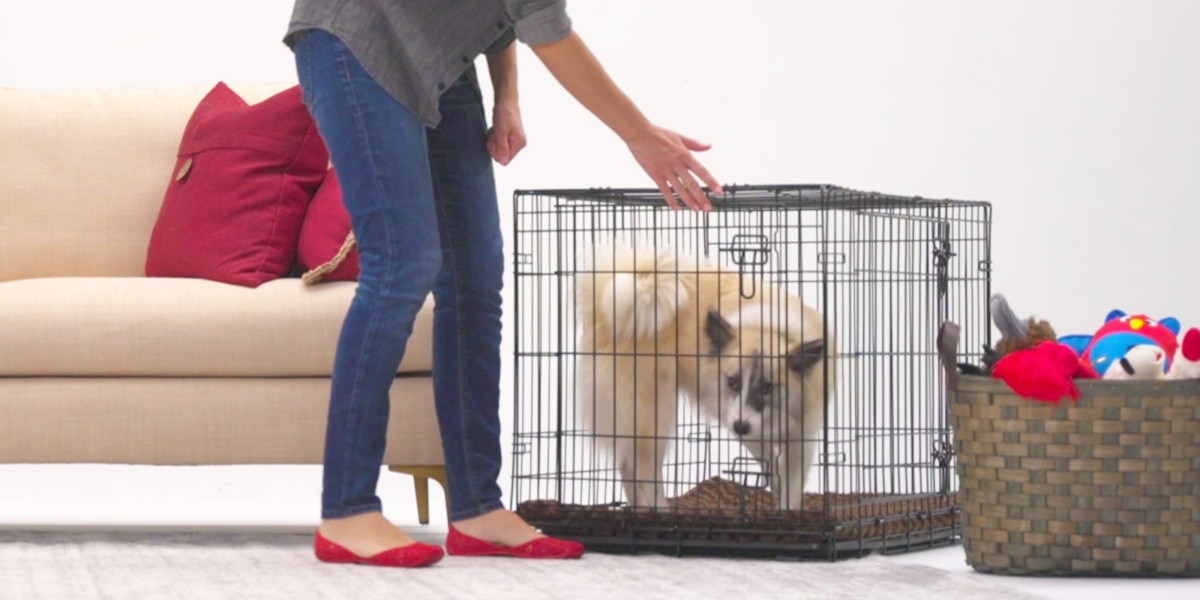
Crates come in plastic, metal, and fabric types. Plastic crates offer privacy and warmth. Metal crates provide good ventilation and visibility. Fabric crates are lightweight and easy to carry but less durable. Choose a material that suits your puppy’s needs and your home environment. Durability and ease of cleaning matter, especially for nighttime use.
Placement In The Home
Put the crate in a quiet, low-traffic area to avoid distractions. The spot should feel safe and calm. Avoid cold or drafty places. Near your bedroom is ideal so your puppy feels close to you. This placement helps reduce anxiety and encourages peaceful sleep all night long.

Credit: www.hillspet.com
Preparing Your Puppy For Crate Time
Preparing your puppy for crate time is a key step for a peaceful night. A positive start helps your puppy feel safe and calm. This preparation builds trust and makes crate training easier.
Start slow. Let your puppy explore the crate without pressure. Make the crate a friendly place, not a punishment spot. This approach helps your puppy accept crate time happily.
Introducing The Crate Positively
Place the crate in a quiet, comfortable room. Leave the door open at first. Allow your puppy to go inside freely. Use a calm voice to encourage your puppy. Avoid forcing the puppy inside the crate.
Let your puppy sniff and explore at their own pace. Praise your puppy gently when they enter. This creates a good connection with the crate.
Using Treats And Toys
Use tasty treats to make the crate inviting. Toss a treat inside to encourage your puppy. Give treats only inside the crate to build a positive link.
Place favorite toys inside the crate for comfort. Toys help your puppy stay busy and relaxed. Change toys regularly to keep interest alive.
Creating A Cozy Space
Add a soft blanket or bed inside the crate. Make sure it fits well and is easy to clean. Keep the space warm but not too hot.
A cozy crate feels like a safe den. This comfort helps your puppy settle down quickly. Avoid adding too many items that crowd the space.
Establishing A Nighttime Routine
Creating a calm and steady nighttime routine helps puppies feel safe in their crate. It sets clear signals for sleep time. A good routine reduces anxiety and encourages restful nights. Consistency is key. Puppies learn best when they know what to expect.
Consistent Bedtime Schedule
Choose a fixed bedtime and stick to it every night. Puppies thrive on routine and predictability. A regular schedule helps their body clock adjust. This makes falling asleep easier. Avoid late-night changes in sleep time. The crate becomes a cozy, familiar spot for rest.
Pre-bedtime Exercise
Give your puppy time to burn off energy before bed. A short walk or play session works well. Exercise helps them relax and sleep better. Avoid vigorous play right before crate time. Gentle activities calm the puppy down. Tired puppies settle faster in their crate.
Limiting Food And Water Intake
Reduce food and water a couple of hours before bedtime. This lowers the chance of nighttime bathroom trips. Potty breaks disturb sleep for both of you. Offer small meals early in the evening. Make sure your puppy has a chance to go outside before bed.
Managing Nighttime Whining And Barking
Managing nighttime whining and barking in puppies can be challenging. Puppies often use sounds to express needs or discomfort. Understanding why your puppy whines or barks at night helps you respond correctly. This section covers how to recognize genuine needs, avoid reinforcing bad habits, and use calming techniques effectively.
Recognizing Genuine Needs
Sometimes whining means your puppy needs something important. It could be hunger, thirst, or needing to go outside. Puppies also cry if they feel scared or lonely. Learn to tell if the noise is about a real problem. Check if your puppy needs a bathroom break. Ensure they have water before bedtime. A tired puppy usually sleeps quietly. Respond quickly if the need is urgent.
Avoiding Reinforcement Of Bad Habits
Responding to every sound may teach your puppy to keep whining. Attention can make whining a way to get what they want. Stay calm and wait a few minutes before reacting. Avoid taking your puppy out of the crate right away. Give attention only when they are quiet. This helps them learn that quiet behavior gets rewards. Consistency is key to stop unwanted noises at night.
Calming Techniques
Use calming methods to help your puppy settle down. Soft music or white noise can reduce stress. A comfortable blanket or a toy can provide comfort. Gentle petting before sleep helps them feel safe. Keep the crate in a quiet, dim area. Avoid loud noises or bright lights during night. These small steps make your puppy feel secure and calm.
Nighttime Potty Training Tips
Nighttime potty training is one of the biggest challenges for new puppy owners. Puppies have small bladders and cannot hold their urine for long. Helping your puppy learn to wait through the night takes patience and the right approach. These tips will help you manage nighttime potty needs and keep your puppy comfortable and dry.
Setting Bathroom Breaks
Plan bathroom breaks before bedtime and during the night. Take your puppy outside just before you go to sleep. This reduces the chance of accidents. Set an alarm to wake up once or twice if needed. Gradually, your puppy will hold it longer and need fewer breaks.
Monitoring Signals
Watch for signs your puppy needs to go out. Whining, pacing, or scratching at the crate are common signals. Respond quickly to avoid accidents. Being attentive helps your puppy learn trust and routine. Over time, your puppy will show fewer signals as bladder control improves.
Using Crate Training For Bladder Control
Use the crate to teach your puppy to hold urine. Puppies usually avoid soiling their sleeping area. Keep the crate just large enough for comfort, but not for bathroom use. This encourages your puppy to wait until outside. Consistency with crate training builds good nighttime habits fast.

Credit: www.pumpkin.care
Common Challenges And Solutions
Crate training puppies at night can bring some challenges. These are common issues that many dog owners face. Understanding these problems helps you find simple solutions. This section covers the most frequent challenges and how to handle them effectively.
Dealing With Separation Anxiety
Separation anxiety is common in young puppies. They may whine or bark when left alone in the crate. Comfort your puppy by placing a soft blanket or a favorite toy inside. Try staying close at first, then slowly increase the distance. Use a calm voice to reassure your puppy before bedtime. Avoid letting your puppy out when it cries. This helps teach that quiet behavior gets attention.
Handling Resistance To The Crate
Some puppies resist entering the crate. They may push or try to escape. Make the crate inviting with treats and praise. Feed meals inside the crate to create positive feelings. Avoid forcing your puppy inside. Instead, use gentle encouragement and patience. Let your puppy explore the crate at its own pace. Over time, the puppy learns the crate is a safe space.
Adjusting Crate Size Over Time
Crate size matters for comfort and safety. Too big a crate makes your puppy feel less secure. Too small restricts movement and growth. Choose a crate that fits your puppy with room to stand and turn. As your puppy grows, increase the crate size gradually. Use dividers to adjust space without buying new crates often. Proper size helps your puppy sleep better and feel calm.
Tools And Accessories To Enhance Crate Training
Crate training a puppy at night can be easier with the right tools. These accessories make the crate a safe and cozy place. They help your puppy relax and feel secure. Using the right items reduces stress and improves sleep.
Comfort Items
Soft bedding is a must for crate comfort. Choose a cushion that fits well inside the crate. A blanket with your scent can calm your puppy. Plush toys offer comfort and keep them busy. Avoid small items that could be swallowed.
Noise Machines And Lighting
White noise machines help block out sudden sounds. They create a steady, soothing background noise. A dim night light inside or near the crate helps puppies see. Soft lighting prevents fear of the dark. Avoid bright lights that may disturb sleep.
Monitoring Devices
Use baby monitors to hear your puppy from another room. Video cameras let you watch your puppy’s behavior live. Some devices send alerts if your puppy cries. Monitoring helps you respond quickly to your puppy’s needs.
Credit: www.purina.com
Tracking Progress And Making Adjustments
Tracking your puppy’s progress during crate training helps you see what works and what doesn’t. It guides you to make smart changes. This keeps your puppy comfortable and safe at night. Watching closely helps prevent problems early.
Keeping A Training Journal
Write down each night’s crate training results. Note how long your puppy stays calm. Record any accidents or noises. Track feeding and bathroom times too. A journal shows patterns and progress clearly. It helps you spot what needs fixing fast.
Recognizing Milestones
Celebrate small wins like your puppy staying quiet longer. Notice when your puppy sleeps through the night. Watch for fewer accidents outside the crate. These signs show your puppy feels safe. Milestones keep you motivated and your puppy happy.
When To Transition Out Of The Crate
Only move your puppy out of the crate when ready. Your puppy should sleep calmly without anxiety. No accidents or whining at night. Transition slowly by leaving the crate door open. Let your puppy explore the sleeping area safely. This avoids stress and builds confidence.
Frequently Asked Questions
How Long Should A Puppy Stay In A Crate At Night?
Puppies can typically stay in a crate for 2-4 hours at night. This duration prevents discomfort and accidents. As they grow, gradually increase crate time to match their bladder control and comfort needs.
How To Make A Crate Comfortable For Puppies At Night?
Use soft bedding and familiar toys inside the crate. Keep it cozy and quiet. This creates a safe, inviting space that helps puppies feel secure and reduces nighttime anxiety.
What Is The Best Crate Size For Puppies?
Choose a crate just large enough for the puppy to stand, turn, and lie down. Avoid overly large crates to prevent accidents and promote a den-like feeling.
How To Handle Puppy Crying In The Crate At Night?
Ignore attention-seeking cries but respond if the puppy needs to eliminate. Consistency and patience build comfort. Avoid letting the puppy out while crying to prevent bad habits.
Conclusion
Crate training your puppy at night takes patience and care. Keep the crate cozy and quiet. Follow a routine to help your puppy feel safe. Offer praise when your puppy stays calm inside. Expect some accidents and stay calm yourself.
Nighttime crate training builds good habits for your dog. Small steps lead to big progress over time. Your puppy will learn to love the crate as a safe space. Consistency and kindness make all the difference in training success.


