Bringing a Cesar puppy into your home is exciting, but it can also feel overwhelming. You want your new furry friend to grow up happy, well-behaved, and confident.
The good news? With the right training tips, you can make this process easier and more enjoyable for both of you. You’ll discover simple, effective Cesar puppy training tips that will help you build a strong bond and set your puppy up for success.
Keep reading—you’re just a few steps away from having a well-trained, happy pup by your side.
Starting With Basics
Starting puppy training with basics is crucial for a well-behaved dog. Puppies learn best in simple, clear steps. This helps them understand what you want. The basics build a strong foundation for future training. Patience and consistency make a big difference here. Keep training sessions short and fun. This keeps your puppy interested and eager to learn.
Choosing The Right Training Space
Select a quiet, small area for training. Fewer distractions help your puppy focus better. A familiar spot makes your puppy feel safe. Avoid places with too much noise or activity. Use the same space each time to build routine. A calm environment encourages your puppy to listen and learn.
Setting A Routine
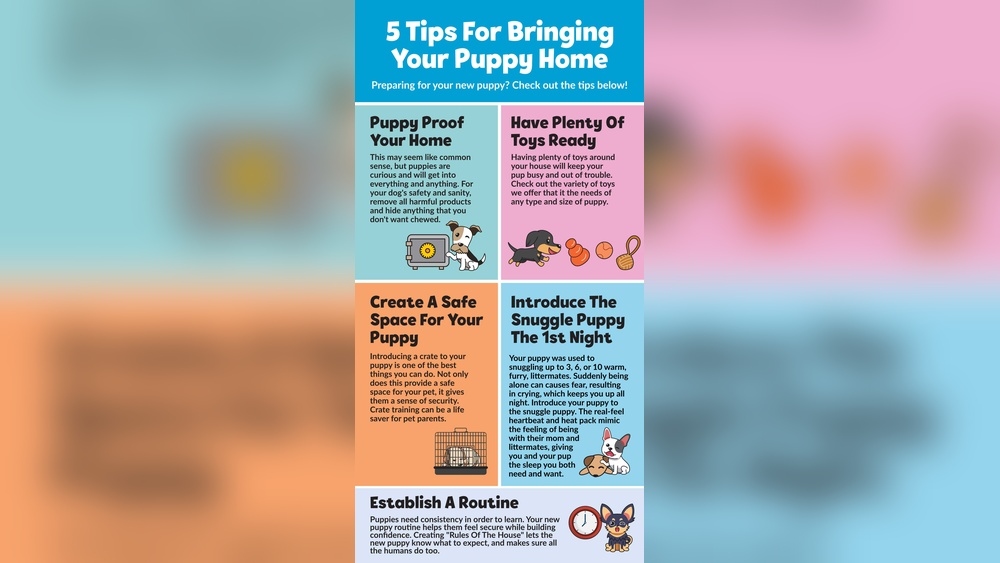
Train your puppy at the same time every day. Consistency helps your puppy understand when training happens. Short sessions work best, about 5 to 10 minutes. Regular breaks prevent your puppy from getting tired. A routine builds good habits quickly. It also helps your puppy feel secure and confident.
Using Positive Reinforcement
Reward your puppy with treats or praise for good behavior. This encourages them to repeat that behavior. Use kind words and gentle pats to show approval. Avoid punishment; it can confuse and scare your puppy. Positive reinforcement builds trust between you and your dog. Celebrate small successes to keep training fun.

Credit: www.amazon.com
Crate Training Tips
Crate training is a key part of raising a happy puppy. It helps your dog feel safe and learn good habits. A crate can be a cozy den for your puppy. It also helps with house training and prevents unwanted chewing. Follow these tips to make crate training smooth and stress-free.
Introducing The Crate
Start by placing the crate in a quiet room. Keep the door open so your puppy can explore. Put some treats inside to encourage entry. Never force your puppy inside the crate. Let your dog enter and exit freely at first. Praise your puppy for going near or inside the crate.
Making The Crate Comfortable
Add soft bedding to the crate floor. Use blankets or a small dog bed. Include a favorite toy to make it inviting. Avoid feeding meals inside the crate at first. This prevents fear or negative feelings. Make the crate a pleasant, calm space your puppy enjoys.
Crate Training Schedule
Start with short crate times of 10-15 minutes. Gradually increase time as your puppy adjusts. Use the crate after play and during naps. Avoid long periods alone in the crate. Always let your puppy out before bathroom breaks. Stick to a regular schedule to build trust and routine.
Housebreaking Essentials
Housebreaking is a key step in raising a happy and well-behaved puppy. It teaches your puppy where and when to go to the bathroom. Patience and consistency make this process smoother. Understanding your puppy’s habits helps you guide them better.
Recognizing Puppy Signals
Puppies give signs before they need to go out. Sniffing, circling, or whining often mean it’s time. Watch closely and learn these signals early. This helps prevent accidents inside your home.
Establishing Bathroom Spots
Choose a specific outdoor spot for your puppy to use. Take them there every time they need to go. This creates a clear bathroom routine. The scent will remind them where to go next time.
Handling Accidents Calmly
Accidents happen and it is normal during training. Stay calm and do not punish your puppy. Clean the area well to remove odors. This stops your puppy from returning to the same spot.
Basic Commands To Teach
Teaching your puppy basic commands helps build a strong bond. It also keeps your puppy safe and well-behaved. Start with simple commands that your puppy can learn quickly. These commands create a foundation for more advanced training later.
Sit And Stay
“Sit” is one of the easiest commands to teach. It helps your puppy learn patience. Hold a treat above your puppy’s nose. Slowly move it back over their head. When they sit, say “Sit” and give the treat. Repeat this several times a day. Once your puppy sits on command, add “Stay.”
Ask your puppy to sit. Show your palm like a stop sign. Say “Stay” and step back slowly. If your puppy stays, reward with a treat. Practice for short times and increase gradually.
Come When Called
“Come” is very important for your puppy’s safety. Start indoors with no distractions. Call your puppy’s name and say “Come.” Use a happy voice. When your puppy comes, give praise and a treat. Repeat often to build a strong habit.
Practice outside in a secure area. Use a long leash to keep control. Always reward your puppy for coming quickly. Never punish if your puppy is slow or distracted.
Leave It And Drop It
“Leave it” teaches your puppy not to touch things. Hold a treat in your closed hand. Let your puppy sniff but don’t open your hand. Say “Leave it.” Wait until your puppy moves away. Then give a different treat with your other hand. Practice until your puppy listens every time.
“Drop it” helps when your puppy has something unsafe. Offer a treat and say “Drop it.” When your puppy releases the item, give the treat. Use this often to keep your puppy safe and calm.
Socializing Your Puppy
Socializing your puppy is a key step in their training journey. It helps them grow into confident and friendly dogs. Early socialization shapes how they react to new people, animals, and environments. This process reduces fear and aggression. It also builds trust and happiness in your puppy.
Start socializing your puppy as soon as possible. Gentle and positive experiences help them adjust well. Always use calm and kind tones. Watch their reactions closely. Let them take the lead but guide them gently. This approach creates a strong bond and good behavior.
Introducing New People
Introduce your puppy to different people regularly. Include children, adults, and seniors. Keep the meetings short and calm. Let your puppy sniff and explore at their own pace. Reward calm behavior with treats and praise. Avoid forcing contact. Friendly greetings build positive memories.
Meeting Other Pets
Arrange safe meetings with other pets early on. Start with calm and vaccinated dogs or cats. Use a leash to control the situation. Watch body language for signs of stress. Allow brief and gentle interactions. Positive experiences encourage friendly social skills. Avoid rough or overwhelming play.
Handling Fearful Behavior
Fear is normal during socialization. Stay patient and calm. Do not punish fearful reactions. Slowly expose your puppy to new sights and sounds. Use treats and comfort to ease anxiety. Give your puppy space when needed. Gradual exposure builds courage and trust.
Dealing With Common Behaviors
Puppies show many behaviors that can be tough to handle. These common actions need clear guidance and patience. Understanding why your puppy acts this way helps you teach better habits.
Early training sets the tone for a happy, well-behaved dog. Using calm and consistent methods helps your puppy learn fast. Here are simple tips to handle usual puppy behaviors.
Chewing And Biting
Puppies chew to explore and relieve teething pain. Give them safe toys to bite instead of furniture. When your puppy bites your hand, say “No” firmly. Offer a chew toy right after to redirect their attention. Praise your puppy when they use toys for chewing. This teaches what is okay to bite and what is not.
Jumping Up
Jumping shows excitement but can hurt people. Ignore your puppy when they jump on you. Turn away and avoid eye contact until they calm down. Reward your puppy with attention only when all four paws are on the ground. This teaches them to greet gently. Practice this often to make it a habit.
Barking Control
Puppies bark to communicate or get attention. Find out what causes your puppy to bark. Use a calm voice to say “Quiet” when barking starts. Reward your puppy when they stop barking on command. Give enough exercise and playtime to reduce boredom. This lowers excessive barking over time.
Using Cesar Millan’s Techniques
Using Cesar Millan’s techniques helps build a strong bond with your puppy. These methods focus on clear communication and respect. Puppies respond best to calm, confident energy from their owners.
Training with Cesar’s approach means understanding your puppy’s natural instincts. It encourages balanced behavior through consistency and patience. This creates a peaceful home and a happy dog.
Calm Assertive Energy
Cesar Millan teaches owners to be calm and assertive. Dogs feel safer when their owner is confident. This energy guides puppies to follow rules without fear.
Speak softly but firmly. Stand tall and move slowly. Your puppy reads your body language more than words. Stay relaxed, even during training challenges.
Exercise And Mental Stimulation
Puppies need plenty of physical exercise to stay healthy. Running, walking, and playtime help burn excess energy. A tired puppy is easier to train and less destructive.
Mental stimulation is just as important. Use puzzle toys or simple commands to keep your puppy’s mind active. This prevents boredom and bad habits.
Setting Boundaries
Clear boundaries teach puppies what is allowed and what is not. Use consistent rules for feeding, sleeping, and playtime. This helps your puppy feel secure and understand expectations.
Correct unwanted behavior calmly and immediately. Avoid yelling or harsh punishments. Gentle but firm guidance builds trust and respect.

Credit: www.youtube.com
Maintaining Consistency
Consistency is key in Cesar puppy training. Puppies learn best when training stays steady. Clear rules and routines help them understand what to do. Changing commands or rewards can confuse a puppy. A consistent approach builds trust and good habits.
Involving Family Members
Everyone in the house should follow the same training rules. This avoids mixed signals for the puppy. Teach family members the commands and rewards to use. Consistent actions from all make training faster and easier. Puppies respond better when all adults speak the same language.
Tracking Progress
Keep a simple record of your puppy’s training. Note down what the puppy learns each day. Tracking helps spot what works and what needs change. Celebrate small wins to stay motivated. Progress records show how your puppy grows and improves over time.
Adjusting Training As Puppy Grows
Puppies change quickly. Training methods should change too. Increase challenges as the puppy gets older. Use longer commands or new tricks to keep learning fun. Adjust rewards to match the puppy’s development and behavior. Flexibility keeps the puppy engaged and eager to learn.

Credit: www.amazon.com
Frequently Asked Questions
How Do Cesar Puppy Training Tips Improve Behavior?
Cesar puppy training tips focus on positive reinforcement and consistency. They help puppies learn commands quickly and reduce unwanted behaviors. These tips also build a strong bond between owner and puppy, making training enjoyable and effective.
What Is The Best Age To Start Cesar Puppy Training?
The best age to start Cesar puppy training is between 8 to 12 weeks. Early training helps puppies develop good habits and social skills. Starting young ensures they adapt quickly to commands and house rules.
How Often Should I Train My Cesar Puppy Daily?
Training sessions for Cesar puppies should last 5 to 10 minutes, 2 to 3 times daily. Short, frequent sessions keep your puppy engaged without overwhelming them. Consistency and patience are key to successful training.
Can Cesar Training Tips Help With Puppy Biting?
Yes, Cesar training tips address puppy biting by teaching bite inhibition. Using gentle corrections and redirection helps puppies learn to control their bite strength. This method prevents aggressive behavior and promotes safe play.
Conclusion
Training your Cesar puppy takes patience and kindness. Small steps build good habits fast. Consistency helps your puppy learn what to do. Reward good behavior with praise and treats. Avoid punishment to keep training positive and fun. Practice daily, even for a few minutes.
Soon, your puppy will understand commands clearly. Enjoy the bonding time while teaching new skills. Remember, every puppy learns at their own pace. Stay calm and confident during each session. Your effort will create a happy, well-behaved dog.