

Are you wondering if it’s okay to feed your growing puppy the same food you give your adult dog? You might think it’s simpler or even cost-effective, but what if this choice impacts your puppy’s health and development?
Feeding the right food at the right time is crucial for your puppy’s growth, energy, and overall well-being. Keep reading to discover the truth about adult dog food for puppies and learn how to give your furry friend the best start in life.

Credit: www.bluebuffalo.com
Nutritional Needs Of Puppies
Puppies need special food to grow strong and healthy. Their bodies change fast during the first months. This means their diet must support their growth. Feeding puppies the right nutrients is very important. Adult dog food does not meet these needs. Understanding puppy nutrition helps you choose the best food for them.
Growth And Development Requirements
Puppies grow quickly. They need extra protein for muscles and tissues. Fat is also important. It gives energy for play and learning. Puppies need more vitamins and minerals than adult dogs. Calcium and phosphorus help build strong bones and teeth. Their food must be rich in these nutrients. Balanced nutrition supports brain and immune system development.
Differences From Adult Dogs
Adult dogs need fewer calories than puppies. Their growth has slowed down. Puppy food has more calories and nutrients. This helps puppies gain weight steadily. Adult food may lack some vitamins puppies need. It might also have too little fat. Feeding adult food to puppies can cause health problems. Puppy food is softer and easier to chew. It suits their smaller teeth and sensitive stomachs.
Components Of Adult Dog Food
Adult dog food has a different makeup than puppy food. It is made to meet the needs of fully grown dogs. Understanding the components helps you see why feeding puppies adult food is not always the best choice.
Protein And Fat Levels
Adult dog food usually has less protein than puppy food. Puppies need more protein for growth and muscle development. Fat levels in adult food are lower too. This helps keep adult dogs from gaining too much weight. Puppies need higher fat for energy and brain growth.
Vitamin And Mineral Content
Vitamins and minerals in adult dog food differ from puppy formulas. Puppies require extra calcium and phosphorus for strong bones. Adult food has controlled amounts to maintain health without overdoing it. Vitamin levels support maintenance, not rapid growth. Feeding adult food to puppies might lead to nutrient gaps.
Potential Risks Of Feeding Adult Food To Puppies
Feeding adult dog food to puppies can cause serious problems. Puppies need special nutrition for healthy growth. Adult food lacks some key nutrients that puppies require. This can affect their development and overall health. Understanding the risks helps keep puppies safe and strong.
Nutritional Deficiencies
Adult dog food does not have enough protein and fat for puppies. Puppies need more of these nutrients to build muscles and energy. Adult food may lack important vitamins and minerals too. Missing these nutrients can slow down puppy growth. It can also weaken their immune system.
Digestive Issues
Puppies have sensitive stomachs that need gentle food. Adult dog food is harder to digest for puppies. It can cause diarrhea, vomiting, or stomach pain. These problems make puppies uncomfortable and can lead to dehydration. Digestive troubles may stop puppies from eating enough.
Long-term Health Consequences
Feeding adult food early may cause health issues later. Poor nutrition during growth can affect bones and joints. It may also lead to obesity or poor organ development. These problems can last a lifetime and reduce quality of life. Proper puppy food supports strong and healthy adults.
When Adult Dog Food Might Be Appropriate
Adult dog food is designed for fully grown dogs, but there are times when feeding it to puppies may be acceptable. Understanding these situations helps keep your puppy healthy and happy. This section explains when adult dog food might be appropriate for puppies.
Short-term Feeding Scenarios
Sometimes, puppies may need adult dog food for a short period. This can happen if puppy food is not available immediately. Feeding adult food briefly will not harm puppies as long as it is not a long-term diet. Short-term use can also occur during travel or emergencies. Keep an eye on your puppy’s health during these times.
Transitioning Between Foods
Changing from puppy to adult food requires a smooth transition. Using adult dog food during this change helps puppies adjust to new flavors and textures. Mix small amounts of adult food with puppy food over several days. This method reduces stomach upset and makes the switch easier. Gradual change supports healthy digestion and growth.
Expert Tips For Feeding Puppies
Feeding puppies the right way shapes their health and growth. Experts suggest focusing on proper nutrition, meal timing, and health checks. These tips help puppies grow strong and happy.
Choosing The Right Puppy Food
Puppies need food made for their age and size. Puppy food has more calories and nutrients than adult dog food. It supports fast growth and brain development. Pick brands with clear labels and good reviews. Avoid adult dog food as the main diet for puppies. It lacks key nutrients puppies need.
Feeding Schedules And Portions
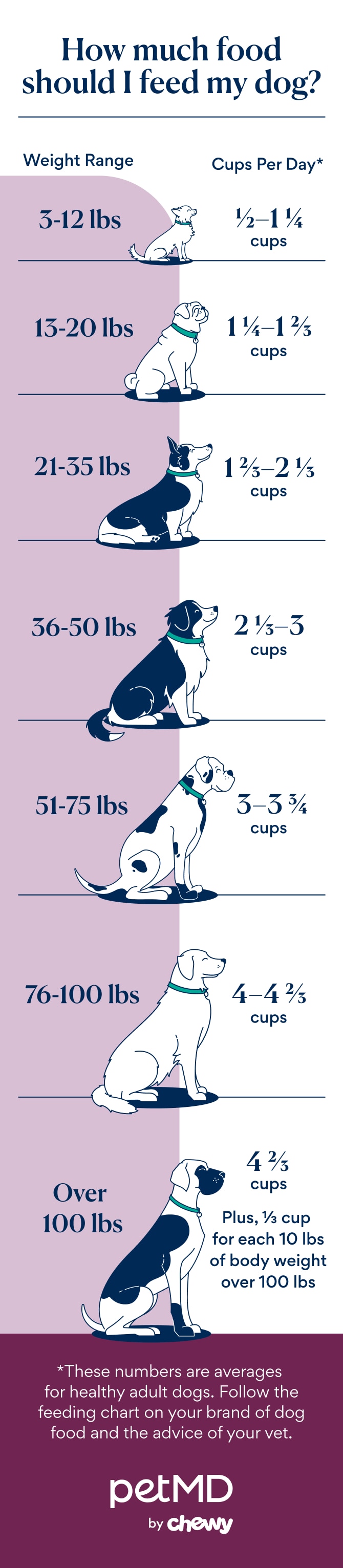
Feed puppies small meals several times a day. Usually, 3 to 4 meals work best for young pups. Divide daily food amount into equal portions. This helps digestion and keeps energy steady. Watch puppy’s hunger cues to adjust portions. Avoid overfeeding to prevent weight problems.
Monitoring Puppy Health
Check puppies regularly for healthy weight and shiny coat. Look for signs of digestive issues like vomiting or diarrhea. Puppies should be active and playful. Schedule vet visits to track growth and catch problems early. Healthy puppies respond well to good feeding routines.
Credit: www.petmd.com
Alternative Feeding Options
Feeding puppies adult dog food is not always the best choice. Puppies need specific nutrients to grow strong and healthy. Alternative feeding options can meet these needs better. These options offer balanced nutrition tailored for puppies. Exploring them helps ensure puppies get proper care.
Homemade Puppy Diets
Homemade diets let you control what your puppy eats. You can use fresh meat, vegetables, and grains. This helps avoid fillers and additives found in some commercial foods.
It is important to include protein, fats, and vitamins in the right amounts. Consulting a vet or pet nutritionist ensures the diet is complete. Homemade meals require more time but can be very healthy.
Specialized Puppy Formulas
Specialized puppy formulas come in dry, wet, and raw options. These foods are designed to support growth and development. They contain higher protein and fat levels than adult dog foods.
Choosing a reputable brand guarantees quality and safety. These formulas make feeding puppies easy and balanced. They also support immune health and strong bones.
Credit: www.dogster.com
Frequently Asked Questions
Can Puppies Eat Adult Dog Food Safely?
Puppies should not eat adult dog food regularly. Adult formulas lack essential nutrients puppies need for growth and development. Feeding adult food occasionally is okay, but a puppy-specific diet ensures balanced nutrition and supports healthy bone and brain growth.
What Happens If Puppies Eat Only Adult Dog Food?
If puppies eat only adult dog food, they may miss vital nutrients like DHA and calcium. This can lead to poor growth, weak bones, and developmental issues. Puppies require specially formulated food to meet their higher energy and nutrient needs.
When Can Puppies Switch To Adult Dog Food?
Puppies can switch to adult dog food around 12 months old. Large breeds may need to wait up to 18 months. Transition slowly to avoid digestive upset and ensure the adult food meets your dog’s size and activity level.
Are There Risks Feeding Puppies Adult Dog Food?
Yes, feeding puppies adult dog food risks malnutrition and slower growth. Adult food has lower protein and fat content, which may not support a puppy’s energy needs. Always choose food labeled for puppies to promote optimal health.
Conclusion
Feeding puppies adult dog food is not the best choice. Puppies need extra nutrients for growth and health. Adult dog food lacks these important nutrients. This can slow their development and cause health issues. Choose food made especially for puppies instead.
It supports strong bones, energy, and a healthy immune system. Always check the label and ask a vet if unsure. Proper nutrition helps puppies grow into happy, healthy dogs. Keep their diet right from the start. It makes a big difference.


