

Are you curious about the tiniest pups that still pack a big personality? Small dog breeds can fit perfectly into your lap, your home, and even your busy lifestyle.
But which ones are truly the smallest? Knowing the right breed can help you find a furry friend that matches your space and energy. Keep reading to discover the cutest, smallest dog breeds that might just steal your heart—and your attention!

Credit: www.countryliving.com
Top Smallest Dog Breeds
Small dog breeds fit perfectly into small homes and busy lives. They bring joy with their tiny size and big personalities. Some small breeds have been favorites for many years. They are easy to carry and care for. These dogs often form strong bonds with their owners. Here are some of the top smallest dog breeds known for their charm and size.
Chihuahua
The Chihuahua is one of the tiniest dog breeds worldwide. It usually weighs between 2 to 6 pounds. This breed is brave and alert despite its small size. Chihuahuas have large, expressive eyes and ears. They enjoy being close to their owners and love attention. Their small size makes them easy to travel with.
Pomeranian
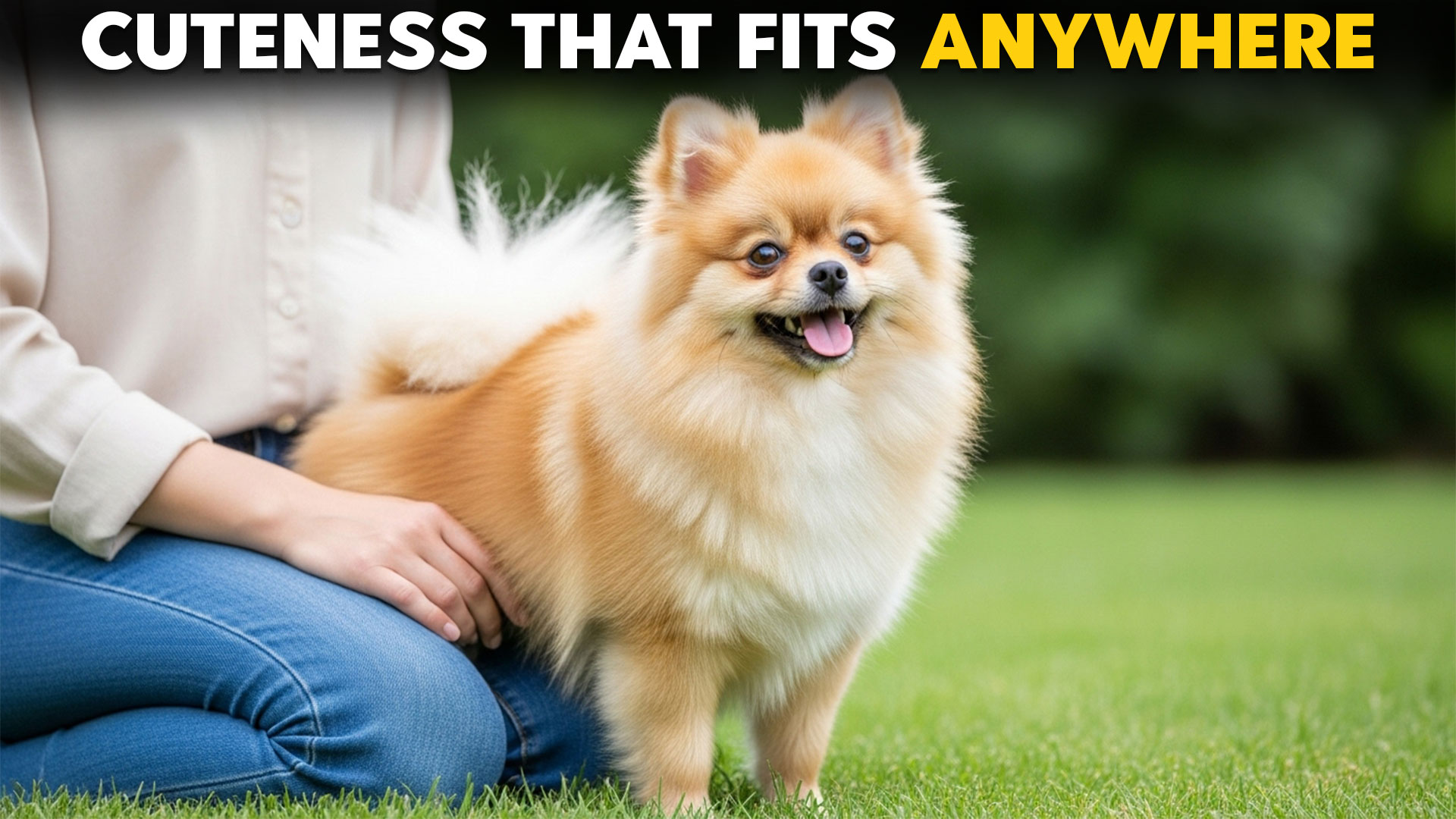
Pomeranians are fluffy and full of energy. They weigh around 3 to 7 pounds. These dogs have a thick double coat that needs regular brushing. Pomeranians are playful and smart, often learning tricks quickly. They make great companions for families and singles alike. Their lively nature keeps them entertaining.
Yorkshire Terrier
Yorkshire Terriers, or Yorkies, weigh about 4 to 7 pounds. They have silky, fine hair that looks like human hair. Yorkies are bold and confident dogs. They enjoy playing and can be very loyal. Small but strong, they make good watchdogs. Yorkies fit well in apartments or small houses.
Papillon
Papillons are small dogs known for their butterfly-like ears. They usually weigh 5 to 10 pounds. This breed is intelligent and easy to train. Papillons love to run and play outdoors. Their friendly nature helps them get along with other pets. They have a graceful and elegant appearance.
Toy Poodle
Toy Poodles weigh about 4 to 6 pounds. They have curly, hypoallergenic coats that shed less. This breed is very smart and enjoys learning new commands. Toy Poodles are gentle and good with children. They are active and need regular exercise. Their small size makes them ideal for city living.
Traits Of Tiny Dogs
Small dog breeds have unique traits that make them special. Their tiny size affects their personality, energy, and health. Understanding these traits helps owners give the best care.
Personality And Temperament
Tiny dogs often have big personalities. They can be very playful and curious. Many are friendly and enjoy being close to people. Some can be alert and act as little watchdogs. They tend to bond strongly with their owners. Despite their size, they can be brave and confident.
Exercise And Energy Levels
Small dogs usually need less exercise than larger breeds. Short walks and indoor play often keep them happy. They have bursts of energy but tire quickly. These dogs enjoy games and mental challenges. Regular activity helps prevent behavior problems. Their energy levels suit apartment living well.
Lifespan Expectations
Tiny dog breeds often live longer than big dogs. Many can live 12 to 16 years or more. Good care and regular vet visits support a long life. Their small size lowers risk of some health problems. Diet and exercise play a key role in lifespan. Owners should watch for signs of illness early.
Care Tips For Small Breeds
Small dog breeds need special care to stay healthy and happy. Their tiny size means they have unique needs. These needs cover feeding, grooming, and health. Understanding these areas helps give your small dog a good life.
Feeding Small Dogs
Small dogs have fast metabolisms and need frequent meals. Choose high-quality food made for small breeds. These foods have the right nutrients and small kibble sizes. Avoid overfeeding to prevent obesity. Measure food portions carefully. Fresh water must always be available.
Grooming Essentials
Small dogs often need regular grooming to keep their coats clean. Brush their fur gently to avoid tangles and mats. Trim nails every few weeks to prevent discomfort. Clean ears regularly to stop infections. Bathing should be gentle and not too frequent to protect their skin.
Health Concerns
Small dogs can have health issues like dental problems and fragile bones. Regular vet visits help catch problems early. Watch for signs of illness like coughing or loss of appetite. Keep vaccinations and parasite control up to date. Provide a safe space to avoid injuries from falls or rough play.
Living With Tiny Dogs
Living with tiny dogs brings joy and unique challenges. These little companions fit well in small spaces. They need gentle care and attention daily.
Understanding their needs helps create a happy home. Their size affects how they live and interact. Let’s explore what living with tiny dogs means.
Best Homes And Environments
Small dogs thrive in apartments and small houses. They do not need large yards but enjoy safe outdoor spaces. Avoid rough play areas that may hurt them. Quiet homes suit them best to reduce stress. These dogs like warm places and soft beds.
Training Challenges
Tiny dogs can be stubborn and easily distracted. They need short, clear training sessions daily. Use gentle words and rewards to teach commands. Avoid harsh corrections that scare them. Patience is key to good behavior. Teach them early to prevent small dog syndrome.
Socialization Needs
Small dogs require early socialization with people and pets. Exposure to different environments builds confidence. Meet calm dogs to avoid fear or aggression. Regular walks help them adjust to new sounds and sights. Positive experiences keep them friendly and happy.
Choosing The Right Small Dog
Choosing the right small dog means more than picking the tiniest breed. Each small dog has unique needs and traits. Understanding these helps you find a dog that fits your life well.
Small dogs can live in apartments or houses. Some need a lot of exercise, while others are more relaxed. Think about your daily routine before choosing a breed.
Matching Lifestyle And Breed
Think about your activity level. Some small breeds like the Jack Russell Terrier need lots of playtime. Others, like the Chihuahua, may be happy with short walks. Your work hours matter too. Can you spend time with a dog that needs constant attention? Size is key, but energy and personality matter more.
Adoption Vs. Breeder
Adopting a small dog saves a life. Shelters have many tiny dogs looking for homes. Breeders offer specific breeds and may provide health guarantees. Choose a responsible breeder who tests for health issues. Adoption can be cheaper and supports rescue groups. Both options need research to find a healthy, happy dog.
Costs To Consider
Small dogs cost less food but may have other expenses. Vet visits, grooming, and toys add up. Some breeds need special care or frequent grooming. Training and pet insurance are important too. Plan a budget before bringing a dog home. Small size does not always mean low cost.
Credit: worldanimalfoundation.org

Credit: www.countryliving.com
Frequently Asked Questions
What Are The Tiniest Dog Breeds In The World?
The tiniest dog breeds include the Chihuahua, Pomeranian, and Yorkshire Terrier. These breeds typically weigh under 7 pounds. They are known for their small size and big personalities.
Which Small Dog Breed Is Best For Apartment Living?
The French Bulldog and the Dachshund are ideal for apartment living. They require moderate exercise and adapt well to smaller spaces. Their compact size makes them perfect for city dwellers.
How Small Do Teacup Dog Breeds Get?
Teacup dogs usually weigh between 2 to 5 pounds. They are smaller versions of standard breeds like Poodles or Chihuahuas. Their size requires special care and attention to health.
Are Small Dog Breeds Good With Children?
Many small dog breeds are great with children. Breeds like Beagles and Shih Tzus are gentle and playful. Supervision is important to protect both kids and tiny dogs.
Conclusion
Small dog breeds bring joy to many homes. They fit well in small spaces and need less exercise. These tiny dogs often have big personalities. Choosing the right small breed depends on your lifestyle. Each breed has unique care needs and traits.
Small dogs can be great companions for all ages. Remember to give them love and attention every day. They may be small, but their hearts are huge. Consider these breeds if you want a small, loyal friend. Their charm and size make them special pets to treasure.


