

Are you wondering if your adult dog can eat senior food? It’s a question many pet owners face, especially when they want the best nutrition for their furry friend.
Choosing the right food can feel confusing, and feeding your dog the wrong type might affect their health and energy. You’ll discover what makes senior dog food different, whether it’s safe for adult dogs, and how to make the best choice for your pet’s well-being.
Keep reading to learn how to keep your dog happy and healthy at every stage of life.

Credit: www.chewy.com
Differences Between Adult And Senior Dog Food
Adult and senior dog foods serve different needs. Dogs’ bodies change as they age. Their diets must change too. Senior dog food helps support aging joints and slower metabolism. Adult dog food supports general health and energy levels. Understanding these differences helps pet owners choose the right food.
Nutritional Variations
Senior dog food contains nutrients that support aging bodies. It often has more antioxidants for immune health. Vitamins like E and C protect cells from damage. Adult dog food focuses on balanced nutrients for active dogs. Nutritional needs shift as dogs grow older.
Calorie And Protein Content
Senior dog food usually has fewer calories. Older dogs need less energy to avoid weight gain. Protein levels may be adjusted to protect kidney health. Adult dog food provides higher calories for active dogs. It also has more protein to build muscle.
Ingredient Adjustments
Senior formulas include ingredients for joint support, like glucosamine. They often contain added fiber for digestion. Adult dog food ingredients focus on maintaining energy and muscle mass. Both types avoid harmful fillers and focus on quality ingredients.
Benefits Of Feeding Senior Food To Adult Dogs
Feeding senior dog food to adult dogs can offer several health benefits. Senior food is designed with extra nutrients to support aging bodies. These nutrients help maintain overall health and vitality. Adult dogs may gain from these special formulas, especially as they approach middle age.
Senior dog food often contains ingredients that promote joint health, aid digestion, and help control weight. These benefits can improve a dog’s quality of life and keep them active longer. Understanding these benefits helps pet owners make better food choices.
Joint Health Support
Senior dog food usually has added glucosamine and chondroitin. These ingredients support joint cartilage and reduce stiffness. They help maintain flexibility and ease movement. Adult dogs with early joint issues can find relief with these nutrients.
Digestive Aid
Senior formulas often include fiber and probiotics. These ingredients improve digestion and nutrient absorption. They help reduce stomach upset and improve stool quality. Better digestion means a healthier gut and more energy.
Weight Management
Senior dog food tends to have fewer calories and more protein. This helps dogs keep muscle mass while avoiding weight gain. Maintaining a healthy weight reduces strain on joints and organs. It supports long-term health and vitality in adult dogs.
Potential Risks For Adult Dogs On Senior Food
Feeding senior dog food to adult dogs may cause problems. Senior formulas are made for older dogs’ specific needs. Adult dogs have different nutritional needs. Giving them senior food might not be healthy.
Nutrient Deficiencies
Senior dog food often has less protein. Adult dogs need more protein for muscles. Lack of protein can make muscles weak. Vitamins and minerals might also be lower. This can hurt an adult dog’s health.
Unbalanced Caloric Intake
Senior foods usually have fewer calories. Adult dogs need more energy to stay active. Less calorie intake can cause weight loss. Or, dogs might feel tired and weak. Energy needs must match the dog’s age and activity.
Possible Health Complications
Feeding the wrong food can cause health issues. Weight loss, weak muscles, and poor coat are signs. Some dogs may get stomach problems. Senior food may not support adult dog’s immune system. This can lead to illness and discomfort.
When Senior Food May Be Suitable For Adults
Senior dog food is made for older dogs with changing needs. But adult dogs might sometimes benefit from it too. This depends on their health and advice from a vet. Feeding senior food to an adult dog is not always wrong. Certain cases make it a good choice. Let’s explore when senior food may fit adult dogs.
Specific Health Conditions
Some adult dogs have health issues that senior food can help. Joint problems like arthritis need extra nutrients. Senior food often has added glucosamine for joints. Dogs with slower metabolism may need fewer calories. Senior diets usually have lower calories to prevent weight gain. Dogs with kidney problems might benefit from senior food. It contains lower protein to reduce kidney strain. These conditions make senior food a good option.
Veterinary Recommendations
Always ask a vet before changing your dog’s diet. Vets know your dog’s health history and needs. They can suggest senior food if it suits your dog. Sometimes vets recommend senior food for adults with special needs. A vet’s advice ensures your dog stays healthy. Never switch food without consulting a professional. This avoids nutrition problems and supports well-being.
Gradual Transition Tips
Change your dog’s food slowly to avoid stomach issues. Mix a small amount of senior food with current food. Increase the new food amount over 7 to 10 days. Watch your dog’s reaction during this period. If your dog shows digestive upset, slow the transition. Patience helps your dog adjust without stress. A smooth switch keeps your dog happy and healthy.
Alternatives To Senior Food For Adult Dogs
Adult dogs have different needs than senior dogs. Feeding them senior food might not always be the best choice. Many alternatives suit adult dogs better. These options support their energy and health properly. Understanding these alternatives helps keep your dog happy and strong.
Age-appropriate Diets
Adult dogs need food designed for their stage of life. These diets have the right balance of protein, fat, and vitamins. They support muscle health and energy. Senior foods often have fewer calories and more fiber. Adult diets avoid these to keep dogs active. Choosing age-appropriate food helps maintain a healthy weight.
Customized Meal Plans
Every dog is unique. Tailored meal plans fit their specific needs and preferences. Consider breed, size, activity level, and health conditions. A vet or pet nutritionist can help create these plans. Customized meals improve digestion and energy levels. They also prevent common issues like allergies or obesity.
Supplements And Additives
Supplements can boost adult dog diets. Omega-3 fatty acids support skin and coat health. Glucosamine helps maintain joint function. Probiotics improve digestion and immune health. These additives work well with regular adult food. They help meet extra nutritional needs without switching to senior food.
Credit: www.purina.com
Monitoring Your Dog’s Response To Senior Food
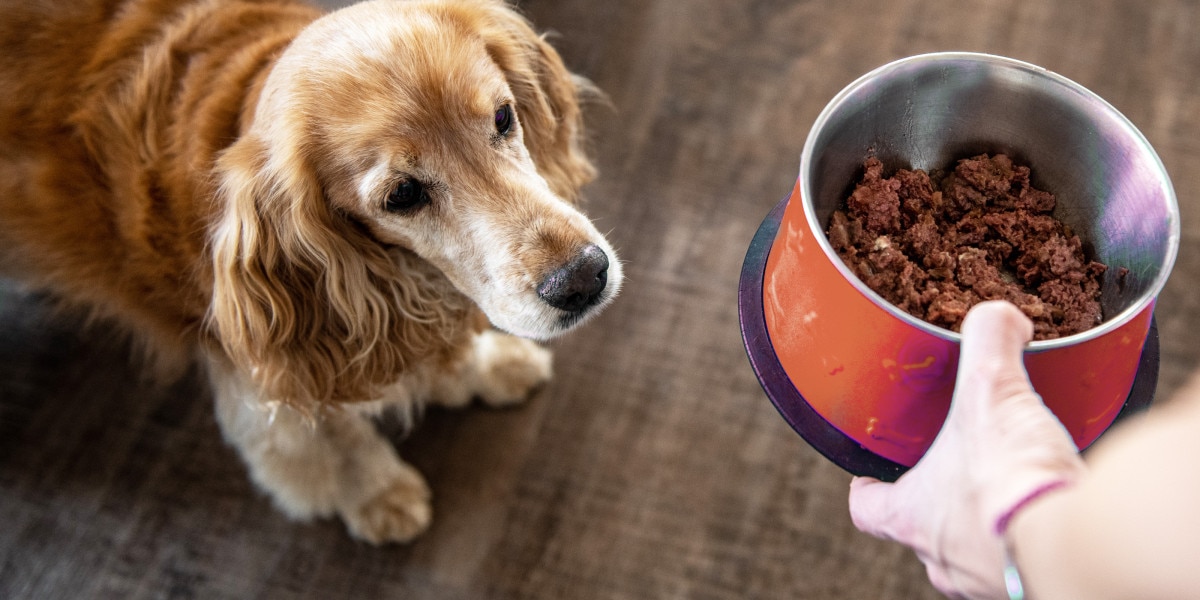
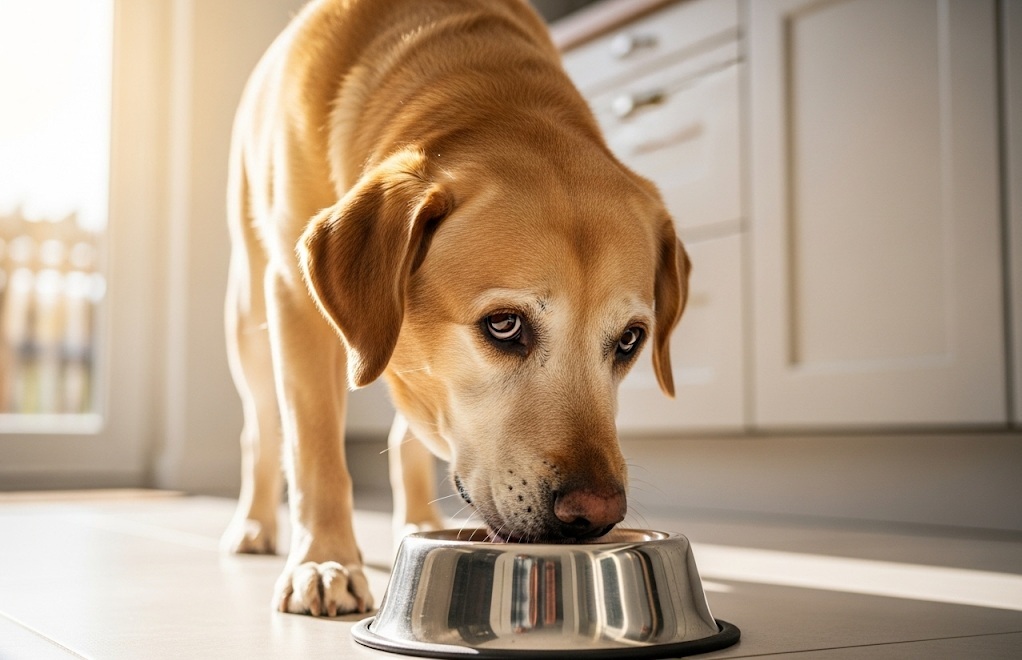
Switching your adult dog to senior food requires careful observation. Not all dogs react the same way to new diets. Monitoring helps catch any issues early. Watch your dog closely in the first few weeks. This way, you can spot any positive or negative changes quickly.
Behavioral Changes
Notice how your dog acts after eating senior food. Look for changes in energy levels. Is your dog more tired or restless? Check if your dog shows signs of discomfort or irritability. Changes in appetite also matter. A sudden dislike or eagerness for food can signal a problem.
Physical Health Indicators
Keep an eye on your dog’s body condition. Look for weight gain or loss. Healthy skin and coat shine tell a lot. Watch for digestion issues like diarrhea or constipation. Also, note any changes in drinking or urination habits. These signs show how well your dog handles the new food.
Regular Vet Check-ups
Regular vet visits ensure your dog stays healthy. Share your observations about the new diet. The vet can check for hidden health issues. Blood tests may help track organ function. Frequent check-ups help adjust the diet as needed. Trust your vet’s advice to keep your dog well.
Credit: www.yourpetswellbeing.com
Frequently Asked Questions
Can Adult Dogs Eat Senior Dog Food Safely?
Yes, adult dogs can eat senior dog food safely. However, it may not meet their higher energy needs. Consult a vet before changing diets to ensure balanced nutrition.
What Are The Differences Between Adult And Senior Dog Food?
Senior dog food typically has fewer calories and more joint-support nutrients. Adult dog food focuses on higher energy and muscle maintenance. Each formula suits different life stages and health requirements.
Will Senior Dog Food Affect My Adult Dog’s Health?
Feeding senior dog food to adults occasionally is usually fine. Long-term feeding might cause weight gain or nutrient imbalances. Always monitor your dog’s health and adjust diet accordingly.
When Should I Switch My Dog To Senior Food?
Switch to senior food around 7-8 years old, depending on breed size. Larger breeds may need earlier changes. Consult your vet for personalized timing based on health and activity.
Conclusion
Adult dogs can eat senior food occasionally without harm. Senior food has fewer calories and different nutrients. This may not meet all needs of younger dogs. Watch your dog’s weight and energy closely. Consult your vet before making big diet changes.
Feeding the right food helps keep dogs healthy and happy. Choose food based on your dog’s age and health. A balanced diet supports a long, active life.


