

Are you wondering if your adult dog can eat puppy food? It’s a common question that many dog owners face.
You want the best for your furry friend, but feeding them the wrong food could affect their health. Imagine giving your dog the wrong nutrients every day without even realizing it. This article will help you understand the differences between puppy and adult dog food, and whether it’s safe or beneficial for your adult dog to eat puppy food.
Keep reading to make sure you’re making the right choice for your pet’s health and happiness.
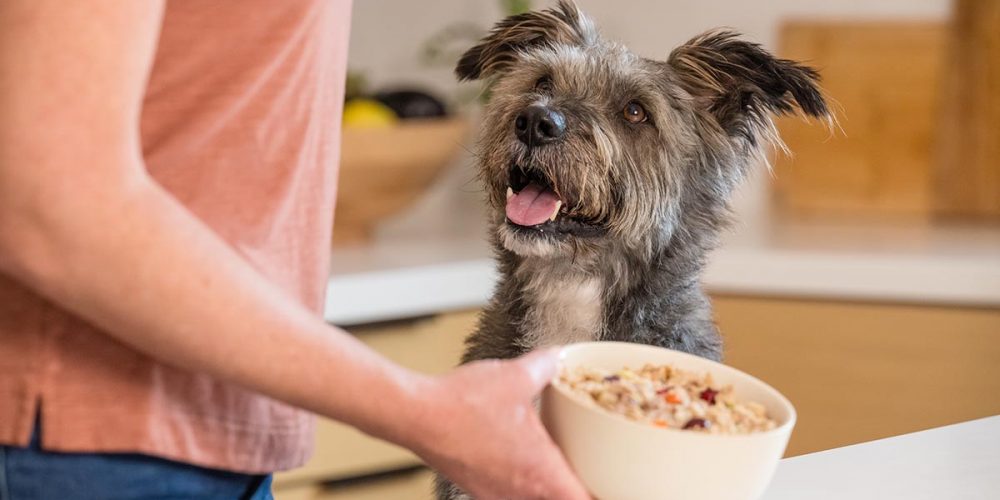
Credit: blog.justfoodfordogs.com
Differences Between Puppy And Adult Dog Food
Adult dog food and puppy food differ in many ways. These differences matter for your dog’s health. Feeding the right type supports growth and maintenance. Understanding these variations helps you make better choices.
Nutritional Content Variations
Puppy food contains more protein and fat than adult dog food. Puppies need these nutrients for fast growth and strong muscles. Adult dogs require fewer calories and less protein to stay healthy. Giving adult dogs puppy food can cause weight gain and digestive issues.
Caloric Needs And Energy Levels
Puppies have higher energy levels and burn calories quickly. Their food has more calories per serving to fuel their active bodies. Adult dogs are less active and need fewer calories. Overfeeding adults with puppy food may lead to obesity and related health problems.
Ingredient Composition
Puppy food often contains ingredients that support brain development and strong bones. These include DHA, calcium, and other vitamins. Adult dog food focuses on maintaining muscle tone and joint health. The ingredient balance matches the different life stages and needs of dogs.
Potential Risks Of Feeding Adult Dogs Puppy Food
Feeding adult dogs puppy food may seem harmless at first. Puppy food has more calories and nutrients to support growth. But adult dogs have different nutritional needs. Giving them puppy food regularly can cause several health problems. Understanding these risks helps keep your dog healthy and happy.
Weight Gain And Obesity
Puppy food contains extra calories for energy and growth. Adult dogs do not burn as many calories as puppies. Eating high-calorie puppy food can quickly lead to weight gain. Too much weight stresses joints and organs. Obesity increases the risk of diabetes and heart disease.
Digestive Issues
Adult dogs have mature digestive systems. Puppy food has higher fat and protein levels. This difference can upset an adult dog’s stomach. Symptoms include diarrhea, vomiting, and gas. Digestive discomfort reduces a dog’s appetite and energy.
Nutrient Imbalance
Puppy food is rich in calcium and phosphorus for bone growth. Adult dogs need balanced nutrients for maintenance, not growth. Too much calcium can cause kidney problems and joint pain. Feeding puppy food long-term may lead to nutrient shortages or excesses.
When Puppy Food Might Be Appropriate For Adults
Adult dogs usually eat food made for their age group. Puppy food has more calories and nutrients for growing dogs. Still, some adult dogs might need puppy food. This section explains when it is okay for adult dogs to eat puppy food.
Puppy food can help in special cases. It can support health and energy. Knowing these cases helps owners feed their dogs better.
Medical Conditions And Recovery
Some adult dogs get sick or have surgery. Their bodies need extra nutrients to heal. Puppy food is rich in protein and fat. This helps dogs gain strength fast. Vets may suggest puppy food during recovery. It supports tissue repair and energy needs.
High Activity Levels
Active adult dogs burn more calories daily. Dogs like working dogs or athletes need more energy. Puppy food can meet their high energy demands. It keeps them strong and healthy. Feeding less energy food may cause weight loss. Puppy food helps maintain their muscle and stamina.
Senior Dogs With Special Needs
Older dogs sometimes lose weight or muscle mass. Their bodies need more protein and fat. Puppy food can provide these nutrients. It helps keep their body strong. Some senior dogs find puppy food easier to eat. It can improve their appetite and health.
Tips For Transitioning Between Puppy And Adult Food
Transitioning your dog from puppy to adult food requires care and attention. Sudden changes can upset their stomach. A smooth switch helps maintain their health and energy. Here are tips to guide you through this important change.
Gradual Food Changes
Start by mixing a small amount of adult food with puppy food. Increase the adult food portion slowly over 7 to 10 days. This helps your dog’s digestive system adjust without stress. Watch for signs of discomfort or refusal to eat. Patience is key during this process.
Monitoring Health And Behavior
Observe your dog’s appetite and energy daily. Check for changes in stool consistency or digestion. Notice if your dog seems lethargic or overly hungry. Healthy skin and coat are good signs of proper nutrition. Keep a journal to track any changes during the switch.
Consulting A Veterinarian
Speak with your vet before changing your dog’s diet. They can recommend the right time to switch food. Your vet may suggest specific adult dog food brands or types. This ensures your dog gets balanced nutrients for their age. Follow professional advice to avoid health problems.
Expert Recommendations For Adult Dog Nutrition
Adult dogs need specific nutrition to stay healthy and active. Expert advice helps pet owners choose the best food. Proper nutrition supports energy, coat health, and digestion. Understanding these recommendations aids in making smart feeding choices.
Choosing The Right Food
Adult dog food contains balanced nutrients for mature dogs. It has the right amount of protein, fat, and vitamins. Puppy food is richer in calories and protein, which may be too much for adults. Select food based on your dog’s size, age, and activity. Always read labels to ensure the food meets AAFCO standards.
Balancing Diet With Treats And Supplements
Treats should not exceed 10% of daily calories. Choose healthy treats like small pieces of fruits or vegetables. Supplements can help with joint health and coat shine. Consult a vet before adding vitamins or minerals. Overuse of supplements can cause harm instead of help.
Regular Health Checkups
Regular vet visits keep track of your dog’s health. The vet can recommend diet changes based on weight and condition. Blood tests can show if your dog lacks any nutrients. Early detection of health issues ensures timely care. Keep a feeding diary to discuss with the vet at checkups.

Credit: www.purina.com
Credit: paradepets.com
Frequently Asked Questions
Can Adult Dogs Eat Puppy Food Safely?
Adult dogs can eat puppy food occasionally, but it’s not ideal long-term. Puppy food has higher calories and nutrients meant for growth. Feeding it regularly may cause weight gain and digestive issues in adults.
What Happens If Adult Dogs Eat Puppy Food?
If adults eat puppy food often, they may gain excess weight. The rich nutrients can stress their kidneys and digestive system. Occasional feeding is usually fine, but continuous feeding isn’t recommended.
Is Puppy Food Nutritious Enough For Adult Dogs?
Puppy food is more nutrient-dense than adult dog food. While nutritious, it contains excess protein and fat for adult needs. Adult dogs require balanced nutrients tailored to their maintenance, which puppy food doesn’t provide.
Can Feeding Puppy Food To Adults Cause Health Issues?
Yes, long-term feeding of puppy food to adults may lead to obesity, nutrient imbalance, and digestive problems. Adults need food designed for their metabolism and activity level to stay healthy.
Conclusion
Adult dogs can eat puppy food occasionally, but it is not ideal. Puppy food has more calories and nutrients for growing dogs. Feeding it regularly may cause weight gain or digestive issues. Choose adult dog food for balanced nutrition and health.
Always check with your vet before changing your dog’s diet. Keep your dog happy and healthy with the right food. Simple choices make a big difference in your dog’s life.


