

If you’ve just brought home a 2-month-old puppy, you want to give your furry friend the best start in life. But you might be wondering—can a 2-month-old puppy eat adult dog food?
Choosing the right food is more than just a simple decision; it affects your puppy’s growth, health, and energy. Feeding the wrong food could slow down their development or cause digestive issues. Keep reading to discover the truth about puppy nutrition and learn how to make the best choice for your new companion’s well-being.
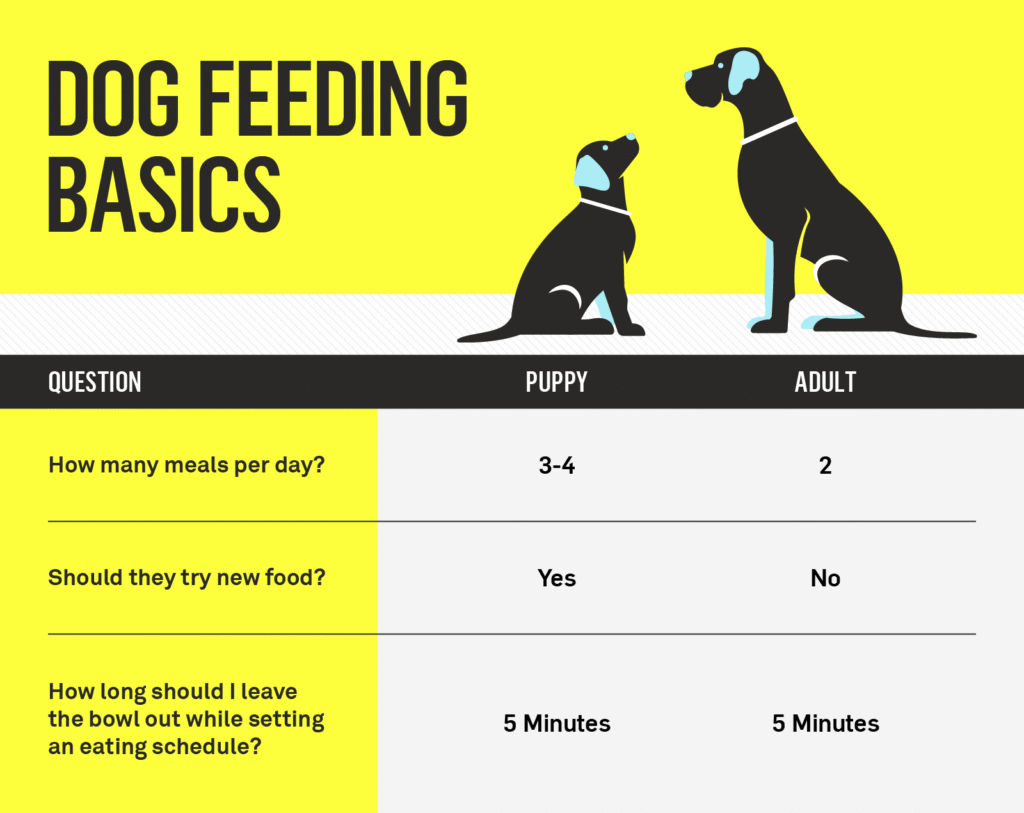
Credit: www.gallant.com
Nutritional Needs Of Puppies
Puppies have special nutritional needs that differ from adult dogs. Their bodies grow fast and need more energy. Proper nutrition supports healthy bones, muscles, and brain development.
Choosing the right food helps puppies stay strong and active. Feeding adult dog food to puppies might not meet these needs well. Understanding what puppies require helps you make better feeding choices.
Growth Requirements
Puppies grow quickly in the first months. They need extra calories to support this fast growth. Their food must provide enough energy without being too heavy.
Protein is vital to build muscles and tissues. Puppies also need fats for energy and brain health. Balanced meals help avoid growth problems and keep puppies healthy.
Essential Nutrients For Puppies
Key nutrients for puppies include protein, fat, vitamins, and minerals. Protein supports muscle and tissue development. Fat provides energy and helps absorb vitamins.
Calcium and phosphorus are important for strong bones and teeth. Vitamins like A, D, and E support the immune system and vision. Puppies need a diet rich in these nutrients.
Adult dog food often lacks the right balance of these nutrients. Puppy food is specially made to meet these essential needs. Proper nutrition sets a good foundation for a healthy life.
Differences Between Puppy And Adult Dog Food
Puppy food and adult dog food have clear differences. These differences meet the specific needs of growing puppies and mature dogs. Puppies need extra nutrients to support their rapid growth and energy levels. Adult dogs require balanced nutrition to maintain health and activity. Understanding these differences helps in choosing the right food for your dog’s stage of life.
Calorie Content
Puppy food has more calories than adult dog food. Puppies burn a lot of energy while growing. They need extra calories to fuel their growth and play. Adult dog food has fewer calories to prevent weight gain. Feeding adult food to puppies can slow their growth.
Protein And Fat Levels
Puppy food contains higher protein and fat levels. These nutrients build strong muscles and healthy tissues. Fat also provides energy and supports brain development. Adult dog food has moderate protein and fat for maintenance. Using adult food for puppies can cause nutrient shortages.
Vitamins And Minerals
Puppy food includes extra vitamins and minerals. Calcium and phosphorus help form strong bones and teeth. Puppies also need vitamins for immune system support. Adult dog food has balanced vitamins and minerals for health upkeep. Feeding adult food to puppies may lead to nutrient gaps.
Risks Of Feeding Adult Food To Puppies
Feeding adult dog food to a 2-month-old puppy carries several risks. Puppies need special nutrition to grow healthy and strong. Adult food lacks some important nutrients puppies require. This can cause health problems and slow growth. Understanding the risks helps keep your puppy safe and well-fed.
Nutritional Deficiencies
Adult dog food does not have enough protein and fat for puppies. Puppies need more calories to support their fast growth. Lack of essential vitamins and minerals can weaken their immune system. This may lead to poor development and health issues later.
Digestive Issues
Puppies have sensitive stomachs that need gentle food. Adult food can be hard to digest and cause upset tummies. Diarrhea, vomiting, or constipation can happen easily. This makes the puppy uncomfortable and can lead to dehydration.
Growth Problems
Proper growth depends on balanced nutrition. Feeding adult food can cause bones and muscles to develop poorly. This may lead to weak joints and stunted growth. Puppies need food designed to support strong bones and healthy body structure.
When Adult Dog Food Might Be Suitable
Adult dog food is usually not made for puppies under six months old. It may lack important nutrients needed for growing pups. Still, some cases allow feeding adult dog food to a 2-month-old puppy. Knowing when it might be okay helps keep your puppy healthy.
Consulting A Veterinarian
Always ask a vet before changing your puppy’s diet. A vet knows your puppy’s health and needs. They can suggest the right food type and amount. Sometimes, vets may recommend adult food for special health reasons. Their advice ensures your puppy grows strong and safe.
Special Circumstances
Some puppies have unique health problems. Certain conditions need different nutrition than usual. In these cases, adult dog food might be better. Puppies with allergies or digestive issues could benefit from adult formulas. Feeding adult food under these conditions should follow vet guidance only.
Tips For Transitioning Puppy Food
Changing a puppy’s food needs care and patience. This switch can affect digestion and energy. The right method helps avoid stomach problems. It also keeps your puppy happy and healthy during the change.
Gradual Switch Process
Start by mixing 25% new food with 75% old food. Do this for three days. Then, change the mix to 50% new and 50% old food for three days. After that, use 75% new food and 25% old food for three days. Finally, give only the new food. This slow switch helps the puppy’s stomach adjust well.
Monitoring Health And Behavior
Watch your puppy closely during the transition. Look for changes in appetite or energy. Check for vomiting, diarrhea, or constipation. Keep track of any unusual behavior or discomfort. If problems appear, slow down the transition or consult a vet. This keeps your puppy safe and comfortable.

Credit: www.reddit.com
Alternative Feeding Options
Choosing the right food for a 2-month-old puppy is important for healthy growth. Adult dog food often lacks the nutrients puppies need. Alternative feeding options provide better nutrition and support their development. These options include homemade meals and specialized puppy formulas. Both choices help ensure your puppy gets the right balance of proteins, fats, and vitamins.
Homemade Puppy Meals
Preparing homemade meals allows control over ingredients and quality. Use lean meats like chicken or turkey as protein sources. Add cooked vegetables such as carrots and peas for vitamins. Include rice or sweet potatoes for carbohydrates and energy. Avoid seasoning and harmful foods like onions or garlic. Consult a vet to balance nutrients and portion sizes. Homemade meals can be fresh and tasty for your puppy.
Specialized Puppy Formulas
Specialized puppy formulas are made to meet young dogs’ needs. These commercial foods contain higher protein and fat than adult dog food. They include essential vitamins and minerals for strong bones and immune support. Dry kibble or wet food options are available. These products save time and ensure balanced nutrition. Choose reputable brands and follow feeding guidelines on the package. Puppy formulas help puppies grow healthy and active.

Credit: www.chewy.com
Frequently Asked Questions
Can A 2-month-old Puppy Eat Adult Dog Food?
No, a 2-month-old puppy should not eat adult dog food. Puppy food is specially formulated with extra nutrients for growth. Adult dog food lacks essential vitamins and calories needed for healthy puppy development.
What Happens If A Puppy Eats Adult Dog Food?
If a puppy eats adult dog food, it may miss vital nutrients. This can cause poor growth, weak bones, and digestive issues. Always feed age-appropriate food to support proper development and health.
When Can Puppies Switch To Adult Dog Food?
Puppies can switch to adult dog food around 12 months old. This timing varies by breed size. Large breeds may need puppy food longer. Consult your vet for the best transition time.
Why Is Puppy Food Better Than Adult Dog Food?
Puppy food contains higher protein, fats, and calories. These support rapid growth and energy needs. Adult dog food lacks these extras, making it unsuitable for young puppies.
Conclusion
A 2-month-old puppy needs special food for healthy growth. Adult dog food lacks the right nutrients for puppies. Feeding adult food can cause health problems over time. Choose puppy food to support bones, teeth, and energy. Always check with your vet before changing your puppy’s diet.
Healthy eating now helps your puppy grow strong and happy. Keep your puppy’s needs in mind for the best care. Simple choices make a big difference in your puppy’s life.


