

You want the best for your puppy, and feeding them the right food is a big part of that. But when your puppy hits six months, you might wonder: Can your 6-month-old puppy eat adult dog food?
It’s a question many dog owners face. Choosing the wrong food could affect your puppy’s growth, energy, and health. You’ll discover what’s best for your furry friend at this important stage. Keep reading to make sure your puppy stays happy, healthy, and strong.
Puppy Nutritional Needs
Puppies have special nutritional needs that differ from adult dogs. Their bodies grow fast and require more energy and nutrients. Feeding the right food supports strong bones, healthy muscles, and a good immune system. Understanding what puppies need helps you choose the best diet for your 6-month-old puppy.
Growth And Development
Puppies grow quickly in their first year. Their bones and muscles develop rapidly. Proper nutrition supports this fast growth. Puppies need more calories per pound than adult dogs. This extra energy fuels their active play and body changes. Feeding adult dog food may not meet these high energy needs. It could slow their growth or cause health issues.
Key Nutrients For Puppies
Puppies need protein to build strong muscles and tissues. Fat provides energy and supports brain growth. Calcium and phosphorus are vital for healthy bones and teeth. Vitamins and minerals strengthen the immune system and overall health. Puppy food contains the right balance of these nutrients. Adult dog food might lack enough nutrients for proper puppy development.
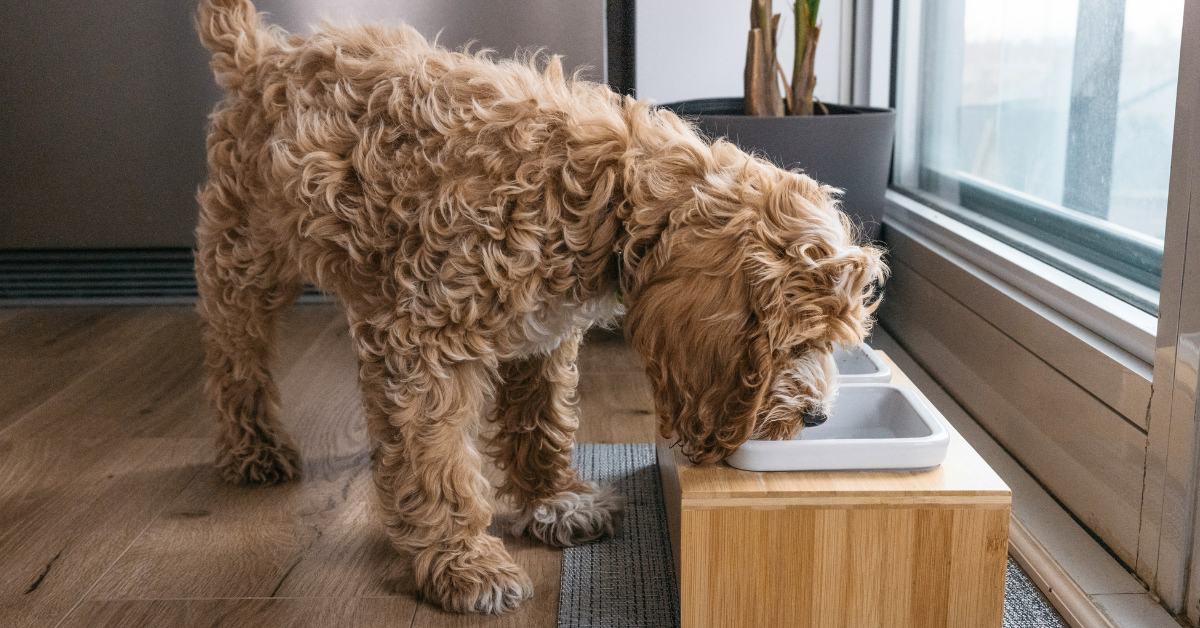
Credit: www.acanapetfoods.co.uk
Differences Between Puppy And Adult Food
Puppy food and adult dog food serve different purposes. Puppies grow fast and need special nutrients. Adult dogs need to maintain health and energy. Knowing the differences helps choose the right food for your dog’s age.
Calorie Content
Puppy food has more calories than adult food. Growing puppies burn energy quickly. They need extra calories for healthy growth. Adult dogs need fewer calories to avoid weight gain. Feeding adult food to puppies may not meet their energy needs.
Protein And Fat Levels
Puppy food contains higher protein and fat. Protein helps build strong muscles and tissues. Fat gives puppies energy and supports brain development. Adult dog food has less protein and fat. Adult dogs need balanced amounts to stay fit, not to grow.
Vitamin And Mineral Balance
Puppy food has more vitamins and minerals for growth. Calcium and phosphorus support strong bones and teeth. Adult food has a different balance to keep health steady. Nutrient needs change from puppy to adult stage. Feeding the right balance helps your dog thrive.
Risks Of Feeding Adult Food To Puppies
Feeding adult dog food to a 6-month-old puppy carries several risks. Puppies have special nutritional needs. Their growing bodies require extra care. Adult dog food does not meet these needs properly. This can lead to health problems both now and later.
Nutritional Deficiencies
Puppies need more protein, fat, and calories than adult dogs. Adult food has lower levels of these nutrients. This can cause slow growth and weak muscles. Important vitamins and minerals may also be missing. Without proper nutrition, puppies may not develop strong bones or a healthy immune system.
Digestive Issues
Adult dog food can upset a puppy’s sensitive stomach. The ingredients may be harder to digest. This can cause diarrhea, vomiting, or constipation. Puppies might feel uncomfortable and lose appetite. Their digestive system is still developing and needs gentle food.
Long-term Health Effects
Feeding adult food too early can harm a puppy’s health later. Poor nutrition may lead to joint problems and obesity. It can also affect their energy levels and coat condition. Long-term issues can reduce a dog’s quality of life. Proper puppy food supports strong growth and lifelong wellness.
:strip_icc()/Puppy-food-feeding-schedule-2804779-a35fb27f23bd427cbea6ed24236fee22.jpg)
Credit: www.thesprucepets.com
When To Transition To Adult Dog Food
Knowing when to switch your puppy to adult dog food is important. Puppies and adult dogs have different nutritional needs. Feeding the right food supports healthy growth and keeps your dog strong. Timing this change carefully helps your dog adjust well and stay healthy.
Breed And Size Considerations
Small and large breeds grow at different rates. Small breeds mature faster and can switch to adult food around six months. Large breeds grow longer and need puppy food until 12 to 18 months. Check your dog’s breed size to decide the right time for the switch.
Signs Your Puppy Is Ready
Your puppy may show signs of readiness. Look for slower growth and less energy bursts. Teeth development and weight gain also signal readiness. If your puppy seems less active and growth slows, it might be time for adult food.
Recommended Transition Process
Switch food slowly over 7 to 10 days. Mix a small amount of adult food with puppy food. Increase adult food daily while reducing puppy food. Watch for stomach upset. A gradual change helps your puppy adjust without problems.
Expert Feeding Tips For 6-month-old Puppies
Feeding a 6-month-old puppy needs care and attention. This stage is crucial for growth and development. Choosing the right food and feeding schedule helps your puppy stay healthy and active. Experts share tips to guide you through this important phase.
Choosing The Right Food
At six months, puppies still need nutrients for growth. Puppy food contains more protein and fat than adult dog food. Switching too soon to adult food can slow down growth. Select a high-quality puppy food made for medium or large breeds. Look for balanced ingredients and avoid fillers. Consult a vet before making changes.
Feeding Frequency And Portions
Puppies at six months usually eat three meals daily. Smaller, frequent meals help digestion and energy levels. Measure portions based on your puppy’s weight and activity. Avoid overfeeding to prevent obesity and health issues. Gradually reduce meal frequency as the puppy grows older.
Monitoring Puppy Health
Watch your puppy’s weight and energy closely. Healthy puppies have shiny coats and bright eyes. Check for signs like vomiting, diarrhea, or lack of appetite. Regular vet visits ensure the puppy is developing well. Adjust food type or amount if health issues arise. Early care supports long-term wellbeing.
Common Questions From Puppy Owners
Puppy owners often have many questions about feeding their young dogs. Feeding a 6-month-old puppy can be confusing. They wonder if adult dog food is okay. Others ask about mixing foods or making meals at home. Some want tips for picky eaters. These are common concerns that help puppies grow strong and healthy.
Mixing Puppy And Adult Food
Mixing puppy and adult dog food is common. It helps puppies adjust to new tastes. Start by adding a small amount of adult food. Gradually increase the adult food over several days. Watch for any stomach upset or changes in stool. This slow change reduces digestive problems. Keep the puppy’s needs in mind. Puppy food has more nutrients for growth. Adult food is less rich but good for older dogs.
Homemade Vs. Commercial Food
Many owners wonder about homemade meals. Homemade food lets you control ingredients. It can be fresh and tasty. But it needs balance. Puppies need the right vitamins and minerals. Commercial dog food is made for this balance. It is tested and safe. Homemade meals need careful planning or advice from a vet. Both types can be healthy if done right. Choose what fits your routine and budget.
Handling Picky Eaters
Picky eating is common in puppies. It can worry owners. Try feeding small, frequent meals. Keep feeding times consistent. Avoid giving too many treats. Change the food gradually to new flavors. Mix in a little warm water or broth. This can make the food more appealing. Patience is key. Puppies often grow out of picky phases. If problems last, consult a vet for advice.
Credit: www.petsmart.com
Frequently Asked Questions
Can A 6-month-old Puppy Eat Adult Dog Food?
Yes, a 6-month-old puppy can start eating adult dog food. However, consult your vet to ensure it meets your puppy’s nutritional needs. Gradually transition to adult food to avoid digestive upset and monitor your puppy’s health during the change.
When Should Puppies Switch To Adult Dog Food?
Puppies generally switch to adult dog food between 6 to 12 months. The exact timing depends on breed size and growth rate. Larger breeds may switch later, while smaller breeds transition earlier. Always follow your vet’s advice for the best feeding schedule.
Is Adult Dog Food Nutritious For Puppies?
Adult dog food lacks some essential nutrients puppies need, like higher protein and fat. Feeding adult food too early may slow growth or affect development. Puppy-specific formulas provide balanced nutrition to support healthy growth and immune system development.
How To Transition A Puppy To Adult Dog Food?
Transition gradually over 7-10 days by mixing increasing amounts of adult food with puppy food. This helps prevent stomach upset. Monitor your puppy’s appetite and stool quality during the transition. Adjust the ratio slowly until fully switched to adult food.
Conclusion
Feeding a 6-month-old puppy adult dog food needs careful thought. Puppies need more nutrients to grow strong and healthy. Adult dog food may not give enough vitamins and minerals. Changing food too fast can upset your puppy’s stomach. Watch your puppy’s health and energy during the switch.
Talk to your vet to choose the best food for your pup. Healthy food helps your puppy grow into a happy adult dog. Keep your puppy’s needs in mind for a smooth transition.


