
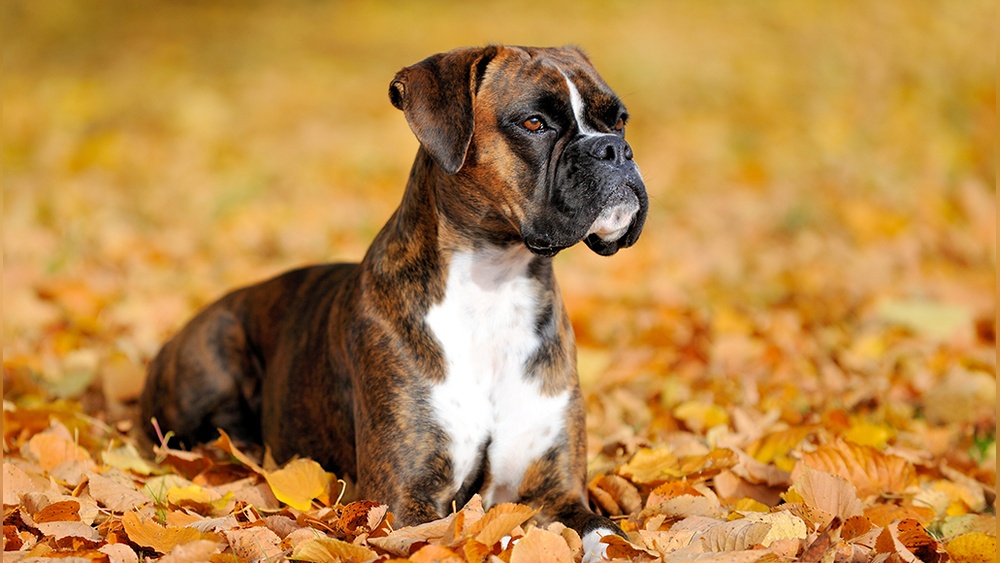
Bringing a Boxer puppy into your home is exciting, but it can also feel overwhelming. You want to give your new furry friend the best start, but where do you begin?
This guide is packed with simple, practical tips to help you raise a happy, healthy Boxer puppy. Whether it’s training, feeding, or playtime, you’ll discover easy ways to build a strong bond and avoid common mistakes. Keep reading, and you’ll soon feel confident in giving your Boxer the love and care it deserves.
Choosing The Right Boxer Puppy
Choosing the right Boxer puppy sets the path for a happy pet life. This choice affects your daily routine and long-term joy with your dog. Knowing what to check helps you find a healthy and well-behaved puppy. Focus on key areas to make a smart decision.
Selecting A Reputable Breeder
Start by finding a breeder with a good reputation. A responsible breeder cares about the puppies’ health and well-being. They allow visits to see the living conditions and meet the puppy’s parents. Avoid breeders who cannot provide clear answers or health records. Good breeders also support you after taking the puppy home.
Puppy Health Checks
Check the puppy’s health before buying. Look for clear eyes, clean ears, and a shiny coat. Ask for vaccination records and vet check-ups. Healthy puppies are active and curious. Avoid puppies that cough, sneeze, or seem weak. Early health checks prevent future problems.
Temperament And Personality
Boxers have different personalities. Spend time playing and watching the puppy’s behavior. Choose a puppy that fits your lifestyle. Some are calm and gentle, others more energetic. Friendly and confident puppies adjust better to new homes. Trust your feelings during this important choice.

Credit: www.youtube.com
Preparing Your Home
Bringing a Boxer puppy home is exciting and needs careful planning. Preparing your home helps your new puppy feel safe and happy. It also protects your belongings and keeps your puppy healthy. Setting up the right environment is the first step to a smooth transition.
Creating A Safe Space
Choose a quiet area for your puppy’s bed and toys. This space should be free from loud noises and busy foot traffic. Use a crate or playpen to create a cozy spot. A safe space helps your puppy rest and feel secure.
Essential Puppy Supplies
Gather basic supplies before your puppy arrives. Include food and water bowls, puppy food, and a comfy bed. Add chew toys, grooming tools, and a collar with an ID tag. These items support your puppy’s health and comfort.
Puppy-proofing Tips
Remove small objects that your puppy could swallow. Keep electrical cords out of reach or covered. Store cleaning products and medicines in locked cabinets. Block off stairs and dangerous areas to prevent accidents.
Feeding And Nutrition
Feeding and nutrition play a key role in your Boxer puppy’s health. Proper food helps them grow strong and active. It supports their energy and keeps their coat shiny. Good nutrition also helps prevent health problems later in life.
Choosing the right diet and feeding routine ensures your puppy gets all needed nutrients. Understanding common food mistakes helps avoid issues like upset stomach or slow growth. Let’s explore how to feed your Boxer puppy well.
Best Diet For Boxer Puppies
Boxer puppies need food rich in protein and fat. These nutrients support muscle growth and energy. Look for puppy food made with real meat as the first ingredient. Avoid fillers like corn or soy. Puppies also need vitamins and minerals for strong bones and a healthy immune system.
Wet or dry food both work well. Mixing them can add variety. Fresh water must always be available. Avoid giving your puppy human food. It can cause stomach problems or allergies.
Feeding Schedule
Young Boxer puppies need three to four meals a day. Smaller, frequent meals help digestion and keep energy steady. As they grow, reduce meals to two times daily. Feed your puppy at the same times each day. This routine helps with digestion and behavior.
Measure food portions according to the package or your vet’s advice. Overfeeding can lead to obesity. Underfeeding can slow growth. Watch your puppy’s weight and adjust food as needed.
Avoiding Common Food Mistakes
Do not change your puppy’s food suddenly. Mix new food gradually over a week. Sudden changes can cause diarrhea or vomiting. Avoid giving too many treats or table scraps. They add empty calories and may upset digestion.
Never feed your Boxer puppy chocolate, grapes, onions, or garlic. These foods are toxic and dangerous. Always store dog food in a cool, dry place. Check expiration dates to keep food fresh.
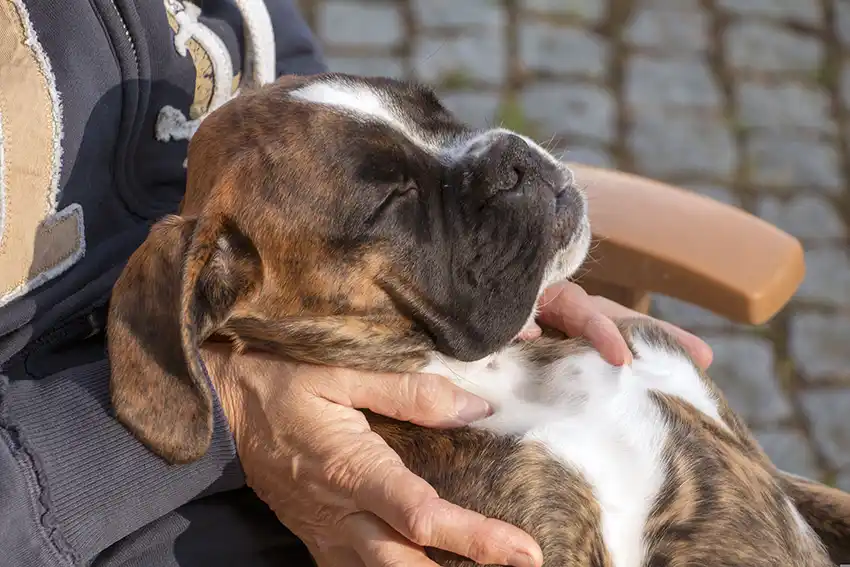
Credit: www.barkbusters.co.uk
Training Basics
Training a Boxer puppy sets the foundation for a happy and well-behaved dog. Start early with clear and simple routines. Consistency and patience are key. Keep sessions short to hold your puppy’s attention. Reward good behavior with praise or treats. This helps your puppy learn faster and enjoy training.
Housebreaking Tips
Housebreaking teaches your Boxer puppy where to go potty. Pick a specific spot outside for bathroom breaks. Take your puppy there often, especially after meals and naps. Praise and reward immediately after they go. Watch for signs like sniffing or circling. Clean accidents with odor removers to avoid repeats. Stick to a schedule to build good habits quickly.
Crate Training
Crate training offers a safe space for your puppy. Use a crate that fits your Boxer comfortably. Make it cozy with a soft blanket or toy. Encourage your puppy to enter the crate with treats. Never use the crate as punishment. Start with short periods, then gradually increase time. This helps your puppy feel secure and calm.
Socialization Strategies
Socialization helps your Boxer puppy grow friendly and confident. Introduce your puppy to new people and animals slowly. Choose calm and positive environments for first meetings. Let your puppy explore at their own pace. Attend puppy classes or playgroups for social skills. Early exposure reduces fear and promotes good behavior.
Exercise And Play
Boxer puppies are full of energy and need plenty of exercise. Exercise and play help keep them healthy and happy. It also helps them learn good behavior and build a strong bond with you. Regular activity stops boredom and bad habits. Let’s explore how to give your Boxer puppy the right amount of exercise and fun playtime.
Daily Activity Needs
Boxer puppies need about 30 to 60 minutes of exercise each day. This can be split into shorter sessions. Walks, gentle runs, and playtime are great options. Avoid too much hard running to protect growing joints. Watch your puppy’s energy and stop if it seems tired. Consistent daily activity helps build strong muscles and good habits.
Safe Playtime Ideas
Choose toys that are soft and puppy-safe. Tug ropes, soft balls, and chew toys work well. Play gentle tug-of-war or fetch in a safe space. Avoid rough play that may hurt your puppy. Always supervise playtime to prevent accidents. Rotate toys often to keep your puppy interested and happy.
Mental Stimulation
Exercise is not just physical. Mental games help your Boxer think and learn. Use puzzle toys that hide treats. Teach simple commands like sit and stay during play. Change up the games to keep your puppy curious. Mental challenges reduce boredom and make your puppy calmer.
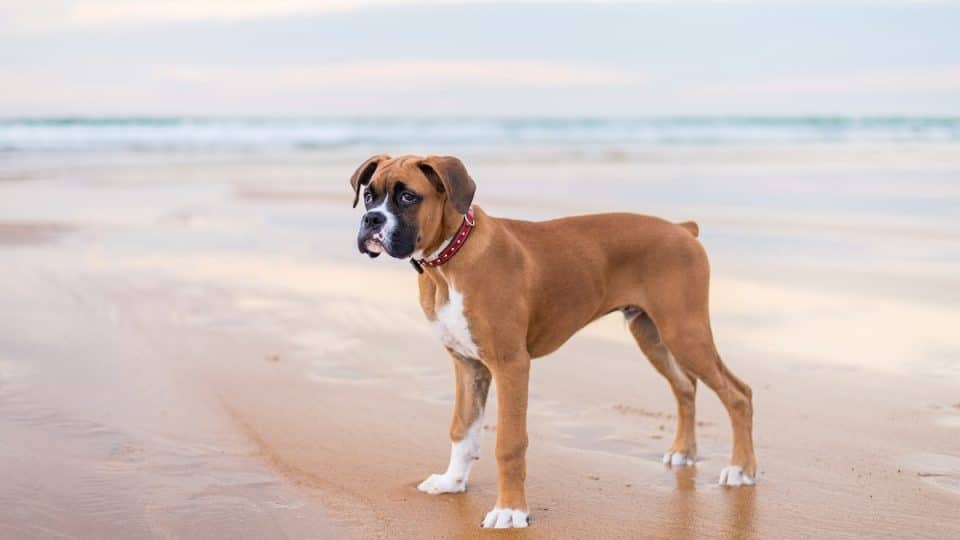
Credit: www.rover.com
Health Care Essentials
Taking care of a Boxer puppy’s health is very important. Good health care helps your puppy grow strong and happy. This section covers key health care tips every Boxer owner should know. Understanding these basics keeps your puppy safe and well.
Vaccination Schedule
Vaccines protect your puppy from serious diseases. Start vaccinations at six to eight weeks old. Core vaccines include distemper, parvovirus, and rabies. Follow your vet’s advice for booster shots. Keep a record of all vaccinations. Timely shots prevent infections and keep your puppy healthy.
Common Health Issues
Boxers face some health problems more often than other dogs. These include hip dysplasia, heart disease, and allergies. Watch for signs like coughing, limping, or skin irritation. Early detection helps treat problems faster. Regular exercise and good food support your puppy’s health.
Regular Vet Visits
Visit the vet regularly for check-ups. Your vet checks your puppy’s growth and overall health. These visits catch health issues early. Bring your puppy for yearly exams after the first year. Keep your vet informed about any changes in behavior. Regular visits build a strong bond between your puppy and vet.
Grooming And Maintenance
Taking care of a Boxer puppy’s grooming and maintenance is important for their health and happiness. Regular grooming keeps your pup clean and comfortable. It also helps you check for any skin problems or parasites early. Establish good grooming habits early to make these tasks easier as your puppy grows.
Coat Care Tips
Boxers have short, smooth coats that need weekly brushing. Use a soft-bristle brush to remove loose hair and dirt. Brushing also spreads natural oils, keeping the coat shiny. Bathing should happen only when necessary to avoid drying the skin. Use a mild dog shampoo made for sensitive skin.
Nail Trimming
Trim your puppy’s nails every two to three weeks. Long nails can hurt their paws and cause pain when walking. Use a dog nail clipper and cut small pieces at a time. Stop if you see a pink area inside the nail, called the quick. This part has blood vessels and nerves.
Ear And Teeth Cleaning
Check ears once a week for dirt or bad smell. Clean them with a damp cotton ball or vet-approved cleaner. Avoid using cotton swabs inside the ear canal. Brush your puppy’s teeth three times a week using a dog toothbrush and toothpaste. Good dental care prevents bad breath and gum disease.
Building A Strong Bond
Building a strong bond with your Boxer puppy creates trust and happiness. This bond helps your puppy feel safe and loved. It also makes training easier and playtime more fun. Spend time every day to connect with your Boxer. Learn how to speak their language and show kindness.
Positive Reinforcement
Use treats and praise to reward good behavior. Your puppy learns fast when they get rewards. Say “good job” with a happy voice. Give a small treat right after they do well. This method helps your Boxer want to repeat good actions. Avoid punishment, as it can cause fear and confusion.
Understanding Boxer Behavior
Boxers are playful, curious, and full of energy. They love attention and want to be near you. Sometimes they jump or bark to get noticed. Learn what your puppy is trying to say with their actions. Watch their body language to know their feelings. This helps you respond in the right way.
Consistent Routine
Set a daily schedule for feeding, walks, and playtime. Boxers feel safe when they know what comes next. Consistency helps your puppy learn rules faster. Stick to the same potty spots and times. This routine builds good habits and reduces stress for both of you.
Frequently Asked Questions
How Do I Train A Boxer Puppy Effectively?
Start training early with consistency and positive reinforcement. Use short sessions and reward good behavior. Boxers respond well to praise and treats.
What Is The Best Diet For Boxer Puppies?
Feed high-quality puppy food rich in protein and essential nutrients. Avoid human food and maintain a regular feeding schedule for healthy growth.
How Much Exercise Does A Boxer Puppy Need?
Boxer puppies need moderate daily exercise, about 30 to 60 minutes. Play and short walks help burn energy and prevent boredom.
How Do I Socialize My Boxer Puppy Properly?
Expose your puppy to different people, pets, and environments early. Positive social experiences help develop a well-behaved and confident adult dog.
Conclusion
Caring for a boxer puppy takes time and patience. Consistent training helps them learn good behavior fast. Healthy food and regular vet visits keep them strong. Play and exercise build a happy, active dog. Remember, love and attention make a big difference.
Enjoy every moment with your new furry friend. They grow up quickly, so cherish the puppy days. You can give your boxer the best start in life. Small steps lead to a well-behaved, joyful companion. Keep these tips in mind for a happy puppy journey.


