If your dog has a chicken allergy, finding the right food can feel like a real challenge. You want to keep your furry friend healthy and happy, but you also need to avoid ingredients that could cause discomfort or worse.
Don’t worry—this guide will help you discover the best foods that are safe, nutritious, and tasty for dogs with chicken allergies. Keep reading to learn how you can make mealtime enjoyable and worry-free for your beloved pet.
:strip_icc()/Spruce-best-dog-food-for-allergies-4173781-024027f06d344cd8acf7267d38694fa3.jpg)
Credit: www.mkrgestaoefinancas.com.br
Causes Of Chicken Allergy In Dogs
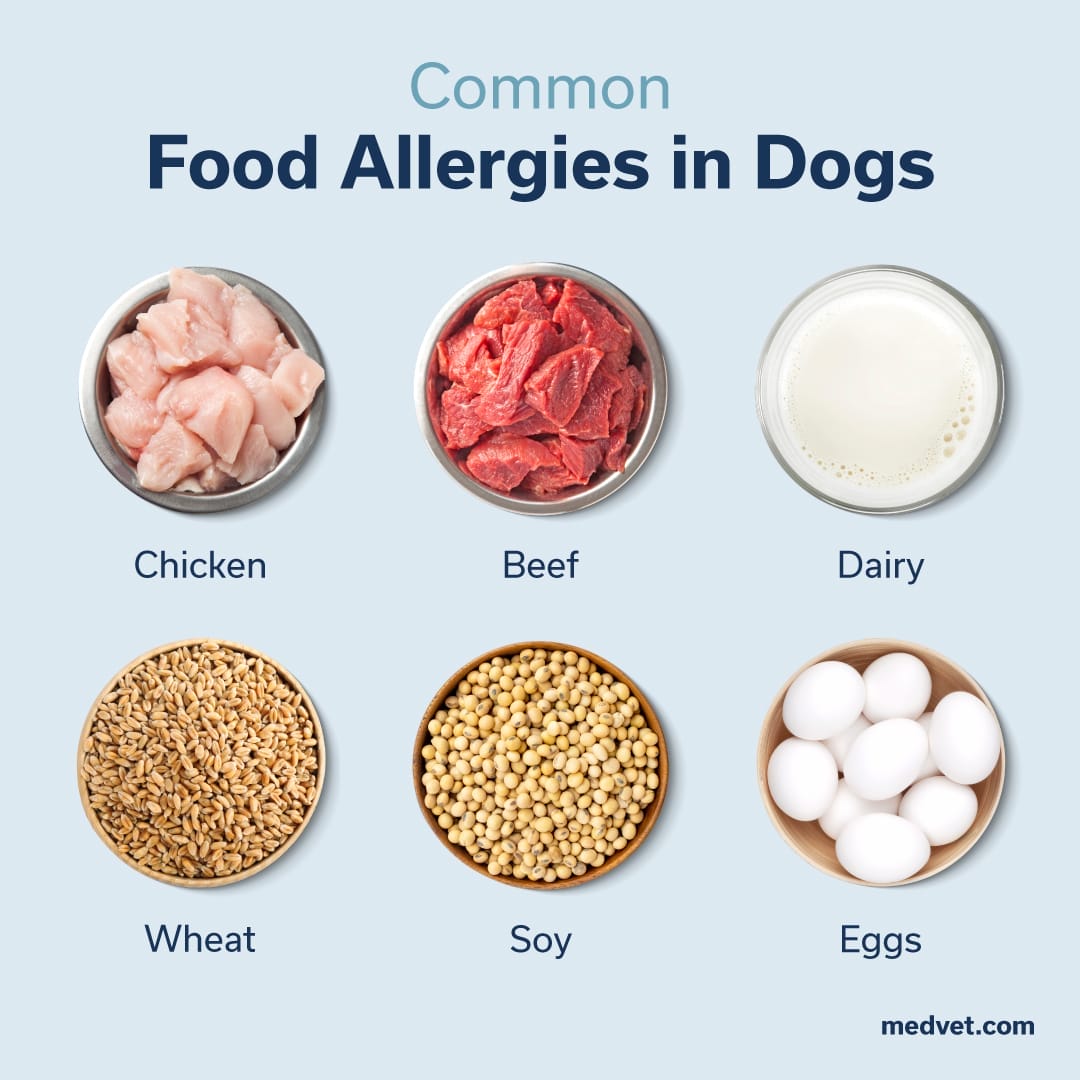
Dogs can develop allergies to many foods, including chicken. Understanding the causes helps in managing their diet well. Allergies happen when a dog’s immune system reacts to certain proteins as threats. This causes symptoms like itching, redness, and digestive problems.
Chicken is a common ingredient in many dog foods. Some dogs become sensitive to proteins in chicken over time. This sensitivity can lead to allergic reactions. Knowing why dogs develop this allergy helps owners choose the right food.
What Triggers Chicken Allergy In Dogs?
Chicken allergy starts when a dog’s immune system mistakes chicken proteins as harmful. The body produces antibodies to fight these proteins. This immune response causes allergy symptoms. Repeated exposure to chicken proteins often increases sensitivity.
Genetic Factors In Chicken Allergy
Some dog breeds inherit a tendency to develop allergies. Genetics can make some dogs more prone to food allergies. Breeds like Retrievers and Terriers may show higher rates of chicken allergy. Knowing breed risks helps in early allergy detection.
Role Of Diet And Environment
Feeding a dog chicken-based food regularly may cause allergies. Environmental factors like pollution and stress can worsen allergic reactions. A dog’s overall health and diet variety influence allergy development. Balanced nutrition reduces the risk of food sensitivities.
Symptoms Of Chicken Allergy
Dogs can have allergies just like people. Chicken allergy is common in dogs and causes many health problems. Recognizing symptoms early helps keep your dog comfortable and healthy.
Symptoms can affect the skin, stomach, and overall behavior. Watch closely for any unusual signs. Acting fast can prevent serious issues.
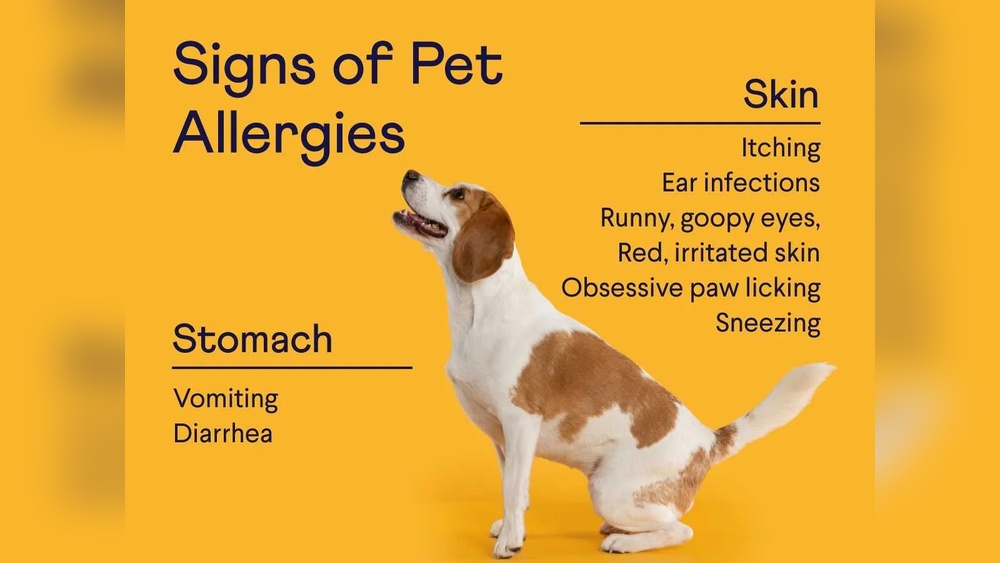
Skin Irritation And Itching
One of the first signs is constant itching. Your dog may scratch paws, belly, or ears often. Red, inflamed skin or hot spots can appear. Hair loss or scabs may develop from scratching.
Digestive Problems
Chicken allergy can cause stomach upset. Vomiting or diarrhea happens frequently. Your dog may have gas or bloating. Loss of appetite or weight loss is also common.
Ear Infections
Repeated ear infections can signal an allergy. Look for redness inside the ears. Your dog might shake its head or scratch ears. A bad smell or discharge may be present.
Behavioral Changes
Allergies can make dogs restless or irritable. They may seem tired or less playful. Excessive licking or chewing on paws shows discomfort.
How To Diagnose Chicken Allergy
Understanding how to diagnose a chicken allergy in dogs is the first step to better care. Allergies can cause discomfort and health issues for your pet. Spotting the signs early helps in managing the problem effectively.
Chicken allergy symptoms often include itching, redness, and digestive problems. These symptoms may appear soon after eating or several hours later. Identifying the cause is essential for proper treatment.
Observe Your Dog’s Symptoms
Watch your dog closely for signs like itching, hair loss, or rashes. Check for vomiting, diarrhea, or stomach upset too. Note when these symptoms occur and what your dog ate before that.
Elimination Diet Trial
Feed your dog a diet without chicken for 8 to 12 weeks. Use a special food with novel protein your dog has never eaten. If symptoms improve, chicken could be the cause.
Reintroduce Chicken Carefully
After the trial, add chicken back to your dog’s diet. Watch for any return of symptoms. If symptoms come back, chicken allergy is likely.
Visit Your Veterinarian
Your vet can perform tests to rule out other issues. Skin or blood tests may help but are not always accurate. The elimination diet is the most reliable method.
Key Nutrients For Dogs With Allergies
Dogs with chicken allergies need special care in their diet. Choosing the right nutrients helps keep them healthy and happy. Avoiding chicken means focusing on other important ingredients that support their body and immune system.
Key nutrients provide energy, support digestion, and reduce allergy symptoms. These nutrients help maintain strong skin and a shiny coat. They also boost overall wellness, so dogs feel their best every day.
Protein Sources Without Chicken
Protein is vital for muscle repair and growth. Good options include fish, lamb, and turkey. These proteins are less likely to cause allergic reactions. Novel proteins like venison or duck also work well for sensitive dogs.
Omega-3 Fatty Acids
Omega-3 fatty acids reduce inflammation and improve skin health. Fish oil and flaxseed oil are rich in omega-3s. These fats help soothe itchy skin and support the immune system.
Digestive Support
Probiotics and fiber promote a healthy gut. They aid digestion and reduce allergy-related stomach issues. Ingredients like pumpkin, sweet potato, and chicory root provide natural fiber.
Vitamins And Minerals
Vitamins A, E, and zinc strengthen the skin barrier. They help repair damaged skin and fight infections. Balanced minerals support overall health and immune function.
Top Protein Alternatives To Chicken
Dogs with chicken allergies need safe and tasty protein options. Choosing the right protein helps keep your dog healthy and happy. There are many alternatives that provide good nutrition without causing allergies. This section explores top protein choices that work well for dogs sensitive to chicken.
Fish And Seafood Options
Fish like salmon and whitefish provide high-quality protein. They are rich in omega-3 fatty acids, which support skin and coat health. Seafood options such as shrimp or scallops can also be good choices. These proteins are gentle on the stomach and often well tolerated by dogs with allergies.
Beef And Lamb Choices
Beef and lamb are popular alternatives for dogs with chicken allergies. These meats offer strong protein sources and essential nutrients. Grass-fed beef and pasture-raised lamb may provide better quality. They are suitable for most dogs but watch for any new allergy signs.
Turkey And Duck Varieties
Turkey and duck serve as flavorful protein alternatives. Turkey is lean and easy to digest for many dogs. Duck has a richer taste and is often less allergenic. Both options add variety and can help prevent food sensitivities from recurring.
Plant-based Proteins
Plant proteins like lentils, peas, and chickpeas work well in hypoallergenic dog foods. They provide fiber and plant-based amino acids. These proteins can support digestion and reduce allergy risks. Choose formulas that balance plant proteins with other nutrients for your dog’s health.
Best Commercial Dog Foods Without Chicken
Finding the right dog food without chicken is important for dogs with chicken allergies. Many commercial dog foods use chicken as a main ingredient. This can cause allergic reactions in sensitive dogs. Choosing the right formula can keep your dog healthy and happy.
Several brands offer dog foods free of chicken. These options focus on alternative proteins and simple recipes. They help avoid allergy problems and support your dog’s digestion and energy.
Grain-free Formulas
Grain-free dog foods avoid common grains like wheat and corn. These formulas often use sweet potatoes or peas for carbohydrates. Many grain-free options also skip chicken. Instead, they use fish, lamb, or beef as the main protein. Grain-free foods can be easier for allergic dogs to digest.
Limited Ingredient Diets
Limited ingredient diets have fewer components. This reduces the chance of an allergic reaction. These diets usually include one protein and one carbohydrate source. They often exclude chicken and other common allergens. Limited ingredient foods help identify and avoid food sensitivities.
Hypoallergenic Brands
Hypoallergenic dog foods are made for allergy-prone pets. They use special proteins like duck, venison, or fish. These brands avoid chicken and artificial additives. Hypoallergenic foods help soothe itchy skin and digestive issues. They offer a safe choice for sensitive dogs.
Homemade Meals For Allergic Dogs
Preparing homemade meals for dogs with chicken allergy can be a safe and healthy choice. It lets you control every ingredient your dog eats. This reduces the risk of allergic reactions. Plus, fresh meals often taste better to dogs than processed food.
Homemade meals need balanced nutrition. Dogs must get protein, fats, vitamins, and minerals. Using the right ingredients is key to making meals both safe and tasty.
Safe Ingredients To Use
Choose proteins like turkey, lamb, or fish. These are less likely to cause allergies. Use grains such as rice or oats for energy. Include vegetables like carrots, green beans, and pumpkin. They add fiber and vitamins. Avoid ingredients like onion, garlic, and grapes, which are toxic to dogs.
Sample Recipes
Try a simple turkey and rice meal. Cook ground turkey with rice and steamed carrots. Add a small amount of olive oil for healthy fats. Another option is lamb with sweet potatoes. Boil lamb, mash sweet potatoes, and mix well. Serve after cooling to avoid burns.
Supplement Tips
Consider adding fish oil for omega-3 fats. It helps with skin and coat health. Use a dog-safe multivitamin for extra nutrients. Calcium is important, so add crushed eggshells or a supplement. Always check with your vet before adding new supplements.
Treats Safe For Dogs With Chicken Allergy
Treats play an important role in your dog’s diet. Dogs with chicken allergy need special treats. These treats must avoid chicken and chicken by-products. Choosing the right treats helps keep your dog healthy and happy.
There are many safe options made with other proteins. These treats provide good nutrition without causing allergic reactions. Always check the ingredients to be sure.
Beef And Lamb-based Treats
Beef and lamb treats are great alternatives. They offer rich flavors and nutrients. Most dogs enjoy these meaty treats. They do not contain chicken or its derivatives.
Fish And Seafood Treats
Treats made from fish like salmon or whitefish are safe. Fish provides omega-3 fatty acids. These support skin and coat health. Make sure these treats have no hidden chicken ingredients.
Vegetable And Fruit Treats
Natural vegetable and fruit treats are gentle on sensitive dogs. Options like sweet potato or pumpkin work well. They are free from animal proteins, including chicken. These treats offer fiber and vitamins.
Grain-free And Limited Ingredient Treats
Grain-free treats with few ingredients reduce allergy risks. They focus on single protein sources other than chicken. These treats help identify any other sensitivities your dog may have.
Homemade Treats
Making treats at home gives full control over ingredients. Use safe proteins like turkey or duck. Add dog-friendly vegetables for extra nutrition. Homemade treats are fresh and free from additives.
Tips For Transitioning To New Food
Changing your dog’s food can be tricky. Dogs with chicken allergies need special care during this change. A slow and steady switch helps avoid stomach problems and keeps your dog happy.
Patience is key. Watch your dog’s reaction to the new food. Look for signs like itching, vomiting, or diarrhea. These may mean the new food is not right.
Start With Small Amounts
Begin by mixing a small amount of new food with the old. This helps your dog get used to new tastes and smells. Gradually increase the new food over 7 to 10 days.
Observe Your Dog’s Health
Check your dog’s skin and coat for changes. Notice their energy and digestion. Any discomfort means you should slow the transition or try another food.
Keep Mealtime Consistent
Feed your dog at the same times each day. Consistency reduces stress and helps digestion. Avoid giving snacks that contain chicken during this time.
Consult Your Veterinarian
Talk to your vet before changing your dog’s food. They can suggest the best options for allergies. Your vet can also guide you on the right transition plan.
Credit: sitmeanssit.com
When To Consult A Veterinarian
Knowing when to consult a veterinarian is important for dogs with a chicken allergy. Allergies can cause many health problems. Some signs may seem mild but need expert care. Prompt veterinary advice helps keep your dog safe and comfortable.
Veterinarians can diagnose the allergy correctly. They also suggest the best diet and treatment. Ignoring symptoms might make the allergy worse. Watch your dog closely for any changes.
Signs Of A Severe Allergic Reaction
Look for swelling of the face or paws. Difficulty breathing or constant coughing needs quick help. Vomiting and diarrhea that last more than a day are serious. These symptoms require immediate veterinary care.
Persistent Skin Issues
Scratching, redness, or hair loss can signal an allergy. These skin problems might need special medication. If your dog’s skin does not improve, see a vet. Long-term skin issues can lead to infections.
Digestive Problems That Don’t Improve
Stomach upset often happens with food allergies. Diarrhea, vomiting, or gas that lasts days needs attention. A vet can find the cause and suggest diet changes. Proper care helps your dog feel better fast.
Changes In Behavior Or Energy
Lack of energy or unusual tiredness could mean discomfort. Dogs may hide or avoid play when sick. These signs may be related to allergies. A vet visit can find the problem and offer help.
Credit: myvalorhealth.com
Frequently Asked Questions
What Are The Best Protein Alternatives For Dogs With Chicken Allergy?
Best protein alternatives include turkey, lamb, duck, fish, and venison. These options are less likely to cause allergic reactions and provide essential nutrients for your dog’s health.
Can Dogs With Chicken Allergy Eat Commercial Dog Food?
Yes, many commercial dog foods are formulated without chicken. Look for labels specifying “chicken-free” or “limited ingredient” diets designed for allergies.
How Do I Identify Chicken Allergy Symptoms In My Dog?
Common symptoms include itching, redness, ear infections, vomiting, and diarrhea. If you notice these, consult your vet for proper allergy testing and diagnosis.
Is Homemade Food Safe For Dogs With Chicken Allergy?
Homemade diets can be safe if balanced properly. Use vet-approved recipes with alternative proteins and avoid chicken or related ingredients.
Conclusion
Choosing the right food helps dogs with chicken allergies stay healthy. Many safe options include fish, lamb, or turkey-based meals. Always check ingredient labels to avoid hidden chicken products. A balanced diet supports your dog’s energy and well-being. Consult your vet to find the best diet for your dog.
With care, your dog can enjoy tasty meals without allergy issues. Healthy eating means a happier, active pet every day. Keep learning about food to protect your dog’s health.