Are you worried about your dog carrying extra pounds? Finding the best food for weight loss in dogs can feel overwhelming, but it doesn’t have to be.
What your dog eats plays a huge role in helping them shed those extra kilos and stay healthy. You’ll discover simple, effective food choices that support weight loss without sacrificing your dog’s happiness or energy. Keep reading, because the right diet could change your dog’s life—and yours—forever.
Key Nutrients For Canine Weight Loss
Choosing the right nutrients is key for helping dogs lose weight safely. These nutrients support muscle, energy, and digestion. Feeding the best balance helps dogs feel full without extra calories. This section explains the main nutrients that aid canine weight loss.
Protein’s Role
Protein builds and maintains lean muscle in dogs. Muscle helps burn calories even at rest. High-quality protein keeps dogs full longer, reducing overeating. It also supports energy for daily activities. Including enough protein helps protect muscles during weight loss.
Importance Of Fiber
Fiber slows digestion and promotes fullness. It helps control hunger and reduces begging. Fiber improves gut health by supporting good bacteria. Many weight loss dog foods include fiber from vegetables and grains. This nutrient aids smooth digestion and steady energy release.
Healthy Fats
Healthy fats provide energy and support skin and coat health. Omega-3 and omega-6 fats reduce inflammation and improve metabolism. Small amounts of fat keep dogs satisfied without adding too many calories. Choosing good fats is important for balanced weight loss diets.
Low-calorie Ingredients
Low-calorie ingredients help reduce overall energy intake. Vegetables like green beans and pumpkin add bulk without extra calories. Lean meats provide nutrients with fewer calories. These ingredients allow dogs to eat enough food while losing weight safely.
Credit: amerivet.com
Top Dog Foods For Weight Management
Choosing the right food helps dogs stay healthy and lose extra weight. Proper dog food supports weight loss without harming nutrition. Quality ingredients and balanced nutrients make a big difference.
Some foods offer low calories and high fiber. These help dogs feel full longer and reduce overeating. Here are some top dog food options for weight management.
Dry Kibble Options
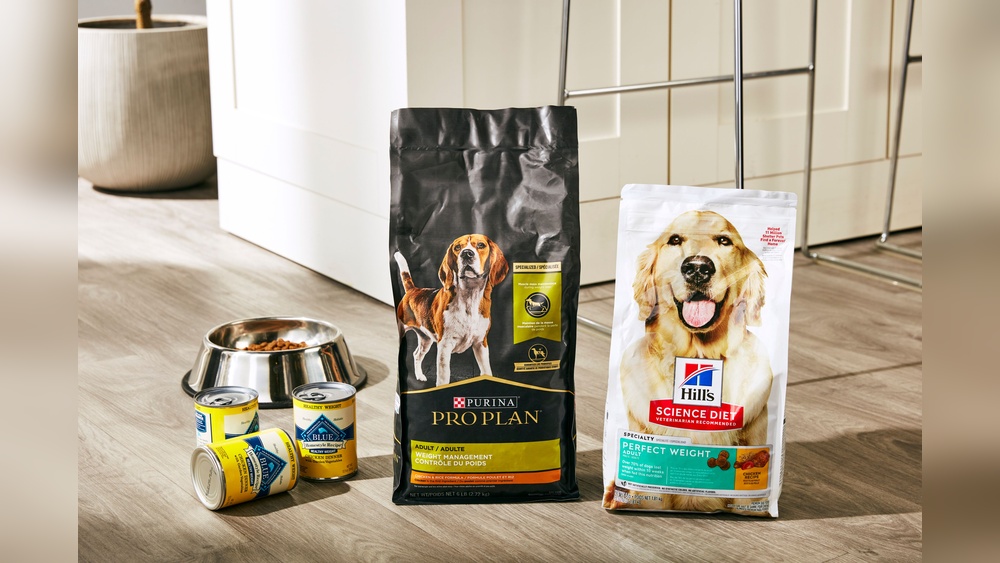
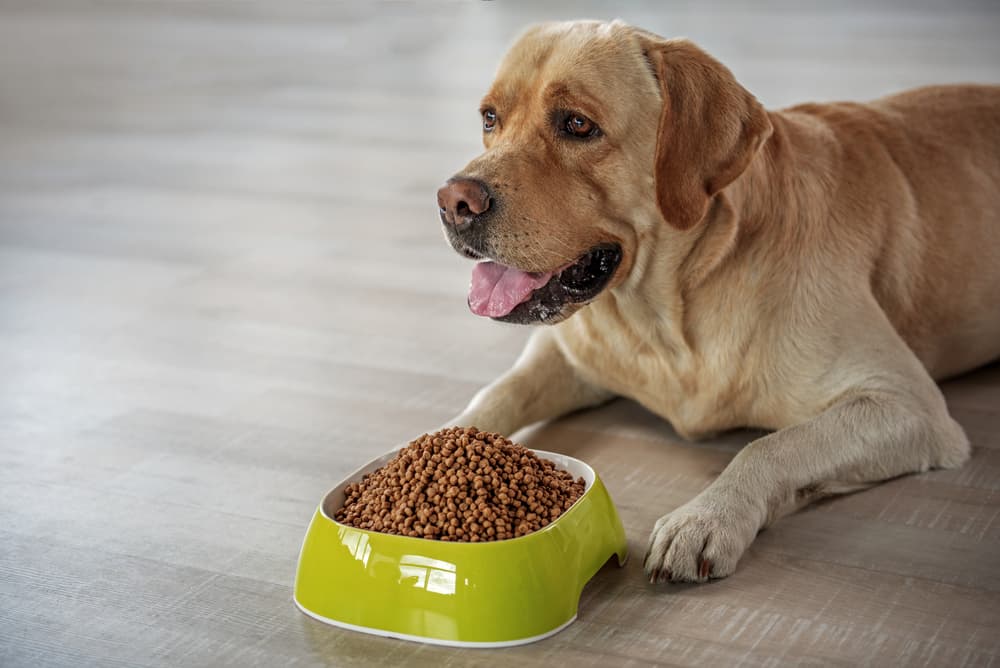
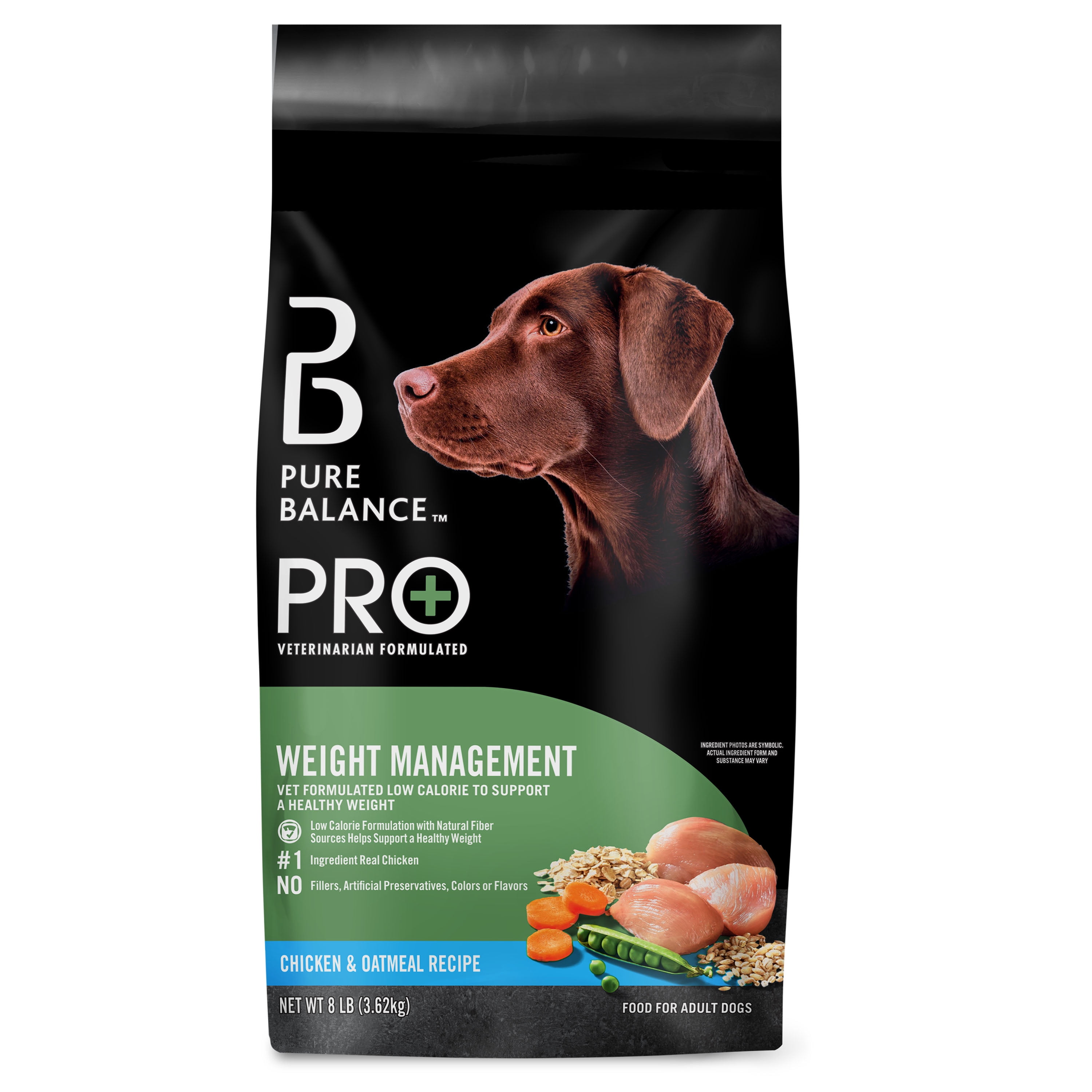
Dry kibble is easy to measure and store. Look for formulas labeled “weight management” or “light.” These have fewer calories and more fiber. Fiber helps dogs feel full and satisfied. Ingredients like chicken, turkey, and brown rice are common. Avoid kibble with too many fillers or artificial additives.
Wet Food Choices
Wet food can be more appealing to picky eaters. It usually contains more moisture, aiding hydration. Choose low-calorie wet foods with lean meats and vegetables. Avoid wet foods high in fat or sugar. Feeding wet food can help control portion sizes better.
Raw Food Benefits
Raw food diets often include fresh meat, bones, and vegetables. This can improve digestion and energy levels. Raw food tends to be less processed and free from fillers. It may help dogs lose weight naturally. Consult a vet before switching to raw diets for safety.
Homemade Meal Ideas
Homemade meals allow control over ingredients and portions. Use lean meats like chicken or fish. Add vegetables such as carrots, green beans, or pumpkin. Avoid high-fat foods and starchy vegetables. Cook meals without salt or seasoning. Homemade food can be healthy and tasty for weight loss.
Treats That Support Weight Loss
Treats play a big role in a dog’s daily diet. Choosing the right treats helps support weight loss. They keep dogs happy without adding too many calories. Healthy treats also encourage good behavior and training.
Low-calorie Treats
Low-calorie treats help reduce extra weight. Look for treats with fewer than 10 calories each. Vegetables like carrots and green beans work well. Small pieces of apple or cucumber make good snacks. These treats satisfy your dog without extra fat.
Natural Snack Alternatives
Natural snacks are better than processed treats. Fresh fruits and vegetables offer vitamins and fiber. Avoid sugary or salty snacks that harm health. Plain cooked chicken or turkey pieces are good options. Natural snacks keep dogs full and energetic.
Portion Control Tips
Portion control is key to weight loss success. Use tiny treat pieces to avoid overfeeding. Limit treats to 10% of daily calories. Measure treats before feeding your dog. Consistent portions help maintain a healthy weight.
Feeding Practices To Boost Weight Loss
Feeding practices play a big role in helping dogs lose weight safely. The right schedule and portion control support healthy weight loss. Pairing good feeding habits with exercise improves results. Small changes in feeding can make a big difference.
Meal Frequency And Timing
Feed your dog at regular times each day. Two or three small meals work best for weight loss. Avoid free-feeding or leaving food out all day. Regular meals help control hunger and prevent overeating. Keep meal times consistent to support digestion and metabolism.
Avoiding Overfeeding
Measure your dog’s food carefully with a cup or scale. Follow your vet’s advice on portion sizes. Treats should be low-calorie and given sparingly. Overfeeding adds extra calories and slows weight loss. Watch for sneaky snacks from family members or visitors.
Incorporating Exercise
Exercise helps burn calories and build muscle. Start with short walks and increase time gradually. Playtime with toys also keeps dogs active and happy. Combine exercise with good feeding habits for best results. Regular activity boosts your dog’s health and weight loss.
Common Weight Loss Mistakes
Many dog owners want to help their pets lose weight. Yet, some common mistakes stop dogs from reaching a healthy size. These errors can slow progress and even harm your dog’s health.
Understanding these mistakes helps you avoid them. It makes weight loss safer and more effective for your furry friend.
Ignoring Calorie Counts
Calories matter a lot in dog weight loss. Feeding without counting calories leads to overfeeding. Even healthy food can add too many calories. Measure food portions carefully. Know your dog’s daily calorie needs. This helps control weight loss steadily.
Skipping Vet Consultations
Skipping vet visits is risky. A vet checks your dog’s health first. Some dogs have medical problems causing weight gain. Vets suggest safe weight loss plans. They monitor progress and adjust diets as needed. This keeps your dog safe during weight loss.
Relying On Fad Diets
Fad diets promise quick results but can be harmful. They may lack important nutrients. Dogs need balanced food for energy and health. Avoid diets that cut too many calories suddenly. Choose diets backed by science and vets. This supports steady, healthy weight loss.
:strip_icc()/sps-tier-3-product-hills-science-diet-perfect-weight-adult-dog-food-ahuang-086-2297c2254e834607925497383a3dc8b6.jpeg)
Credit: www.thesprucepets.com
Credit: www.walmart.com
Frequently Asked Questions
What Foods Help Dogs Lose Weight Safely?
Lean proteins, vegetables, and high-fiber foods aid safe weight loss. Avoid high-fat and sugary treats. Portion control is essential.
How Much Should I Feed My Overweight Dog Daily?
Feed based on your dog’s ideal weight and activity level. Consult a vet for exact portions. Monitor weight weekly to adjust food amounts.
Can Treats Be Included In A Weight Loss Diet?
Yes, but choose low-calorie, healthy treats like carrots or green beans. Limit treats to 10% of daily calories to avoid weight gain.
Are Grain-free Diets Good For Weight Loss In Dogs?
Grain-free diets can help some dogs but aren’t always necessary. Focus on balanced nutrients and calorie control over grain exclusion.
Conclusion
Choosing the right food helps dogs lose weight safely. Healthy meals keep your pet active and happy. Balanced nutrition supports strong muscles and good energy. Avoid foods high in fat and sugar. Regular feeding schedules improve digestion and weight control.
Always check ingredient lists for quality and health benefits. Small changes in diet make big differences over time. Keep your dog’s needs in mind when picking food. Healthy weight means a longer, better life for your dog. Remember, patience and care bring the best results.