If your dog struggles with hip pain or stiffness, you know how heartbreaking it can be to watch them struggle. Hip dysplasia is a common issue that affects many dogs, making everyday activities painful and difficult.
But what if you could help ease their discomfort and improve their quality of life? The right supplements can make a real difference. You’ll discover the best hip dysplasia supplements for dogs that support joint health, reduce inflammation, and boost mobility.
Keep reading to find out how you can help your furry friend feel better and move more freely again.
Causes Of Hip Dysplasia In Dogs
Hip dysplasia is a common joint problem in dogs. It affects the hip joint, causing pain and difficulty moving. Understanding the causes helps pet owners manage and prevent this condition.
Several factors can lead to hip dysplasia. Some are genetic, while others relate to the dog’s growth and lifestyle. Knowing these causes helps in choosing the right supplements and care.
Genetic Factors
Hip dysplasia often runs in families. Certain breeds have a higher risk due to their genes. Large breeds like German Shepherds and Labradors are more prone. Genetics influence how the hip joint forms and fits together.
Rapid Growth
Dogs that grow too fast may develop hip problems. Rapid weight gain puts extra stress on developing joints. Feeding a balanced diet helps control growth speed. This reduces the risk of joint damage.
Improper Exercise
Too much or too little exercise affects hip health. Excessive running or jumping can strain the hips. On the other hand, lack of movement weakens muscles around the joint. Both extremes contribute to joint instability.
Obesity
Extra weight adds pressure to the hips. Overweight dogs struggle more with joint pain. Maintaining a healthy weight is crucial for dogs with hip dysplasia. It eases stress on the hip joints and improves mobility.
Environmental Factors
Slippery floors and poor living conditions can worsen hip problems. Hard surfaces increase joint impact during movement. Providing soft bedding and safe areas helps protect the hips.

Credit: www.amazon.com
Symptoms To Watch For
Hip dysplasia in dogs causes pain and limits movement. Early detection helps manage this condition well. Watch your dog closely for signs of discomfort or difficulty moving. Small changes in behavior can show the start of hip problems.
Difficulty Standing Or Sitting
Your dog may struggle to stand up after resting. Sitting or lying down might look awkward. Notice if your dog takes longer to get up or lies down more often.
Limiting Movement Or Limping
Dogs with hip dysplasia often limp or avoid using one leg. They may move slowly or stiffly. Watch for uneven walking or reluctance to run and jump.
Swelling And Pain Around The Hip
Check for swelling near the hip joint. Your dog might react when you touch this area. Signs of pain include whining or pulling away during petting.
Loss Of Muscle Mass
Muscle loss around the hips is a common symptom. The affected leg may look thinner than the other. This happens because the dog avoids using the painful leg.
Changes In Behavior
Hip pain can make dogs more tired or irritable. Your dog may sleep more or avoid activities they once loved. Watch for any change in mood or energy level.
Key Ingredients In Supplements
Supplements for hip dysplasia in dogs contain important ingredients. These help support joint health and reduce pain. Knowing these key ingredients helps you pick the right supplement for your dog’s needs.
Glucosamine Benefits
Glucosamine is a natural compound found in cartilage. It helps repair damaged cartilage and reduce joint pain. Dogs with hip dysplasia often lack enough glucosamine. Supplements with glucosamine support joint cushioning and mobility.
Role Of Chondroitin
Chondroitin works closely with glucosamine. It helps keep cartilage strong and flexible. This ingredient also slows cartilage breakdown. Chondroitin improves joint lubrication, making movement easier for dogs.
Impact Of Omega-3 Fatty Acids
Omega-3 fatty acids reduce inflammation in joints. They come from fish oil or flaxseed oil. These fats can ease stiffness and swelling in hips. Omega-3 supports overall joint function and comfort.
Importance Of Msm
MSM stands for methylsulfonylmethane. It helps reduce pain and swelling in joints. MSM also promotes healthy connective tissue. This ingredient improves joint flexibility and supports healing.
Top Supplements On The Market
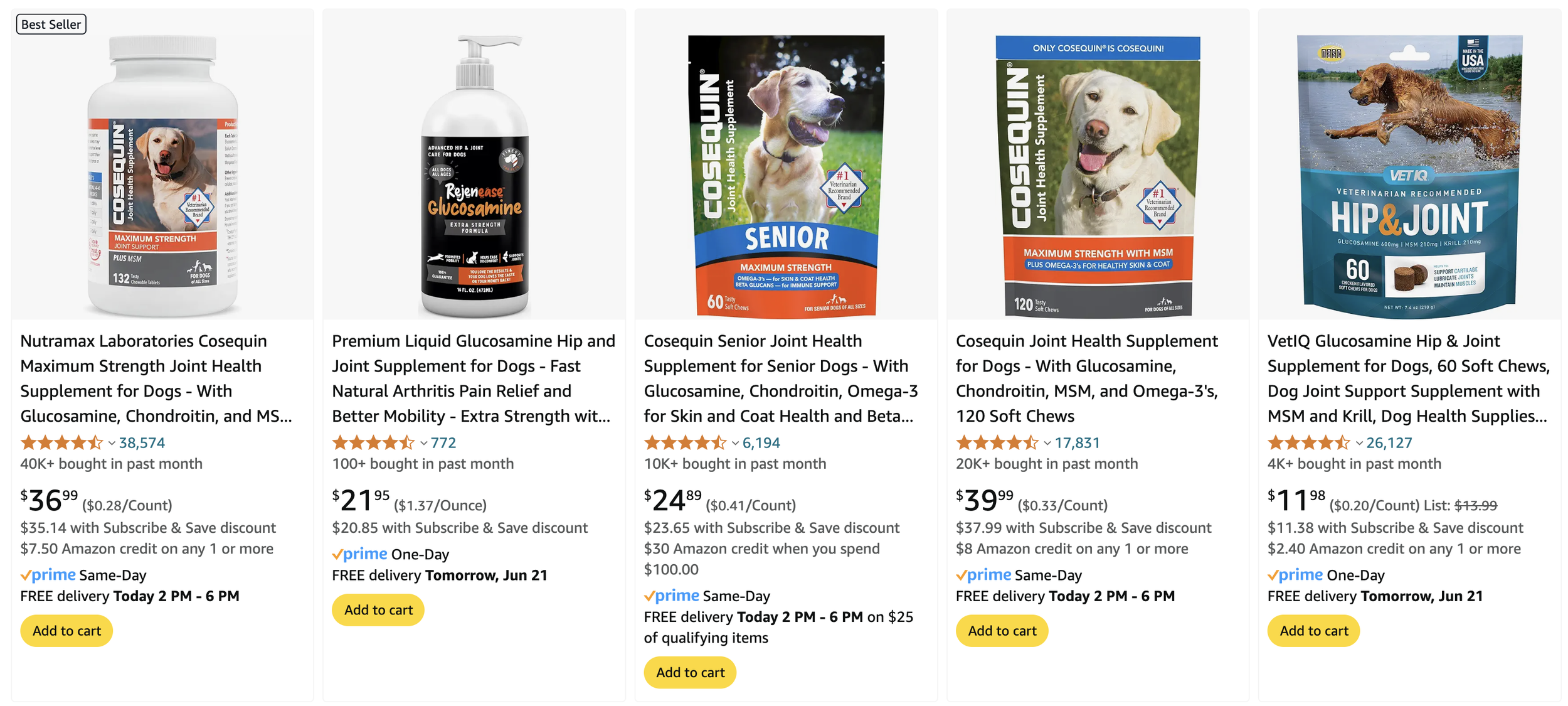
Choosing the right supplement can help support your dog’s hip health. Many products aim to reduce pain and improve joint function. This guide highlights top supplements available today. Each option suits different needs and budgets.
Understanding these choices helps you pick the best support for your dog’s comfort.
Best Overall Supplement
This supplement blends glucosamine, chondroitin, and MSM. These ingredients work together to protect cartilage and reduce inflammation. Many dog owners trust this product for fast relief and long-term joint health. It offers good value for its quality and effectiveness.
Budget-friendly Options
Affordable supplements often contain essential ingredients like glucosamine and omega fatty acids. These help reduce stiffness and improve mobility. Many budget options are easy to administer and well-tolerated by dogs. They provide basic support without a high price tag.
Premium High-quality Choices
Premium supplements include advanced ingredients like green-lipped mussel and hyaluronic acid. These help restore joint fluid and ease movement. Such products undergo strict quality checks and use natural extracts. They offer enhanced benefits for dogs with severe hip dysplasia.
How To Choose The Right Supplement
Choosing the right hip dysplasia supplement for your dog can improve their comfort and mobility. Not all supplements are the same. Picking the best one needs care and knowledge. Understanding what to look for helps you make a better choice. This section guides you through key points to consider.
Factors To Consider
Check the ingredients first. Look for glucosamine, chondroitin, and MSM. These help joint health and reduce pain. Consider your dog’s age and weight. Some supplements suit puppies, others for older dogs. Look at the form—powder, chewable, or liquid. Choose what your dog will take easily. Also, check for allergies or sensitivities your dog may have.
Consulting Your Veterinarian
Talk to your vet before starting any supplement. They know your dog’s health history best. Your vet can suggest the right dose and product. They may recommend tests to see how bad the hip dysplasia is. Following their advice keeps your dog safe and healthy. Always share any changes in your dog’s condition with your vet.

Credit: www.amazon.com
Additional Therapies To Support Joint Health
Supporting your dog’s joint health goes beyond supplements. Additional therapies can improve mobility and reduce pain. These methods work well with the best hip dysplasia supplements for dogs. They help your dog stay active and comfortable.
Physical Therapy Benefits
Physical therapy helps strengthen muscles around the joints. It improves flexibility and reduces stiffness. Therapists use exercises tailored to your dog’s needs. Hydrotherapy, or water therapy, is gentle on sore joints. Regular sessions can slow joint damage and boost recovery. Physical therapy also supports better movement and balance.
Diet And Weight Management
Maintaining a healthy weight lessens stress on your dog’s hips. A balanced diet provides nutrients for strong joints and bones. Avoid foods with excessive fat or fillers. High-quality protein helps repair tissues and build muscle. Some diets include omega-3 fatty acids, which reduce inflammation. Consult your vet to choose the right food and portion size.
Credit: www.simonvetsurgical.com
Frequently Asked Questions
What Are The Best Supplements For Dog Hip Dysplasia?
The best supplements for dog hip dysplasia include glucosamine, chondroitin, omega-3 fatty acids, and MSM. These help reduce inflammation, improve joint health, and support cartilage repair. Always consult your vet before starting any supplement to ensure safety and proper dosage.
How Do Supplements Help Dogs With Hip Dysplasia?
Supplements help by reducing joint pain and inflammation in dogs with hip dysplasia. They support cartilage repair and improve joint mobility. Regular use can enhance your dog’s comfort and quality of life, complementing other treatments like physical therapy or medication.
Can Glucosamine Improve Hip Dysplasia In Dogs?
Yes, glucosamine helps improve hip dysplasia by promoting cartilage repair and reducing joint inflammation. It supports joint lubrication and slows degeneration. Many vets recommend glucosamine as part of a comprehensive treatment plan for affected dogs.
Are Omega-3 Fatty Acids Good For Dog Hip Health?
Omega-3 fatty acids are excellent for dog hip health. They reduce joint inflammation and support overall mobility. These fatty acids also promote healthy cartilage and can improve comfort in dogs with hip dysplasia.
Conclusion
Choosing the right hip dysplasia supplement can help your dog feel better. Good supplements support joint health and reduce pain. Always check ingredients and consult your vet first. Regular exercise and a healthy diet also aid your dog’s recovery. Small steps can lead to big improvements.
Your dog deserves comfort and a happy life. Keep learning and stay patient on this journey.