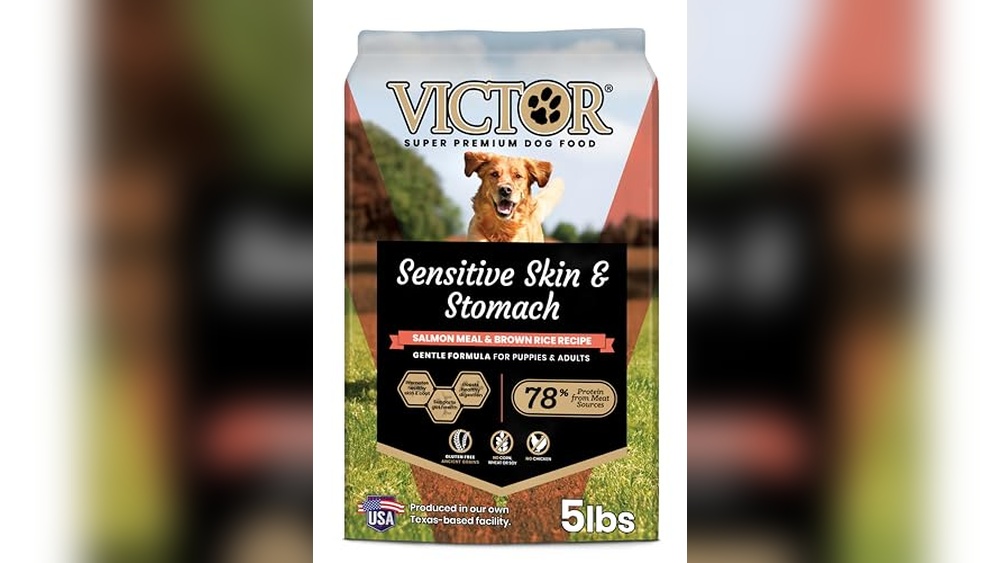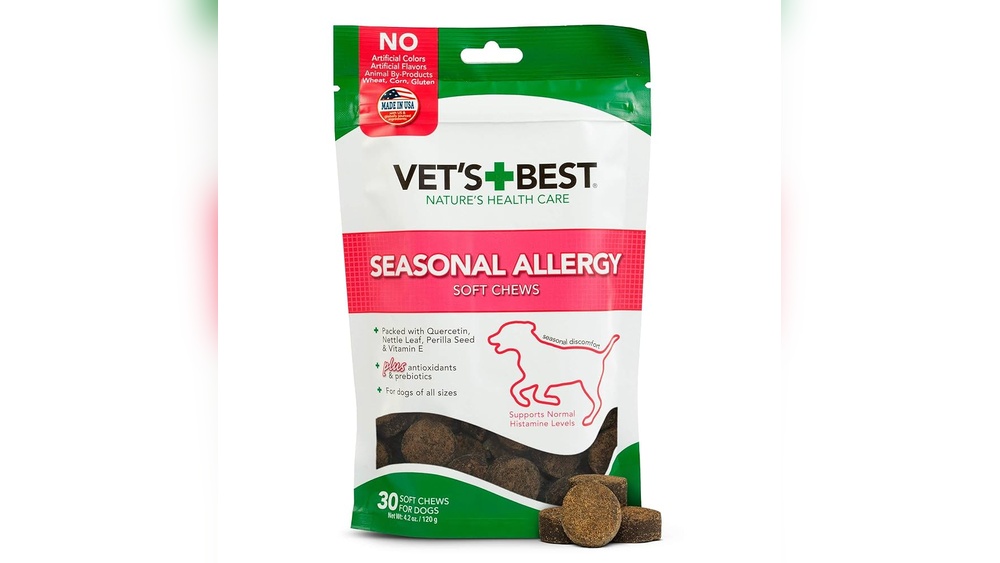
If your dog struggles with allergies, finding the right chew can feel like a never-ending challenge. You want something safe, tasty, and gentle on their sensitive system.
But with so many options out there, how do you know which one truly works? This guide will help you discover the best dog chews designed specifically for allergic pups like yours. Keep reading to learn how to keep your furry friend happy, healthy, and itch-free with the perfect chew.
Causes Of Dog Allergies
Dog allergies happen when a dog’s immune system reacts to certain substances. These substances are called allergens. The immune system treats allergens as threats and tries to fight them. This causes discomfort and health issues for dogs.
Understanding what causes allergies helps in choosing the best dog chew for allergies. It also helps in managing your dog’s health better.
Common Allergens For Dogs
Many things can cause allergies in dogs. Some common allergens include pollen, dust mites, and mold. Certain foods like beef, dairy, and wheat can also trigger allergies. Flea bites are a frequent cause of allergic reactions. Chemicals in cleaning products or shampoos may cause skin allergies too.
Symptoms Linked To Allergies
Signs of allergies vary but often include itching and redness. Dogs may scratch or bite their skin a lot. Hair loss can happen in some cases. Sneezing, coughing, and watery eyes are common. Some dogs have ear infections or skin rashes due to allergies. Recognizing symptoms early helps in quick treatment.

Credit: www.amazon.com
Choosing Safe Chews For Allergic Dogs
Choosing safe chews for allergic dogs is important for their health. Dogs with allergies need treats that do not cause reactions. Some common ingredients in dog chews can trigger allergies. Careful selection helps avoid skin problems, itching, and digestive issues. Safe chews keep dogs happy and comfortable.
Understanding what to avoid and what is safe makes a big difference. This guide explains key ingredients to avoid and the best hypoallergenic materials for chews.
Key Ingredients To Avoid
Common allergens in dog chews include wheat, corn, and soy. These ingredients often cause itching or stomach upset. Dairy products can also trigger allergies in some dogs. Artificial colors and preservatives may cause skin irritation. Avoid chews with these ingredients for sensitive dogs. Always check the label carefully before buying.
Hypoallergenic Chew Materials
Hypoallergenic chews use simple, natural ingredients. Look for chews made from sweet potatoes, carrots, or green beans. These vegetables are gentle on dogs’ stomachs. Some safe protein sources include duck, rabbit, and venison. Rawhide alternatives made from natural rubber or nylon are also good. These materials reduce allergy risks and keep dogs safe.
Top Soothing Chews In 2025
Finding the best dog chew for allergies can be tough. Dogs with sensitive skin or stomachs need special care. In 2025, soothing chews have improved. These treats help calm itching and support health. They contain gentle ingredients that avoid common allergens. Many pet owners trust these chews to keep their dogs happy and comfortable.
Natural And Organic Options
Natural and organic chews use pure ingredients. They avoid artificial flavors, colors, and preservatives. These chews often include ingredients like sweet potatoes, pumpkin, or coconut oil. These foods are gentle on the stomach and skin. Organic chews reduce the risk of allergic reactions. Many dogs enjoy their mild, natural taste. These options suit dogs with food sensitivities or allergies.
Veterinarian-recommended Picks
Many vets suggest chews that support allergy relief. These picks contain omega fatty acids and probiotics. Omega fatty acids help reduce skin inflammation and itching. Probiotics improve digestion and boost the immune system. Vets prefer chews with limited ingredients to avoid triggers. These products often come with clear labels and safety tests. Choosing vet-approved chews gives peace of mind to pet owners.
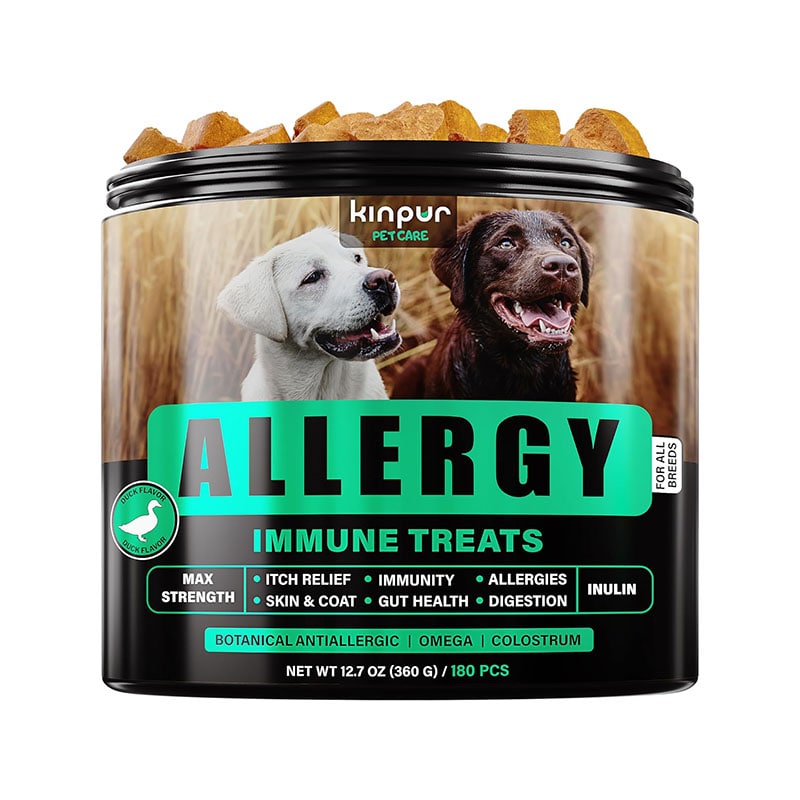
Credit: kinpurpetcare.com
Benefits Of Allergy-safe Chews
Allergy-safe chews offer many advantages for dogs with sensitive systems. They reduce the chance of allergic reactions. These chews use ingredients that are gentle and easy to digest. Dogs can enjoy chewing without discomfort or skin issues. Choosing the right chew helps keep your dog happy and healthy.
Allergy-safe chews support overall wellness. They avoid common allergens like wheat, soy, and artificial additives. This careful selection protects dogs from itching, redness, and digestive upset. These chews are a smart choice for pets prone to allergies.
Skin And Coat Health
Allergy-safe chews often contain nutrients that help the skin and coat. Omega-3 and omega-6 fatty acids reduce inflammation. These nutrients keep the fur shiny and soft. They help stop dry skin and itching caused by allergies. Healthy skin is a sign of a happy dog.
Dental Care Support
Chewing allergy-safe treats helps keep teeth clean. The texture of the chews reduces plaque and tartar buildup. This lowers the risk of gum disease and bad breath. Dogs get strong teeth and fresh breath with regular chewing. Dental health is important for a dog’s overall well-being.
Tips For Introducing New Chews
Introducing new chews to your dog’s diet needs care and attention. This is especially true for dogs with allergies. New chews can cause reactions or upset stomachs. Taking the right steps helps your dog adjust safely. It also helps you spot any problems early. Follow these tips for a smooth transition to new chews.
Monitoring For Adverse Reactions
Watch your dog closely after giving new chews. Look for itching, swelling, or redness around the mouth. Notice if your dog scratches more or has watery eyes. Check for vomiting, diarrhea, or changes in appetite. These may be signs of an allergic reaction. Stop the chew immediately if you see any symptoms. Contact your vet for advice and treatment. Early detection prevents serious health issues.
Gradual Introduction Strategies
Start with a small piece of the new chew. Let your dog try it for a short time only. Observe how your dog reacts over the next 24 hours. If no problems occur, slowly increase the chew size. Mix new chews with old favorites for easier acceptance. Avoid giving too many chews at once. This helps your dog’s digestive system adapt. Patience ensures a safe switch to allergy-friendly chews.
Diy Allergy-friendly Dog Chews
Making your own allergy-friendly dog chews is a smart choice. It helps avoid harmful ingredients and controls what your dog eats. These chews can soothe your dog’s allergies and keep them busy.
Homemade chews are fresh and free from common allergens. You also save money and tailor recipes to your dog’s needs. Here are easy recipes and safe ingredients to try.
Simple Homemade Recipes
Try baking sweet potato chews. Slice sweet potatoes thinly and bake at low heat until dry. They are chewy and tasty without allergens.
Another option is frozen yogurt drops. Use plain yogurt with no additives. Freeze small spoonfuls for a cool treat.
Peanut butter and oat balls are great too. Mix peanut butter with oats and shape into small balls. Freeze or bake lightly for a chewy snack.
Safe Ingredients To Use
Use ingredients low in allergens like sweet potatoes, pumpkin, and carrots. These are easy to digest and rarely cause reactions.
Choose plain yogurt or coconut yogurt without added sugars or flavors. They support digestion and add healthy bacteria.
Natural peanut butter without salt, sugar, or xylitol is safe in small amounts. Always check labels carefully.
Rice flour and oats work well as binders. They are gentle on sensitive stomachs and provide texture.
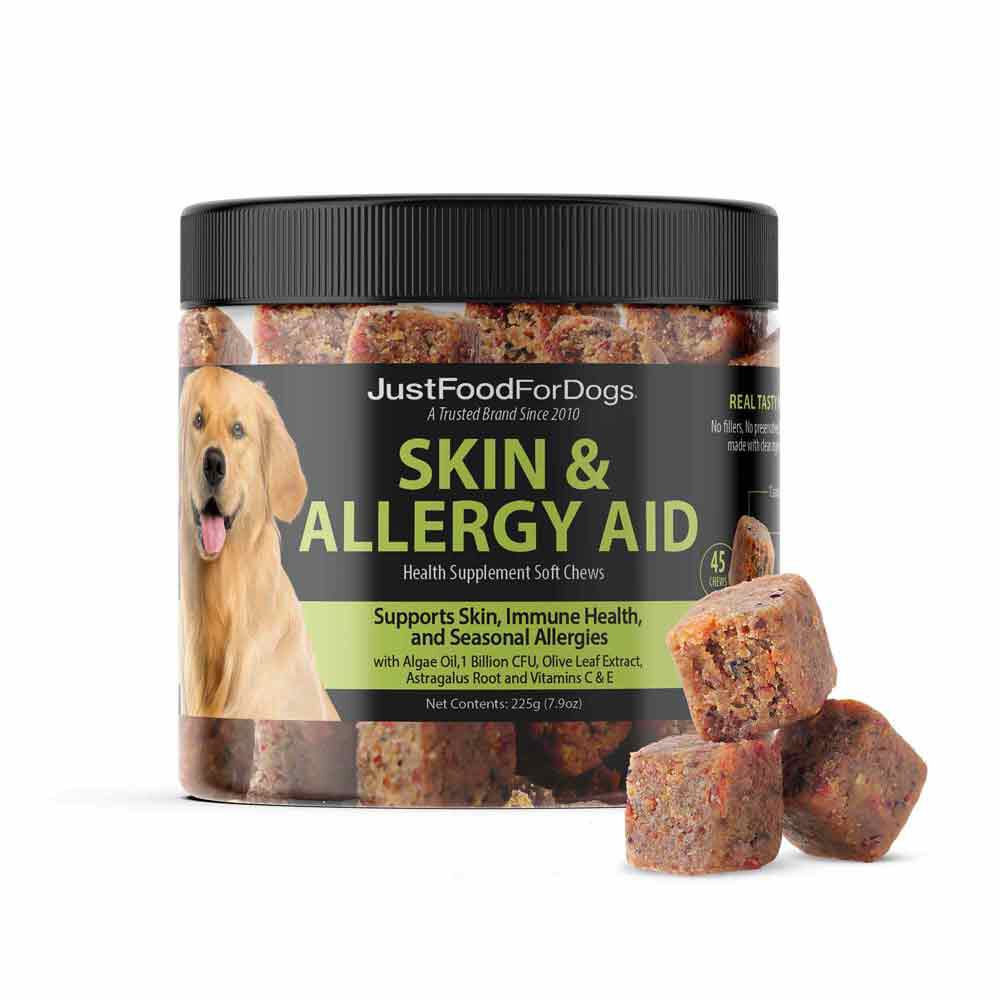
Credit: www.justfoodfordogs.com
Frequently Asked Questions
What Are The Best Dog Chews For Allergies?
Hypoallergenic dog chews made from limited ingredients reduce allergy risks. Look for chews with single protein sources like salmon or sweet potato. Avoid common allergens like beef, chicken, and grains. Natural, grain-free, and additive-free options work best for sensitive dogs.
Can Dog Chews Worsen My Dog’s Allergies?
Yes, chews with artificial additives or common allergens can worsen allergies. Always check ingredient lists for allergens. Choose natural, hypoallergenic chews to minimize reactions. Consult your vet before introducing new chews to your allergic dog.
Are Natural Dog Chews Safe For Allergic Dogs?
Natural dog chews are generally safer for allergic dogs. They contain fewer chemicals and allergens. Opt for organic and grain-free chews to reduce allergy symptoms. Always monitor your dog after introducing new chews to ensure no adverse reactions.
How To Choose Allergy-friendly Dog Chews?
Select chews with limited, single protein ingredients and no fillers. Avoid common allergens like beef, dairy, and wheat. Look for products labeled hypoallergenic or grain-free. Consult your vet for personalized recommendations based on your dog’s allergies.
Conclusion
Choosing the best dog chew for allergies helps keep your pet happy and healthy. Safe ingredients reduce the risk of reactions and discomfort. Always watch your dog for any changes after trying new chews. Regular vet visits support your dog’s allergy management.
Healthy chewing habits also improve dental health and mental well-being. Simple, natural options often work best for sensitive dogs. Enjoy seeing your dog chew without worry or fuss. A little care goes a long way in allergy relief.