If you have a dog, you know how important it is to have a safe and comfortable outdoor space for them. But not all grass is friendly to your furry friend.
Some types can irritate their paws or even be harmful if chewed. Choosing the best grass to plant for dogs can make a big difference in your pet’s happiness and health. You’ll discover which grasses are soft, durable, and safe—so your dog can play freely and you can relax knowing your lawn is strong and pet-friendly.
Keep reading to find out how to create the perfect green space your dog will love.
:max_bytes(150000):strip_icc()/Centipede_Grass1-f479ace604d24b399245bd8f876f9097.JPG)
Credit: www.thespruce.com
Ideal Grass Types For Dog Owners
Choosing the right grass for your yard makes a big difference for dogs. The best grass types can handle rough play and stay green. Some grasses grow well in warm weather, others in cooler climates. Safe grasses keep pets healthy and happy. This guide helps find ideal grass for dog owners.
Durable Warm-season Grasses
Warm-season grasses thrive in hot weather. They recover fast from heavy use. Bermuda grass is tough and grows quickly. Zoysia grass forms a thick carpet, soft for paws. St. Augustine grass handles heat and shade well. These grasses resist wear and tear from running dogs.
Resilient Cool-season Grasses
Cool-season grasses grow best in cooler areas. Kentucky bluegrass spreads fast and feels soft. Fescue grass tolerates shade and drought well. Perennial ryegrass germinates quickly, filling bare spots. These grasses bounce back from heavy dog traffic. They stay green longer in cooler months.
Pet-safe Grass Varieties
Choose grass that is safe for pets to chew and play on. Avoid grasses with sharp blades or toxic treatments. Ryegrass and fescue are gentle and non-toxic. Avoid grasses treated with harsh chemicals. Natural, untreated grasses support pet health and comfort.

Credit: www.lawndelivery.com
Factors To Consider When Choosing Grass
Choosing the right grass for your dog’s yard is important. The grass must handle your dog’s activity and fit your local environment. Several factors affect the choice. Knowing these can help you pick grass that stays healthy and safe.
Traffic Tolerance
Dogs run, play, and dig. Grass must be strong and resist damage. Some grasses handle foot traffic better than others. Pick a type that recovers quickly from wear. This prevents bare spots and mud.
Climate Compatibility
Grass grows best in certain climates. Warm-season grasses thrive in hot areas. Cool-season grasses do well in cold places. Choose grass that matches your local weather. This reduces watering and care needs.
Maintenance Needs
Some grasses require more care than others. Mowing, watering, and fertilizing vary by type. Select grass that fits your time and effort level. Low-maintenance grass saves you work and keeps your lawn neat.
Allergy Concerns
Dogs can have allergies to some grasses. Some grasses cause less irritation and itching. Choose grass that is gentle on your dog’s skin. This keeps your pet comfortable and happy outside.
Benefits Of Pet-friendly Lawns
Pet-friendly lawns bring many benefits to both dogs and owners. They create a safe and clean space for pets to play freely. These lawns also handle wear and tear better. Choosing the right grass helps keep your yard fresh and green longer.
Safe Play Area
Pet-friendly grass is soft and gentle on paws. It prevents injuries during running and jumping. The grass also avoids harmful chemicals that can hurt dogs. A safe play area encourages pets to stay active and happy.
Reduced Odor And Damage
Some grasses absorb pet urine better than others. This reduces unpleasant smells in the yard. Tougher grass types resist brown spots from frequent use. This keeps your lawn looking neat and clean for longer.
Improved Lawn Longevity
Durable grasses recover quickly from digging and running. They grow well even under heavy pet traffic. These grasses need less repair and reseeding. This saves time and money on lawn care.
Preparing Your Lawn For Planting
Preparing your lawn before planting grass for dogs is important. It sets the foundation for healthy growth. Healthy grass can better handle the wear and tear from your pets. Proper preparation helps the grass roots grow deep and strong. It also improves water absorption and nutrient uptake. Follow these steps to get your lawn ready.
Soil Testing And Preparation
Start with testing your soil. Soil tests show pH levels and nutrient content. You can buy a test kit or send samples to a lab. Adjust soil pH if needed by adding lime or sulfur. Remove rocks and debris from the soil surface. Loosen the soil using a rake or tiller for better root growth. A well-prepared soil bed helps grass seeds take root fast.
Removing Existing Grass And Weeds
Clear out old grass and weeds before planting new grass. This prevents competition for nutrients and water. Use a shovel or a sod cutter to remove existing turf. Pull out weeds by hand or apply an eco-friendly herbicide. Make sure the soil is clean and smooth. This creates a perfect place for new grass to grow evenly.
Choosing Quality Seeds Or Sod
Select seeds or sod that suit dogs and your climate. Look for durable grass types like Kentucky bluegrass or fescue. Choose high-quality seeds from trusted brands. Sod offers instant results but can be more costly. Check for healthy, green sod without brown patches. Quality grass starts with good seeds or sod. This ensures your lawn stays green and safe for your dog.
Planting And Caring For Dog-friendly Grass
Planting and caring for dog-friendly grass helps create a safe, durable lawn. Choosing the right grass is only part of the task. Proper planting and regular care keep the grass healthy and strong. This section explains how to plant, water, fertilize, and protect grass from weeds and pests.
Seeding Techniques
Start by preparing the soil well. Remove rocks, weeds, and debris. Loosen the soil to a depth of about 3 inches. Spread the grass seeds evenly across the area. Lightly rake the soil to cover seeds with a thin layer. Press the soil gently to ensure seed contact. Keep the soil moist until the grass sprouts. Avoid heavy foot traffic during this time.
Watering And Fertilizing
Water the grass daily at first, especially in dry weather. Use a fine spray to avoid washing away seeds. After the grass grows, reduce watering to twice a week. Water early in the morning for best results. Fertilize with a balanced, slow-release fertilizer. Apply fertilizer in spring and fall. Follow the instructions on the package carefully. Too much fertilizer can harm the grass and pets.
Weed And Pest Management
Keep weeds under control by pulling them out early. Use pet-safe weed killers if needed. Check the lawn regularly for insects or pests. Use natural pest control methods to protect pets. Encourage beneficial insects like ladybugs. Avoid harsh chemicals that can harm your dog. Maintaining healthy grass helps prevent weed and pest problems.
Credit: ideal-turf.com
Protecting Your Lawn From Dog Damage
Dogs can damage lawns, especially with frequent use. Their urine causes yellow or brown spots. Digging and running also harm grass roots. Protecting your lawn helps keep it green and healthy. Simple steps can reduce dog damage effectively.
Managing Urine Spots
Dog urine contains high nitrogen levels. This causes grass to burn and die. Water the spot immediately after your dog urinates. This dilutes the nitrogen and lowers its strength. Create a designated potty area with hardy grass. Train your dog to use this spot regularly.
Encouraging Positive Behavior
Teach your dog to avoid digging or running in the lawn. Use toys and play areas away from grass. Praise your dog for good behavior outside the lawn. Consistent training reduces damage over time. Keep your dog’s nails trimmed to prevent tearing grass.
Using Lawn Repair Products
Repair damaged spots with grass seed or sod. Choose dog-friendly grass types that recover fast. Use organic lawn repair products for safe treatment. Avoid harsh chemicals that can harm pets. Regular lawn care helps maintain a strong, green yard.
Alternative Ground Covers For Pet Areas
Choosing the right ground cover for pet areas is important. Dogs can be rough on grass. Their play and digging can damage natural lawns quickly. Alternative ground covers offer durable and pet-friendly options. These materials protect your yard and keep pets safe. They require less maintenance than traditional grass.
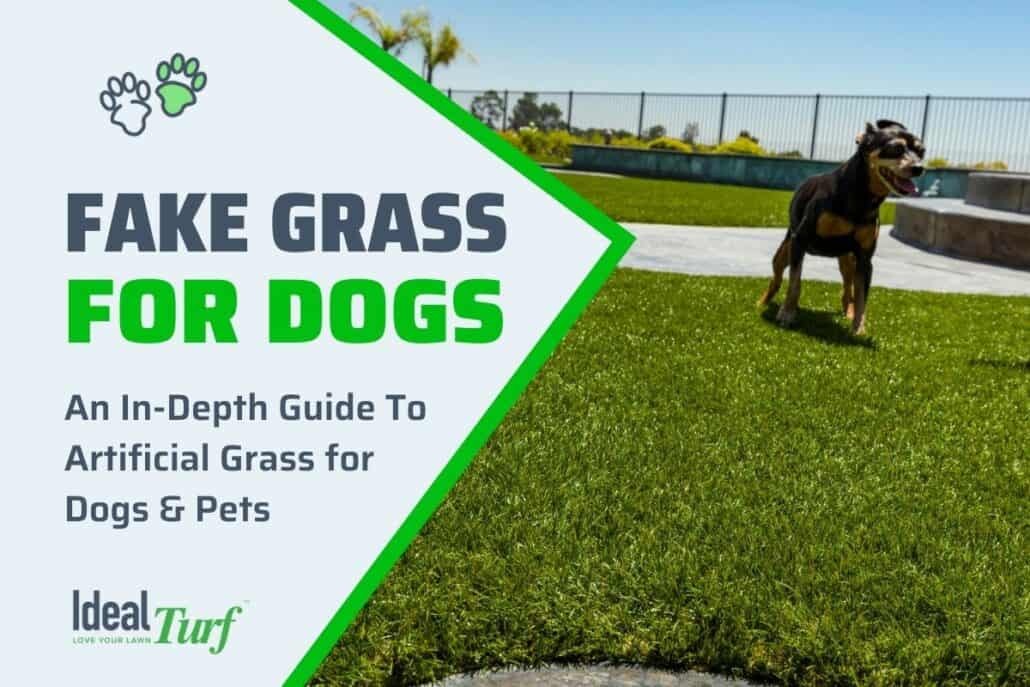
Artificial Turf Options
Artificial turf looks like real grass but lasts longer. It stays green all year without watering or mowing. This turf drains well, so no puddles form. It is soft and safe for dogs to run on. Cleaning is easy with a hose or pet-friendly cleaner. It resists wear from digging and heavy use.
Mulch And Gravel Areas
Mulch or gravel creates a strong surface for pet zones. Mulch keeps the soil cool and reduces mud. Choose pet-safe mulch types like cedar or pine. Avoid cocoa mulch, which is toxic to dogs. Gravel allows good drainage and stops mud buildup. Use small, smooth stones to protect paws. Both options help keep your yard clean and dry.
Dog-safe Plants And Shrubs
Plants add beauty and function to pet areas. Select dog-safe plants that can tolerate rough play. Lavender, rosemary, and marigolds are good choices. They add color and resist damage. Shrubs like boxwood or hydrangea create natural boundaries. Avoid toxic plants like azaleas or lilies. These plants keep your yard green and safe for pets.
Frequently Asked Questions
What Is The Best Grass For Dogs To Play On?
Kentucky Bluegrass is ideal for dogs due to its durability and softness. It withstands heavy foot traffic and recovers quickly, making it perfect for active pets.
Which Grass Types Are Safe For Dogs To Eat?
Fescue and Ryegrass are safe for dogs to nibble on. They are non-toxic and gentle on your dog’s digestive system if eaten in small amounts.
How Do I Maintain Dog-friendly Grass In My Yard?
Regular watering, mowing, and aerating keep dog-friendly grass healthy. Use pet-safe fertilizers and clean up pet waste promptly to protect the lawn.
Can I Plant Drought-resistant Grass For Dogs?
Yes, Bermuda grass is drought-resistant and pet-friendly. It tolerates heat and recovers well from wear, suitable for dry climates with active dogs.
Conclusion
Choosing the right grass helps keep your dog happy and healthy. Soft, durable grass stands up to play and protects paws. Good grass also reduces dirt and mud in your home. Regular care keeps the lawn green and safe for pets.
Remember, a happy dog loves a well-kept yard. Start with the best grass, and enjoy more outdoor fun together.