Are you tired of your neighbors’ dogs barking nonstop and disturbing your peace? Constant barking can make it hard to relax at home or focus on your daily tasks.
But what if you could find a simple, effective way to reduce the noise without causing harm or tension? You’ll discover the best dog barking deterrents that work gently and reliably. Keep reading to learn how you can bring calm back to your neighborhood—and your life.
Credit: ahisiadyayinlari.com.tr
Common Causes Of Excessive Barking
Excessive barking from neighbors’ dogs can be frustrating and disruptive. Understanding why dogs bark too much helps find the right solution. Dogs use barking to communicate many things. Some reasons come from their environment, behavior, or health.
Environmental Triggers
Dogs react to sounds like sirens, doorbells, or other animals. Strange noises or movements outside can cause barking. Changes in weather or new sights may also trigger loud barks. Dogs often bark to alert their owners of something unusual.
Behavioral Reasons
Barking may be a sign of boredom or loneliness. Dogs left alone for long periods can feel anxious. Some dogs bark to get attention or express excitement. Training or lack of discipline can increase barking too.
Health Issues
Pain or discomfort can cause dogs to bark more. Older dogs may bark due to confusion or memory loss. Hearing problems might make dogs bark loudly. Checking a dog’s health can reduce unnecessary barking.
Credit: theethicsproject.org
Impact Of Neighboring Dog Barking
Neighboring dog barking affects many parts of daily life. The noise can disturb peace and cause tension. Understanding these effects helps find the best dog barking deterrent. This section explains how barking impacts noise levels, stress, sleep, and neighborhood ties.
Noise Disturbance
Constant barking raises noise levels around your home. It breaks quiet moments and outdoor calm. Loud sounds distract work and relaxation. Noise disturbance lowers home comfort and peace.
Stress And Sleep Disruption
Frequent barking causes stress and anxiety. The sudden noise startles and irritates people. It interrupts sleep, causing tiredness and low energy. Poor sleep harms health and mood.
Community Relations
Neighbors may feel annoyed or upset by barking. It can cause arguments and reduce friendliness. Good community ties need respect and quiet. Managing barking helps keep good neighbor relations.
Types Of Barking Deterrents
There are several types of barking deterrents to help reduce noise from neighbors’ dogs. Each option works differently, so you can find the best fit for your situation. Understanding these types helps you choose a safe and effective solution.
Ultrasonic Devices
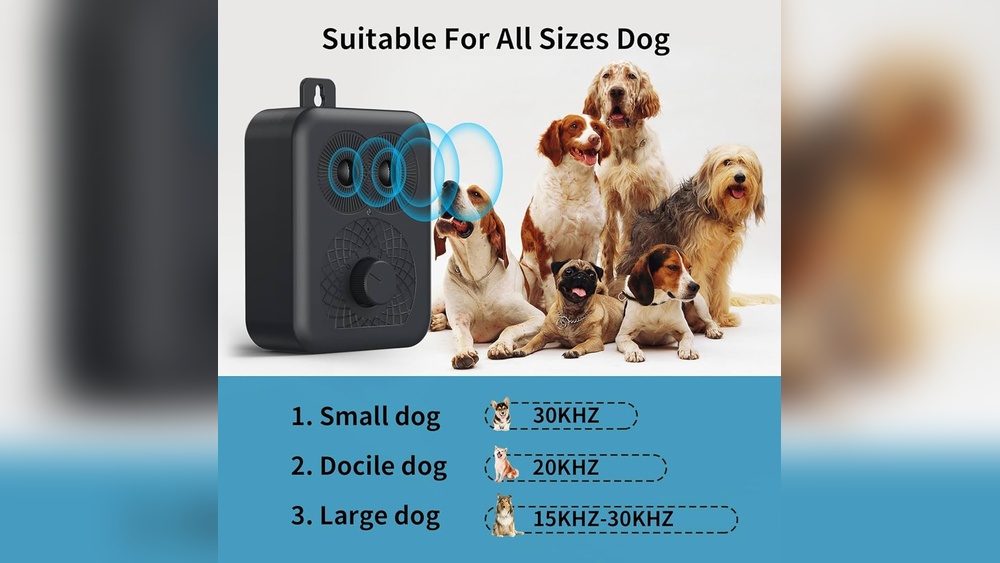
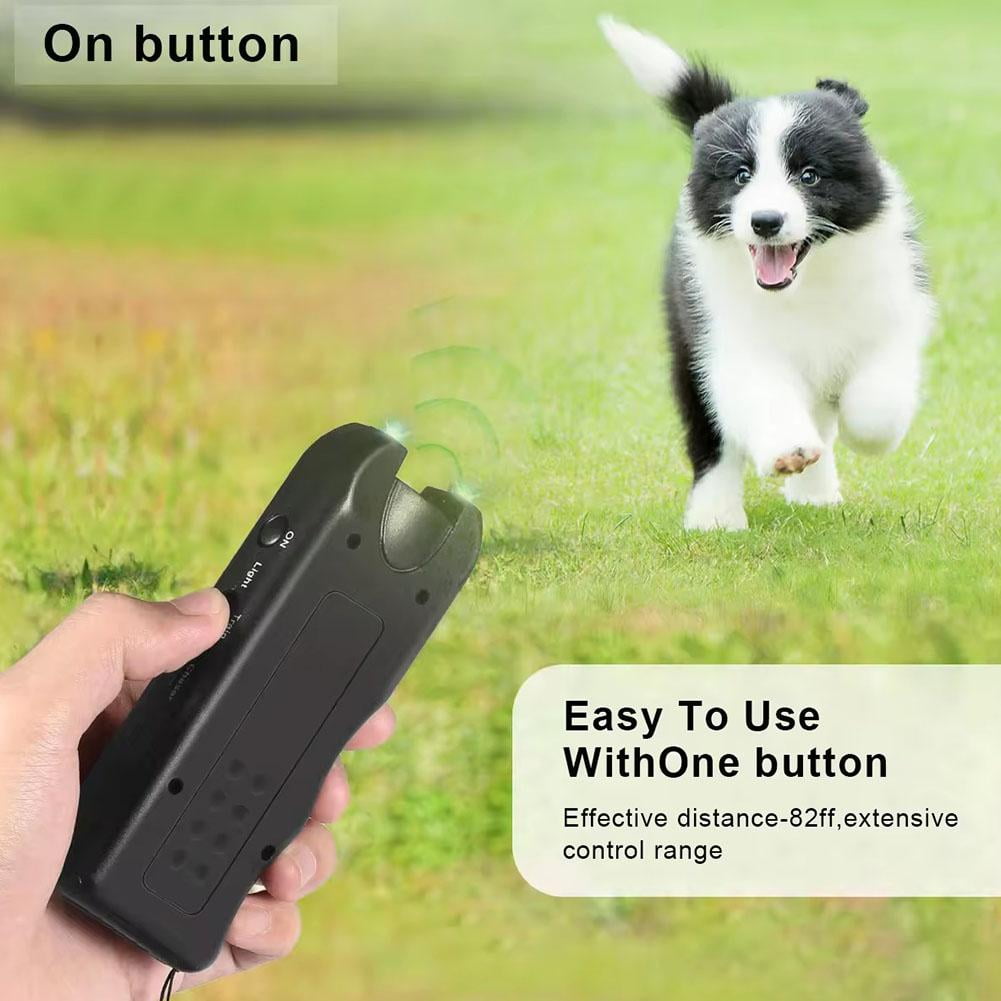
Ultrasonic devices emit high-frequency sounds that dogs dislike. Humans cannot hear these sounds. They discourage dogs from barking without causing harm. These devices are easy to use and often automatic. They activate when they detect barking nearby.
Spray Deterrents
Spray deterrents release a quick burst of air or harmless scent. This surprises the dog and stops the barking. They are usually motion-activated or sound-activated. Spray deterrents offer a gentle way to discourage barking. They do not hurt the dog.
Sound Machines
Sound machines play noises that distract or calm dogs. These sounds can include white noise or nature sounds. They help mask the noise that triggers barking. Sound machines create a peaceful environment around your home. This reduces the dog’s urge to bark.
Physical Barriers
Physical barriers block the dog’s view or access to your property. Fences, bushes, or walls work well. These barriers stop dogs from seeing things that make them bark. Physical barriers are a natural way to cut down noise. They also add privacy and safety.
Choosing The Right Deterrent
Choosing the right dog barking deterrent can make a big difference in keeping peace with neighbors. Not all devices work the same for every situation. Understanding key factors helps pick the best option for your needs. Consider how well the deterrent works, how safe it is, how easy it is to use, and the cost. These points guide you to a smart choice.
Effectiveness And Range
Choose a deterrent that stops barking quickly. Some devices use sound, others use light or vibration. The range matters too. It should cover the area where the dog barks most. A device with too short a range may not work well. Check reviews to see how well it performs in real homes.
Safety Considerations
Safety is key for both dogs and people. Avoid deterrents that cause pain or stress. Look for humane options that gently discourage barking. Make sure the device does not harm pets or children nearby. Choose models approved by animal care groups for peace of mind.
Ease Of Use
Pick a deterrent that is simple to set up and use. Some need batteries, others plug into outlets. Check how easy it is to adjust settings or move the device. A user-friendly design saves time and effort. The best deterrents fit smoothly into daily life.
Cost Factors
Consider your budget but don’t choose only by price. Cheaper devices may not last long or work well. Higher-priced options often have better features and durability. Think about long-term value. Spending a bit more now can save money and frustration later.
Diy Bark Control Techniques
Dealing with noisy neighbor dogs can be stressful. DIY bark control techniques offer simple ways to reduce barking. These methods focus on training, rewarding good behavior, and changing the dog’s environment. They help create peace without harsh measures.
Training And Commands
Training is key to reducing unwanted barking. Use clear commands like “quiet” or “stop.” Repeat commands calmly and consistently. Practice these commands daily in short sessions. Patience is important; dogs learn over time. Consistency helps dogs understand what you expect.
Positive Reinforcement
Reward good behavior with treats or praise. Give rewards only when the dog stops barking. This encourages quiet behavior. Avoid punishing the dog for barking. Positive reinforcement builds trust and cooperation. Small rewards work well to keep dogs motivated.
Environmental Adjustments
Change the dog’s surroundings to limit barking triggers. Block views of passing people or animals with fences or plants. Reduce noise from outside with sound barriers or white noise machines. Provide toys or distractions to keep the dog busy. A calm environment lowers the chance of barking fits.
Legal And Ethical Considerations
Dealing with noisy dogs can be tough for many neighbors. Choosing the right barking deterrent needs more than just effectiveness. It also requires attention to legal and ethical rules. These rules help keep peace and show respect for others.
Local Noise Ordinances
Many towns have laws about noise levels. These laws often limit how loud and how long a dog can bark. Check your local rules before using any device. Following these laws avoids fines and complaints.
Respecting Neighbor’s Pets
Neighbors care about their pets too. Using harsh methods can cause stress to dogs. Talk with your neighbors about the problem. Find solutions that consider their feelings and pets’ well-being.
Humane Treatment
Always choose methods that do not harm animals. Some deterrents use gentle sounds or vibrations. Avoid anything that causes pain or fear. Humane treatment keeps pets safe and happy.
Top Rated Barking Deterrent Products
Choosing the right dog barking deterrent can bring peace to your neighborhood. Many products promise to reduce noise from dogs nearby. Some work better than others. Here, we look at the top rated products. These items have helped many people handle noisy dogs. Understand how each product works. Find out what users say. See the pros and cons of each option.
Product Reviews
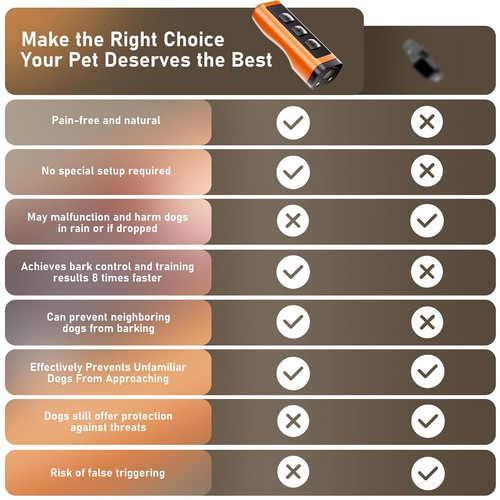
Ultrasonic bark deterrents use sound to stop barking. They emit a high-pitched noise dogs dislike. This noise is not usually heard by people. Spray deterrents release a quick burst of citronella or air. This surprises dogs and stops barking. Vibration collars give a gentle shake to the dog’s neck. This interrupts barking without pain. Each product suits different situations. Some work better outdoors. Others fit well for smaller spaces.
User Experiences
Many users report quick results with ultrasonic devices. Dogs stop barking after a few uses. Some neighbors say spray deterrents work well with large dogs. They mention the spray is safe and not harmful. Vibration collars get mixed reviews. Some find them effective, others say dogs ignore them. Overall, users appreciate products that do not hurt animals. Easy-to-use items get higher ratings. Consistent use often brings the best results.
Pros And Cons
Ultrasonic devices are quiet for humans and easy to place. They may not work for all dog breeds. Spray deterrents are safe and natural. Some dogs might not mind the spray. Vibration collars offer precise control. They require proper fitting and training. Most products are affordable but vary in durability. Choosing the right product depends on your needs. Consider the dog’s size, environment, and behavior.
Tips For Maintaining Peaceful Neighborhoods
Keeping peace in neighborhoods helps everyone enjoy their homes. Noise from dogs barking can cause stress and tension. Simple steps can reduce noise and improve relations among neighbors. Here are some practical tips for a quieter, friendlier neighborhood.
Communication With Neighbors
Talking openly with neighbors about barking dogs is key. Share your concerns calmly and listen to their side. Agree on solutions that work for both parties. Friendly chats prevent misunderstandings and build trust. Avoid blaming to keep conversations positive and productive.
Regular Monitoring
Keep track of when and how often dogs bark loudly. Note times and situations that trigger barking. This helps find patterns and solutions. Share this information with your neighbors to find common ground. Regular checks show you care about peaceful living.
Community Initiatives
Join or start neighborhood groups focused on noise control. Organize meetings to discuss and solve barking problems. Share tips on dog training and deterrents. Work together to create quiet zones or set quiet hours. Community effort makes peace easier to achieve.

Credit: www.amazon.com
Frequently Asked Questions
What Is The Most Effective Dog Barking Deterrent?
The most effective deterrents include ultrasonic devices, vibration collars, and citronella sprays. These methods safely discourage barking without harming the dog. Ultrasonic devices emit a high-pitched sound only dogs hear, calming excessive barking. Choose based on your neighbor’s dog behavior and environment.
Are Ultrasonic Bark Deterrents Safe For Neighbors’ Dogs?
Yes, ultrasonic bark deterrents are safe. They emit a high-frequency sound that only dogs can hear. This sound interrupts barking without causing pain or harm. They are a humane way to reduce noise and improve neighborhood peace.
Can Citronella Sprays Stop Dogs From Barking?
Yes, citronella sprays can deter dogs from barking. When a dog barks, the spray releases a harmless citronella scent. Most dogs dislike this smell and stop barking. It is a safe and effective alternative to shock collars.
How To Use Vibration Collars For Neighbor’s Dog Barking?
Vibration collars detect barking and deliver a gentle vibration. This distracts the dog, reducing barking over time. Always get permission from your neighbor before using one. Proper training and consistency are key for best results.
Conclusion
Choosing the best dog barking deterrent helps keep peace with neighbors. Quiet surroundings improve comfort for everyone nearby. Pick a safe and gentle option that works well. Consistency in using the deterrent brings better results. Remember, patience is key when training dogs to reduce noise.
Small steps lead to a calmer neighborhood environment. Everyone enjoys a peaceful home without constant barking. Try different methods until you find the right fit. Peaceful days and happy neighbors are worth the effort.