If you have a dog, you know how tricky it can be to keep your lawn looking fresh and green. Dog pee often leaves ugly yellow spots and damages grass, making your yard less enjoyable.
But what if you could choose the best grass that stands up to your dog’s needs? You’ll discover which types of grass handle dog urine the best, so your lawn stays healthy and beautiful. Keep reading to find out how to protect your yard and make your outdoor space perfect for both you and your furry friend.
Effects Of Dog Urine On Lawns
Dog urine often harms lawns. It creates yellow or brown spots. These spots happen because urine contains high nitrogen. Nitrogen is good for plants in small amounts. But too much nitrogen burns the grass. The damage depends on the dog’s diet and urine concentration. Some dogs cause more harm than others. Repeated urination in the same spot makes damage worse. Understanding the effects helps to choose the best grass for dogs pee.
How Urine Damages Grass
Dog urine has strong chemicals. It contains nitrogen, salts, and urea. These chemicals can burn grass blades. The urine’s acidity changes the soil’s pH balance. This makes it hard for grass to grow. High nitrogen acts like fertilizer but in excess is toxic. It causes grass to dry out and die. Grass roots weaken and cannot absorb water well. Damaged roots leave soil exposed to weeds and pests.
Common Lawn Problems From Pets
Spots of dead grass appear in many lawns. These spots often look yellow or brown. They reduce the lawn’s overall health and beauty. Pets may cause soil compaction by walking on grass. Compacted soil stops air and water from reaching roots. This leads to poor grass growth. Pet digging can uproot grass patches. Urine spots attract insects and create bad odors. These problems make lawn care more challenging.
Credit: thegrassoutlet.com
Top Durable Grass Types For Pets
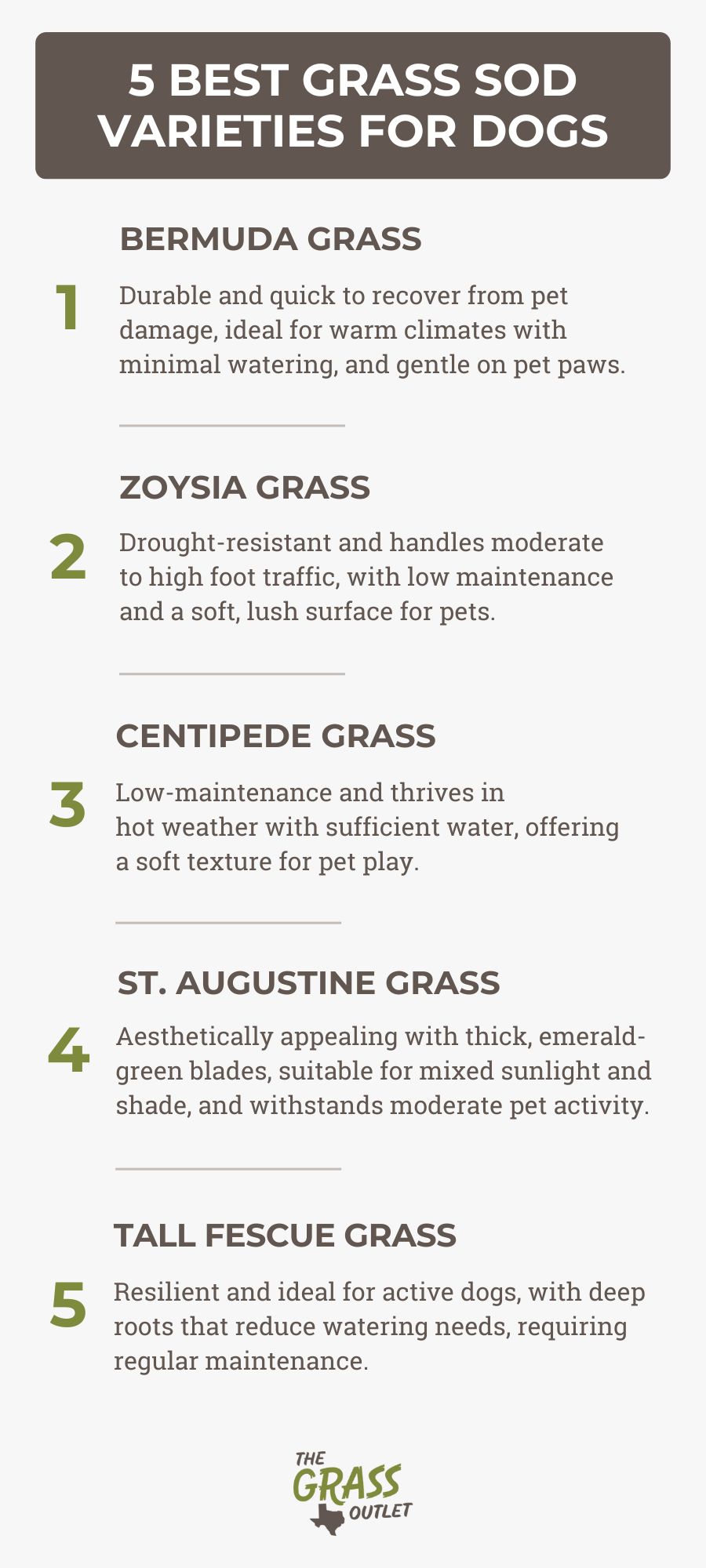
Choosing the right grass for a yard with dogs is important. Dogs often urinate on lawns, which can harm the grass. Durable grass types can survive pet urine and keep your yard green. These grasses are strong, recover fast, and resist damage from pets.
Kentucky Bluegrass
Kentucky Bluegrass is popular for lawns with pets. It has a deep root system that helps it recover quickly. This grass stays green and thick, even with frequent dog activity. It handles wear well and looks good all year.
Perennial Ryegrass
Perennial Ryegrass grows fast and is tough. It can repair bare spots caused by dog urine. Its fine texture makes the lawn soft and comfortable for pets. This grass works best in cooler climates.
Tall Fescue
Tall Fescue has deep roots that make it very durable. It tolerates heat and drought better than many grasses. This type resists dog urine damage well. Tall Fescue stays green longer in summer.
Bermuda Grass
Bermuda Grass is a warm-season grass that recovers quickly. It forms a dense turf that blocks weeds. This grass handles heavy foot traffic and pet urine. It grows best in sunny areas with warm weather.
Zoysia Grass
Zoysia Grass grows slowly but creates a thick, tough lawn. It resists damage from dogs and recovers well. This grass needs less water and stays green in heat. It works well in many climates.
Choosing Pet-friendly Grass Varieties
Choosing pet-friendly grass varieties is key for a healthy yard and happy dogs. Dogs’ urine can harm many grass types. Some grass types stand better against dog pee. These grasses stay green and fresh longer. They also feel soft and safe for pets to walk on.
Picking the right grass helps your lawn look great. It also keeps your pets comfortable and safe. Below are important features to consider for pet-friendly grass.
Heat And Drought Tolerance
Grass needs to survive hot days and dry spells. Some grasses handle heat better than others. They stay green even in strong sun. Drought-tolerant grass uses water well and grows strong. This means less damage from dog urine during dry weather. Good heat and drought tolerance keeps lawns healthy and green.
Recovery Speed
Grass that recovers fast heals pee spots quickly. Fast-growing grass fills in bare patches. This stops dead spots from spreading. Quick recovery means less lawn damage over time. Look for grasses that grow back soon after damage. This keeps your yard looking fresh and full.
Texture And Comfort For Dogs
Soft, smooth grass feels good on dogs’ paws. Some grasses have rough or scratchy leaves. Soft grass is safer for pets to run and rest on. Comfortable grass also helps avoid paw irritation. Choose grass with fine blades and a soft touch. This makes your yard a happy place for dogs.
:max_bytes(150000):strip_icc()/best-grasses-for-dogs-5085279-hero-d2c93258a8b04f9da09c95873aac7d4a.JPG)
Credit: www.thespruce.com
Lawn Care Tips For Dog Owners
Taking care of a lawn with dogs requires extra attention. Dog urine can harm grass, causing brown spots and uneven patches. Following simple lawn care tips helps keep grass green and healthy despite pet activity. These tips focus on watering, soil care, urine management, and encouraging good habits in dogs.
Regular Watering Techniques
Watering is key for a healthy lawn. Water deeply and less often. This encourages strong roots. Early morning watering reduces evaporation. Avoid watering in the heat of the day. After your dog urinates, water the spot to dilute the urine. This helps prevent grass burn.
Soil Treatment And Fertilization
Healthy soil supports strong grass growth. Test soil pH regularly to maintain balance. Use fertilizers that promote root growth. Avoid over-fertilizing, which stresses grass. Organic compost improves soil structure and nutrients. Good soil reduces damage from dog urine. Aerate your lawn to improve air and water flow.
Managing Urine Spots
Urine spots are common on dog-friendly lawns. Quickly water the area to dilute urine. Use gypsum to neutralize salts in the soil. Reseed bare spots with durable grass types. Train your dog to use a specific potty area. Clean urine spots to prevent lasting damage.
Encouraging Dog-friendly Lawn Habits
Train dogs to avoid sensitive lawn areas. Create a designated potty zone with durable grass or mulch. Reward your dog for using the correct spot. Provide plenty of water to reduce urine concentration. Keep your dog active to prevent repeated damage in one spot.
Alternative Solutions To Protect Your Lawn
Protecting your lawn from dog pee damage can be a challenge. There are ways to keep your grass healthy without stress. Alternative solutions help reduce yellow spots and dead patches. These methods work well for many pet owners. They offer practical options to keep your yard green and fresh.
Using Artificial Turf
Artificial turf is a strong choice for pet owners. It does not absorb urine, so stains won’t appear. This grass stays green all year long. It needs less water and no mowing. Cleaning is easy with a simple rinse. It also prevents muddy areas during rainy days.
Designated Pet Relief Areas
Create a special spot for your dog to pee. Use gravel, mulch, or sand for this area. Train your dog to use this space only. It helps protect the rest of your lawn. It also keeps your yard cleaner and smells better. You can add plants around the area to improve looks.
Lawn Repair Products
Many products help fix grass damaged by dog urine. These include sprays, granules, and soil treatments. They work by neutralizing urine and encouraging grass growth. Use them soon after spotting damage. Regular use can restore your lawn’s green color. Always follow the product instructions for best results.

Credit: www.holmesutah.com
Frequently Asked Questions
What Is The Best Grass For Dogs Who Pee Often?
Kikuyu grass is ideal for dogs who pee often. It is durable, fast-growing, and resists urine burn. This grass recovers quickly, keeping your lawn green and healthy despite frequent dog urine spots.
How Does Dog Urine Affect Different Grass Types?
Dog urine contains nitrogen, which can burn some grasses like Kentucky bluegrass. Tougher grasses such as fescue and ryegrass handle urine better. Choosing urine-resistant grass reduces brown spots and keeps your lawn vibrant.
Can Artificial Grass Be A Good Option For Dogs?
Yes, artificial grass is dog-friendly and urine-resistant. It requires no watering and is easy to clean. Artificial turf prevents brown spots and provides a durable surface for pets.
How Can I Protect My Lawn From Dog Pee Damage?
Water the pee spot immediately to dilute urine. Use dog-friendly fertilizers to strengthen grass. Plant urine-resistant grass types and regularly maintain your lawn for best results.
Conclusion
Choosing the right grass helps keep your yard healthy and clean. Some grasses handle dog pee better than others. These grasses resist damage and stay green longer. Your dog will enjoy a soft, safe place to play. A healthy lawn means less smell and fewer brown spots.
Try these grasses for a happier outdoor space. Your dog and lawn will both thank you. Simple steps make a big difference in lawn care. Keep your yard fresh and inviting every day.