If your dog has been diagnosed with kidney failure, you’re likely searching for the best way to support their health through diet. What you feed your furry friend can make a huge difference in how they feel and how their kidneys function.
Choosing the right food isn’t just about nutrition—it’s about giving your dog comfort, energy, and a better quality of life. You’ll discover the top foods that help manage kidney failure in dogs, so you can make informed choices and see your loyal companion thrive.
Keep reading to find out how to take control of your dog’s diet and help them live their happiest, healthiest life.
Diet Needs For Kidney Failure
Dogs with kidney failure need special care in their diet. Proper food helps slow down the disease and keeps dogs feeling better. Choosing the right diet supports kidney function and overall health. It also helps reduce toxins that build up in the body.
Why Diet Matters
The kidneys filter waste from the blood. When they fail, waste builds up and harms the dog. A good diet lowers this waste. It helps the kidneys work less hard. Healthy food improves energy and comfort for your dog. It also helps control symptoms like vomiting and weakness.
Key Nutritional Goals
Protein should be limited but high quality. It reduces waste without starving the dog. Phosphorus must be lowered to protect kidneys. Less phosphorus slows kidney damage. Fat provides energy and helps keep weight. Sodium should be low to control blood pressure. Fluids need to be encouraged to prevent dehydration.
Foods To Avoid
Avoid foods high in protein and phosphorus. Examples include red meat, organ meats, and dairy. Salt and salty snacks increase blood pressure. Avoid processed foods and table scraps. Foods with artificial ingredients can hurt the kidneys. Stick to vet-recommended or specially made kidney diets.
Protein Choices
Protein is very important for dogs with kidney failure. It helps maintain muscle and repair body tissues. But too much protein or the wrong type can stress the kidneys. Choosing the right protein helps slow kidney damage and keeps your dog healthy.
Low-quality Vs. High-quality Protein
Low-quality protein contains more waste and harder-to-digest parts. This makes kidneys work harder. It can raise harmful waste in the blood. High-quality protein has all essential amino acids your dog needs. It is easier to digest and produces less waste. Feeding high-quality protein helps protect the kidneys.
Recommended Protein Sources
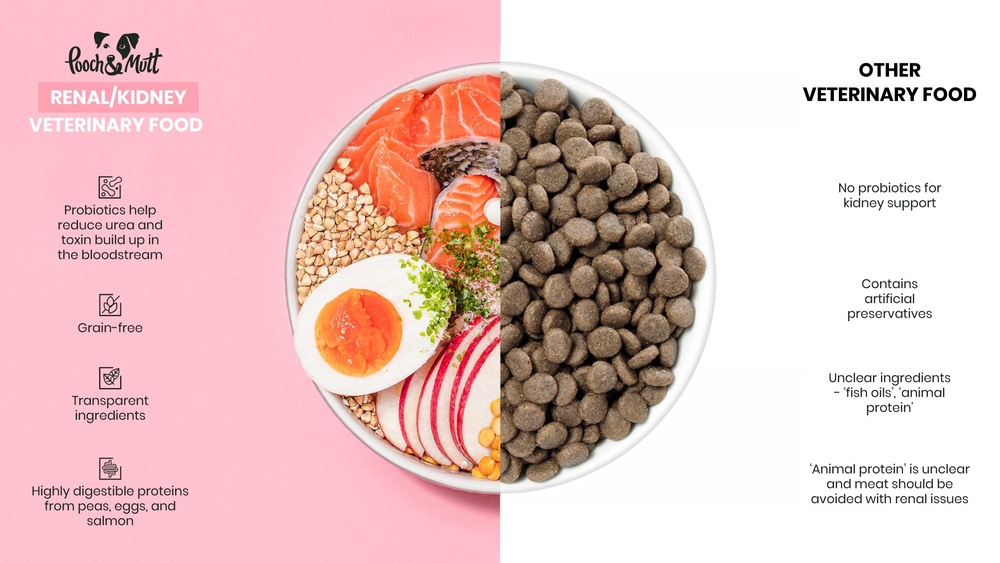
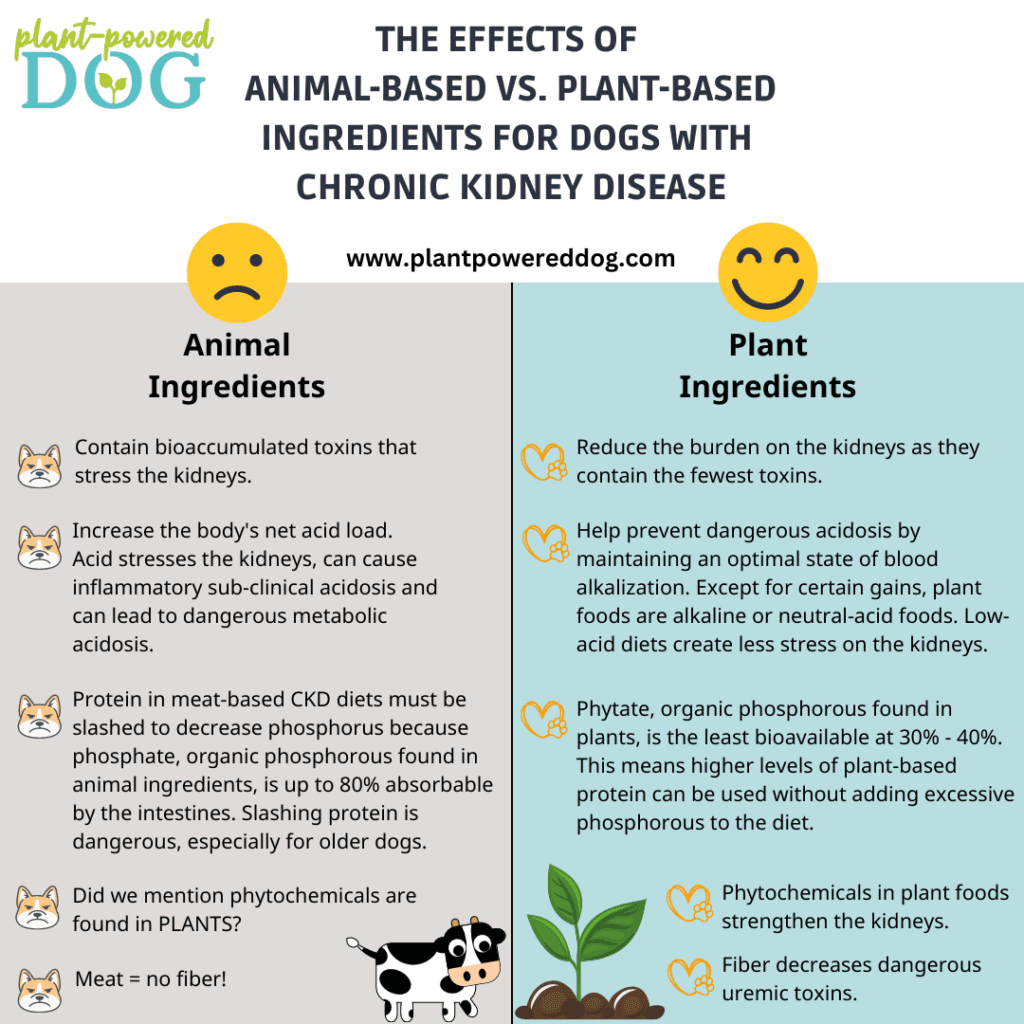
Good protein sources include cooked eggs, chicken, and turkey. These are easy to digest and have high-quality protein. Fish like salmon and whitefish are also great. They have omega-3 fatty acids that reduce inflammation. Plant proteins like lentils and peas can add variety but should not replace animal protein.
Carbohydrates And Fats
Carbohydrates and fats are important parts of a dog’s diet, especially for those with kidney failure. These nutrients provide energy and help keep the body strong. Choosing the right types can support your dog’s health and reduce stress on the kidneys.
Safe Carbohydrate Options
Carbohydrates give dogs the energy they need. For dogs with kidney failure, easy-to-digest carbs are best. White rice and sweet potatoes are good choices. They break down slowly and keep blood sugar steady. Avoid high-fiber or processed grains. These can be hard to digest and may harm kidney health.
Healthy Fat Sources
Fats provide concentrated energy and help absorb vitamins. Good fats also reduce inflammation in the body. Fish oil is an excellent source of omega-3 fatty acids. These fats support kidney function and overall health. Coconut oil offers medium-chain triglycerides, which are easy to digest. Avoid fats that are high in saturated or trans fats. These can cause extra strain on your dog’s kidneys.

Credit: www.visco-foam.com
Vitamins And Minerals
Vitamins and minerals play a key role in managing kidney failure in dogs. These nutrients support overall health and help reduce strain on the kidneys. Choosing the right balance is important for improving your dog’s quality of life.
Essential Vitamins
Vitamins B and C are vital for dogs with kidney issues. Vitamin B helps keep energy levels up and supports the nervous system. Vitamin C acts as an antioxidant, protecting cells from damage. Fat-soluble vitamins like A, D, and E need careful monitoring. Too much can harm the kidneys. A vet can recommend the right supplements and doses.
Controlling Mineral Intake
Minerals like phosphorus and sodium affect kidney health. High phosphorus can worsen kidney damage, so limit it in your dog’s diet. Sodium control helps manage blood pressure and fluid balance. Potassium levels also need checking. Some dogs require more, while others need less. A balanced mineral intake helps ease kidney workload and maintain health.
Hydration Tips
Proper hydration is vital for dogs with kidney failure. It helps the kidneys work better and flush out toxins. Keeping your dog well-hydrated supports overall health and comfort.
Water Intake Importance
Water helps remove waste from the body. Dogs with kidney issues need more water than healthy dogs. Encourage your dog to drink often throughout the day. Fresh, clean water should always be available. Watch for signs of dehydration like dry gums or lethargy. Hydration can slow the progression of kidney disease and improve quality of life.
Wet Vs. Dry Food
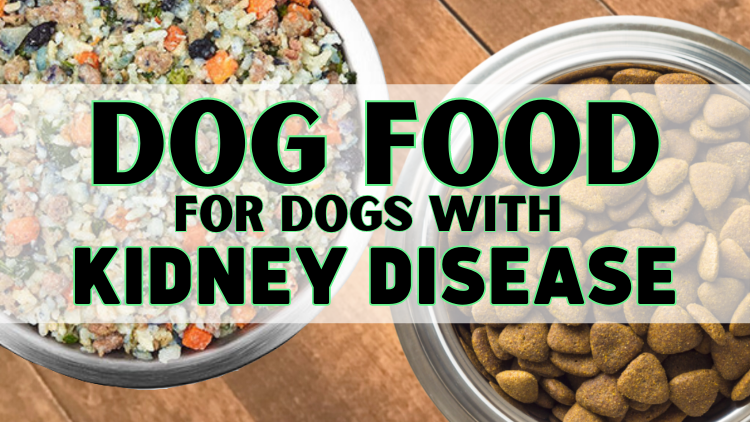
Wet food contains more moisture than dry food. Feeding wet food increases your dog’s water intake naturally. It can be easier for dogs with kidney failure to eat and digest. Dry food is convenient but offers less hydration. Mixing wet food with dry kibble can boost fluid intake. Choose kidney-friendly wet food formulas with low protein and phosphorus.
Credit: www.visco-foam.com
Commercial Diets
Commercial diets offer a practical solution for managing kidney failure in dogs. These diets are specially made to support kidney health. They contain balanced nutrients that reduce the workload on kidneys. Choosing the right commercial diet can help improve your dog’s quality of life. The diets focus on lowering protein, phosphorus, and sodium levels. This helps slow the progression of kidney disease and reduces symptoms. Many pet owners trust these diets because they are scientifically formulated and veterinarian-approved.
Prescription Kidney Diets
Prescription kidney diets are made by pet food companies with vets. These diets have controlled protein to lessen kidney strain. They also lower phosphorus to protect kidney function. Omega-3 fatty acids are added to reduce inflammation. The diets include vitamins and minerals for overall health. Dogs usually find these diets palatable and easy to eat. Veterinarians recommend these diets for dogs with chronic kidney disease. Feeding prescription diets can help maintain your dog’s energy and comfort.
Popular Brands
Several trusted brands offer commercial kidney diets for dogs. Hill’s Prescription Diet k/d is well-known for kidney support. Royal Canin Veterinary Diet Renal Support is another popular choice. Purina Pro Plan Veterinary Diets NF helps manage kidney issues. These brands use high-quality ingredients and balanced nutrition. They also offer wet and dry food options to suit your dog’s taste. Many pet owners report positive results with these diets. Talk to your vet about the best brand for your dog’s needs.
Homemade Meal Ideas
Preparing homemade meals for dogs with kidney failure helps control ingredients. It supports kidney health by reducing harmful substances. Homemade meals give you full control over what your dog eats. This way, you can avoid ingredients that strain the kidneys.
Safe Ingredients
Choose ingredients low in phosphorus and protein. White rice is easy to digest and gentle on kidneys. Cooked carrots add vitamins without extra minerals. Boiled chicken breast is a lean protein option. Pumpkin helps with digestion and adds fiber. Avoid onions, garlic, and salt, which harm dogs with kidney issues.
Simple Recipes
Mix boiled chicken, white rice, and cooked carrots. Use small portions to avoid overfeeding. Steam or boil ingredients to keep nutrients intact. Blend pumpkin with rice for a tasty meal. Serve meals fresh and store leftovers in the fridge. Rotate ingredients to keep meals interesting and balanced.
Credit: www.nbmoa.org
Monitoring And Adjusting Diet
Monitoring and adjusting your dog’s diet is key in managing kidney failure. Careful observation helps you see how the food affects your dog’s health. Changes in appetite, energy, and bathroom habits give clues. Adjusting the diet may be needed to keep your dog comfortable and healthy. Regular checks ensure the diet meets your dog’s needs as kidney failure progresses.
Signs Of Improvement
Look for increased energy and better appetite. Your dog may drink less water and urinate normally. Coat condition might improve, becoming shinier and softer. Weight stabilization is a good sign. Less vomiting and diarrhea show the diet works well. These signs mean the kidney-friendly food supports your dog’s health.
When To Consult A Vet
Contact your vet if your dog refuses food for more than a day. Sudden weakness or confusion needs immediate attention. Notice any swelling or trouble breathing. Rapid weight loss or severe vomiting calls for a vet visit. Changes in urination, like blood or no output, require professional care. Regular vet check-ups help adjust diet safely and timely.
Frequently Asked Questions
What Foods Are Best For Dogs With Kidney Failure?
Foods low in protein, phosphorus, and sodium are best. Include high-quality proteins, omega-3 fatty acids, and antioxidants to support kidney health.
Can Homemade Diets Help Dogs With Kidney Failure?
Yes, homemade diets tailored by a vet can help. They ensure precise nutrient control and avoid harmful ingredients.
Should I Avoid Certain Foods For Kidney Failure Dogs?
Avoid high-protein, high-phosphorus, and salty foods. Also, limit treats and table scraps to reduce kidney strain.
How Important Is Hydration For Dogs With Kidney Failure?
Hydration is crucial; water helps flush toxins and supports kidney function. Always provide fresh water and consider wet food.
Conclusion
Choosing the right food helps dogs with kidney failure live better. A diet low in protein, phosphorus, and sodium supports kidney health. Fresh water is vital to keep your dog hydrated. Always check with your vet before changing foods. Small, frequent meals can ease digestion and improve appetite.
Watch your dog’s response to new foods closely. Proper nutrition can make a big difference in their comfort and energy. Care and attention matter most for your dog’s well-being.