
If your dog loves to pull during walks, you know how frustrating it can be. Finding the right leash can make all the difference for both you and your furry friend.
You want something strong, comfortable, and easy to control. You’ll discover the best dog leashes for pulling that can help you enjoy every walk without the constant tugging. Keep reading to find the perfect leash that works for you and your dog’s needs.

Credit: www.petful.com
Why Choose A Durable Leash
Choosing a durable leash is important for dogs that pull. It helps control your dog better and keeps both safe. A strong leash lasts longer and saves money over time. Here is why a durable leash is the best choice for pulling dogs.
Benefits Of Strong Materials
Leashes made from strong materials resist wear and tear. Nylon and leather are good examples. They do not break easily, even with strong pulls. This keeps your dog secure during walks. Strong leashes handle rough use without losing shape or strength.
Safety For You And Your Dog
A durable leash prevents accidents caused by snapping or breaking. It gives you control, stopping sudden jerks or runs. This protects you from falls or injuries. Your dog also stays safe, avoiding dangerous situations. A strong leash supports safe walking habits.
Longevity And Cost Efficiency
Durable leashes last longer than cheap ones. They do not need frequent replacements. This saves money in the long run. You get better value with fewer purchases. A strong leash is a smart investment for every dog owner.
Types Of Leashes For Pulling Dogs
Choosing the right leash helps control dogs that pull. Different leash types offer various levels of strength and comfort. Some work better for training, others for daily walks. Understanding each type helps pick the best leash for your dog.
Standard Nylon Leashes
Standard nylon leashes are popular and affordable. They are lightweight and come in many colors. These leashes are strong enough for most dogs. They dry quickly and resist wear and tear. Nylon leashes are easy to clean and maintain.
Leather Leashes
Leather leashes offer durability and a classic look. They soften with use and feel comfortable in your hand. Leather is strong and can handle heavy pulling dogs. These leashes last a long time if cared for properly. They provide a good grip, reducing leash slipping.
Chain And Metal Leashes
Chain leashes are tough and chew-resistant. They work well for dogs who like to bite their leash. The metal links add weight but increase durability. Chain leashes can be harsh on hands without padding. They are best for strong dogs that pull hard.
Retractable Leashes
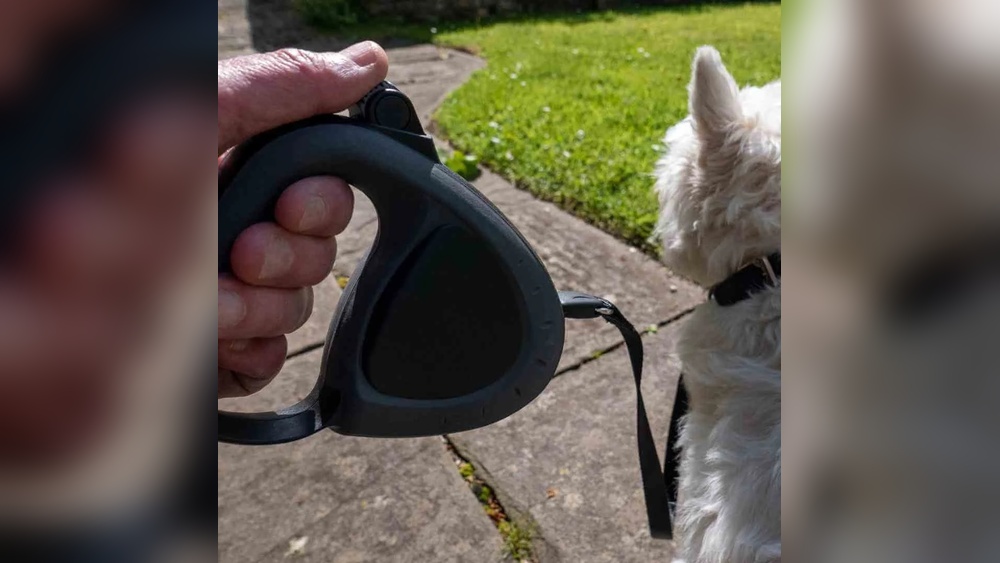
Retractable leashes allow dogs to roam farther. They have a long, thin cord or tape inside. These leashes can lock at different lengths. They offer freedom but less control for pulling dogs. Retractable leashes are not ideal for training pulling behavior.
Key Features To Look For
Choosing the best dog leash for pulling starts with knowing the key features. These features help keep both you and your dog safe and comfortable. A strong leash controls pulling better and lasts longer. Comfort matters too, for your hands during walks. Weather can affect leash quality. Understanding these factors makes a big difference.
Comfortable Grip Handles
Look for handles that feel soft and secure. Padded grips reduce hand strain and blisters. A good handle stops slipping, even if your dog pulls hard. Some handles have a loop shape for better control. Comfort helps you hold the leash longer with ease.
Heavy-duty Clips And Hardware
Strong clips keep your dog safely attached. Metal clips made from stainless steel or brass last longer. They resist rust and do not break easily. Check that clips lock tightly and open smoothly. Hardware strength is key for dogs that pull hard.
Length And Thickness Considerations
Choose a leash length that fits your walking style. Shorter leashes give more control near busy streets. Longer leashes allow more freedom in open areas. Thick leashes handle strong pulls better than thin ones. Balance length and thickness for your dog’s size and strength.
Weather Resistance
Leashes face rain, sun, mud, and snow during walks. Weather-resistant materials last longer and stay strong. Nylon and leather are common choices. Nylon dries quickly and resists dirt. Leather is durable but needs care to avoid cracking. Pick a leash that suits your climate and use.
Top Leash Picks For Strong Control
Choosing the right leash for dogs that pull hard is important. Strong control helps keep walks safe and calm. The best leashes offer durability, comfort, and reliable handling. These picks suit different needs and budgets. Each leash supports strong control without hurting your dog.
Best Overall Durable Leash
This leash is made from tough nylon material. It handles heavy pulling and lasts long. The comfortable handle reduces hand strain during walks. The metal clip stays secure on any collar or harness. It comes in various lengths for control at different distances.
Best For Large And Strong Dogs
Designed for big dogs, this leash is extra thick and sturdy. The heavy-duty clasp holds firm even under strong pulls. It has reinforced stitching to avoid wear and tear. The padded handle offers a soft grip for better control. Perfect for powerful dogs that need firm guidance.
Best For Training And Pulling Control
This leash has an adjustable length for training sessions. It allows quick corrections and close control of pulling behavior. The durable material resists chewing and tugging. The handle has a loop for extra grip during training. Ideal for teaching dogs to walk nicely without pulling.
Best Budget-friendly Option
This leash offers good strength without a high price. It uses reliable materials that hold up during strong pulls. The handle is simple but comfortable enough for daily walks. The clip attaches easily to collars and harnesses. A solid choice for those who want control on a budget.
Tips To Manage Pulling Behavior
Managing a dog that pulls on the leash takes patience and the right approach. Pulling can make walks stressful for both you and your pet. Using effective tips helps control this behavior and makes walks enjoyable. Here are some simple ways to manage pulling with your dog.
Leash Training Techniques
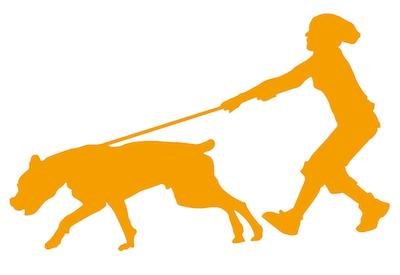
Start leash training in a quiet place with few distractions. Hold the leash firmly but gently. When your dog pulls, stop walking immediately. Wait until the dog returns to your side or loosens the leash. Reward the dog with praise or treats for walking beside you. Repeat this process often. Short, regular training sessions work best. Consistency is key in teaching your dog not to pull.
Using Harnesses Alongside Leashes
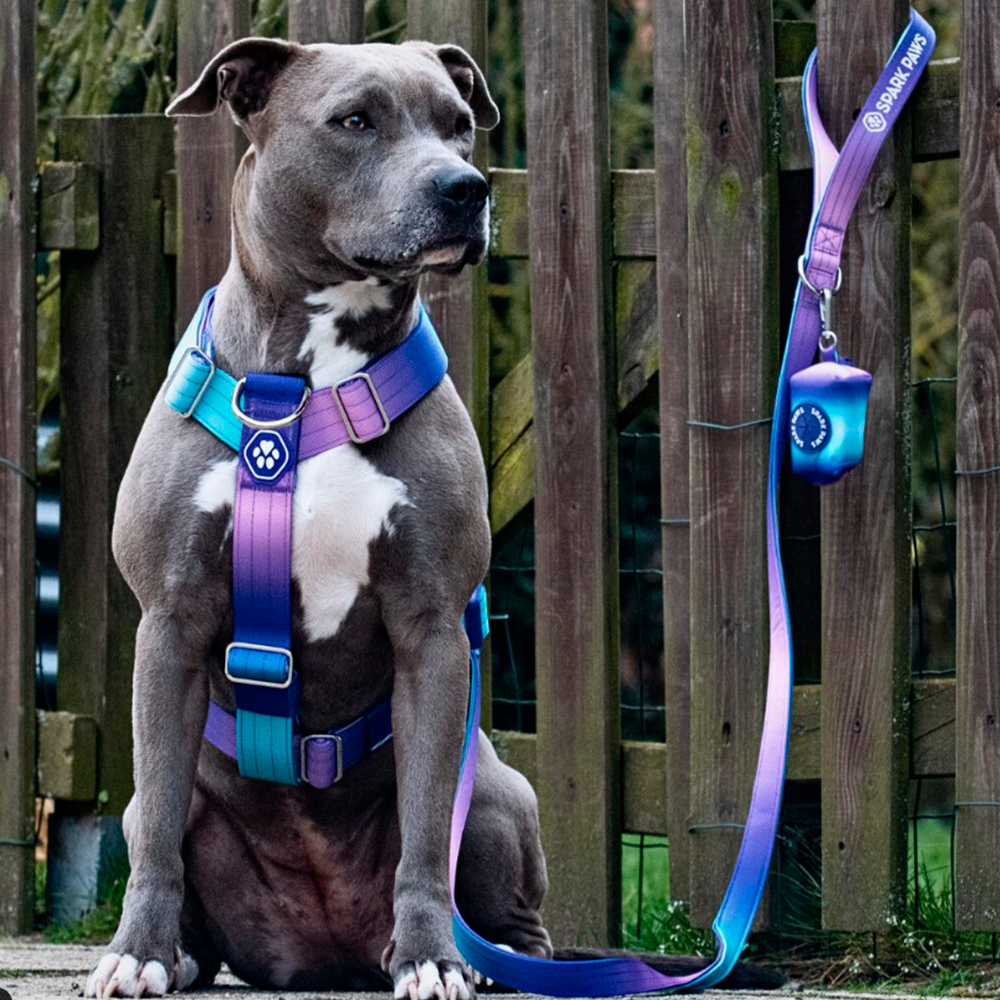
Choose a harness designed to reduce pulling. Front-clip harnesses help redirect your dog’s movement. They give you more control without causing pain. Avoid choke chains or prong collars, as they can hurt your dog. A good harness makes walks safer and more comfortable. Use the harness with a sturdy leash for best results. This combo encourages better behavior during walks.
Consistent Commands And Rewards
Use clear commands like “heel,” “stop,” or “come” to guide your dog. Speak in a calm, firm voice. Reward your dog immediately after following a command. Treats, petting, or kind words work well. Avoid yelling or punishment, which may confuse your dog. Consistent commands and rewards build trust and good habits. Your dog learns faster when expectations stay the same.
Credit: www.usadogbehavior.com
Maintenance And Care For Leashes
Taking good care of your dog leash keeps it strong and safe. Regular maintenance helps the leash last longer. It also protects your dog during walks.
Cleaning Durable Materials
Clean your leash often to remove dirt and sweat. Use mild soap and warm water. Gently scrub with a soft brush or cloth. Rinse well to avoid soap residue. Let the leash air dry completely before use. Avoid harsh chemicals that can weaken the material.
Inspecting For Wear And Tear
Check your leash for signs of damage regularly. Look for frayed fabric, broken stitching, or loose parts. Make sure metal clips work smoothly and do not rust. Replace the leash if you see any damage. A worn leash can break during a walk.
Proper Storage Tips
Store your leash in a dry, cool place. Avoid leaving it in direct sunlight or damp areas. Hang the leash to keep it untangled and crease-free. Proper storage prevents damage and keeps the leash ready for use.
Credit: www.sparkpaws.es
Frequently Asked Questions
What Features Make A Dog Leash Best For Pulling?
A good pulling leash has strong material, a comfortable grip, and a shock-absorbing design. It helps control your dog safely and reduces strain on your arm. Reflective elements and adjustable length add extra safety and convenience during walks.
How Do No-pull Dog Leashes Work Effectively?
No-pull leashes discourage pulling by redirecting the dog’s movement. They often include front-clip harnesses or slip leads that gently steer dogs back toward the owner. This method trains dogs to walk calmly without sudden jerks or discomfort.
Can Any Leash Stop A Dog From Pulling?
Not all leashes stop pulling effectively. Specialized no-pull leashes or harnesses work best. Regular leashes may not provide control or training benefits. Choosing the right leash depends on your dog’s size, strength, and behavior.
Are Retractable Leashes Good For Dogs That Pull?
Retractable leashes are not ideal for dogs that pull. They encourage pulling by allowing more leash length. Fixed-length, sturdy leashes with control features are safer and better for training pulling dogs.
Conclusion
Choosing the right leash helps control your dog during walks. Strong, comfortable leashes reduce pulling and increase safety. A good leash makes walks more enjoyable for both. Try different styles to see what fits best. Remember, patience and practice improve leash training results.
Keep your dog close and happy on every walk. Your efforts will lead to better behavior soon.


