If your dog is struggling with IVDD, you want to do everything possible to ease their pain and help them feel better fast. Finding the best pain meds for IVDD in dogs can make a huge difference in your furry friend’s comfort and quality of life.
You might be wondering which medications work best, how safe they are, and what you should watch out for. This article will guide you step-by-step through the top pain relief options, so you can make informed choices and give your dog the care they deserve.
Keep reading to discover the safest and most effective ways to relieve your dog’s pain today.

Credit: toegrips.com
What Is Ivdd In Dogs
Intervertebral Disc Disease (IVDD) is a common condition in dogs. It affects the discs between the bones of the spine. These discs act as cushions and help the spine move smoothly. In IVDD, these discs start to break down or slip out of place. This causes pressure on the spinal cord. The pressure leads to pain and other problems with movement.
IVDD can cause serious issues. It often limits a dog’s ability to walk or play. Early detection and treatment are important to help dogs live better lives.
Causes And Symptoms
IVDD happens when the discs in the spine wear out or get injured. Some dog breeds have a higher risk. These include Dachshunds, Beagles, and Corgis. Age and weight can also affect the risk.
Common symptoms include back pain, weakness, and difficulty walking. Dogs may cry when they move or show stiffness. Loss of balance or dragging legs can occur in serious cases. Some dogs lose control of their bladder or bowels.
Stages Of Ivdd
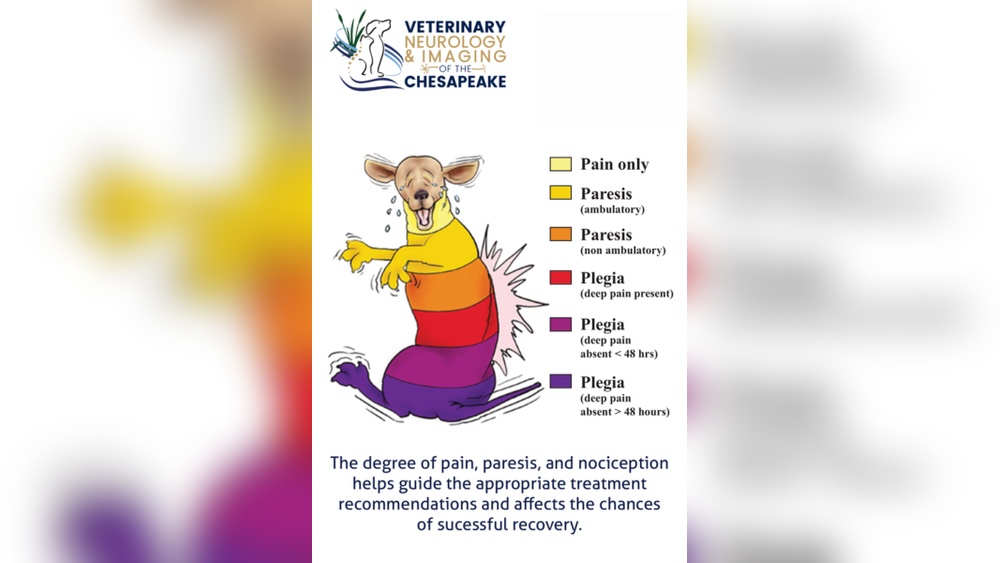
IVDD has several stages, depending on the damage level. In the early stage, dogs show mild pain and slight changes in movement.
The next stage includes more pain and noticeable weakness. Dogs may struggle to walk or stand.
In the severe stage, paralysis can happen. Dogs may lose feeling in their legs. Immediate vet care is critical at this point.
Pain Types Associated With Ivdd
Intervertebral Disc Disease (IVDD) causes different types of pain in dogs. Understanding these pain types helps in choosing the best pain medication. Dogs with IVDD often suffer from nerve, muscle, and inflammatory pain. Each type affects your dog’s comfort and mobility in unique ways.
Nerve Pain
Nerve pain happens when damaged discs press on the spinal nerves. This pain feels sharp or burning. Dogs might show signs like limping, weakness, or sudden yelps. Nerve pain needs specific medicines that calm nerve signals.
Muscle Pain
Muscle pain comes from muscles working too hard to support the injured spine. These muscles get tight and sore. Dogs may have stiffness or trouble moving. Muscle relaxants and gentle exercise often help relieve this pain.
Inflammatory Pain
Inflammation occurs around the damaged discs and nearby tissues. It causes swelling and tenderness. This pain is dull and constant. Anti-inflammatory drugs reduce swelling and ease discomfort for your dog.
Common Pain Medications For Ivdd
Pain management is key for dogs with IVDD (Intervertebral Disc Disease). Effective medication helps reduce discomfort and improve mobility. Different drugs target pain and inflammation in various ways. Understanding common pain medications aids pet owners in caring for their dogs better.
Non-steroidal Anti-inflammatory Drugs (nsaids)
NSAIDs are often the first choice for IVDD pain relief. They reduce inflammation and lower pain levels. Common NSAIDs include carprofen, meloxicam, and deracoxib. These drugs help dogs move more comfortably. Always use NSAIDs under veterinary guidance to avoid side effects.
Corticosteroids
Corticosteroids lower swelling and inflammation around the spinal cord. They can provide strong pain relief in severe cases. Prednisone and dexamethasone are common corticosteroids used. These medications require careful dosing and monitoring. Long-term use may cause side effects like increased thirst or appetite.
Muscle Relaxants
Muscle relaxants ease muscle spasms linked to IVDD pain. They help dogs feel less stiff and tense. Drugs like methocarbamol are often prescribed. Muscle relaxants work best combined with NSAIDs or corticosteroids. Vet supervision ensures safe and effective use.
Advanced Pain Relief Options
Advanced pain relief options help dogs with IVDD manage discomfort better. These treatments go beyond basic painkillers and target nerve pain and inflammation more effectively. They can improve your dog’s quality of life and support recovery.
Gabapentin
Gabapentin is a common medicine for nerve pain in dogs. It reduces nerve signals that cause pain and discomfort. Vets often prescribe it alongside other pain medications. Gabapentin is usually well-tolerated and helps calm nerve-related pain.
Opioids
Opioids are strong painkillers used for severe pain in dogs. They work by blocking pain signals in the brain. These medicines require careful dosing and monitoring by a vet. Opioids provide quick relief but are typically for short-term use due to side effects.
Alternative Therapies
Alternative therapies offer extra support for dogs with IVDD. Options include acupuncture, laser therapy, and physical therapy. These methods can reduce pain and improve mobility. Many pet owners find these therapies helpful alongside medications.
Medication Side Effects And Risks
Medications for IVDD in dogs help reduce pain and inflammation. They can improve your dog’s comfort and mobility. Every medication carries possible side effects and risks. Understanding these helps you watch your dog closely and keep them safe.
Short-term Effects
Some dogs feel sleepy or tired after taking pain meds. They may also lose appetite or feel sick. Vomiting and diarrhea can happen with certain medicines. Some dogs may become restless or anxious. These effects usually fade after a few days. Contact your vet if symptoms worsen or last too long.
Long-term Risks
Using pain medication for a long time can harm organs. The liver and kidneys are most at risk. Long-term use may cause stomach ulcers or bleeding. Some drugs can weaken the immune system. Regular vet check-ups help catch problems early. Always follow the vet’s dose and schedule instructions.
Dosage And Administration Tips
Proper dosage and careful administration of pain medication are crucial for dogs with IVDD. Correct dosing helps manage pain effectively and reduces side effects. Pet owners must follow veterinary advice closely to keep their dogs safe and comfortable.
Proper Dosage Guidelines
Dosage depends on the dog’s weight, age, and health condition. Veterinarians calculate the exact amount needed for each dog. Never guess the dose or give extra medicine without advice. Too much medicine can harm your dog. Too little may not relieve pain well. Always use the measuring tool that comes with the medication. This ensures the right amount every time.
Frequency And Duration
Follow the vet’s instructions on how often to give the medicine. Some meds need to be given once a day. Others require doses every 8 or 12 hours. Stick to the schedule to keep pain under control. Do not stop medication early, even if your dog feels better. Stopping too soon can cause pain to return. The vet will tell you how long to continue treatment. Keep track of doses to avoid missed or extra medicine.
When To Consult A Veterinarian
Knowing when to consult a veterinarian is key to managing IVDD pain in dogs. Pain medication helps many dogs feel better. Still, some signs mean a vet’s help is needed right away. Early action can prevent more problems and ease your dog’s pain quickly.
Signs Medication Isn’t Working
Watch your dog closely after starting pain meds. Look for changes in behavior or movement. If your dog still limps or cries, medication may not be enough. Stiffness, swelling, or trouble walking can also mean the medicine fails. Tell your vet if you see these signs. They can adjust the dose or try a new treatment.
Emergency Situations
Some symptoms need urgent vet care. Sudden loss of bladder or bowel control is serious. So is weakness or paralysis in the legs. If your dog stops eating or drinking, call the vet fast. Severe pain that does not ease is also an emergency. Quick response can save your dog’s life and mobility.

Credit: www.amazon.com
Supporting Ivdd Recovery With Pain Management
Supporting recovery from IVDD in dogs requires more than just medication. Managing pain is key to helping your pet heal comfortably and regain strength. Proper pain control allows dogs to move, eat, and rest better. It also reduces stress and helps prevent further injury. Combining pain management with other care methods improves recovery outcomes. Below are important ways to support your dog’s healing process alongside pain relief.
Physical Therapy
Physical therapy helps dogs regain muscle strength and mobility. Gentle exercises improve blood flow and reduce stiffness. Therapists use massage, stretching, and controlled movements. Hydrotherapy is common, letting dogs exercise in water with less pain. These activities support healing without overworking injured areas. Regular therapy sessions can speed up recovery and improve quality of life.
Lifestyle Adjustments
Simple changes at home can ease your dog’s pain and protect their spine. Provide soft bedding to reduce pressure on joints. Limit jumping and rough play to prevent strain. Use ramps or stairs to help your dog reach furniture safely. Keep the environment calm to avoid stress and sudden movements. These adjustments create a safer space for healing and comfort.
Credit: www.undertheweatherpet.com
Frequently Asked Questions
What Are The Best Pain Meds For Ivdd In Dogs?
The best pain meds for IVDD in dogs include NSAIDs, corticosteroids, and gabapentin. These reduce inflammation and nerve pain effectively. Always consult a vet for the right dosage and medication type based on your dog’s condition.
How Do Nsaids Help Dogs With Ivdd Pain?
NSAIDs reduce inflammation and relieve mild to moderate pain in dogs with IVDD. They improve mobility and comfort. However, long-term use requires veterinary supervision to avoid side effects like stomach ulcers or kidney issues.
Can Gabapentin Ease Nerve Pain In Ivdd Dogs?
Yes, gabapentin is effective for nerve pain caused by IVDD. It calms nerve signals and reduces discomfort. Vets often prescribe it alongside other pain meds to improve a dog’s quality of life during recovery.
Are Corticosteroids Safe For Treating Ivdd Pain In Dogs?
Corticosteroids reduce severe inflammation and swelling in IVDD but must be used cautiously. They provide quick relief but can have side effects like increased thirst or appetite. Always follow your vet’s guidance for safe use.
Conclusion
Choosing the right pain medication helps dogs with IVDD feel better. Always talk to your vet before giving any medicine. Different dogs need different treatments based on their condition. Careful monitoring keeps your pet safe and comfortable. Understanding options helps you make smart choices for your dog’s health.
Small steps can lead to big improvements in your dog’s life. Stay patient and kind during their recovery journey. Your dog deserves the best care every day.