

If you’re like most dog owners, you want the best for your furry friend—especially when it comes to their toys. Nylon chew toys are popular, but you might be wondering: are they really safe for your dog?
Choosing the wrong toy can lead to health problems, and that’s the last thing you want. You’ll discover what makes nylon chew toys a good or bad choice, how to pick the safest options, and what signs to watch for.
Keep reading to protect your dog and give them the fun they deserve.

Credit: www.amazon.com
Benefits Of Nylon Chew Toys
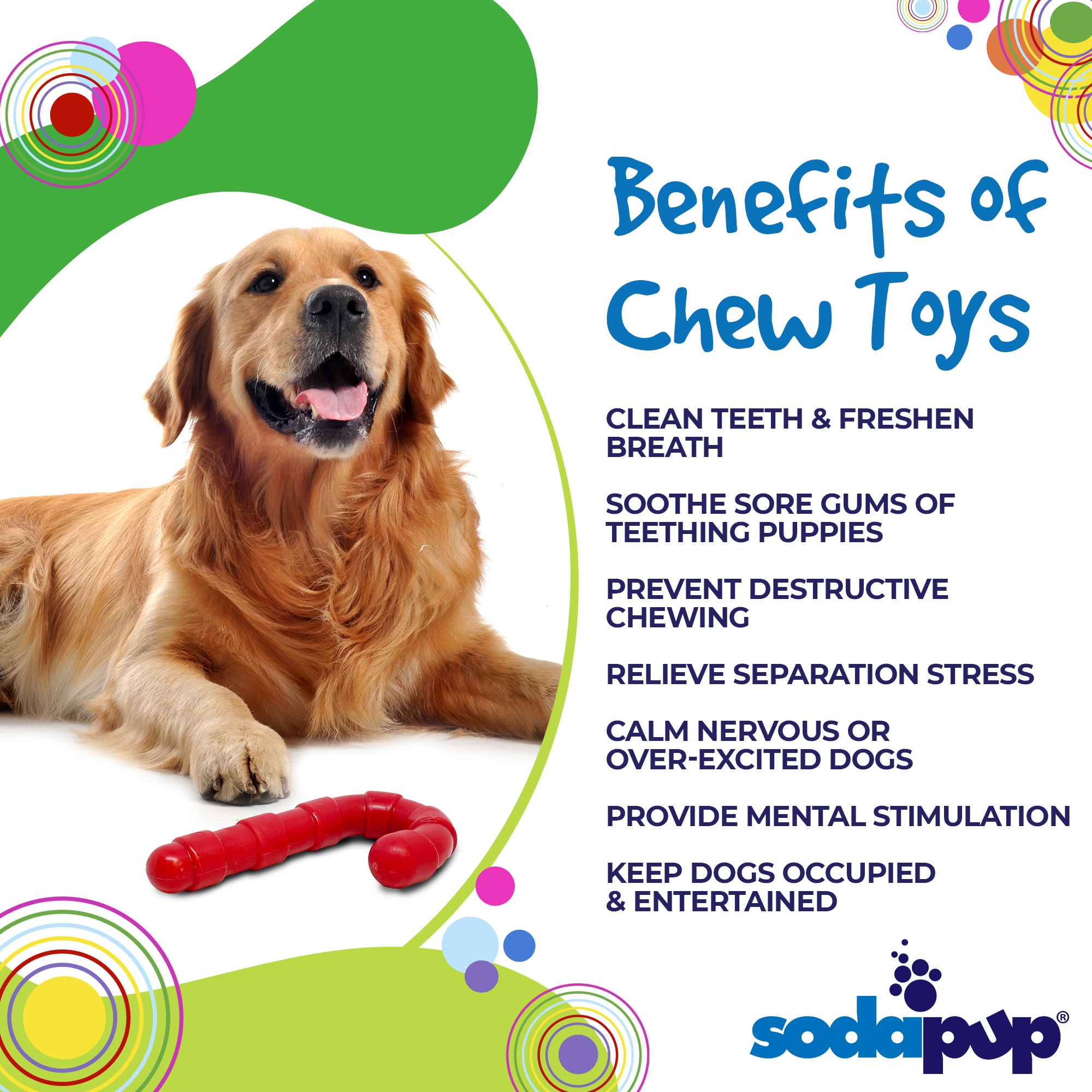
Nylon chew toys offer several benefits for dogs. They keep dogs busy and help with natural chewing needs. These toys are made to last and provide good support for dog health. Owners find them useful for many reasons.
Here are some key benefits of using nylon chew toys for your dog.
Durability And Longevity
Nylon chew toys are very strong and hard to break. Dogs that chew a lot need toys that last long. These toys can handle tough chewing without falling apart. They save money because they do not need frequent replacement.
Dental Health Support
Chewing on nylon toys helps clean dogs’ teeth. The texture scrapes off plaque and tartar gently. This reduces bad breath and keeps gums healthy. Regular chewing also strengthens jaw muscles.
Variety Of Shapes And Sizes
Nylon chew toys come in many shapes and sizes. This variety suits different dog breeds and chewing habits. Small dogs get smaller toys, while big dogs get bigger, tougher ones. This helps keep every dog safe and happy.
Credit: sodapup.com
Potential Risks Of Nylon Chew Toys
Nylon chew toys are popular for dogs. They are tough and last a long time. Yet, they come with some risks. Understanding these risks helps keep dogs safe and happy. The following sections explain key dangers to watch for with nylon chew toys.
Choking Hazards
Small pieces can break off from nylon toys. Dogs might swallow these pieces. This can block their throat or stomach. Choking is a serious and urgent danger. Always check toys for cracks or missing chunks. Remove broken toys immediately to avoid harm.
Toxic Materials Concerns
Not all nylon is made equally. Some toys use harmful chemicals in production. These chemicals can be toxic if ingested. Dogs chew and lick toys a lot. Chemicals can enter their body this way. Choose toys made from safe, non-toxic nylon only.
Damage To Teeth And Gums
Hard nylon can wear down dog teeth. It may cause cracks or breaks in teeth. Chewing too hard can hurt gums too. Painful gums make dogs avoid chewing. Look for toys that are firm but gentle on teeth. Regular dental checks help catch problems early.
Choosing Safe Nylon Chew Toys
Choosing safe nylon chew toys is important for your dog’s health. These toys must be strong but gentle on teeth. A good choice helps prevent choking or injury. Careful selection ensures your dog enjoys playtime safely.
Material Quality Checks
Check the nylon’s hardness before buying. It should be tough enough to last but soft enough to avoid tooth damage. Avoid toys with sharp edges or cracks. Look for non-toxic materials that do not contain harmful chemicals. Always read the product description for material details.
Size And Shape Considerations
Pick a size that fits your dog’s mouth well. Too small toys can cause choking. Large toys may be hard to chew. Choose shapes without small parts that can break off. Round or smooth shapes reduce the risk of injury.
Brand Reputation And Certification
Buy from brands known for quality pet products. Check if the toy has safety certifications. Certifications show the product meets safety standards. Read reviews to see other buyers’ experiences. Trusted brands provide better safety and durability.
Monitoring Your Dog During Play
Monitoring your dog during play with nylon chew toys is very important. Dogs can enjoy these toys, but safety must come first. Watching your dog helps prevent accidents and keeps playtime fun and safe. Careful observation allows you to spot issues early.
Signs Of Discomfort Or Injury
Look for any signs of pain or discomfort. Your dog may drop the toy suddenly or avoid chewing. Whining, pawing at the mouth, or excessive drooling can signal trouble. Check for cuts or swelling in the mouth. These signs mean your dog needs a break or a vet visit.
Supervision Tips
Stay close while your dog plays with nylon chew toys. Keep an eye on how they chew and if pieces break off. Use toys that fit your dog’s size and chewing strength. Remove the toy if it becomes too small or damaged. Supervised play reduces choking risks and injuries.
When To Replace Chew Toys
Replace nylon chew toys once they show wear and tear. Cracks, sharp edges, or missing chunks can hurt your dog. Old toys lose their safety and can break more easily. Regularly check toys and swap them out to keep playtime safe. Fresh toys keep your dog interested and protected.
Alternatives To Nylon Chew Toys
Nylon chew toys may not suit every dog or owner. Many seek safer, gentle options for their pets. Exploring other chew toys helps keep dogs happy and healthy. Safer choices reduce risks of choking or dental damage. Here are some popular alternatives to nylon chew toys.
Natural Chew Options
Natural chews come from real animal parts or plants. Examples include rawhide, bully sticks, and antlers. These options satisfy dogs’ natural urge to chew. They often last longer than some synthetic toys. Choose natural chews free of chemicals and additives. Always supervise dogs during chew time to avoid hazards.
Rubber And Silicone Toys
Rubber and silicone toys offer durability and safety. They are soft enough to protect teeth but tough to last. Brands use non-toxic materials that resist wear and tear. These toys come in many shapes and sizes. They also clean easily and do not splinter. Perfect for dogs who love to chew hard but safe.
Homemade Chew Toy Ideas
Homemade toys provide fun and safe chewing options. Use old t-shirts braided into ropes or frozen wet washcloths. You can also stuff a tennis ball with treats for a puzzle chew. These toys are cheap and easy to make at home. They add variety and keep dogs mentally active.
Expert Recommendations
Experts offer clear guidance on using nylon chew toys for dogs. Their advice helps ensure dogs stay safe and happy while chewing. Understanding expert tips helps pet owners make smart choices.
Veterinarian Advice
Veterinarians suggest choosing the right size of nylon chew toys. Toys too small can cause choking. They recommend supervising dogs during chewing sessions. Watch for signs of wear or damage on the toy. Replace the toy if it breaks or splinters. Vets stress avoiding toys that are too hard. Very hard toys can crack or damage dog teeth.
Safe Chewing Habits
Experts advise teaching dogs good chewing habits early. Encourage chewing on toys, not on furniture or shoes. Limit chewing time to avoid mouth fatigue. Offer a variety of safe chew toys to keep dogs interested. Avoid letting dogs swallow large pieces of nylon. Remove toys if dogs start chewing aggressively. Safe habits protect dogs from injuries and dental problems.
Regular Health Checks
Regular vet checkups help monitor dogs’ dental health. Check for cracked or broken teeth caused by chewing. Vets can spot early signs of mouth injuries or infections. Keep an eye on your dog’s chewing behavior at home. Notice any changes like reluctance to chew or pawing at the mouth. Early detection helps prevent serious health issues. Health checks keep your dog comfortable and safe.

Credit: www.durapaw.ca
Frequently Asked Questions
Are Nylon Chew Toys Safe For All Dog Breeds?
Nylon chew toys are generally safe for most dog breeds. However, aggressive chewers may break pieces, posing choking risks. Always supervise playtime and choose toys suited to your dog’s size and chewing strength to ensure safety.
Can Nylon Chew Toys Cause Dental Damage?
Nylon toys are designed to be durable and gentle on teeth. Still, excessive chewing or hard bites can cause wear or fractures. Monitor your dog’s chewing habits and replace toys if they become rough or damaged to protect dental health.
How Do I Choose The Right Nylon Chew Toy?
Select nylon toys based on your dog’s size, chewing style, and preferences. Look for non-toxic materials and avoid toys with small parts that can break off. Proper sizing prevents choking and ensures the toy lasts longer during play.
What Are The Signs Of Nylon Toy Hazards In Dogs?
Signs include choking, vomiting, excessive drooling, or mouth discomfort. If your dog swallows nylon fragments, contact a vet immediately. Regularly inspect toys for cracks or sharp edges to prevent injuries or ingestion of harmful pieces.
Conclusion
Nylon chew toys can be safe if chosen carefully. Always pick toys made from high-quality materials. Watch your dog while chewing to prevent accidents. Replace toys that show signs of wear or damage. Not all dogs react the same to nylon toys.
Some dogs may chew too hard and break pieces. Soft or natural chew toys might suit sensitive dogs better. Safety and comfort should guide your choice. Keep your dog happy and healthy with the right toy.


