Are you wondering if it’s okay to switch your 6-month-old dog to adult food? It’s a question many pet owners face, especially when their furry friend is growing fast.
You want to make sure your dog gets the right nutrition to stay healthy and happy. Making the wrong choice could affect their growth or energy levels. Keep reading to discover when and how to transition your pup safely to adult food, so you can feel confident you’re giving your dog the best care possible.
Credit: support.thehonestkitchen.com
Age And Nutritional Needs
Understanding your dog’s age and nutritional needs is important for their health. Dogs grow fast in the first months. Their food must support this growth properly.
At six months, puppies are changing. Their bodies need different nutrients than when they were younger. Feeding the right food helps them grow strong and healthy.
Puppy Growth Stages
Puppies grow in stages. The first stage is from birth to about 8 weeks. They get all nutrition from their mother’s milk. After that, they start eating soft puppy food.
From 8 weeks to 6 months, puppies grow very quickly. Their bones and muscles get stronger. They need food rich in protein, fat, and vitamins.
After 6 months, growth slows but still continues. Their energy needs change. They need less fat but steady protein for muscle development.
Nutritional Requirements At Six Months
At six months, puppies need balanced nutrition. They require protein for muscles and fat for energy. Vitamins and minerals help their body functions.
Adult dog food may lack the extra nutrients puppies need. Puppy food is made with higher protein and fat levels.
Switching too early to adult food can affect growth. It may not support healthy bones and immune systems well.
Choosing the right food helps your dog stay healthy and active. Always check the nutrition label for age recommendations.
Differences Between Puppy And Adult Food
Puppy food and adult dog food have clear differences. These differences matter for your dog’s health and growth. Puppies need special nutrition to grow strong and healthy. Adult dogs have different needs to stay fit and active. Feeding the right food supports their body at each stage.
Calorie Content Comparison
Puppy food has more calories than adult food. Puppies burn a lot of energy growing and playing. Their food needs to keep up with this energy use. Adult dogs need fewer calories to avoid gaining too much weight. Feeding adult food to a puppy may not provide enough energy. This can slow their growth and cause health problems.
Essential Nutrients Variation
Puppy food contains more protein and fat. These nutrients help build muscles and support brain development. It also has extra vitamins and minerals like calcium and phosphorus. These help build strong bones and teeth. Adult dog food has balanced nutrients for maintenance, not growth. Using adult food for a puppy may miss key nutrients. This can affect their development and overall health.
Risks Of Feeding Adult Food Early
Feeding adult dog food to a 6-month-old puppy can bring risks. Puppies have different needs than adult dogs. Their bodies require special nutrients to grow strong and healthy. Adult food may not meet these needs. This can cause problems in their health and development.
Potential Health Issues
Adult dog food may lack important nutrients for puppies. This can lead to weak bones and joints. Puppies need more protein and fat than adults. Adult food often has less of these nutrients. It can cause low energy and poor muscle growth. Some puppies may develop digestive issues or allergies from adult food. Their sensitive stomachs need gentle ingredients.
Impact On Growth And Development
Puppies grow fast and need balanced nutrition. Feeding adult food too soon can slow their growth. They might not develop strong muscles and bones. This can affect their long-term health. Proper puppy food supports brain and immune system development. Missing key nutrients can cause delays. Sticking to puppy food until maturity helps ensure healthy growth.
Credit: www.petmd.com
When To Transition To Adult Food
Knowing the right time to switch your dog to adult food is important. Puppies grow fast and their diet needs change. Feeding adult food too early can miss key nutrients. Waiting too long can cause extra weight gain. Watch your dog’s growth and behavior to decide the best time.
Signs Your Dog Is Ready
Your 6 month old dog shows clear signs of growth slowing. Puppy energy changes to steady activity levels. Teeth are fully grown and stronger. Your dog finishes meals faster and seems less hungry. The coat looks healthy and the body feels leaner. These signs suggest your dog may be ready for adult food.
Recommended Transition Process
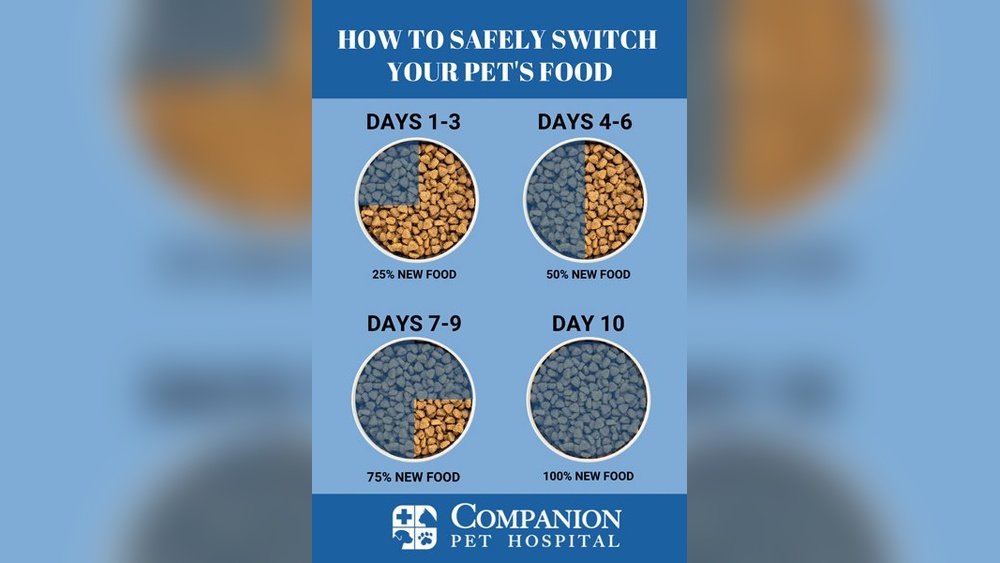
Start by mixing 25% adult food with 75% puppy food. Keep this ratio for three days. Then move to 50% adult and 50% puppy food for three days. Next, use 75% adult and 25% puppy food for three days. Finally, feed only adult food. Watch your dog’s digestion and energy. Adjust slowly to avoid stomach upset.
Expert Feeding Tips
Feeding a 6-month-old dog adult food needs care and knowledge. Experts suggest steps to keep your dog healthy and happy during this change. Follow these simple tips to make the switch smooth and safe.
Choosing The Right Food
Select food made for young adult dogs. Puppy food has extra nutrients for growth. Adult food suits dogs after six months but check labels carefully. Look for high-quality protein and balanced vitamins. Avoid foods with too many fillers or artificial ingredients. Gradually mix new food with old to prevent stomach upset. A slow change helps your dog adjust well.
Monitoring Your Dog’s Health
Watch your dog’s energy, coat, and weight after changing food. Healthy dogs stay active and have shiny fur. Check for any tummy troubles like vomiting or diarrhea. If problems appear, return to puppy food and consult a vet. Keep track of eating habits and bathroom visits. Regular vet visits help catch issues early. Your dog’s health shows if the new food works well.

Credit: www.poochandmutt.co.uk
Alternatives To Adult Food
Choosing the right food for your 6-month-old dog is important. Sometimes, adult dog food may not be the best option. There are other choices that can meet your puppy’s needs. These alternatives can support healthy growth and development. Exploring these options helps ensure your dog stays strong and happy.
Senior Dog Food Considerations
Senior dog food is made for older dogs. It contains fewer calories and more fiber. Feeding senior food to a young dog is not ideal. The nutrients in senior food may not support puppy growth. Always check the ingredients and nutrition labels. Consult your vet before switching to senior dog food.
Homemade Diet Options
Preparing homemade meals lets you control ingredients. You can use lean meats, vegetables, and grains. Homemade diets can be balanced with guidance from a vet. Avoid foods that are toxic to dogs, like onions and chocolate. Homemade food must meet all nutrient needs for growth.
Frequently Asked Questions
When Is The Right Time To Switch To Adult Dog Food?
Most vets recommend switching at 6 to 12 months old. Transition gradually to avoid digestive upset. Monitor your dog’s growth and energy levels for signs.
Can Adult Food Meet A 6-month-old Dog’s Nutritional Needs?
Adult food has fewer calories and nutrients than puppy food. A 6-month-old puppy still needs higher protein and fat for growth. Consult your vet before switching.
What Risks Come With Feeding Adult Food To A Puppy?
Feeding adult food too early can cause nutrient deficiencies. Puppies may grow slower or develop joint problems. Always follow age-specific feeding guidelines for healthy growth.
How To Transition A 6-month-old Dog To Adult Food?
Mix increasing amounts of adult food with puppy food over 7-10 days. Watch for any digestive upset. Slow transitions help your dog adjust smoothly.
Conclusion
Feeding a 6-month-old dog adult food needs care and thought. Puppies grow fast and need special nutrients for strong bones and health. Switching too early can upset digestion and slow growth. Watch your dog’s health and energy for clues. Talk to your vet before changing food.
They can guide you on the right time and type of food. Healthy eating now helps your dog stay happy and active later. Choose food that fits your dog’s age and needs. Your dog will thank you with a wagging tail.