

Are you wondering when your puppy should switch to adult dog food? Knowing the right age to make this change is important for your dog’s health and growth.
Feeding your dog the wrong food at the wrong time can cause problems you want to avoid. You’ll discover the best time to start adult food and how to make the transition smooth and safe for your furry friend. Keep reading to learn what’s best for your dog’s nutrition and well-being.
Puppy Growth Stages
Puppy growth happens in clear stages. Each stage shapes how your dog grows and learns. Knowing these stages helps you choose the right food at the right time. Puppies need special care to grow strong and healthy. Their diets change as they move through these stages. Understanding these changes can guide you on when to switch to adult dog food.
Neonatal And Transitional Periods
The neonatal period lasts from birth to two weeks. Puppies rely fully on their mother’s milk for nutrition. They cannot see or hear yet. The transitional period follows, from two to four weeks. Puppies start opening their eyes and ears. They begin to explore their world slowly. Milk is still the main food, but soft solid food can start.
Socialization Phase
The socialization phase is from four to twelve weeks. Puppies learn to interact with people and other animals. Their diet changes more during this stage. They eat more solid food and less milk. Balanced nutrition helps their brain and body develop well. Proper feeding supports their growing energy needs.
Juvenile Growth
The juvenile growth stage lasts from three months to about one year. Puppies grow quickly and need high-quality food. Their bodies need more protein and nutrients. This stage ends when their growth slows down. After this, it is usually time to switch to adult dog food. Choosing the right moment depends on your dog’s breed and size.
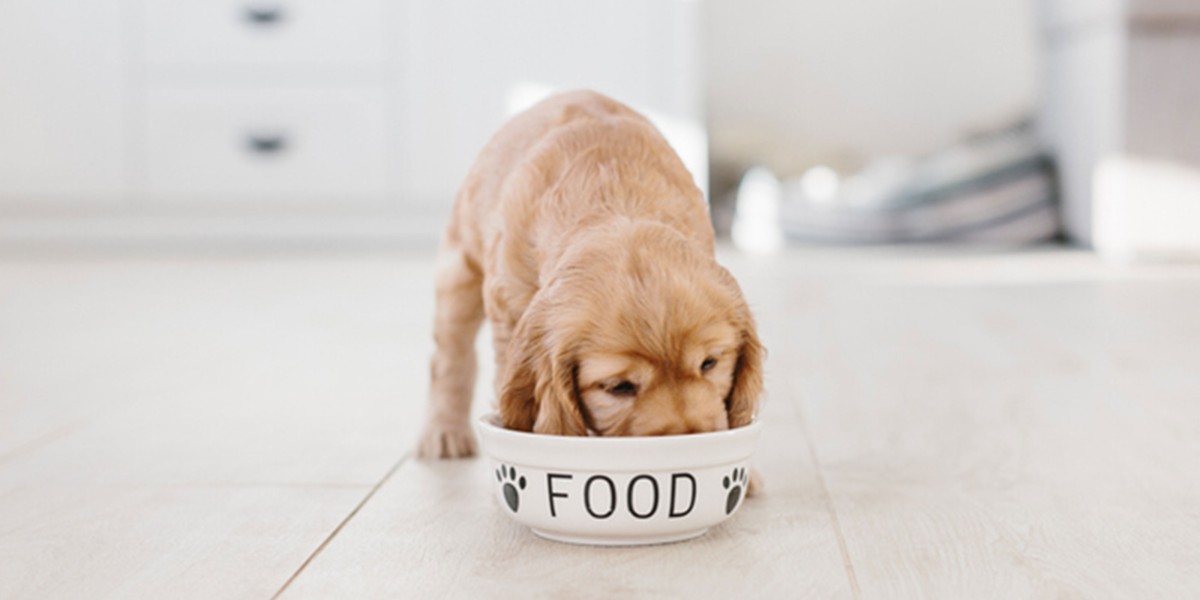
:strip_icc()/Puppy-food-feeding-schedule-2804779-a35fb27f23bd427cbea6ed24236fee22.jpg)
Credit: www.thesprucepets.com
Nutritional Needs By Age
Dogs need different nutrition at different ages. Their bodies grow and change fast in the first year. Feeding the right food helps them stay healthy and strong. Understanding these changes helps you choose the best diet for your dog’s stage of life.
Growing puppies need more energy and nutrients than adult dogs. Adult dogs require balanced nutrition to maintain their health. Knowing these needs helps you decide when to switch to adult dog food.
Puppy Diet Essentials
Puppies need food rich in protein and fat. These nutrients support their fast growth and energy. Puppies also need calcium and phosphorus for strong bones. Feeding them special puppy food ensures they get these nutrients. Small, frequent meals help with digestion and energy levels.
Adult Dog Requirements
Adult dogs need fewer calories than puppies. Their metabolism slows down after growth stops. Adult food has balanced protein and fat to maintain body weight. It also contains nutrients for healthy skin and coat. Proper fiber helps with digestion and bowel health.
Differences In Nutrient Profiles
Puppy food contains more protein and fat than adult food. It also has extra vitamins and minerals for growth. Adult food focuses on maintaining weight and health. It has less fat to prevent obesity. Nutrient levels adjust to meet each life stage’s needs.
Signs To Switch To Adult Food
Knowing when to switch your dog to adult food is important for their health. Puppies grow fast, and their food needs change too. Watch your dog closely for signs that they are ready for adult food. These signs help you choose the right time to make the switch without harming their growth.
Physical Development Indicators
One clear sign is your dog’s physical growth. Puppies start to slow their growth after a few months. Their baby teeth fall out and adult teeth come in. Their body looks stronger and more filled out. If your dog feels less like a puppy and more like an adult, it might be time to change food.
Behavioral Changes
Changes in behavior show your dog is maturing. Puppies often have boundless energy and need more calories. As they grow, their energy levels may even out. They may become calmer and less playful. These changes mean their food should support a steady adult lifestyle, not rapid growth.
Veterinarian Recommendations
Your vet can give the best advice on when to switch food. They check your dog’s health and growth progress. Vets consider breed and size, which affect how fast dogs mature. Follow their guidance to keep your dog healthy and strong.
Breed And Size Considerations
Choosing the right time to switch your dog to adult food depends on their breed and size. Different breeds grow at different rates. Size plays a big role in how long puppies need puppy food. Paying attention to these details helps keep your dog healthy and strong.
Small Breed Timelines
Small breed dogs grow faster than large breeds. Most small breeds reach adult size by 9 to 12 months. You can start feeding adult food around this time. Small breeds need nutrient-rich food to support their quick growth. Switching too early may cause nutrient gaps. Watch your puppy’s weight and energy to guide the change.
Large And Giant Breed Timelines
Large and giant breeds grow slower and longer. They may take 12 to 24 months to fully mature. These breeds need puppy food longer for strong bones and joints. Switching to adult food too soon can cause growth problems. Monitor their growth and consult your vet before changing diet. Patience is key for these bigger dogs.
Tailoring Diet To Breed
Every breed has special needs. Active breeds may need more calories and protein. Less active breeds require fewer calories to avoid weight gain. Some breeds have sensitive stomachs or allergies. Choose adult food that matches your dog’s breed traits. Pay attention to your dog’s health and adjust the diet as needed.
Transitioning Tips
Switching your dog to adult food needs care and patience. A smooth change helps your dog adjust well. It also keeps your dog healthy during the switch. Follow these tips to make the change easy and safe.
Gradual Food Introduction
Start by mixing a small amount of adult food with puppy food. Slowly increase adult food over 7 to 10 days. Watch your dog eat. This slow change helps avoid stomach upset. Never switch all at once. Mixing food helps your dog get used to new taste and texture.
Monitoring Digestive Health
Watch for signs like diarrhea or vomiting during the transition. Check if your dog is still hungry or refusing food. These signs show how your dog handles new food. Contact your vet if problems last more than a few days. Keeping an eye on digestion keeps your dog happy and healthy.
Avoiding Common Mistakes
Do not rush the food switch. Avoid giving treats that confuse your dog. Do not mix adult food with human food. Skipping the gradual step may cause upset stomach. Stick to the plan for best results. Being consistent helps your dog accept adult food easily.
Potential Risks Of Early Or Late Switching
Switching a dog to adult food at the right time is important. Changing too early or too late can cause health problems. Dogs need different nutrients as they grow. Giving them the wrong food can affect their growth and health in many ways.
Growth Problems
Switching to adult food too soon can slow a puppy’s growth. Puppy food has more nutrients to support fast development. Adult food may not have enough nutrients for young dogs. This can make bones weak and muscles less strong. On the other hand, switching too late can cause extra weight gain. The dog may get too many calories, leading to obesity.
Nutritional Deficiencies
Puppies need high protein, fats, and vitamins for healthy growth. Adult food does not always meet these needs. Feeding adult food early can cause a lack of important nutrients. This may result in dull fur, poor energy, or weak immune systems. Late switching can also cause issues. Puppy food has more nutrients than adult food, and too much can upset the balance in older dogs.
Weight Management Issues
Adult dog food has fewer calories than puppy food. Feeding adult food too early may cause weight loss. Puppies might not get enough energy to stay active. Feeding puppy food too long can cause weight gain. Extra calories turn into fat, which can harm the dog’s health. Proper timing helps keep your dog fit and healthy.
Expert Advice And Resources
Getting the right advice about when to switch your dog to adult food is important. Experts have studied dog nutrition and know what works best. Their guidance helps keep your dog healthy and happy.
Finding trusted sources makes this process easier. You can feel confident about the choices you make for your pet. Here are key resources to consider.
Consulting Your Veterinarian
Your vet knows your dog’s health and history. They can suggest the best time to start adult food. Vets check your dog’s growth and energy needs. They adjust advice based on breed and size. Always ask your vet before changing food types.
Reliable Food Brands
Choose dog food from brands with good reputations. These brands test their recipes carefully. They meet nutritional standards set by experts. Look for labels that say “complete and balanced.” This means the food has all needed nutrients. Avoid brands with vague ingredient lists.
Additional Reading And Support
Books and websites about dog care offer useful tips. Many pet groups and forums share real experiences. These platforms provide answers to common questions. Use them to learn about dog nutrition and growth stages. Always check that information is from trusted sources.
Credit: www.purina.com
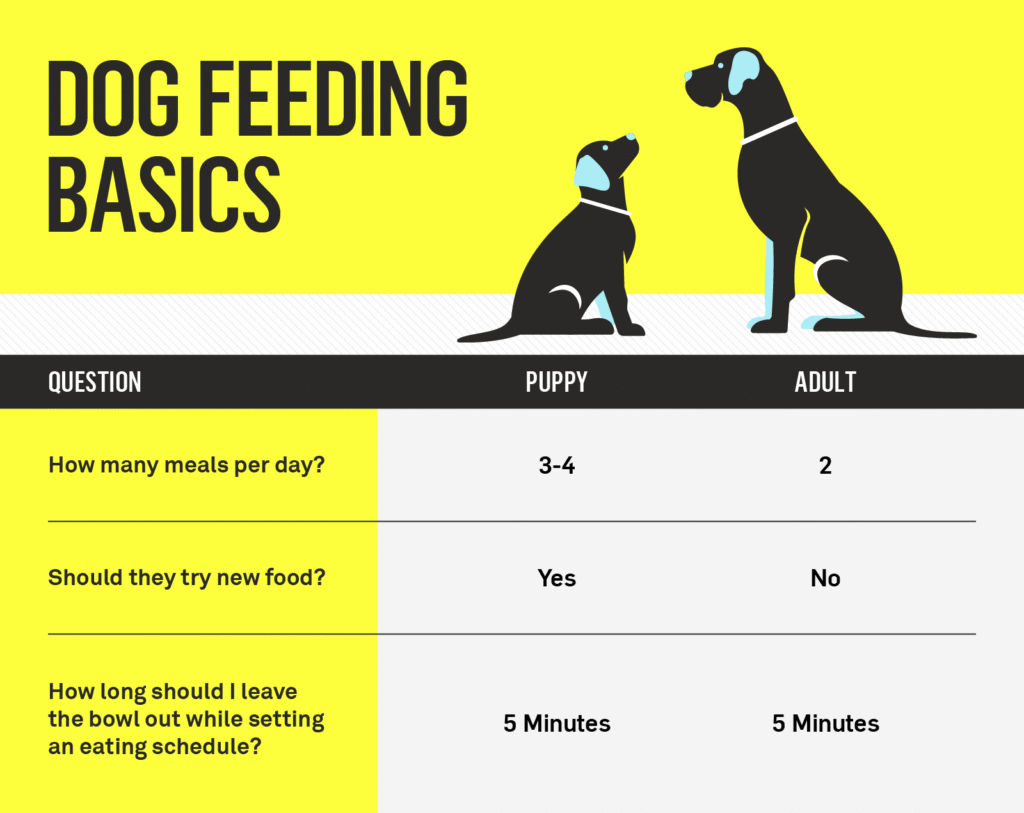
Credit: www.gallant.com
Frequently Asked Questions
When Should Puppies Switch To Adult Dog Food?
Most puppies can transition to adult dog food around 12 months. Large breeds may need more time, up to 18-24 months. Always consult your vet for breed-specific guidance to ensure proper growth and nutrition during this change.
Why Is Timing Important For Switching Dog Food?
Switching at the right age supports healthy growth and development. Adult food contains different nutrient levels than puppy food. Early or late transitions can cause digestive issues or nutritional imbalances, affecting your dog’s overall health.
How To Transition A Dog To Adult Food Safely?
Gradually mix adult food with puppy food over 7-10 days. Increase adult food amount daily while decreasing puppy food. This slow change helps avoid stomach upset and allows your dog to adjust comfortably to new nutrition.
Can All Breeds Switch To Adult Food At The Same Age?
No, breed size impacts the ideal switching age. Small breeds mature faster and switch earlier. Large and giant breeds need more time on puppy food for joint and bone development. Always tailor feeding plans to your dog’s breed.
Conclusion
Dogs usually start adult food around one year old. Small breeds may switch sooner, large breeds later. Watch your dog’s growth and energy for clues. Changing food too early can upset their stomach. Choose high-quality adult dog food for best health.
Always provide fresh water with meals. Consult your vet if unsure about timing. Feeding adult food at the right age helps your dog stay strong. Keep your pet happy and healthy with good nutrition. Simple steps make a big difference in your dog’s life.


