

If you have a Husky or are thinking about getting one, understanding their behavior is key to a happy life together. Huskies are known for their energy, independence, and strong-willed nature.
But why do they act the way they do? What makes them so unique compared to other dogs? You’ll discover the secrets behind Husky dog behavior that can help you connect better with your furry friend. Keep reading to unlock tips that will make your relationship smoother and more joyful.
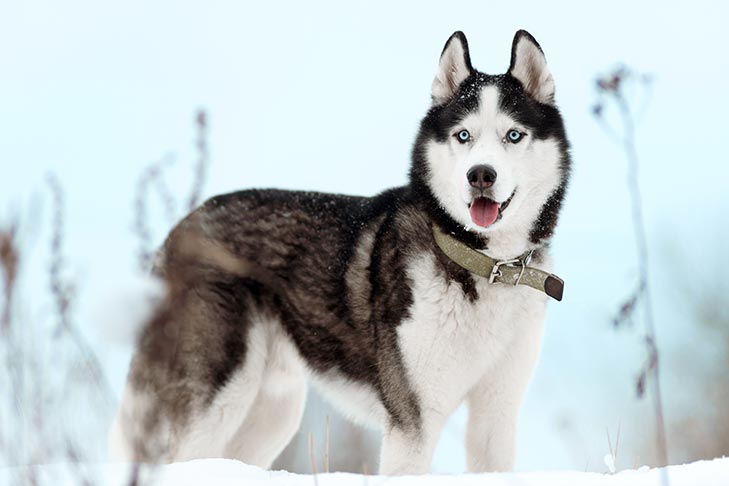
Credit: www.akc.org
Husky Temperament Traits
Husky dogs have a unique temperament that makes them stand out. They are lively, friendly, and strong-willed. Understanding their temperament helps owners provide the best care. Knowing their behavior traits also improves the bond between the dog and family.
Energy Levels And Playfulness
Huskies have very high energy levels. They love to run, jump, and play all day. These dogs need lots of exercise to stay happy and healthy. Without activity, they may become bored and restless. Playtime is essential for their mental and physical health.
Social Nature With People And Pets
Huskies are friendly with people of all ages. They enjoy being around family and strangers alike. These dogs usually get along well with other pets. Their social nature makes them great companions. They do not like being left alone for long periods.
Common Behavioral Patterns
Huskies are known for being stubborn and independent. They can be hard to train without patience. These dogs often howl instead of bark. They love to explore and may try to escape. Consistent training helps manage their behaviors well.
Training Tips For Huskies
Training a Husky can be both fun and challenging. Huskies are smart and independent dogs. They need clear guidance and consistent training. Starting early helps build good habits. Training should focus on respect and trust. Use methods that keep your dog interested and happy.
Establishing Leadership
Huskies need to see you as a leader. Be firm but kind. Set clear rules and stick to them. Avoid harsh punishments. Show calm confidence in every interaction. This helps your Husky feel secure and listen better.
Positive Reinforcement Techniques
Reward good behavior with treats or praise. This encourages your Husky to repeat actions. Use short training sessions to keep attention. Give rewards right after the behavior. This makes learning faster and more enjoyable.
Addressing Stubbornness
Huskies can be stubborn and strong-willed. Stay patient and consistent with commands. Change your approach if your dog resists. Use fun games to motivate obedience. Avoid force; it only causes stress and confusion.
Exercise Needs
Husky dogs need a lot of exercise to stay healthy and happy. They have strong energy and love to move. Without enough activity, huskies may become bored or restless. Exercise helps keep their minds sharp and bodies fit.
Regular physical activity also reduces bad behaviors like chewing or digging. Meeting their exercise needs takes time but brings great rewards. It builds a strong bond between you and your husky.
Daily Activity Requirements
Huskies need at least one to two hours of exercise every day. This can include walks, runs, or playing fetch. They enjoy long walks in nature more than short walks around the block. Exercise helps burn their high energy and keeps them calm at home.
Try to split exercise into two sessions: morning and evening. This routine fits their natural energy cycle well. Avoid very hot weather since huskies have thick fur that makes them overheat easily.
Mental Stimulation Ideas
Exercise is not only physical. Huskies need mental challenges too. Puzzle toys that hide treats work great. They enjoy learning new tricks or commands. Training sessions keep their brains busy and prevent boredom.
Hide and seek games also stimulate their minds. Rotate toys regularly to keep interest high. Mental exercise helps huskies stay focused and less destructive indoors.
Safe Outdoor Adventures
Outdoor time is perfect for huskies. They love exploring forests, trails, and open fields. Always use a leash or a secure fenced area. Huskies have a strong prey drive and may run off chasing small animals.
Check the area for hazards like sharp objects or poisonous plants. Bring water to keep your dog hydrated. Outdoor adventures give huskies fresh air and new scents to enjoy.
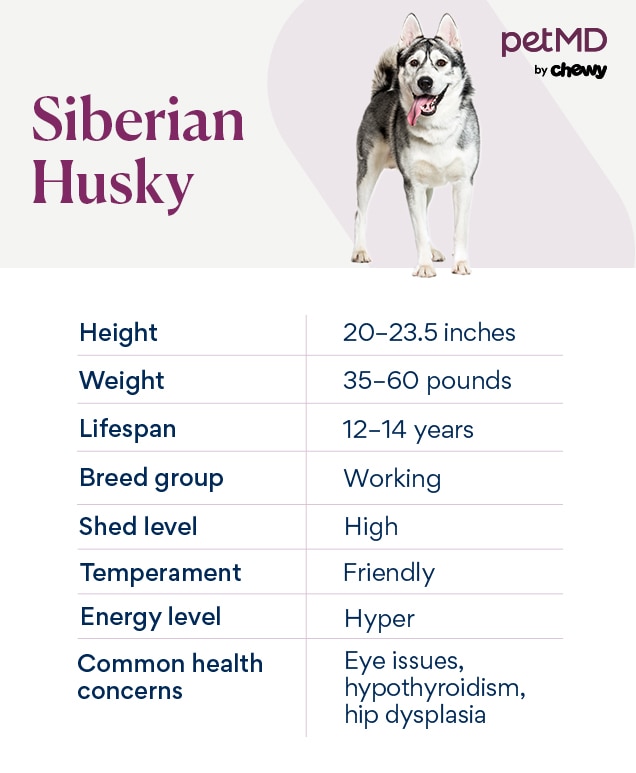
Credit: www.petmd.com
Managing Common Challenges
Husky dogs are known for their strong personalities and high energy. Managing their common challenges helps keep them happy and safe. Understanding these behaviors makes life easier for both you and your Husky.
Dealing With Escape Artists
Huskies are famous for escaping from yards and homes. They are smart and fast, always looking for a way out. Secure fences and gates tightly. Check for weak spots regularly. Provide plenty of exercise to reduce their urge to escape. Mental stimulation helps keep their minds busy and less interested in running away.
Handling Vocal Tendencies
Huskies often howl, whine, or bark loudly. This is their way of communicating. Teach them quiet commands and reward silence. Avoid yelling, as it can make noise worse. Regular exercise reduces boredom, which lowers excessive vocalizing. Provide toys and activities to keep them occupied and calm.
Preventing Destructive Behavior
Huskies can chew and dig when bored or anxious. Offer chew toys and safe outlets for energy. Keep personal items out of reach. Create a comfortable space for your Husky to relax. Training and routine help reduce destructive habits. Consistency in rules and attention prevents unwanted behavior.
Creating A Happy Environment
Creating a happy environment is key to raising a well-behaved Husky. This breed needs more than just food and exercise. They thrive in spaces where they feel safe and loved. Careful attention to their living conditions, diet, and emotional needs helps them stay balanced and joyful.
Comfortable Living Space
Huskies enjoy having their own cozy spot. Provide a soft bed in a quiet corner. The area should be free from drafts and loud noises. Huskies are active dogs but also need calm time. Make sure they have enough room to move and stretch. A secure yard is ideal for safe outdoor play.
Balanced Diet And Health Care
Good food supports a Husky’s energy and coat health. Choose high-quality dog food with the right nutrients. Avoid giving them too many treats or human food. Regular vet visits keep Huskies healthy and catch problems early. Vaccinations and parasite control are also essential parts of care.
Building Strong Bonds
Huskies form strong ties with their owners. Spend quality time playing and training daily. Use positive words and gentle touches to build trust. Consistent routines help Huskies feel secure and loved. This bond reduces anxiety and improves behavior.
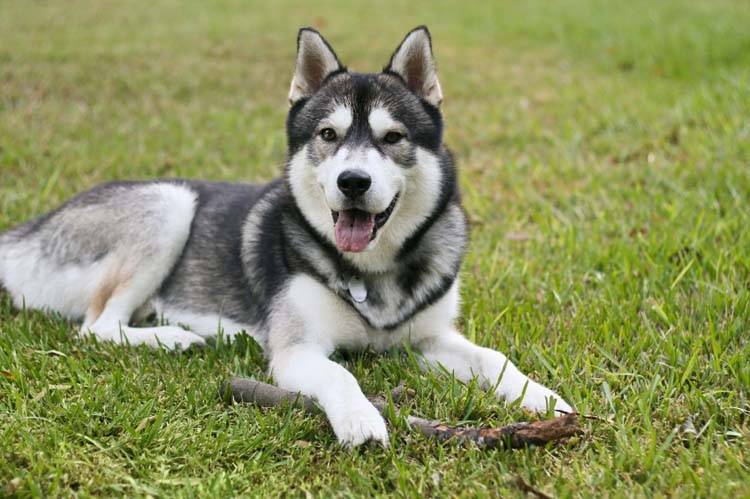
Credit: www.animalbehaviorcollege.com
Frequently Asked Questions
What Are Common Traits Of Husky Dog Behavior?
Huskies are energetic, intelligent, and independent dogs. They are social, friendly, and love to be active. Huskies often display stubbornness and strong prey drive. Proper training and socialization are essential for balanced behavior.
Why Do Huskies Howl Instead Of Barking?
Huskies howl to communicate, express emotions, and locate pack members. This behavior is inherited from their wolf ancestors. Howling helps them bond and alert others to their presence. It’s a natural and instinctive Husky trait.
How Do Huskies Behave Around Children?
Huskies are generally gentle and playful with children. They enjoy active play but need supervision due to their high energy. Early socialization helps ensure positive interactions. Huskies thrive in families who match their activity level.
Are Huskies Easy To Train And Socialize?
Huskies are intelligent but can be stubborn during training. Consistent, positive reinforcement methods work best. Early socialization is important to prevent behavioral issues. Patience and firmness help Huskies learn commands and adapt well.
Conclusion
Husky dogs are full of energy and need lots of exercise. They love to play and explore outdoors. Huskies are smart but can be stubborn sometimes. They need patient training and clear rules. Socializing them early helps with good behavior.
Understanding their nature makes living with them easier. Enjoy the fun and challenges a husky brings. Care and attention build a strong bond. A happy husky means a happy home.


