

Bringing a bulldog puppy into your home is exciting, but training them can feel overwhelming. You want your new furry friend to grow up well-behaved and happy, but where do you start?
This guide gives you simple, effective bulldog puppy training tips that anyone can follow. By learning the right techniques now, you’ll save time, avoid frustration, and build a strong bond with your puppy. Keep reading to discover how you can turn your playful bulldog puppy into a well-mannered companion you’ll love.
Preparing For Your Bulldog Puppy
Welcoming a bulldog puppy into your home is exciting. Proper preparation helps your puppy feel safe and loved. It also makes training easier. Start by gathering the right supplies. Then create a safe, comfortable space for your new friend. This approach builds a strong foundation for your puppy’s growth and happiness.
Choosing The Right Supplies
Bulldog puppies need specific supplies to thrive. Choose a sturdy collar and leash for walks. Pick soft, washable bedding that fits their size. Use food and water bowls that are easy to clean. Invest in toys that are safe and durable. Also, get grooming tools suitable for their short coat. These items keep your puppy healthy and happy every day.
Setting Up A Safe Space
Create a quiet area where your puppy can rest. Use a crate or a small pen to define this space. Make sure the area is free from hazards like wires or sharp objects. Add soft bedding and a few toys for comfort. This safe space helps your puppy feel secure and calm. It also supports good habits like crate training and sleeping through the night.
Basic Obedience Commands
Training your bulldog puppy with basic obedience commands builds a strong bond. These commands help your puppy understand what you expect. Early training creates good habits that last a lifetime. Simple commands keep your puppy safe and well-behaved.
Teaching Sit And Stay
Start with the “Sit” command. Hold a treat close to your puppy’s nose. Move the treat slowly above their head. Their bottom will naturally lower to the ground. Say “Sit” clearly and give the treat. Praise your puppy with a happy voice. Practice this several times a day in short sessions.
Next, teach the “Stay” command. Ask your puppy to sit first. Show your open palm and say “Stay.” Take a small step back. If your puppy stays, give a treat and praise. Increase distance slowly. Always reward calm and steady behavior. Keep training short and positive.
Introducing Come And Heel
For “Come,” use a cheerful tone. Say your puppy’s name followed by “Come.” Bend down or clap your hands to attract attention. Reward your puppy when they come to you quickly. Repeat this in different places for better response.
Teaching “Heel” means walking close by your side. Use a leash and start walking slowly. Say “Heel” and keep treats ready. When your puppy stays beside you, give a treat. Stop walking if they pull ahead. This helps your puppy learn to stay near you. Practice often in quiet areas.
House Training Techniques
House training your bulldog puppy is a key step in helping them grow into a well-behaved dog. It teaches them where and when to go to the bathroom. Consistency and patience are very important. Using clear techniques can make the process faster and less stressful for both of you.
Establishing A Routine
Set specific times for taking your puppy outside. Puppies feel more comfortable with a regular schedule. Take your bulldog out first thing in the morning, after meals, and before bedtime. Use the same door each time to avoid confusion. Praise your puppy immediately when they go outside. This helps them connect the action with a reward. Keep the outings short but frequent. This builds good habits quickly.
Managing Accidents
Accidents will happen during house training. Stay calm and avoid punishment. Clean the area thoroughly to remove smells. This stops your puppy from using the same spot again. Watch your bulldog closely for signs they need to go out. These include sniffing or circling. Take them outside right away if you see these signs. Be patient and consistent to reduce accidents over time.

Credit: vincecincy.com
Socializing Your Puppy
Socializing your Bulldog puppy is key to raising a happy and confident dog. Early social experiences shape how your puppy reacts to people, animals, and new places. Start socializing as soon as your puppy has had its first vaccinations. This helps prevent fear and aggression later in life.
Proper socialization makes your Bulldog puppy more adaptable and friendly. It also reduces anxiety and stress in unfamiliar situations. Spend time exposing your puppy to different sights, sounds, and smells. Keep all experiences positive and calm to build trust.
Meeting New People And Pets
Introduce your Bulldog puppy to many people of all ages. Children, adults, and seniors help your puppy learn to be comfortable around everyone. Let your puppy sniff and explore at its own pace. Never force interaction.
Meeting other pets is important too. Arrange playdates with vaccinated, gentle dogs. Watch their body language to avoid stress. Slow introductions help build good relationships. This teaches your puppy to be polite and friendly with other animals.
Handling Different Environments
Expose your Bulldog puppy to various environments early. Parks, busy streets, quiet homes, and car rides all help your puppy adjust. Different surfaces like grass, pavement, and tile are good to explore.
Keep experiences short and positive. Use treats and praise to create a happy association. Avoid loud or crowded places until your puppy feels confident. This helps your puppy stay calm in new situations.
Addressing Common Behavior Issues
Bulldog puppies bring joy and energy to your home. Yet, some behaviors can challenge new owners. Addressing these common behavior issues early helps build a strong bond. It also creates a calm, happy environment for your puppy and family. Let’s explore ways to handle chewing, biting, and separation anxiety effectively.
Dealing With Chewing And Biting
Puppies explore the world by chewing and biting. Bulldogs have strong jaws, so this can become a problem quickly. Provide plenty of chew toys to redirect their attention. Replace your hands or furniture with toys whenever your puppy bites.
Teach gentle play by stopping interaction when biting is hard. Praise your puppy for soft mouth touches. Consistent training helps them learn the right behavior faster.
Reducing Separation Anxiety
Bulldogs can become anxious when left alone. Signs include whining, barking, or destructive behavior. Start by leaving your puppy alone for short times only. Gradually increase the duration to build confidence.
Give a special toy or treat during your absence. This creates a positive feeling about being alone. Keep arrivals and departures calm and quiet to avoid stress.

Credit: www.youtube.com
Positive Reinforcement Methods
Positive reinforcement is a gentle and effective way to train your bulldog puppy. It encourages good behavior by rewarding your puppy immediately. This method builds trust and helps your puppy learn faster. Your puppy will want to repeat the behaviors that earn praise or treats. Consistency is key to seeing results. Keep training sessions short and fun to hold your puppy’s attention.
Using Treats Effectively
Treats are powerful tools in positive reinforcement. Choose small, soft treats that your puppy loves. Give treats right after your puppy does the right thing. This helps your puppy connect the treat with the good behavior. Avoid giving too many treats to keep your puppy healthy. Use treats to teach basic commands like sit, stay, and come. Gradually reduce treats as your puppy learns well.
Incorporating Praise And Play
Praise your puppy with a happy voice and gentle petting. Your puppy will feel loved and motivated to obey. Play is another great reward. Use your puppy’s favorite toy during training breaks. This makes learning fun and strengthens your bond. Mixing praise and play keeps your puppy excited to learn. Celebrate every small success to build confidence and joy.
Exercise And Mental Stimulation
Exercise and mental stimulation are vital for a happy bulldog puppy. These activities keep your puppy healthy and calm. Without enough exercise, bulldogs can become restless or develop bad habits. Mental challenges help their brains grow strong and sharp.
Daily Walks And Playtime
Daily walks give bulldog puppies fresh air and new sights. Short, gentle walks suit their body type best. Playtime lets puppies use their energy in fun ways. Tossing a ball or playing tug builds a strong bond. Regular activity helps prevent weight gain and joint problems.
Interactive Toys And Puzzles
Interactive toys keep bulldog puppies busy and thinking. Puzzle toys hide treats, encouraging problem-solving skills. These toys reduce boredom and stop chewing on wrong things. Choose toys that fit your puppy’s size and strength. Rotate toys to maintain interest and challenge.
Health And Wellness Tips
Taking care of your bulldog puppy’s health is very important. Good health helps your puppy grow strong and happy. You need to keep an eye on their body and habits. Healthy puppies are playful and full of energy. These health tips will guide you to keep your bulldog puppy well.
Simple daily care routines make a big difference. Regular visits to the vet and a good diet keep your puppy safe from illnesses. Grooming also helps prevent skin problems common in bulldogs. Keep your puppy clean and comfortable for best results.
Regular Vet Checkups
Visit the vet often to check your puppy’s health. Early visits catch health problems early. Vaccines protect against many serious diseases. Your vet can give advice on how to care for your bulldog. Regular checkups help track growth and spot any issues fast.
Proper Diet And Grooming
Feed your bulldog puppy healthy food made for puppies. Choose food with good proteins and fats. Avoid giving too many treats or human food. Clean your puppy’s wrinkles daily to stop infections. Brush their coat weekly to remove loose hair. Bath your puppy only when needed to keep skin healthy.
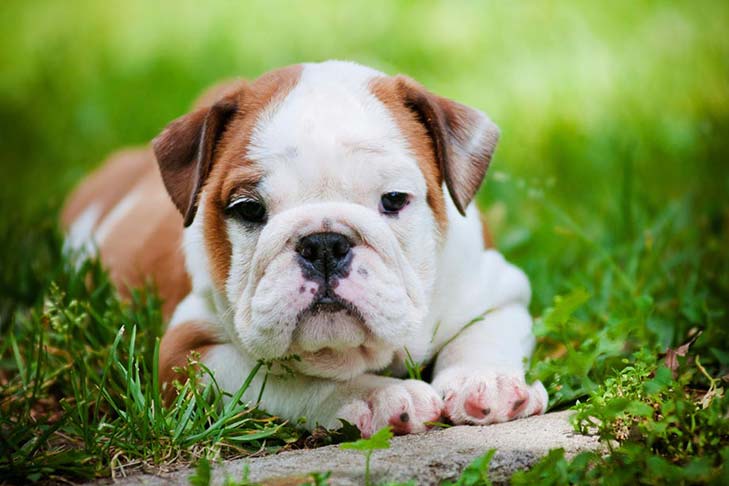
Credit: www.akc.org
Frequently Asked Questions
How Do I Start Training A Bulldog Puppy?
Begin with basic commands like sit and stay. Use positive reinforcement and short training sessions. Consistency and patience are key.
What Is The Best Age To Train A Bulldog Puppy?
Start training between 8 to 12 weeks old. Early training helps build good habits and social skills.
How Can I Potty Train My Bulldog Puppy Effectively?
Use a regular schedule and take your puppy outside frequently. Praise them immediately after they go potty outdoors.
What Commands Are Essential For Bulldog Puppy Training?
Focus on sit, stay, come, and leave it. These commands ensure safety and good behavior.
Conclusion
Training your bulldog puppy takes time and patience. Stay calm and consistent every day. Reward good behavior with treats and praise. Avoid harsh words or punishment. Small steps lead to big progress. Enjoy the bond you build together. Remember, your puppy learns best with love.
Keep training sessions short and fun. Soon, your bulldog will be well-behaved and happy. Trust the process and celebrate each success.


