

Potty training your puppy can feel overwhelming, but it doesn’t have to be. You want your furry friend to learn fast, so accidents stop happening and your home stays clean.
Imagine having a puppy who knows exactly where to go, making your life easier and your bond stronger. You’ll discover simple, proven tips that make potty training clear and stress-free. Keep reading to unlock the secrets that will help you and your puppy succeed together.
Credit: www.comcap-pe.com.br
Choosing The Right Spot
Choosing the right spot for potty training is a key step for your puppy’s success. This spot will become your puppy’s regular bathroom area. Pick a place that is easy for your puppy to reach. The spot should be safe and quiet. This helps your puppy feel comfortable and learn faster.
Indoor Vs Outdoor Options
Decide if your puppy will potty inside or outside. Indoor options include pee pads or puppy toilets. These work well in small homes or apartments. Outdoor options use a yard or garden space. Outdoor training helps puppies get used to nature. Choose the option that fits your living space and lifestyle.
Consistency And Location Importance
Always take your puppy to the same spot. Consistency helps your puppy understand where to go. Using the same place creates a strong habit. Avoid changing spots often to prevent confusion. Praise your puppy when they use the spot correctly. This builds good potty habits quickly.
Setting A Schedule
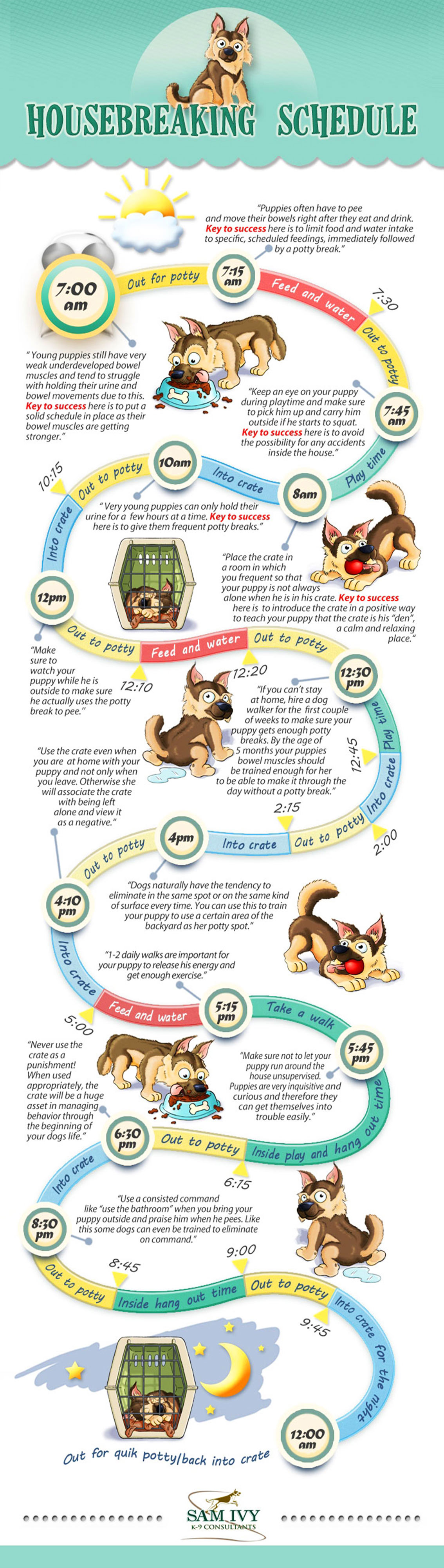
Setting a schedule is key to successful potty training for puppies. Puppies thrive on routine. A clear plan helps them learn faster. It reduces accidents and builds good habits. Consistency makes your puppy feel secure and understood.
Stick to set times for feeding and potty breaks. Watch your puppy’s natural needs and adjust as needed. This approach helps your puppy know what to expect every day.
Feeding Times And Potty Breaks
Feed your puppy at the same times daily. Regular feeding creates predictable bathroom needs. Usually, puppies need a potty break shortly after eating. Plan a break 10 to 15 minutes after meals. This timing helps your puppy associate eating with going outside.
Offer water at regular times but remove it an hour before bedtime. This reduces nighttime accidents. Take your puppy outside often, especially after naps and play. Frequent potty breaks teach your puppy to hold it and wait.
Recognizing Puppy’s Natural Rhythm
Each puppy has a unique bathroom schedule. Observe your puppy’s signals and habits carefully. Note when your puppy usually needs to go out. Watch for sniffing, circling, or restlessness. These signs mean your puppy needs a potty break.
Adjust your schedule to fit your puppy’s natural pattern. Early morning, after meals, and before bedtime are common times. Knowing your puppy’s rhythm reduces accidents and stress. Consistent timing helps your puppy feel comfortable and confident.
Positive Reinforcement
Positive reinforcement is a key method for successful puppy potty training. It helps puppies learn what behavior is good. This approach builds trust and encourages puppies to repeat the right actions. Positive reinforcement focuses on rewarding good behavior rather than punishing mistakes. This makes training a happy experience for both you and your puppy.
Using Treats And Praise
Treats are powerful motivators for puppies. Give a small, tasty treat immediately after your puppy goes potty outside. This helps your puppy connect the action with a reward. Along with treats, use kind words and gentle petting. Praise your puppy with a happy voice to show approval. These actions boost your puppy’s confidence and make potty training easier.
Avoiding Punishment
Punishing a puppy for accidents can cause fear and confusion. Puppies do not understand punishment well. It can harm your bond and slow down learning. Instead, focus on guiding your puppy to the right place. Clean accidents calmly and keep training sessions positive. Patience and kindness lead to better potty habits and a happy puppy.

Credit: bigstateplumbing.com
Crate Training Benefits
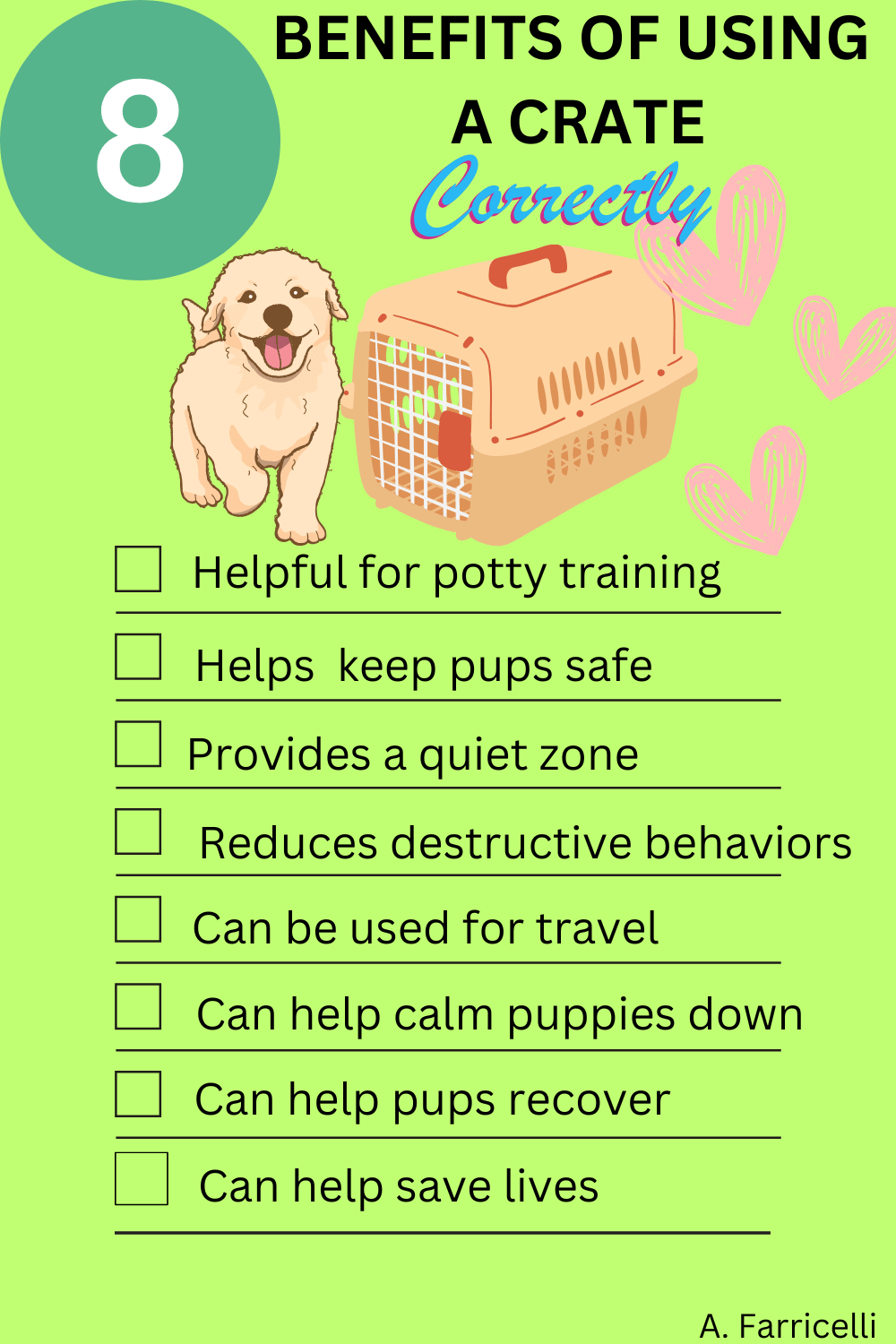
Crate training offers many benefits during puppy potty training. It helps puppies learn good habits and feel secure. The crate acts as a personal space, guiding puppies to control their bladder and avoid accidents. Using a crate properly supports faster potty training and keeps your home clean.
Safe Space For Puppies
The crate becomes a cozy, quiet area for puppies. It gives them a place to rest and feel safe. Puppies avoid soiling their sleeping space, which teaches cleanliness. This safe zone reduces stress and helps puppies relax. A calm puppy learns faster and behaves better.
Encouraging Bladder Control
Crate training teaches puppies to hold their bladder. Puppies do not want to wet their small space. This natural instinct helps them learn to wait for potty breaks. Regular crate time builds bladder muscles and control. Controlled potty habits develop quickly with consistent crate use.
Spotting Signs And Signals
Spotting signs and signals is key to potty training puppies. Puppies cannot tell you when they need to go. You must watch their behavior closely. Recognizing these signs helps prevent accidents inside the house. It also builds a strong routine for your puppy’s potty breaks. Pay attention to what your puppy does before needing to go.
Common Puppy Behaviors
Puppies often sniff the ground when they need to potty. They may circle or pace around. Whining or barking can also signal they want to go out. Some puppies scratch at the door. Others suddenly stop playing and look restless. These behaviors show they cannot hold it much longer. Knowing these signs helps you act fast. Acting quickly avoids accidents and teaches good habits.
Timing Potty Opportunities
Take your puppy outside right after waking up. Also, go outside after meals or playtime. Puppies usually need to go every one to two hours. Watch for those common signs between these times. Set a timer if needed. Regular trips outside train your puppy’s bladder and bowels. Consistent timing makes potty training easier and faster. Always praise your puppy after they go outside.
Handling Accidents
Accidents happen during puppy potty training. It is normal and part of learning. How you handle these accidents can affect your puppy’s progress. Clean up quickly and calmly to keep training on track.
Cleaning Tips To Prevent Repeat
Use an enzyme cleaner to remove all smells. Regular cleaners do not remove odors fully. If your puppy smells urine, they may go there again. Clean the spot well to stop repeats.
Blot accidents with paper towels first. Avoid rubbing, which spreads the mess. After blotting, spray the enzyme cleaner. Let it sit for the time on the label. This ensures the smell is gone.
Staying Patient And Calm
Keep calm when you find an accident. Do not yell or punish your puppy. They do not understand punishment. Punishing can cause fear and slow training.
Use a gentle voice and guide your puppy outside. Praise them when they go in the right place. Patience helps your puppy learn faster. Remember, accidents are part of the process.
Tools And Products
Puppy potty training needs the right tools and products. These items make the process easier and faster. They help keep your home clean and guide your puppy to learn good habits. Choosing the right supplies supports your training efforts and reduces frustration.
Best Cleaning Supplies
Cleaning accidents quickly is very important. Use enzyme-based cleaners to remove stains and smells. These cleaners stop your puppy from returning to the same spot. Avoid ammonia cleaners because they smell like urine to dogs.
Paper towels and disposable wipes help clean messes fast. Keep a spray bottle with cleaner handy for quick use. A good mop works well for larger accidents on floors. Clean areas thoroughly to prevent repeat mistakes.
Helpful Training Aids
Training pads are useful for indoor potty training. They absorb urine and protect floors. Place pads where your puppy often goes. Move pads gradually toward the door as your puppy improves.
A clicker can mark good potty behavior clearly. Use treats right after your puppy goes outside. A leash helps keep your puppy near during outdoor training. Consistent use of these aids builds good habits faster.
Credit: bigstateplumbing.com
Adjusting Techniques For Different Breeds
Potty training puppies needs changes depending on the breed. Different breeds have unique needs and behaviors. Adjusting training methods helps puppies learn faster and with less stress.
Small puppies have different physical limits than large puppies. Temperament also affects how they respond to training. Understanding these differences improves success in potty training.
Small Vs Large Puppies
Small puppies have tiny bladders. They need more frequent bathroom breaks. Training sessions should be shorter and more often. Small breeds can be sensitive to harsh tones. Gentle encouragement works better for them.
Large puppies hold their bladder longer. They can wait for longer bathroom breaks. Training sessions can last a bit longer too. Large breeds may need more space to move. Outdoor potty areas should suit their size.
Temperament Considerations
Some puppies are shy and cautious. They might hide when unsure about potty spots. Calm and patient training helps them relax. Others are energetic and curious. They need more play and reward during training.
Stubborn puppies need firm but kind guidance. Consistency is key to teach them right habits. Gentle praise boosts confidence for shy dogs. Tailor your approach to your puppy’s personality.
Frequently Asked Questions
How Long Does Puppy Potty Training Usually Take?
Puppy potty training typically takes 4 to 6 months. Consistency and patience speed up the process. Young puppies have limited bladder control, so frequent breaks are essential.
What Are The Best Potty Training Tips For Puppies?
Use a consistent schedule, praise your puppy, and take them outside often. Crate training helps control accidents. Clean accidents thoroughly to avoid repeat behavior.
When Should I Start Potty Training My Puppy?
Begin potty training as soon as you bring your puppy home. Early training sets a strong foundation. Puppies learn faster when training starts between 8 to 12 weeks old.
How Can I Prevent My Puppy From Having Accidents Indoors?
Supervise your puppy closely and use crate training. Take them outside regularly, especially after meals and naps. Reward outdoor potty behavior immediately to reinforce good habits.
Conclusion
Potty training a puppy takes time and patience. Consistency helps your puppy learn faster. Praise your puppy when they do well. Keep a regular schedule for bathroom breaks. Accidents happen, so stay calm and try again. Small steps lead to big progress.
Enjoy this special time with your new friend. Soon, your puppy will know the right place. Trust the process and keep trying every day. Success is closer than it seems.


