

Are you wondering if neutering your dog will change how they act? It’s a common question for many dog owners.
You want the best for your furry friend, and understanding what to expect after neutering can help you prepare. This article will clear up the confusion and give you the facts you need. Keep reading to find out how neutering might affect your dog’s behavior and what it means for your daily life together.

Credit: www.reddit.com
Behavior Changes After Neutering
Neutering a dog can lead to changes in behavior. These changes happen because of hormonal shifts after surgery. Owners often notice differences in how their dogs act. Understanding these changes helps set clear expectations.
Not all dogs react the same. Some show positive changes, while others might have minor issues. Timing and individual traits also affect behavior after neutering.
Common Positive Effects
Neutering often reduces aggressive behavior. Dogs tend to become calmer and less restless. The urge to roam decreases, so they stay closer to home. Marking territory with urine usually stops or lessens. These changes help improve a dog’s focus and training success.
Potential Negative Reactions
Some dogs may gain weight after neutering. Their energy levels can drop, causing less activity. A few dogs become shy or anxious. Rarely, some show increased fear or nervousness. Watching your dog closely helps catch any unusual changes.
Behavioral Changes Timeline
Behavior changes do not appear instantly. Most dogs start to change within a few weeks. Full effects usually show after two to three months. Patience is key during this period. Keep giving your dog love and training support.
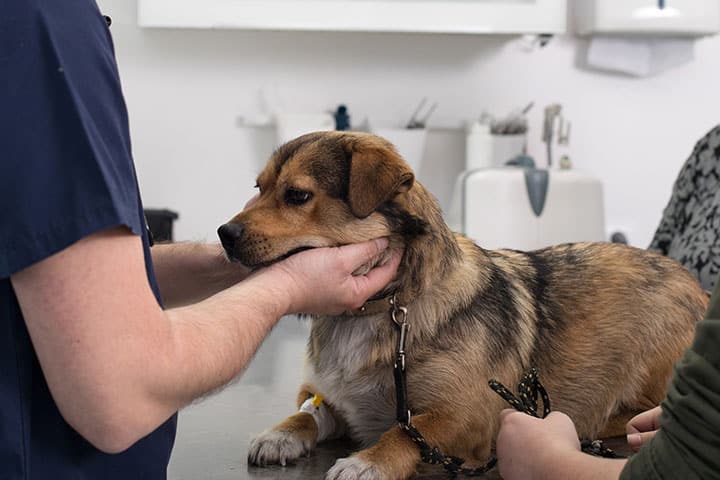
Credit: blissanimalhospital.com
Hormones And Dog Behavior
Hormones play a big role in how dogs behave. These chemicals affect energy, mood, and actions. Neutering changes hormone levels. This can lead to changes in behavior. Understanding hormones helps explain why some behaviors shift after neutering.
Role Of Testosterone
Testosterone is the main male hormone. It controls many behaviors in male dogs. This hormone makes dogs more active and confident. It also drives sexual behaviors. Neutering lowers testosterone levels. This can reduce some strong behaviors linked to this hormone.
Impact On Aggression
Testosterone can increase aggressive actions. These include biting, growling, and fighting. Neutered dogs often show less aggression. Lower testosterone means less urge to fight or protect territory. But aggression also depends on training and socialization. Hormones are only part of the story.
Influence On Marking And Roaming
Male dogs mark territory by urinating. Testosterone makes them mark more often. It also pushes dogs to roam and search for mates. Neutering cuts testosterone levels. This usually lowers marking and roaming behavior. Dogs become more settled and less driven to wander far.
Neutering And Training
Neutering a dog can affect training in different ways. It changes some behaviors that impact how dogs learn and respond. Understanding these changes helps trainers and owners guide their dogs better.
Improved Focus And Obedience
Neutered dogs often show better focus during training sessions. The drop in certain hormones reduces distractions. Dogs may pay more attention to commands and tasks. This can lead to faster learning and more reliable obedience. Training becomes smoother without some common behavioral hurdles.
Challenges To Watch For
Neutering does not fix all training issues. Some dogs may become less active or lose motivation. This might make training feel slower or harder. Also, mood swings or irritability can appear after surgery. Patience is key to help dogs adjust. Trainers should adapt methods to each dog’s new needs.

Credit: www.santacruzpet.com
Age And Timing Considerations
Age and timing are key when neutering a dog. They affect behavior changes and health. Choosing the right time helps your dog adapt well. It also supports better long-term health and behavior.
Best Age For Neutering
Most vets suggest neutering dogs between 6 and 9 months old. This age allows the dog to grow but before full sexual maturity. Neutering at this time can reduce aggressive and territorial behaviors. It also lowers the risk of some health problems.
Smaller breeds may be neutered earlier. Larger breeds might benefit from waiting longer. Each dog is different, so talk to your vet for advice.
Effects Of Early Vs. Late Neutering
Early neutering means surgery before 6 months of age. It can reduce unwanted behaviors like marking and roaming. Early neutering also lowers the chance of some cancers.
Late neutering happens after one year or after full maturity. It may not stop certain behaviors fully. Some dogs remain more aggressive or dominant. Late neutering can increase the risk of joint problems in big breeds.
Choosing the right timing balances behavior benefits and health risks. Your vet can help decide the best plan for your dog.
Health Benefits Linked To Neutering
Neutering a dog does more than change behavior. It offers important health benefits. These benefits help dogs live happier and healthier lives. Understanding these benefits can help dog owners make smart choices.
Reducing Risk Of Diseases
Neutering lowers the chance of many serious diseases. It stops testicular cancer in male dogs completely. For female dogs, spaying greatly reduces the risk of breast cancer. It also prevents uterine infections, which can be deadly. Neutering helps keep your dog safe from these health problems.
Longevity And Quality Of Life
Neutered dogs often live longer than unneutered ones. They face fewer health risks and infections. This means less time at the vet and more time playing. A longer life with fewer illnesses improves overall happiness. Neutering supports your dog’s well-being through their years.
Common Myths And Misconceptions
Many people have ideas about how neutering a dog changes behavior. Some believe it can solve all problems. Others think it causes new issues. These ideas are often not true. Knowing the facts helps dog owners make better choices. Clearing up wrong ideas can improve the dog’s life and health.
Behavioral Myths Debunked
Neutering does not make a dog lazy or sad. It does not stop all bad behavior. Some think neutered dogs lose their personality. This is false. Neutering can reduce aggression and roaming in some dogs. It may lower marking and mounting behavior. But it does not fix fear or anxiety. Training and care still matter most.
Clarifying Health Concerns
Some worry neutering harms a dog’s health. Many believe it causes weight gain or illness. Neutering itself does not cause obesity. Overfeeding and lack of exercise do. Some fear changes in coat or energy. These changes are rare and vary by breed. Neutering can prevent diseases like testicular cancer. It also lowers risk of prostate problems. Talking to a vet clears up these health questions.
Tips For Managing Post-neutering Behavior
Managing your dog’s behavior after neutering is important. Changes in hormones can affect how your dog acts. Careful attention and simple steps help your dog adjust well. This section offers practical tips to support your dog’s behavior after neutering.
Monitoring Changes
Watch your dog closely after the surgery. Note any differences in mood or energy. Some dogs may become calmer, while others might feel restless. Keep track of eating, sleeping, and bathroom habits. Early detection of unusual behavior helps prevent problems.
Training Adjustments
Adjust your training methods to suit your dog’s new state. Use gentle commands and positive rewards. Shorter, more frequent sessions work best. Focus on reinforcing good behavior and patience. Avoid harsh corrections during this sensitive time.
When To Seek Professional Help
Seek help if your dog’s behavior worsens or does not improve. Signs like aggression, anxiety, or extreme fear need expert advice. A vet or trainer can provide tailored support. Early intervention leads to better outcomes for your dog.
Frequently Asked Questions
Does Neutering Affect A Dog’s Aggression Levels?
Neutering can reduce aggression linked to hormones in many dogs. However, behavior changes vary by individual and environment. Training and socialization remain important for managing aggression effectively.
How Soon After Neutering Do Behavior Changes Appear?
Behavior changes may begin within weeks after neutering but can take months. Hormonal adjustments influence behaviors gradually, so patience is key to observing results.
Can Neutering Reduce A Dog’s Roaming Tendencies?
Yes, neutering often decreases roaming driven by mating instincts. Dogs tend to stay closer to home post-surgery, which lowers risks of accidents or fights.
Will Neutering Affect My Dog’s Energy Levels?
Neutering might slightly reduce energy due to hormonal changes. Still, regular exercise and mental stimulation are essential to keep dogs healthy and active.
Conclusion
Neutering a dog can bring some behavior changes. It often reduces aggression and roaming urges. Many dogs become calmer and less anxious. Yet, each dog reacts in its own way. Training and care still play a big role. Neutering is not a magic fix for all issues.
Think of it as one step in better pet care. Understanding your dog’s needs helps build a stronger bond. Your dog’s happiness depends on love, attention, and patience. Consider all factors before deciding on neutering your dog.


