
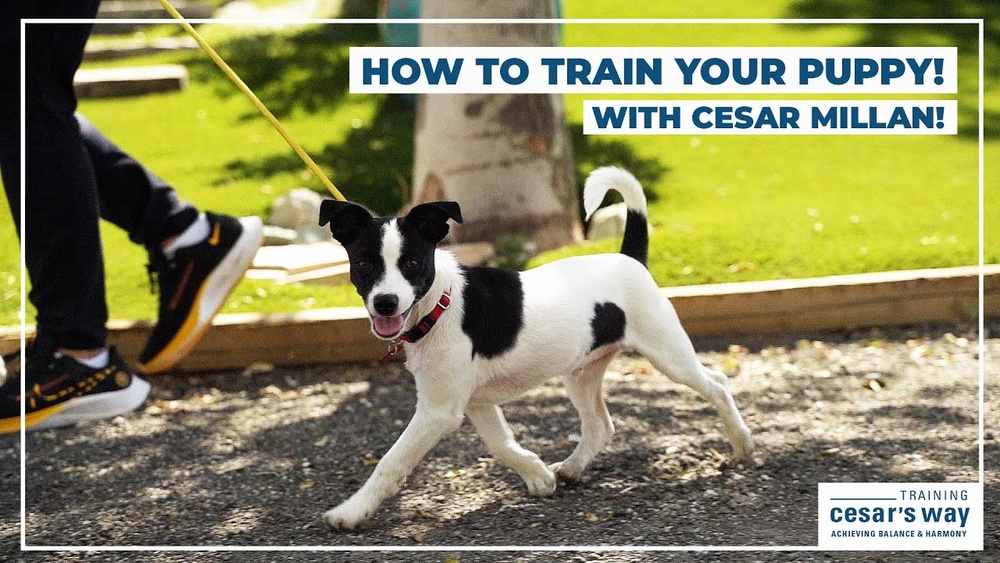
Bringing a new puppy into your home is exciting, but it can also feel overwhelming. You want your puppy to grow into a well-behaved, happy dog, and that starts with the right training.
That’s where Caesar Millan’s puppy training tips come in. Imagine having simple, clear guidance that helps you connect with your puppy and guide their behavior from day one. You’ll discover easy-to-follow strategies that make training less stressful and more effective.
Ready to transform your puppy’s behavior and enjoy a stronger bond? Keep reading to learn how.
Credit: www.youtube.com
Choosing The Right Puppy
Choosing the right puppy is the first step to a happy life together. It shapes your training success and the bond you build. Each puppy is unique. Understanding what fits your lifestyle makes a big difference. Think about your daily routine and what you expect from a dog. This helps you pick a puppy that matches your home and heart.
Breed Traits And Temperament
Different breeds have different needs and personalities. Some dogs are calm and gentle. Others are lively and protective. Knowing breed traits helps you find a good match. Temperament affects how a puppy reacts to people and new things. Choose a breed that fits your family’s energy and space. This makes training easier and life more joyful.
Assessing Energy Levels
Puppies have different energy levels. Some need lots of exercise and play. Others prefer quiet time and short walks. Match your activity level with your puppy’s needs. High-energy dogs need more time outside. Low-energy dogs fit better in calm homes. This balance keeps your puppy happy and healthy.
Preparing Your Home
Get your home ready for a new puppy. Remove items that can be harmful or chewed. Create a safe space with a bed and toys. Puppy-proof areas to avoid accidents. Set up feeding and potty spots. This helps your puppy settle quickly and feel secure.
Building Trust And Bonding
Building trust and bonding with your puppy is the foundation of all good training. Trust helps your puppy feel safe and ready to learn. Bonding creates a strong connection between you and your new friend. These steps guide your puppy to listen and follow your lead. A happy relationship starts here.
Establishing Leadership
Be calm and confident around your puppy. Puppies need clear signals about who leads. Show gentle control, not fear or anger. Set rules and stick to them every day. Your puppy will respect you more with steady leadership. This trust makes training easier and more effective.
Consistent Communication
Use the same words for commands every time. Keep your voice calm and firm but kind. Your puppy learns faster with clear, simple instructions. Pay attention to your puppy’s body language too. Consistency helps your puppy understand what you want. Mixed signals confuse and slow down training.
Positive Reinforcement Techniques
Praise your puppy immediately after good behavior. Use treats, pets, or kind words as rewards. Positive reinforcement encourages your puppy to repeat good actions. Avoid punishment, which can harm trust. Rewarding good behavior builds a happy learning experience. Your puppy will enjoy training and grow confident.
Basic Commands And Obedience
Teaching your puppy basic commands builds a strong bond. It also helps your dog understand what you expect. Good obedience keeps your puppy safe and happy. Start training early for best results. Keep sessions short and positive. Use clear, calm voice tones. Reward your puppy with treats or praise.
Sit, Stay, And Come
These commands are the foundation of good behavior. “Sit” teaches your puppy to pause and focus. Hold a treat above their nose, then move it back. Your puppy will naturally sit to follow the treat. Say “sit” clearly and reward immediately.
“Stay” helps your puppy wait patiently. Ask your dog to sit first. Show your open palm and say “stay.” Step back slowly. Return and reward if your puppy remains still. Increase distance and time gradually.
“Come” keeps your puppy safe from danger. Use a happy voice and say “come.” Show a treat or toy to get attention. Reward your puppy when they come to you quickly. Practice in different places for better results.
Leash Training
Leash training teaches your puppy to walk calmly by your side. Use a comfortable collar and lightweight leash. Let your puppy explore while holding the leash. Stop walking if your puppy pulls. Wait until the leash is loose again. Use treats to encourage walking close to you. Practice indoors first, then move outside.
Housebreaking Essentials
Housebreaking means teaching your puppy where to go potty. Take your puppy outside often, especially after eating or sleeping. Choose a specific spot for bathroom breaks. Use a command like “go potty” to help learning. Praise and reward your puppy immediately after they go outside. Clean accidents with an enzyme cleaner to remove smells.
Credit: wehotimes.com
Managing Puppy Behavior
Managing puppy behavior is key to raising a happy and well-behaved dog. Puppies explore the world with their mouths and voices. This can lead to chewing, biting, and barking. Early guidance helps shape good habits. Clear rules and gentle corrections work best. Consistency builds trust and understanding.
Handling Chewing And Biting
Puppies chew to relieve teething pain and explore. Offer safe chew toys to protect your belongings. When your puppy bites your hand, say “no” firmly but kindly. Redirect their attention to a toy. Praise your puppy when they chew the right items. Avoid rough play that encourages biting. Patience helps your puppy learn gentle behavior.
Dealing With Barking
Barking is a puppy’s way to communicate. Some barks mean excitement, others mean fear. Notice what triggers your puppy to bark. Calmly say “quiet” and reward silence. Avoid yelling, as it may increase barking. Give your puppy enough exercise to reduce restlessness. A tired puppy barks less. Teach your puppy to stop barking on command.
Socialization Strategies
Socialization helps puppies grow confident and friendly. Introduce your puppy to different people and places. Keep experiences positive and calm. Let your puppy meet other dogs safely. Watch for signs of fear or stress. Gradual exposure prevents anxiety later. Social puppies adapt well to new situations. Early socialization supports good behavior for life.
Exercise And Mental Stimulation
Exercise and mental stimulation are essential for raising a happy puppy. A well-exercised puppy behaves better and learns faster. Physical activity uses up energy, reducing unwanted behaviors. Mental challenges keep their minds sharp and focused.
Caesar Millan emphasizes balance between body and brain work. Consistent activity builds good habits. It also strengthens the bond between you and your puppy.
Daily Physical Activities
Daily walks help puppies burn energy and explore the world. Short play sessions with fetch or tug toys keep them active. Running in a safe, enclosed area lets puppies practice their strength. Regular movement supports healthy growth and calm behavior.
Interactive Toys And Games
Interactive toys stimulate a puppy’s brain. Puzzle feeders challenge them to find treats. Toys that move or make noise attract attention. These games prevent boredom and encourage problem-solving skills.
Training Challenges
Simple training tasks engage a puppy’s mind. Teaching basic commands like sit, stay, and come builds focus. Use short sessions to keep attention strong. Mixing new commands with fun rewards motivates learning. Training is mental exercise that sharpens puppy’s thinking.

Credit: www.sheknows.com
Troubleshooting Common Issues
Troubleshooting common issues in puppy training is key to raising a well-behaved dog. Puppies often show behaviors that can be challenging. Understanding these problems early helps you guide your puppy better. This section covers some typical issues and ways to handle them effectively.
Separation Anxiety
Separation anxiety happens when a puppy feels scared alone. They may bark, whine, or chew things. Start by leaving your puppy alone for short times. Gradually increase the time away. Give your puppy a safe space with toys. Avoid long goodbyes; stay calm when leaving and returning. Consistency helps your puppy feel secure.
Aggression Prevention
Aggression can start if a puppy feels threatened or scared. Teach your puppy to be gentle with people and other dogs. Use positive reward for calm behavior. Never punish aggression with violence; it makes things worse. Socialize your puppy early by introducing new friends in a safe way. Watch their body language to stop problems early.
Correcting Unwanted Habits
Puppies may bite, jump, or chew on furniture. Redirect their attention to toys or safe items. Use firm but gentle commands to say “no.” Praise your puppy when they behave well. Keep a regular schedule for play and rest. Patience and consistency are important to change habits.
Maintaining Long-term Success
Maintaining long-term success in puppy training requires patience and ongoing effort. Training is not a one-time event but a continuous process. Consistency and adapting to your puppy’s growth help build strong habits. Celebrating small wins keeps both you and your puppy motivated. This approach creates a happy and well-behaved dog for life.
Consistency In Training
Consistency is key to effective puppy training. Use the same commands and routines every day. This helps your puppy understand what you expect. Avoid changing rules or signals often. Consistent training builds trust and clear communication.
Adjusting Techniques As Puppy Grows
Your puppy’s needs change as it grows. Adjust training methods to fit its age and energy level. Younger puppies need short sessions and gentle guidance. Older puppies can handle longer lessons and more challenges. Adapt your approach to keep training effective and fun.
Celebrating Milestones
Recognize your puppy’s progress with praise and rewards. Celebrate small achievements like sitting or staying on command. This encourages your puppy to keep learning. Positive reinforcement strengthens good behavior over time. Every milestone is a step toward a well-trained dog.
Frequently Asked Questions
What Are Caesar Millan’s Key Puppy Training Tips?
Caesar Millan emphasizes calm, assertive energy and consistency. He advises setting clear boundaries and using positive reinforcement. Socialization and daily exercise are also crucial for a well-behaved puppy.
How To Use Calm Assertive Energy With Puppies?
Calm assertive energy means staying relaxed yet confident. Puppies respond well to steady leadership. Avoid yelling or overexciting your puppy, as this can cause anxiety or misbehavior.
Why Is Socialization Important In Puppy Training?
Socialization helps puppies become comfortable with people, animals, and environments. It prevents fear and aggression later. Early positive experiences build a confident, well-adjusted adult dog.
How Often Should I Exercise My Puppy Daily?
Puppies need at least 30 minutes to 1 hour of exercise daily. Exercise helps burn excess energy and promotes mental stimulation. Regular activity supports healthy growth and behavior.
Conclusion
Puppy training takes patience and love. Use calm and clear commands every day. Stay consistent to help your puppy learn fast. Small rewards encourage good behavior and trust. Watch your puppy’s body language closely. Practice often to build a strong bond.
Enjoy the training journey with your new friend. This approach creates happy, well-behaved dogs. Keep learning and improving your training skills. Your puppy will thank you with loyalty and joy.


