

If you have a Cattle Dog or are thinking about getting one, understanding their behavior is key to a happy life together. These dogs are smart, energetic, and sometimes a bit stubborn.
Knowing why your Cattle Dog acts the way it does can help you build a stronger bond and avoid common frustrations. You’ll discover what drives their unique behavior and how to bring out the best in your loyal companion. Keep reading to unlock the secrets behind your Cattle Dog’s actions and make every day with them more enjoyable.
Credit: dogtime.com
Breed Characteristics
Cattle dogs are strong and smart animals bred to herd livestock. They have unique features that make them great working dogs. Understanding their breed characteristics helps owners care for them better.
These dogs need space and tasks to stay happy. They thrive with active families and clear guidance.
Physical Traits
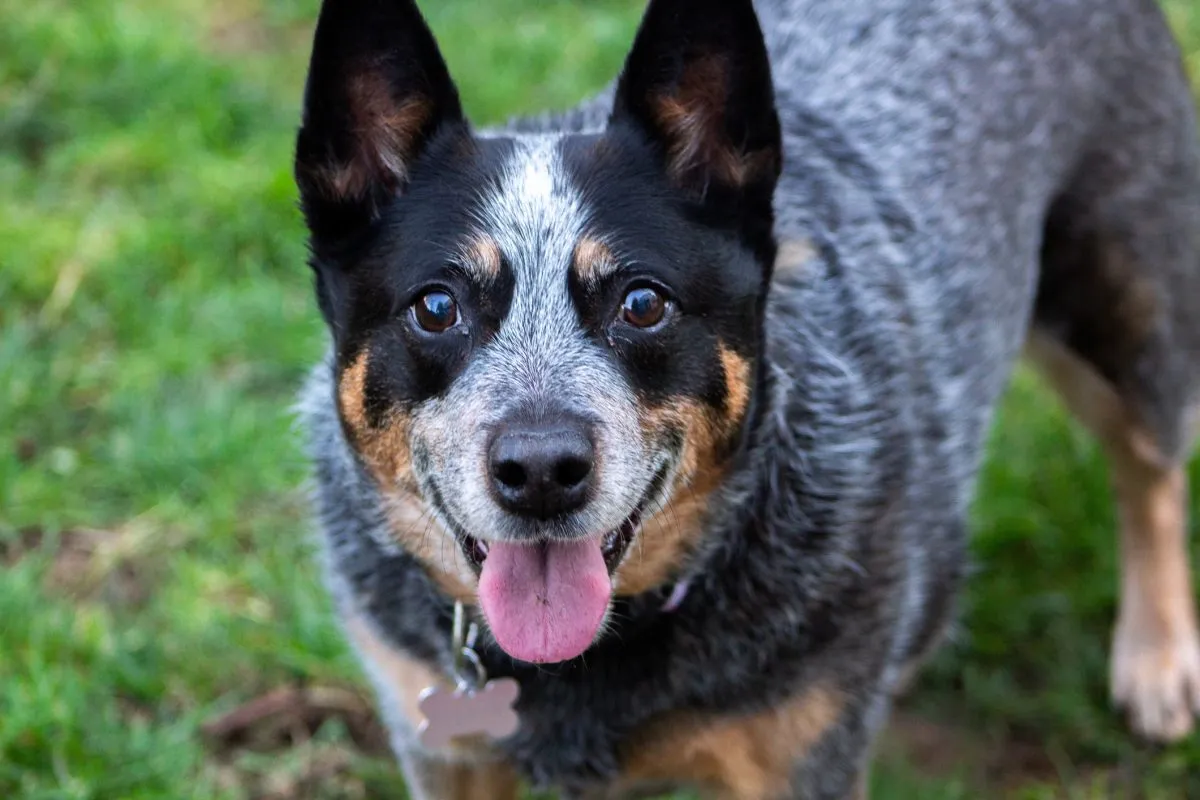
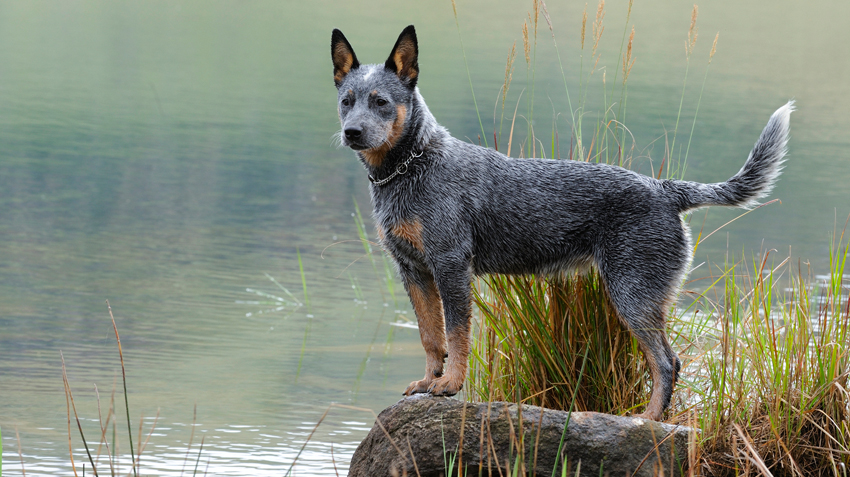
Cattle dogs have a sturdy, muscular build. Their coat is short and dense, often spotted or mottled. They usually have upright ears and sharp eyes. These traits help them work long hours outdoors.
Temperament
Cattle dogs are loyal and protective. They bond closely with their owners and watch over their home. Their intelligence makes them quick learners but also independent thinkers. They need firm, patient training to behave well.
Energy Levels
These dogs have very high energy. They enjoy running, playing, and working hard. Without enough exercise, they may become restless or bored. Daily physical and mental activities keep them balanced and happy.
Credit: www.petinsurance.com
Common Behaviors
Cattle dogs show distinct behaviors that reflect their working roots. These traits help them manage livestock and protect their home. Understanding these behaviors can improve your bond and care for your dog.
Herding Instincts
Cattle dogs naturally herd animals and people. They use gentle nips and body movement to guide. This instinct makes them highly focused and driven. They may try to herd children or other pets in the house.
Alertness And Watchfulness
These dogs are very alert to sounds and movements. They quickly notice strangers or unusual activity. This makes them excellent watchdogs. Their watchfulness helps keep their family and property safe.
Social Interaction
Cattle dogs enjoy being part of a group. They like spending time with family and other pets. They communicate with barks, body language, and eye contact. Early socialization helps them become well-mannered companions.
Training Tips
Training a Cattle Dog requires patience and clear techniques. These dogs are smart and energetic. They respond well to structured training. Understanding how to guide their behavior helps build a strong bond. The following tips focus on key methods to train them effectively.
Positive Reinforcement
Reward good behavior immediately. Use treats, praise, or toys as rewards. This encourages your dog to repeat actions you like. Avoid punishment; it can cause fear or confusion. Positive reinforcement builds trust and motivation. Keep rewards consistent and timely for best results.
Consistency And Routine
Keep commands and rules the same every day. Dogs learn faster with a steady routine. Practice training sessions at regular times. Clear expectations reduce anxiety and improve learning. Everyone in the household should use the same commands. This prevents mixed signals and confusion.
Mental Stimulation
Cattle Dogs need more than physical exercise. Challenge their minds with puzzles and games. Teach new tricks to keep their brain active. Bored dogs may develop unwanted behaviors. Mental tasks help them stay calm and focused. Change activities often to maintain interest.
Exercise Needs
Cattle dogs are active and intelligent animals. They need plenty of exercise to stay happy and healthy. Without enough activity, they may become restless or show unwanted behaviors. Meeting their exercise needs is key to a balanced life.
Exercise helps cattle dogs burn energy and keep their minds sharp. It also strengthens the bond between dog and owner. Understanding their daily activity needs will help you provide the right care.
Daily Activity Requirements
Cattle dogs need at least one to two hours of exercise every day. This can be broken into several sessions. Long walks, jogging, or running in a secure area are good options. They also benefit from mental challenges alongside physical activity.
Games And Activities
Playing fetch or frisbee excites cattle dogs and uses their herding instincts. Agility training and obedience exercises also keep them engaged. Puzzle toys that hide treats help stimulate their minds. Changing activities often keeps their interest high.
Preventing Boredom
Bored cattle dogs may chew things or dig holes. Provide new toys and rotate them regularly. Training sessions offer mental exercise and prevent dullness. Socializing with other dogs helps reduce loneliness. Variety and attention are essential to avoid boredom.
Managing Behavioral Challenges
Managing behavioral challenges in Cattle Dogs requires patience and clear strategies. These dogs are smart and energetic, which can lead to some common problems. Understanding their behavior helps keep them calm and happy.
Consistent training and daily exercise reduce many issues. A tired Cattle Dog is a well-behaved one. Let’s explore some specific challenges and ways to handle them.
Separation Anxiety
Cattle Dogs form strong bonds with their owners. They often feel stressed when left alone. Signs include whining, pacing, and destructive acts.
Start by leaving your dog alone for short times. Gradually increase the time away. Provide toys to keep them busy. Avoid making a big deal when leaving or returning.
Excessive Barking
These dogs bark to alert or express boredom. Too much barking can annoy neighbors and owners. Identify the cause to reduce noise.
Teach a quiet command and reward silence. Give enough physical and mental exercise daily. Remove triggers or distractions from their area.
Destructive Behavior
Boredom and anxiety often cause chewing or digging. Cattle Dogs need tasks to stay focused. Unchecked energy turns into destruction.
Provide chew toys and puzzles. Create a safe space for them. Regular walks and playtime help use their energy positively.
Creating A Happy Environment
Creating a happy environment is key to a well-behaved cattle dog. These dogs thrive in spaces where they feel secure and understood. A calm and predictable setting helps them stay relaxed and confident. Caring owners build such environments step by step.
Safe Spaces
Cattle dogs need a quiet spot to retreat and rest. It could be a cozy crate or a corner with their bed. This safe space helps them calm down after play or training. Avoid loud noises near this area. Respect their need for alone time here.
Socializing With Other Pets
Early socializing improves cattle dogs’ behavior with other animals. Introduce them slowly to other pets in your home. Keep meetings short and positive to avoid stress. Watch their body language to ensure comfort. Good social skills reduce anxiety and aggression.
Routine And Structure
Consistent daily routines make cattle dogs feel secure. Feed, walk, and train them at the same times each day. Predictable schedules reduce confusion and help them learn faster. Structure also supports their natural work drive. Clear rules guide their behavior and build trust.
Credit: www.doggoneproblems.com
Frequently Asked Questions
What Are Common Traits Of Cattle Dog Behavior?
Cattle dogs are energetic, intelligent, and highly alert. They exhibit strong herding instincts and are very loyal to their owners. These dogs require regular mental and physical stimulation to stay happy and healthy. They are also known for their protective nature and obedience.
How Do Cattle Dogs Communicate With Owners?
Cattle dogs use body language, vocalizations, and eye contact to communicate. They often bark to alert or express excitement. Their attentive gaze helps them read their owner’s commands. Understanding their signals strengthens the bond and improves training effectiveness.
Why Do Cattle Dogs Herd People And Animals?
Herding is an instinctive behavior in cattle dogs. They try to control movement by nipping or circling. This trait comes from their working background with livestock. Proper training can manage this behavior to prevent unwanted herding of children or pets.
How Can I Train My Cattle Dog Effectively?
Consistent, positive reinforcement is key to training cattle dogs. Use rewards and clear commands to encourage good behavior. Early socialization helps reduce aggression and fearfulness. Regular exercise and mental challenges keep them focused and obedient.
Conclusion
Cattle dogs are smart and full of energy. They need regular exercise to stay happy and healthy. Training should be clear and consistent to guide their behavior. These dogs love work and enjoy tasks that challenge their minds. Understanding their traits helps build a strong bond.
Caring for a cattle dog means patience and time. They make loyal companions for active families. Keep their needs in mind to ensure a happy life together.


