

Have you noticed changes in your dog’s behavior as they get older? Maybe they seem less active, more anxious, or sometimes confused.
Understanding these shifts is key to giving your aging dog the care and comfort they deserve. You’ll discover what to expect as your dog grows older and how you can respond to their changing needs. Keep reading to learn simple, effective ways to support your loyal companion through their golden years.
Signs Of Aging In Dogs
Dogs age differently than humans, but signs of aging show clearly. These signs help owners understand their pets’ needs. Watching closely helps provide better care and comfort. Changes happen slowly, but they affect dogs’ daily lives. Recognizing these changes early improves health and happiness.
Physical Changes
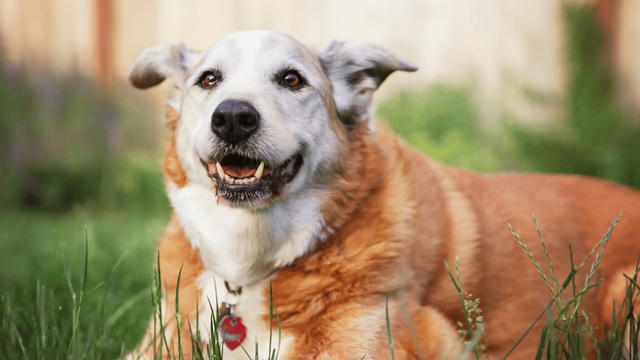
Older dogs often show gray or white fur around their face. Their eyes may become cloudy or dull. Muscle loss causes them to appear thinner or weaker. Joints may stiffen, making walking or running harder. Teeth can wear down or fall out. Skin might become less elastic and drier.
Behavioral Shifts
Senior dogs may sleep more during the day. They might be less interested in playing or running. Some dogs become more clingy and want extra attention. Others may seem distant or less responsive. Changes in appetite, like eating less or more, can occur. Bathroom accidents may happen more often.
Cognitive Decline
Older dogs can show signs of confusion or forgetfulness. They might get lost in familiar places. Some dogs bark or whine without clear reasons. They may have trouble learning new commands. Changes in sleep patterns, like waking up at night, are common. Cognitive decline affects how dogs react to their world.
Credit: www.chipmanroadanimalclinic.com
Common Senior Dog Behaviors
As dogs grow older, their behavior changes in many ways. These changes are normal signs of aging. Recognizing these behaviors helps pet owners provide better care. Senior dogs often show new habits that differ from their younger days. Understanding these signs is key to keeping them happy and healthy.
Increased Sleep
Older dogs tend to sleep more than younger ones. Their bodies need extra rest to heal and stay strong. You might notice your dog napping for long hours. This is normal and helps them recharge. Allow your senior dog to rest without disturbance.
Changes In Appetite
Senior dogs often eat less or lose interest in food. Their sense of smell and taste can weaken. Health problems might also affect their eating habits. Offering smaller, softer meals can encourage better eating. Watch for sudden changes that may need a vet visit.
Reduced Activity Levels
Older dogs move less and get tired faster. Joint pain or arthritis can make walking hard. They may avoid jumping or running like before. Gentle exercise helps keep muscles strong and joints flexible. Respect their pace and provide comfort during activity.
Anxiety And Restlessness
Some senior dogs feel anxious or restless, especially at night. They might pace, whine, or seem confused. Changes in the brain can cause these signs. Creating a calm, safe space helps reduce stress. Consistent routines also provide comfort and security.
Health Issues Affecting Behavior
As dogs age, their health changes can affect how they behave. These changes might make them act differently than before. Understanding these health issues helps in caring for an older dog better.
Arthritis And Pain
Arthritis is common in older dogs. It causes joint pain and stiffness. This pain can make dogs less active and more irritable. They may avoid moving or playing. Sometimes, they growl or snap when touched. Recognizing arthritis helps in managing your dog’s comfort.
Sensory Loss
Older dogs often lose some senses. Hearing and sight can become weaker. This loss makes dogs more anxious or confused. They might not respond to calls or commands. Some dogs may bark more due to fear. Helping them feel safe reduces stress.
Chronic Illnesses
Chronic illnesses like kidney or heart disease affect behavior. Dogs may feel tired or weak. They can lose interest in food or activities. These illnesses can cause mood swings or restlessness. Proper treatment improves their quality of life.
Adjusting Your Care Routine
As dogs age, their needs change. Adjusting your care routine helps keep them happy and healthy. Small changes in diet, exercise, and mental activities make a big difference. Paying close attention to these areas supports their well-being. Understanding these needs helps your dog stay comfortable and active.
Diet And Nutrition
Aging dogs need food that supports their health. Choose diets with fewer calories to prevent weight gain. Look for ingredients that help joints and digestion. Protein remains important but should be easy to digest. Fresh water should always be available to keep them hydrated.
Exercise And Mobility
Older dogs may move slower or tire quickly. Gentle walks help keep muscles strong without causing pain. Short, frequent exercise sessions are better than long ones. Soft surfaces reduce joint stress during activity. Supportive bedding and ramps can make moving easier.
Mental Stimulation
Keeping your dog’s mind active is vital as they age. Simple games and new smells can spark interest. Training sessions with treats keep them engaged. Puzzle toys challenge their thinking and prevent boredom. Social interaction also boosts their mood and alertness.
Managing Behavioral Challenges
Managing behavioral challenges in aging dogs requires patience and understanding. As dogs grow older, their actions may change. These changes can be confusing or difficult for both pets and owners. Recognizing common issues helps provide the right care. This section covers key behaviors to manage effectively.
Dealing With Confusion
Older dogs may get confused easily. This confusion can cause restlessness or wandering. Creating a calm environment helps reduce stress. Keep their routine simple and predictable. Use clear signals and gentle guidance. Avoid sudden changes in surroundings or daily habits.
Handling Aggression
Aging dogs sometimes show aggression. Pain or fear often triggers this behavior. Watch for signs of discomfort or anxiety. Use soft voices and slow movements. Avoid forcing interactions that cause stress. Consult a vet to rule out medical issues. Gentle training and patience can help calm your dog.
Addressing Separation Anxiety
Separation anxiety may increase with age. Dogs might bark, whine, or destroy things. Provide comfort items like blankets or toys. Practice short separations to build confidence. Keep departures and arrivals low-key. Consider creating a safe space where your dog feels secure.
Credit: www.smalldoorvet.com
When To Seek Veterinary Help
Knowing when to seek veterinary help for an aging dog is important. Older dogs show changes in behavior that may signal health issues. Early care can ease discomfort and improve life quality. Watch your dog closely and act on worrying signs without delay.
Warning Signs
Changes in appetite, weight, or energy can be warning signs. Sudden limping or stiffness may indicate pain or injury. Confusion, anxiety, or unusual aggression should not be ignored. Frequent accidents inside the house can mean health problems. Look for difficulty breathing or coughing. These signs need prompt veterinary attention.
Regular Checkups
Schedule regular vet visits for your senior dog. Vets detect hidden problems before they get worse. Blood tests and physical exams help monitor vital organs. Keep vaccinations and parasite control up to date. Regular checkups support early diagnosis and treatment. These visits keep your dog comfortable and healthy.
Specialized Treatments
Some aging dogs need special treatments. Pain relief medications help with arthritis and joint problems. Diet changes can support kidney or liver health. Physical therapy improves mobility and strength. Behavior therapy may ease anxiety or confusion. Consult your vet to find the best care plan. Tailored treatments improve your dog’s quality of life.
Creating A Comfortable Environment
Creating a comfortable environment helps aging dogs feel safe and relaxed. Their needs change as they get older. A cozy space can ease stress and support their health. Small changes make a big difference in their daily life.
Safe Spaces
Older dogs need quiet, calm places to rest. Choose spots away from loud noises and busy areas. Use baby gates or barriers to limit access to stairs or unsafe rooms. These safe spaces reduce anxiety and help your dog feel secure.
Accessible Bedding
Soft, supportive beds protect aging joints. Low-entry beds make it easy for dogs to climb in and out. Use orthopedic foam or memory foam for extra comfort. Wash bedding often to keep it clean and fresh.
Temperature Control
Older dogs feel cold or hot more quickly. Keep their resting area warm in winter with blankets or heating pads. Use fans or cool mats in summer to prevent overheating. Adjust their space to match the weather and their needs.

Credit: boneocanine.com
Building A Stronger Bond
Building a stronger bond with your aging dog is important for their happiness and well-being. Older dogs may change their behavior and needs. Understanding these changes helps deepen your connection. Spending quality time together creates comfort and trust. Simple actions can make your dog feel loved and secure. Here are some key ways to strengthen your bond.
Patience And Understanding
Aging dogs may move slower or act differently. They might have less energy or get confused. Showing patience helps them feel safe and calm. Avoid rushing or getting frustrated. Understand their limits and give gentle care. Listening to their needs builds trust and respect.
Consistent Routine
Older dogs thrive on routine. Keeping feeding, walking, and resting times steady reduces stress. Predictable schedules make them feel secure. Small changes can cause anxiety in aging dogs. Stick to familiar routes and habits as much as possible. This consistency helps your dog feel more comfortable every day.
Positive Reinforcement
Encourage good behavior with praise and treats. Positive reinforcement motivates your dog to repeat actions. Use gentle words and kind touches often. Avoid punishment or harsh corrections. Reward calm and cooperative behavior. This builds a happy and trusting relationship with your aging dog.
Frequently Asked Questions
What Common Behavior Changes Occur In Aging Dogs?
Older dogs often show reduced energy, increased sleep, and slower movement. They may also experience confusion or anxiety. These changes are natural signs of aging and should be monitored for any sudden or severe shifts.
How Can I Help Manage My Aging Dog’s Anxiety?
Create a calm environment and maintain a consistent routine for your dog. Use gentle exercise and mental stimulation to reduce stress. Consult a vet for possible treatments if anxiety worsens or affects daily life.
Why Does My Senior Dog Sleep More Than Before?
Increased sleep is normal as dogs age due to lower energy levels. Aging dogs need more rest to recover and maintain health. However, excessive lethargy may indicate health issues, so consult a vet if concerned.
Are Behavior Changes Linked To Aging Dog Health Problems?
Yes, changes like aggression or confusion may signal health issues such as cognitive decline or pain. Regular vet check-ups can detect and treat underlying problems early, improving your dog’s quality of life.
Conclusion
Aging changes a dog’s behavior in many ways. Patience and care help your dog feel safe and loved. Watch for signs of discomfort or confusion. Regular vet visits keep your dog healthy longer. Adjust routines to fit their slower pace.
Enjoy quiet moments and gentle play together. Every dog deserves respect and kindness as they age. Embrace these changes with understanding and love. Your support makes their golden years happy and calm.

